
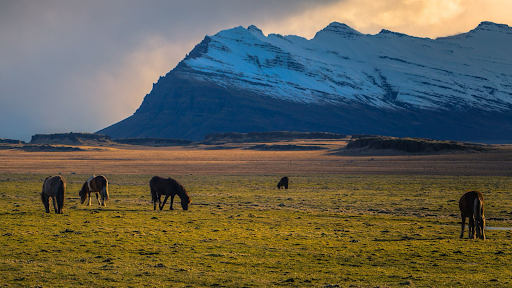
There’s something special about Iceland in May. Winter has finally loosened its grip, spring is in full swing, but summer hasn’t fully arrived yet. Waterfalls are roaring with fresh snowmelt, wildlife starts to return, and the days stretch longer and longer toward the Midnight Sun.
It’s a time of transition, and that’s exactly what makes it so appealing.
You get many of the benefits of summer travel in Iceland, like open roads and long daylight hours, but without the peak-season crowds and prices. At the same time, there’s still a wild, slightly unpredictable edge to the landscape that makes every day feel like an adventure.
If you’re planning a trip and wondering whether Iceland in May is the right choice, this guide breaks down everything you need to know, from weather and road conditions to what you can (and can’t) do, plus how to plan the perfect road trip.
Iceland in May at a Glance
- One of the best shoulder-season months to visit Iceland
- Temperatures typically range from 4–10°C (39–50°F)
- Up to 20 hours of daylight by the end of the month
- Fewer crowds and lower prices than peak summer
- Most main roads (including the Ring Road) are accessible
- Puffin season begins towards the end of the month, and waterfalls are at full flow
- Northern Lights are possible early in May, but unlikely later in the month
- A campervan is one of the best ways to explore with flexibility
Is May a Good Time to Visit Iceland?
Yes, May is one of the best shoulder-season months to visit Iceland, offering a strong balance of long daylight hours, fewer crowds, and good road access for a road trip.
May sits right between Iceland’s extremes. You’re past the harshest winter conditions, but still ahead of the busy summer season. That means you can explore comfortably, cover more ground each day, and enjoy Iceland’s landscapes without feeling rushed or overcrowded.
Pros of Visiting Iceland in May
Long daylight hours (up to 20 hours)
By late May, Iceland is approaching the Midnight Sun. This gives you incredible flexibility for sightseeing, photography, and road trips. You can start early, take your time, and still have daylight well into the evening.
Fewer crowds than in the summer
June, July, and August bring the biggest crowds. In May, you’ll still have space at popular spots like Gullfoss, Skógafoss, and Þingvellir, making the experience feel more relaxed and less rushed.
Lower prices than peak season
Flights, accommodation, and campervan rentals are often cheaper than in summer. It’s one of the best times to visit Iceland if you’re looking to balance cost and experience.
Great conditions for road trips
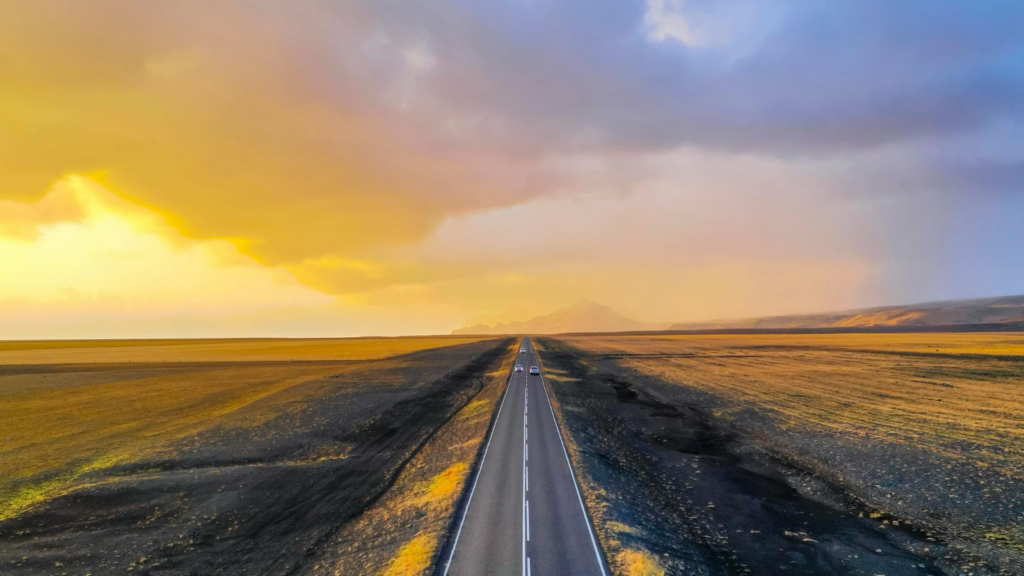
The Ring Road and most major routes are open and accessible. Snow and ice are far less of a concern than in winter, making May a great time for a self-drive or campervan trip.
Nature is coming back to life
Waterfalls are at their most powerful due to melting snow, landscapes turn greener by the week, and wildlife returns — including puffins along coastal cliffs.
Cons of Visiting Iceland in May
Unpredictable weather
Spring in Iceland can change quickly. You might experience sunshine, wind, rain, and even occasional snow — all in the same day. Layering is essential.
Highland roads are mostly closed
If you’re hoping to explore Iceland’s remote Highlands, May is usually too early. These routes typically open later in summer, depending on conditions.
Northern Lights are not reliable
While it’s still technically possible to see the Northern Lights early in May, the rapidly increasing daylight makes sightings very unlikely by mid to late May.
Limited winter activities
Ice caves, some snow-based tours, and deep-winter experiences may no longer be available, so May isn’t ideal if those are high on your list.
Who Should Visit Iceland in May?
First-time visitors
May offers a well-rounded introduction to Iceland. You’ll have access to major sights, manageable driving conditions, and long days to explore without peak-season pressure.
Road trip travelers
If your goal is to drive the Ring Road or explore multiple regions, May is one of the best times to do it. Conditions are generally good, and traffic is lighter.
Budget-conscious travelers
You’ll often find better deals on flights and rentals compared to summer, while still enjoying many of the same experiences.
Wildlife and nature lovers
With puffins returning, waterfalls at full power, and landscapes shifting into green, May is a great time to experience Iceland’s natural side.
If you’re looking for a balance between accessibility, value, and adventure, Iceland in May is hard to beat, especially if you want the freedom to explore at your own pace.
Iceland Weather in May
If you’re planning a trip, understanding the Icelandic weather in May is one of the most important parts of deciding whether this is the right month for you.
The short version? May is one of Iceland’s most appealing shoulder-season months. The average temperature sits around 44°F (7°C), daylight stretches from 17-20 hours a day, and the country starts to feel much more accessible for road trips, sightseeing, and outdoor adventures.
That said, this is still Iceland. You can get sunshine, wind, drizzle, and chilly evenings all in the same day, so flexibility and layers matter.
Average Temperature in Iceland in May
The average temperature in Iceland in May is around 44°F (7°C), making it noticeably milder than winter and early spring.
In practical terms, that means:
- Days often feel cool but comfortable for sightseeing
- Mornings and evenings can still be chilly
- Inland and northern areas may feel colder than the south
It is not summer yet, but for most travelers, May feels like a very manageable time to explore Iceland, especially with the right clothing.
Daylight Hours in Iceland in May
One of the biggest reasons people love visiting Iceland in May is the amount of daylight. On average, the country gets around 18 hours of daylight, giving you long, flexible days for driving, hiking, and sightseeing.
This is a huge advantage for travelers because it means:
- More time to explore without rushing
- Easier road trip planning
- Bright evenings that make scenic drives even better
By the end of the month, Iceland is moving closer to the Midnight Sun, so the days can feel even longer than you might expect.
Even though the sun may dip below the horizon briefly, it never gets fully dark by the end of May, which is why Northern Lights viewing becomes difficult (more on that next).
Rain, Wind & Conditions
May is also a fairly manageable month in terms of precipitation, with average rainfall around 2.0 inches. You should still expect variable conditions, though.
Typical May weather in Iceland includes:
- Light rain or drizzle
- Breezy conditions, especially in exposed areas
- Quick weather changes throughout the day
The weather is usually far easier to work with than in winter, but you still need to pack for changing conditions rather than assuming stable spring sunshine.
Iceland Weather in May: Quick Table
| Factor | Value |
|---|---|
| Average temperature | 44°F (7°C) |
| Daylight | 17-20, increasing through the month |
| Average rainfall | 2.0 inches |
| Overall feel | Cool, bright, and changeable |
Can You See the Northern Lights in Iceland in May?
You can sometimes see the Northern Lights in Iceland in early May, but it becomes very unlikely as the month progresses due to long daylight hours.
This is one of the most common questions when planning a spring trip to Iceland — and it’s important to be clear about expectations.
The Northern Lights (aurora borealis) require dark skies, and by May, Iceland is rapidly moving toward the Midnight Sun. While the average daylight sits around 18 hours, it often feels even brighter, especially later in the month.
Early May vs late May
Early May
- There is still a small window of darkness at night
- Northern Lights are technically possible
- You’ll need clear skies, strong solar activity, and a bit of luck
Mid to late May
- Nights become too bright for aurora visibility
- Even if solar activity is high, the sky simply doesn’t get dark enough
- Sightings are extremely unlikely
So while it’s not impossible, the reality is that May is not considered Northern Lights season in Iceland.
What This Means for Your Trip
If seeing the Northern Lights is a top priority, May is not the best time to visit. You’d be better off traveling between September and March, when darkness returns, and viewing conditions are much stronger.
However, there’s a trade-off — and it’s a good one.
By choosing May, you gain:
- Long, flexible travel days
- Easier driving conditions
- Access to more of the country
- Milder weather overall
In other words, you’re swapping Northern Lights for better road trip conditions and more time to explore.
Best Alternative Experiences in May
Even without the aurora, Iceland in May offers plenty of unforgettable experiences:
- Midnight Sun atmosphere: long, glowing evenings that feel almost surreal
- Waterfalls at peak flow: fueled by melting snow
- Wildlife spotting: including puffins and whales
- Quiet, scenic drives: without peak summer traffic
- Aurora Reykjavík: This Northern Lights museum in Reykjavík offers aurora simulator experiences, providing an understanding of what seeing the real thing is like.
For many travelers, these more than make up for the lack of Northern Lights.
If you’re flexible with your expectations, May still delivers an incredible Iceland experience, just a different one than the classic winter aurora trip.
Can You Drive in Iceland in May?
One of the biggest advantages of visiting Iceland in May is that it’s a great time for a road trip.
Winter conditions have mostly eased, the days are long, and the country becomes far more accessible than in the colder months. For most travelers, May hits a sweet spot where driving is both manageable and rewarding.
Road Conditions in May
In May, the majority of Iceland’s main roads are open and easy to drive.
- The Ring Road (Route 1) is fully accessible
- Popular routes like the Golden Circle and South Coast are clear and well-maintained
- Coastal regions and lowland areas are generally free from snow and ice
This makes it an ideal time to explore Iceland’s most famous sights without the challenges of winter driving.
However, there are a few important limitations:
- Highland (F-roads) are usually still closed
- Some remote mountain routes remain inaccessible due to snow and mud
- Opening dates for these roads vary each year, depending on conditions
If your itinerary focuses on classic highlights, which most first-time visitors do, May gives you everything you need.
Is It Safe to Drive in Iceland in May?
Yes, it is generally safe to drive in Iceland in May, especially compared to the winter months.
That said, Icelandic conditions still require awareness.
You should be prepared for:
- Strong winds, especially on open roads
- Sudden weather changes (rain, fog, or temperature drops)
- Gravel roads in more rural areas
- Occasional hazards like sheep near the road later in the month
Before driving each day, it’s always a good idea to:
- Check road conditions on road.is
- Review weather forecasts
- Stay updated via safetravel.is
With basic precautions, driving in May is straightforward and far less stressful than in winter.
Do You Need a 4×4 in May?
For most trips in May, you do not need a 4×4.
A standard 2WD vehicle is perfectly suitable for:
However, a 4×4 can still be useful if you want:
- Extra confidence in windy or wet conditions
- Access to rougher or gravel-heavy roads
- More flexibility if conditions change
If you’re planning to stick to well-known routes, a 2WD vehicle will do the job. But if you want a bit more freedom and comfort, especially in unpredictable spring weather, a 4×4 can be a worthwhile upgrade.
What Driving in May Means for Your Trip
May is one of the best times of year to experience Iceland as a self-drive destination.
- Roads are open and relatively quiet
- Daylight gives you plenty of flexibility
- Conditions are manageable for most drivers
This combination makes it ideal for planning a trip where you’re not tied to strict schedules or fixed locations.
It also naturally leads to the next question most travelers ask: if driving is this accessible, what’s the best way to actually travel around Iceland in May?
Is a Campervan Worth It in May?
If you’re planning a road trip, this is where everything starts to come together.
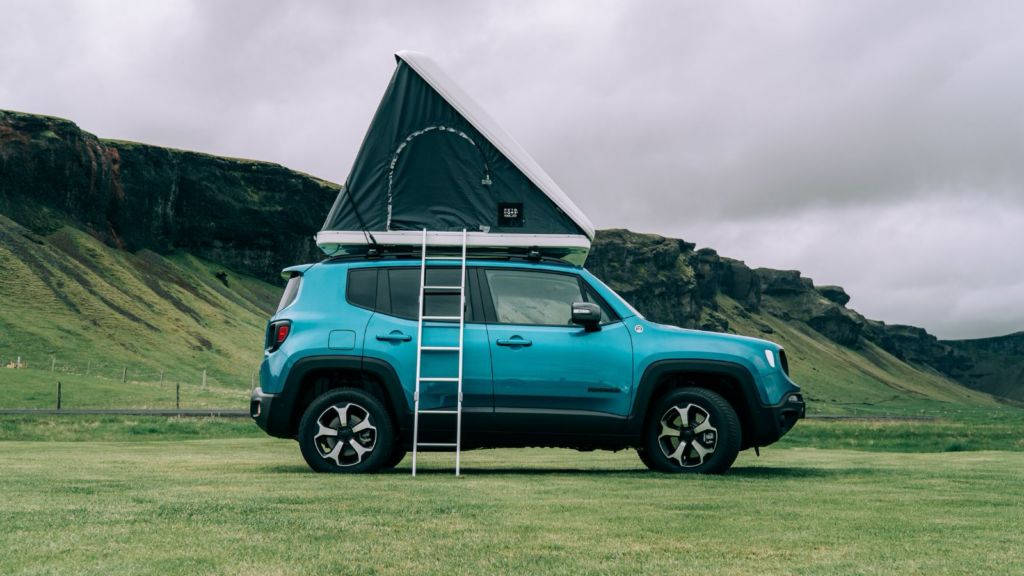
With long good weather, accessible roads, and fewer crowds, Iceland in May is one of the best times of year to travel by campervan. It gives you the flexibility to adapt to changing weather, explore at your own pace, and make the most of those extra hours of daylight.
For many travelers, it’s not just a convenient option; it’s the best way to experience the country.
Benefits of Campervan Travel in May
Flexibility with changing weather
Iceland’s spring weather can shift quickly. With a campervan, you’re not locked into fixed hotel locations, so you can adjust your route based on conditions.
If it’s raining heavily on the South Coast? Head north.
Clear skies in the west? Stay longer.
That kind of flexibility can make a huge difference in May.
Make the most of long daylight hours
With around 18 hours of daylight, your days don’t have to follow a strict schedule.
- Start early or take it slow
- Stop whenever something catches your eye
- Keep driving into the evening without worrying about daylight
A campervan lets you fully take advantage of this, no rushing to check into accommodation or backtracking unnecessarily.
Cost savings vs hotels & car rental
Iceland is known for being expensive, especially in summer. In May, prices are lower, and a campervan can stretch your budget even further.
Instead of paying separately for:
- Accommodation
- Transport
- Meals out
A campervan combines all three into one.
This can make a noticeable difference, especially for longer trips.
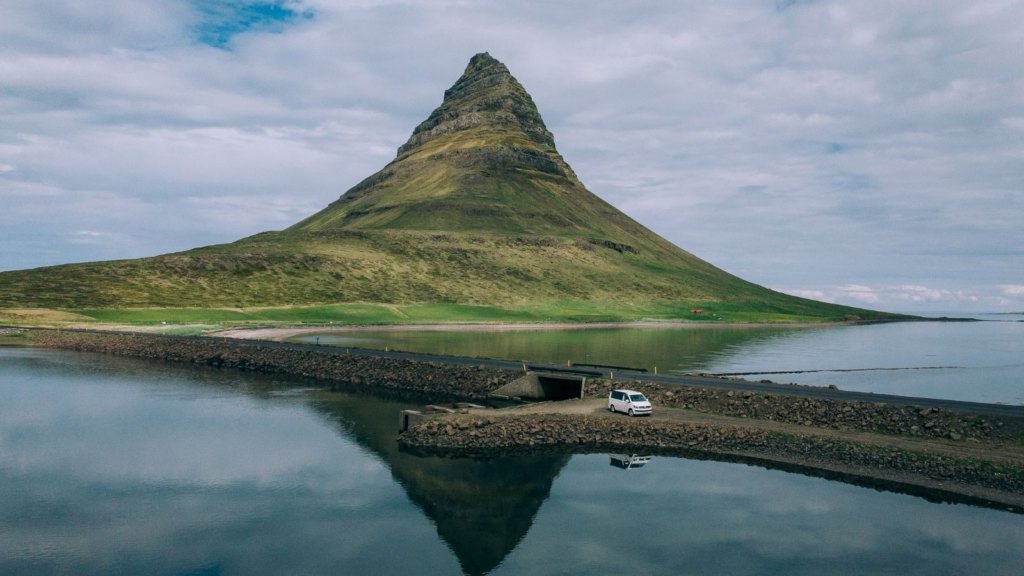
Stay closer to nature
One of the biggest highlights of Iceland is its landscapes — waterfalls, black sand beaches, glaciers, lava fields.
With a campervan, you’re not just visiting these places — you’re staying near them.
- Wake up next to a waterfall
- Have breakfast with mountain views
- End your day in a quiet, scenic campsite
It turns your trip into more than just sightseeing.
Campervan vs Hotel & Car: What’s Better in May?
| Factor | Campervan | Hotel + Car |
|---|---|---|
| Flexibility | High — change plans anytime | Limited — fixed bookings |
| Cost | Often lower overall | Can add up quickly |
| Convenience | All-in-one travel + stay | Separate logistics |
| Weather adaptability | Easy to adjust daily | Harder to reroute |
| Experience | Immersive, outdoors-focused | More traditional travel |
For May specifically, the flexibility factor is huge. The ability to adapt to weather and road conditions gives campervan travel a clear advantage.
Best Campervans for May Travel
Choosing the right campervan depends on your plans, but May gives you a lot of flexibility.
2WD Campervans
- Ideal for most travelers
- Perfect for the Ring Road and major routes
- More budget-friendly
- Suitable for first-time visitors
- Great options include: Fiat Doblo Maxi Automatic, VW California Beach Hybrid, Renault Master 5
4×4 Campervans
- Better for rougher roads or added confidence
- Useful if you want to explore more remote areas
- Not required, but a nice upgrade
- Great options include: VW California 4×4 Automatic, Toyota Hilux 4×4 camper, Crosscamp Flex 541
Heating and comfort considerations
Even though it’s spring, Iceland can still feel cold — especially at night.
Look for:
- Built-in heating systems
- Insulated interiors
- Proper bedding or sleeping setups
This makes a big difference for comfort, particularly earlier in the month.
What About Campsites in May?
Most campsites across Iceland begin reopening in May, especially along popular routes like:
- the Ring Road
- the Golden Circle
- the South Coast
However:
- Not all campsites are open early in the month
- Facilities may be more limited than in summer
It’s a good idea to check ahead or keep a flexible plan — another reason why campervan travel works so well this time of year.
Is It Worth It?
For May specifically, the answer is usually yes.
A campervan gives you:
- Freedom to adapt your itinerary
- Better value compared to hotels
- The ability to explore Iceland more deeply
It aligns perfectly with what makes May special: long days, open roads, and fewer crowds. Browse our fleet of campervans!
Best Things to Do in Iceland in May
If you’re visiting Iceland in May, you’ll find that it’s one of the most rewarding times of year for outdoor experiences.
You get a mix of everything: powerful waterfalls from melting snow, returning wildlife, long scenic drives, and enough daylight to fit multiple activities into a single day.
It’s not quite summer, but that’s part of the appeal — you can explore Iceland’s highlights with fewer crowds and a more relaxed pace.
1. See Iceland’s Waterfalls at Peak Flow
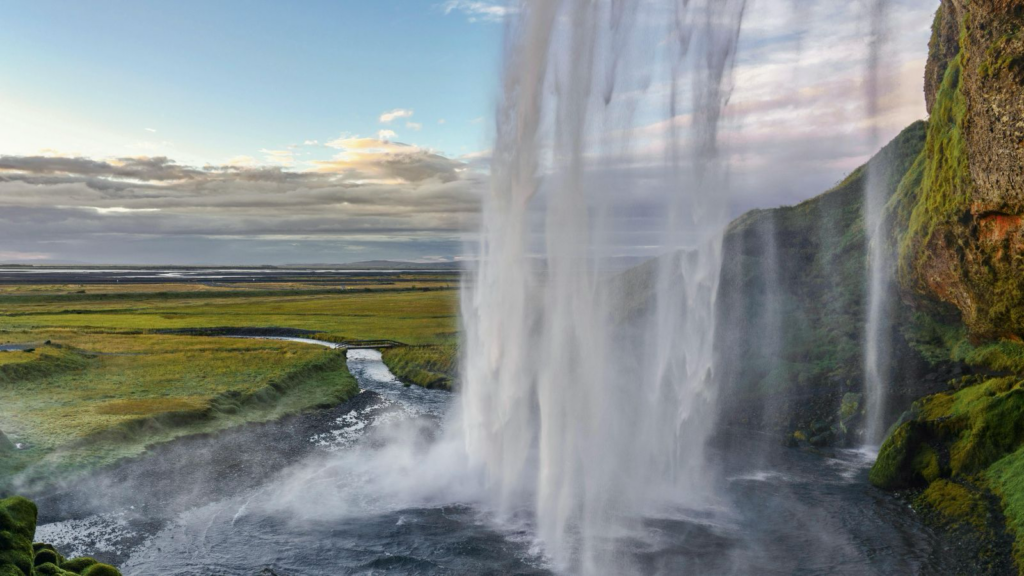
May is one of the best months to visit waterfalls in Iceland.
As winter snow melts, rivers swell and waterfalls become more powerful and dramatic. This makes iconic spots even more impressive than in summer.
Top waterfalls to visit:
- Gullfoss – part of the Golden Circle, incredibly powerful in spring
- Skógafoss – wide, photogenic, and often framed by rainbows
- Seljalandsfoss – the famous one you can walk behind (bring waterproofs)
- Dynjandi – a tiered waterfall in the Westfjords for a quieter experience
If you enjoy photography, May offers a great combination of strong water flow and softer, extended daylight.
2. Go Puffin Watching
May marks the start of puffin season in Iceland, making it one of the best times to see these iconic seabirds.
Puffins return to coastal cliffs to nest, and by mid to late May, sightings become much more reliable.
Best places to see puffins:
- Dyrhólaey (South Coast)
- Reynisfjara area near Vík
- Borgarfjörður Eystri (East Iceland)
- Westman Islands (Vestmannaeyjar)
They’re easiest to spot early in the morning or later in the evening when they’re most active.
3. Take a Whale Watching Tour
May is also a great time for whale watching in Iceland.
As ocean conditions improve and marine life becomes more active, tours run regularly from several locations.
Best places for whale watching:
- Húsavík – often called the whale watching capital of Iceland
- Akureyri (North Iceland)
- Reykjavík – convenient if you’re staying near the capital
Common sightings include:
- Humpback whales
- Minke whales
- Dolphins and porpoises
Tours are generally less crowded than in peak summer, which makes the experience even better.
4. Drive the Golden Circle
The Golden Circle is one of the easiest and most rewarding routes to explore in May.
Roads are clear, conditions are manageable, and the long daylight hours mean you can take your time at each stop.
Key highlights:
- Þingvellir National Park – a UNESCO site and tectonic rift valley
- Geysir Geothermal Area – home to the Strokkur geyser
- Gullfoss Waterfall – one of Iceland’s most powerful falls
Optional stops:
- Kerið Crater
- Secret Lagoon or Fontana Spa
It’s perfect as a day trip — or you can stretch it out and explore more slowly.
5. Explore Iceland’s South Coast
The South Coast is one of the most popular regions in Iceland — and May is a great time to visit.
You’ll find:
- Waterfalls
- Black sand beaches
- Glaciers
- Dramatic coastal landscapes
Must-see stops:
- Seljalandsfoss & Skógafoss
- Reynisfjara black sand beach
- Vík village and the surrounding cliffs
- Sólheimajökull Glacier
With fewer crowds than in summer and long daylight hours, it’s ideal for a road trip.
6. Visit Hot Springs and Geothermal Spas
After a day of exploring, there’s nothing better than relaxing in one of Iceland’s hot springs.
May is a great time for this — the air is cool, but not freezing, and popular spots are less crowded than in peak season.
Popular options:
- Blue Lagoon – iconic, close to Reykjavík
- Sky Lagoon – modern with ocean views
- Secret Lagoon – smaller and more traditional
- Forest Lagoon (Akureyri) – scenic and quieter
It’s one of those experiences that fits into almost any itinerary.
7. Try Glacier Hiking
Glacier hiking is still possible in May and remains one of the most unique experiences in Iceland.
Popular glacier areas:
- Sólheimajökull (South Coast) – beginner-friendly
- Vatnajökull National Park – larger, more varied tours
Good to know:
- Tours are guided and include equipment
- Conditions are generally stable in May
- Availability is good before peak summer crowds arrive
This is a great way to experience Iceland’s “ice” side without winter conditions.
8. Enjoy Scenic Road Trips Without Summer Crowds
One of the biggest advantages of visiting Iceland in May is simply being able to drive.
With long daylight hours and quieter roads, you can:
- Stop whenever you want
- Take detours without pressure
- Explore at your own pace
Popular routes include:
- The Ring Road (for longer trips)
- Snæfellsnes Peninsula (a compact “Iceland in miniature”)
- The South Coast
This is where a flexible travel style really shines — especially if you’re not tied to fixed accommodation.
What You Can’t Do (Yet) in May
While May opens up most of Iceland, a few experiences are still limited:
- Highland (F-road) travel is usually not possible
- Ice cave tours are typically unavailable outside of winter
- Some remote hiking routes may still be inaccessible
For most travelers, though, these aren’t essential — and everything else more than makes up for it.
Suggested Iceland Itinerary for May
Planning your route is one of the most exciting parts of visiting Iceland in May.
With so much daylight, good road conditions, and most major routes accessible, you can cover a lot of ground, even on a shorter trip. The key is choosing an itinerary that matches your timeframe without trying to do too much.
Below are three flexible options based on common trip lengths.
5-Day Iceland Itinerary (Short Trip)
If you only have a few days, focus on Iceland’s most iconic highlights without rushing.
Day 1: Reykjavík & Arrival
- Arrive in Reykjavík
- Explore the city (Hallgrímskirkja, harbor, cafés)
- Optional: Blue Lagoon or Sky Lagoon
- Overnight near Reykjavík
Day 2: Golden Circle
- Þingvellir National Park
- Geysir geothermal area
- Gullfoss Waterfall
- Optional: Secret Lagoon
- Overnight near Selfoss
Day 3: South Coast to Vík
- Seljalandsfoss & Skógafoss
- Sólheimajökull glacier
- Reynisfjara black sand beach
- Overnight in or near Vík
Day 4: South Coast Exploration
- Explore around Vík or head toward Skaftafell
- Optional glacier hike
- Scenic stops along the coast
- Begin the return journey west
Day 5: Return to Reykjavík
- Drive back to Reykjavík
- Last-minute stops or shopping
- Departure
Best for: first-time visitors, short trips, highlights-focused travel
7-Day Iceland Itinerary (Balanced Trip)
A full week gives you time to explore more comfortably and add variety.
Day 1–2: Reykjavík + Golden Circle
Same as the 5-day itinerary, but at a slower pace.
Day 3–4: South Coast to Skaftafell
- Waterfalls and black sand beaches
- Glacier hiking in Vatnajökull National Park
- Explore Skaftafell area
Day 5: East Iceland
- Scenic coastal drive
- Quiet villages and fjords
- Less crowded, more remote feel
Day 6: North Iceland (Akureyri)
- Drive toward Akureyri
- Optional whale watching
- Explore the north
Day 7: Return via West Iceland
- Long but scenic drive back to Reykjavík
- Optional stop at Hraunfossar waterfalls
Best for: travelers who want a broader experience without rushing

10-Day Ring Road Itinerary (Full Experience)
If you have 10 days or more, you can complete the Ring Road comfortably.
Day 1–2: Reykjavík & Golden Circle
Ease into the trip and adjust to driving conditions.
Day 3–4: South Coast to Skaftafell
- Waterfalls, beaches, glaciers
- Optional glacier hike
Day 5: East Iceland
- Fjords, quiet roads, small towns
Day 6–7: North Iceland
- Akureyri
- Húsavík whale watching
- Lake Mývatn geothermal area
Day 8: Westfjords (optional) or West Iceland
- More remote exploration or start heading back
Day 9: Snæfellsnes Peninsula
- Often called “Iceland in miniature.”
- Mountains, cliffs, lava fields
Day 10: Return to Reykjavík
- Final stops and departure
Best for: road trip travelers who want the full Iceland experience
Why May Is Ideal for These Routes
These itineraries work particularly well in May because:
- The Ring Road is accessible and easier to drive than in winter
- You have long daylight hours to cover the distance
- Roads are less crowded than in the summer
- You can stay flexible if weather conditions change
This is especially important for longer routes, where adaptability can make or break your experience.
What to Pack for Iceland in May
Packing for Iceland in May is all about preparing for cool, changeable weather without overpacking.
With average temperatures around 44°F (7°C) and a mix of sun, wind, and light rain, the key is layering — not heavy winter gear.
Clothing Essentials
A simple layering system will cover almost every situation:
- Base layer – thermal or moisture-wicking top
- Mid layer – fleece or light insulated jacket
- Outer layer – waterproof and windproof jacket
You’ll also want:
- Waterproof trousers (useful for waterfalls and rain)
- Sturdy, preferably waterproof hiking boots
- Warm socks (you’ll thank yourself later)
Even though it’s spring, it can still feel cold — especially in the wind or during early mornings and evenings.
Must-Have Extras
A few small items make a big difference in Iceland:
- Hat and gloves (especially early May)
- Scarf or buff for wind protection
- Sunglasses (long daylight and reflective landscapes)
- Reusable water bottle
Explore our full guide to packing for camping in Iceland.
Costs of Visiting Iceland in May
Iceland has a reputation for being expensive — and while that’s generally true, May is one of the more affordable times to visit.
Sitting just before peak summer season, it offers a good balance between price and experience. You can explore our full guide to Iceland trip cost breakdowns, too.
Flights, Accommodation & Transport
In May, you’ll often find:
- Flights are cheaper than in June–August, especially if booked early
- Accommodation is more available and slightly lower in price than in peak season
- Car rentals and campervans are typically more affordable than summer rates
It’s not “cheap,” but it’s noticeably better value than mid-summer.
Everyday Costs
Some expenses stay high year-round in Iceland:
- Fuel prices
- Eating out (restaurants can be expensive)
- Groceries compared to most countries
- Guided tours (e.g., glacier hikes, whale watching)
These don’t fluctuate as much with the season, so it’s worth budgeting for them.
Campervan vs Hotel Costs
One of the biggest ways to manage your budget in May is how you choose to travel.
| Expense Category | Campervan | Hotel + Car |
|---|---|---|
| Accommodation | Included | Separate (often expensive) |
| Transport | Included | Car rental required |
| Food | Self-catering possible | Eating out is more likely |
| Overall cost | Often lower | Can add up quickly |
Because May is still outside peak season, campervan pricing is more competitive, making it one of the most cost-effective ways to travel.
How to Save Money in May
If you’re planning a trip to Iceland in May, a few simple strategies can help:
- Book flights and rentals early
- Travel outside weekends where possible
- Cook some of your own meals
- Use campsites instead of hotels
- Avoid last-minute bookings for popular tours
Is Iceland Expensive in May?
Compared to summer, May offers better value without sacrificing the experience.
You’ll still need to budget carefully, but:
- Prices are lower than peak season
- Crowds are smaller
- Availability is better
For many travelers, that makes May one of the smartest times to visit Iceland.
Ready to Visit Iceland in May? Let Rent.is Lead the Way
Iceland in May offers something that’s hard to find in other months — a true balance.
You get long, flexible days, accessible roads, and fewer crowds, all while the country comes back to life after winter. Waterfalls are at their most powerful, wildlife is returning, and the landscapes feel fresh, open, and ready to explore.
It’s not quite summer, and that’s exactly why it works.
For travelers who want freedom, flexibility, and the ability to adapt to Iceland’s ever-changing conditions, May is one of the best times to visit — especially if you’re planning a road trip.
And the best way to experience that freedom? A campervan.
With everything in one place, you can travel at your own pace, stay closer to Iceland’s most incredible landscapes, and make the most of those long daylight hours without being tied to fixed plans. Book your adventure now!
Iceland in May FAQs
Can you see the Northern Lights in Iceland in May?
It is possible to see the Northern Lights in early May, but it is very unlikely later in the month due to long daylight hours and bright nights.
Is May too cold for Iceland?
No, May is not too cold for most travelers. It feels cool rather than extreme, especially compared to winter. With proper layers, it’s comfortable for sightseeing and road trips.
Can you drive the Ring Road in Iceland in May?
Yes, the Ring Road is fully accessible in May and is one of the best ways to explore Iceland during this time. Road conditions are generally good compared to winter.
Do you need a 4×4 in Iceland in May?
No, a 4×4 is not required for most routes in May. A standard 2WD vehicle is suitable for the Ring Road and major attractions, though a 4×4 can offer extra flexibility.
Is a campervan a good idea in Iceland in May?
Yes, a campervan is one of the best ways to travel in Iceland in May. It gives you flexibility to adjust your plans, helps manage costs, and lets you make the most of long daylight hours.
Are campsites open in Iceland in May?
Many campsites begin reopening in May, especially along popular routes. However, some may still be closed early in the month, so it’s worth checking ahead.
What should I wear in Iceland in May?
You should wear layers, including a thermal base layer, a warm mid-layer, and a waterproof outer layer. Waterproof boots and wind-resistant clothing are also recommended.
Is Iceland expensive in May?
Iceland is still relatively expensive, but May is more affordable than peak summer. Flights, accommodation, and campervan rentals are often cheaper, making it a good value month to visit.