
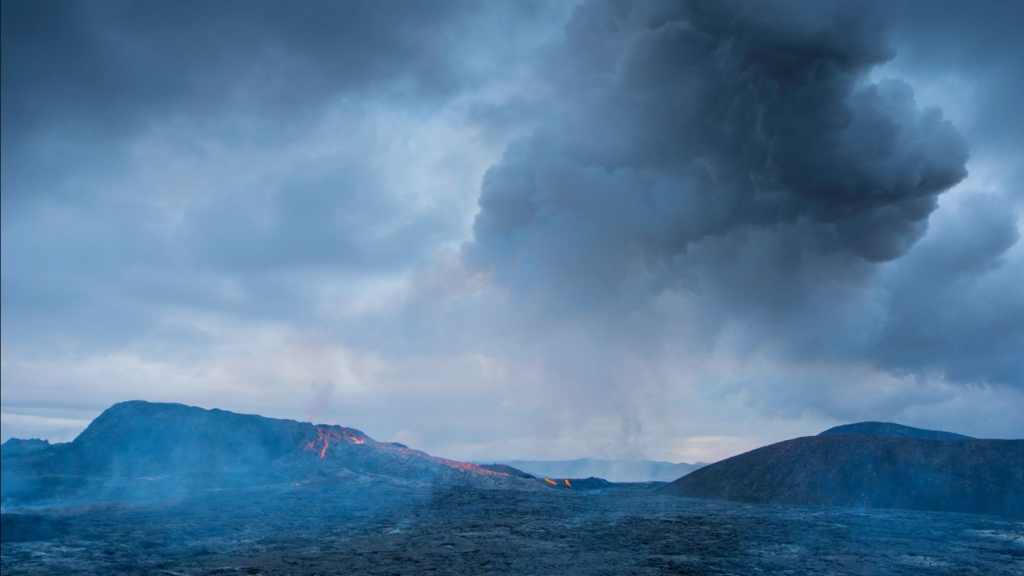
If you’re planning a campervan adventure in Iceland, you’ve probably heard about volcanic activity near Grindavík on the Reykjanes Peninsula.
Let’s cut through the headlines and give you the facts: At the time of writing, Iceland remains completely safe for travelers, and your campervan road trip can proceed as planned.
Here’s everything you need to know about the Grindavík volcanic situation, what it means for your Iceland adventure, and why campervan travel might actually be the smartest choice during periods of volcanic activity.
Quick Guide to Grindavík Volcanic Activity
- The most recent eruption at Sundhnúkur crater (July 16 – August 5, 2025) has ended, with no volcanic activity in the Grindavík area as of March 2026.
- Iceland’s Ring Road, Keflavík Airport, and all major tourist routes remain fully operational—volcanic activity is highly localized to the Reykjanes Peninsula near Grindavík.
- These are fissure eruptions that produce lava flows, not explosive ash clouds, meaning zero disruption to air travel and minimal impact on road access.
- Campervan travelers have maximum flexibility to adapt routes if needed, making motorhome rentals ideal during periods of geological activity.
- The Icelandic government maintains sophisticated monitoring systems and provides real-time updates through safetravel.is and vedur.is.
Current Volcanic Activity Status (March 2026)
As of March 2026, there is no active eruption in the Grindavík area. The most recent eruption at the Sundhnúkur crater row occurred from July 16 to August 5, 2025, lasting approximately 21 days before activity ceased. This was the ninth eruption in the Sundhnúkur volcanic system since December 2023, part of a new volcanic cycle that scientists expect to continue intermittently for decades or even centuries.
The eruption site is located on Iceland’s Reykjanes Peninsula, approximately 25 miles (40 km) southwest of Reykjavík and about 6 miles (10 km) north of the fishing town of Grindavík. While magma continues to accumulate beneath the Svartsengi area – indicating the possibility of future eruptions – the Icelandic Meteorological Office closely monitors all seismic activity and provides advance warnings when eruptions are imminent.
What This Means for Travelers: The Bottom Line
Here’s what you need to know if you’re planning to visit Iceland:
Flights operate normally. Keflavík International Airport remains fully operational. Unlike the 2010 Eyjafjallajökull eruption that produced massive ash clouds, Reykjanes fissure eruptions produce lava flows with minimal ash. This means no flight cancellations or airspace closures.
The Ring Road stays open. Iceland’s famous Route 1 (Ring Road) is unaffected by volcanic activity. All major tourist destinations from Jökulsárlón Glacier Lagoon to Akureyri remain accessible. The eruption site is localized to a specific area north of Grindavík.
Most of Iceland is completely unaffected. The volcanic activity impacts only a small section of the Reykjanes Peninsula. Popular destinations like the Golden Circle, South Coast waterfalls, Snæfellsnes Peninsula, and the Eastfjords continue welcoming visitors exactly as before.
Road closures are temporary and localized. When eruptions occur, authorities may temporarily close roads near Grindavík and the Blue Lagoon as a safety precaution. These closures are announced in advance, and alternative routes are clearly marked. Check road.is for real-time road status.
Why Campervan Travel Is Perfect During Volcanic Activity
If anything, traveling in Iceland by campervan during periods of volcanic activity offers unique advantages over traditional hotel-based trips. Here’s why we believe campervans are the smartest choice:
Maximum route flexibility. With a campervan, you’re not locked into fixed hotel reservations in specific towns. If a road temporarily closes near Grindavík, you simply adjust your route and explore a different region. This flexibility is impossible with pre-booked accommodations.
Self-contained and independent. Your campervan includes everything you need, including sleeping quarters, kitchen, and heating. You’re not dependent on finding alternative hotels if an area needs evacuation. You can easily relocate to any part of Iceland within hours.
Freedom to explore volcanic landscapes safely. Once authorities declare eruption sites safe for viewing (which happened with previous Fagradalsfjall and Reykjanes eruptions), campervan travelers can drive to designated viewing areas, spend as much time as they want, and move on when ready. You’re not tied to tour schedules.
Understanding Reykjanes Volcanic Activity: The Science Made Simple
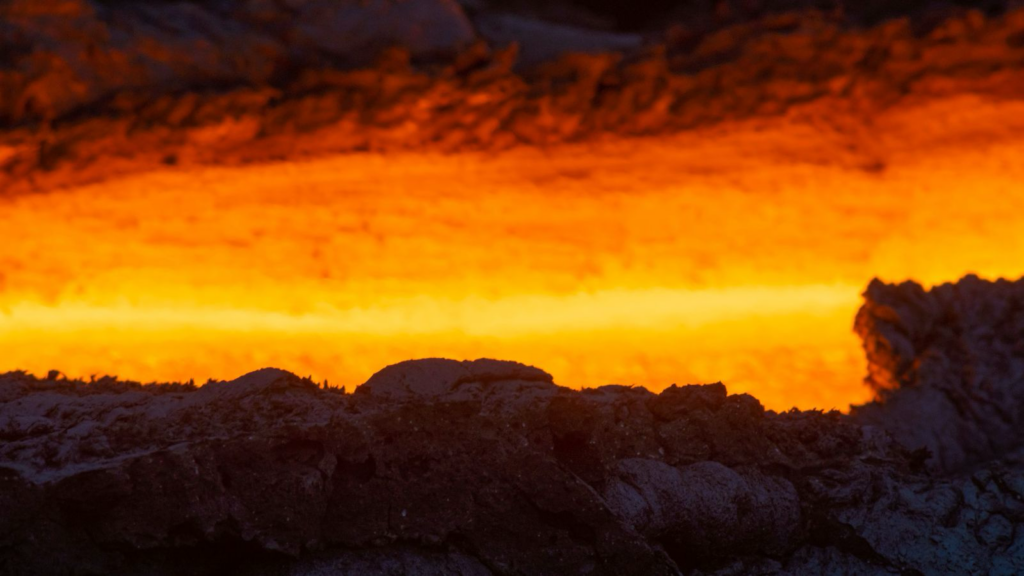
The Reykjanes Peninsula sits directly on the Mid-Atlantic Ridge, where the North American and Eurasian tectonic plates are pulling apart. This makes Iceland one of the most volcanically active regions on Earth and one of the safest places to experience volcanic activity up close.
What makes Reykjanes eruptions different?
- Fissure eruptions: These create long cracks in the ground where lava flows out relatively gently. They don’t explode violently or produce massive ash clouds like the 2010 Eyjafjallajökull eruption.
- Predictable patterns: Iceland’s sophisticated monitoring network detects magma movement days or weeks in advance. This gives authorities time to evacuate at-risk areas and close roads before eruptions begin.
- Localized impact: Lava flows are contained to specific areas. Protective barriers have successfully diverted lava away from critical infrastructure like the Svartsengi power plant and the town of Grindavík.
- No flight disruption: Because these eruptions produce minimal ash, air travel continues unaffected. The eruption plumes contain mostly water vapor and volcanic gases, which disperse quickly.
Scientists describe this period as ‘the new Reykjanes Fires,’ drawing parallels to a similar volcanic cycle that occurred in the 13th century and lasted for decades. This means periodic eruptions are likely to continue, but they’re manageable, predictable, and pose no threat to travelers who follow safety guidelines.
Frequently Asked Questions: Grindavík Volcano & Iceland Travel
Is it safe to travel to Iceland right now?
Yes, Iceland is completely safe for travelers. The volcanic activity is localized to a small area of the Reykjanes Peninsula near Grindavík. The rest of Iceland, including Reykjavík (just 25 miles/40km away), the Ring Road, Golden Circle, and all major tourist destinations operate normally. Icelandic authorities have extensive experience managing volcanic events and provide clear safety guidance. As of March 2026, there is no active eruption.
Will my flights be affected?
No, Keflavík International Airport remains fully operational during the Reykjanes eruptions. These fissure-style eruptions produce lava flows, not explosive ash clouds, so there’s no disruption to air travel. All flights operate on schedule, and the drive from the airport to Reykjavík (approximately 30 miles/50 km) is unaffected. Even during active eruptions, no flight cancellations have occurred.
Can I still visit the Blue Lagoon?
The Blue Lagoon’s status depends on current volcanic activity levels. During active eruptions near Grindavík, the lagoon temporarily closes as a precautionary measure and reopens once authorities confirm it’s safe. Check the official Blue Lagoon website for real-time status updates. If the Blue Lagoon is closed during your visit, Iceland has many alternative geothermal experiences, including Sky Lagoon, Mývatn Nature Baths, and numerous natural hot springs along the Ring Road.
What roads are affected by volcanic activity?
During active eruptions, authorities may temporarily close Route 43 (Grindavíkurvegur) and roads leading directly to Grindavík and the Blue Lagoon. These closures are announced in advance and clearly marked. Iceland’s Ring Road (Route 1) and all major tourist routes remain open. Alternative roads provide access around any closed areas. Check road.is for real-time road conditions and closures before traveling each day.
Should I buy travel insurance for my Iceland trip?
We always recommend comprehensive travel insurance that covers natural events and trip interruptions. While volcanic activity in Iceland is predictable and well-managed, insurance provides peace of mind. Look for policies that cover trip cancellation due to natural disasters, emergency evacuation, and accommodation changes. Not all standard travel insurance policies cover volcanic events, so be sure to check the policy wording.
Can I see the volcano eruption?
When eruptions occur, and authorities deem it safe, designated viewing areas are established. Previous Reykjanes eruptions attracted thousands of visitors who hiked to official viewpoints to witness glowing lava flows. However, these opportunities depend on current volcanic activity, wind conditions (to avoid toxic gas exposure), and official safety assessments. Never attempt to approach eruption sites outside marked viewing areas. Check safetravel.is for current access restrictions and guided tour availability.
How does Rent.is support customers during volcanic activity?
Our team monitors volcanic activity, road conditions, and official safety updates continuously. If situations change during your rental period, we provide 24/7 customer support to help you adjust your route, find alternative campsites, or address any concerns. We’ll never leave you without guidance. Our local expertise means we can suggest the best alternative routes and hidden gems if your original itinerary needs modification. Your safety and enjoyment are our top priorities.
Are campsites near Grindavík still open?
Campsite availability near Grindavík varies depending on current volcanic activity levels. During active eruptions, campsites in Grindavík and the immediately surrounding areas may temporarily close. However, Iceland has over 200 excellent campsites across the country, and campervans offer the flexibility to easily relocate to sites in Reykjavík, the South Coast, or other regions. We recommend checking campsite status on camping.info or contacting Rent.is for current recommendations based on your travel dates.
Practical Tips for Traveling in Iceland During Volcanic Activity
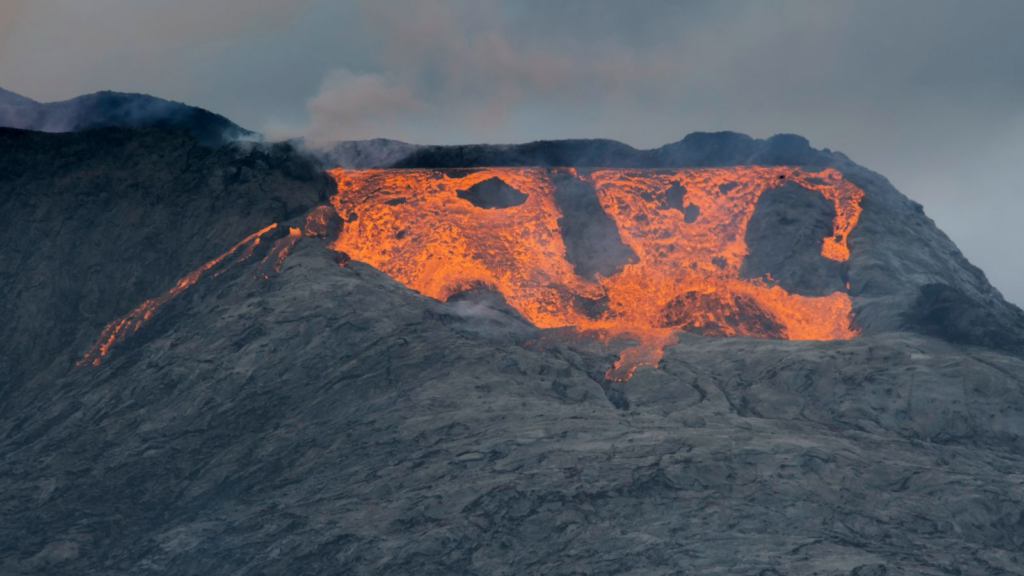
Stay informed with official sources. Bookmark these essential resources: safetravel.is (safety alerts and travel conditions), vedur.is (Icelandic Meteorological Office for earthquake and eruption updates), and road.is (real-time road closures and conditions). Check these during your trip.
Build flexibility into your itinerary. Rather than rigidly planning every day, leave room for alternative routes and spontaneous discoveries. If an eruption occurs and closes a road you planned to take, treat it as an opportunity to explore a different region of Iceland. With a campervan, you have complete freedom to adapt.
Respect all road closures and safety barriers. Icelandic authorities establish closures for your protection. Never drive around barriers or attempt to access restricted areas. Volcanic gases can be invisible and deadly, and lava flows can change direction quickly. Follow all posted signs and official guidance.
Keep your phone charged and bring a power bank. Staying connected allows you to check real-time updates and contact Rent.is support if needed, and access emergency services. Download offline maps before entering remote areas where cell coverage may be limited.
Pack layers and be prepared for changing conditions. Iceland’s weather is unpredictable regardless of volcanic activity. Bring waterproof outerwear, warm layers, and sturdy hiking boots. If you plan to visit any volcanic viewing areas (when open), long sleeves and closed-toe shoes are essential.
Where to Get Real-Time Updates
Iceland maintains some of the world’s most sophisticated volcanic monitoring systems. Here’s where to find reliable, up-to-date information:
- Icelandic Meteorological Office (vedur.is/en): Real-time earthquake data, eruption forecasts, and hazard assessments from Iceland’s official monitoring agency.
- Safetravel.is: Travel safety alerts, road closures, weather warnings, and official guidance for visitors in English.
- Icelandic Road Administration (road.is): Current road conditions, closures, and driving safety information updated continuously.
- Rent.is 24/7 Customer Support: Our local team monitors all official sources and provides personalized guidance for your specific route and travel dates. Call +354 567-3000 anytime.
Why Choose Rent.is for Your Iceland Campervan Adventure
When you rent a campervan from Rent.is, you’re not just getting a vehicle—you’re gaining a local partner who prioritizes your safety and experience. Here’s what sets us apart:
- 24/7 roadside assistance and support: No matter where you are in Iceland or at what time challenges arise, we’re available to help. Our team includes Icelandic locals who understand road conditions, weather patterns, and how to navigate changing situations.
- Real-time safety updates: We monitor volcanic activity, road closures, and weather conditions continuously and proactively reach out to customers if situations change that might affect their itineraries.
- Flexible booking with Book Now, Pay Later: Secure your campervan without immediate payment, giving you booking confidence even when planning months in advance during periods of volcanic uncertainty.
- Comprehensive vehicle features: All our campervans include heating systems for comfort, unlimited mileage for route flexibility, and complete kitchen equipment so you remain self-sufficient regardless of where your adventure takes you.
- Largest selection in Iceland: From economical 2-person campervans to spacious family motorhomes and rugged 4×4 campers for highland exploration, we have the right vehicle for your Iceland adventure.
- Airport convenience: Our rental office is just minutes from Keflavík Airport, making vehicle pick-up and drop-off seamless even if your flight schedule changes due to volcanic activity.
Ready to Explore Iceland Your Way?
Don’t let volcanic headlines stop you from experiencing Iceland’s incredible landscapes, Midnight Sun, Northern Lights, and endless adventures. The reality is simple: Iceland is safe, accessible, and waiting for you. Campervan travel offers the freedom, flexibility, and self-sufficiency that make exploring Iceland during any geological activity not just possible, but ideal.
Browse our complete selection of campervans, compare features and pricing, and book the perfect vehicle for your Iceland road trip. Have questions about volcanic activity, route planning, or which campervan suits your needs? Contact our team. We’re here to help you plan an unforgettable adventure.