
Quick Answer for Travelers
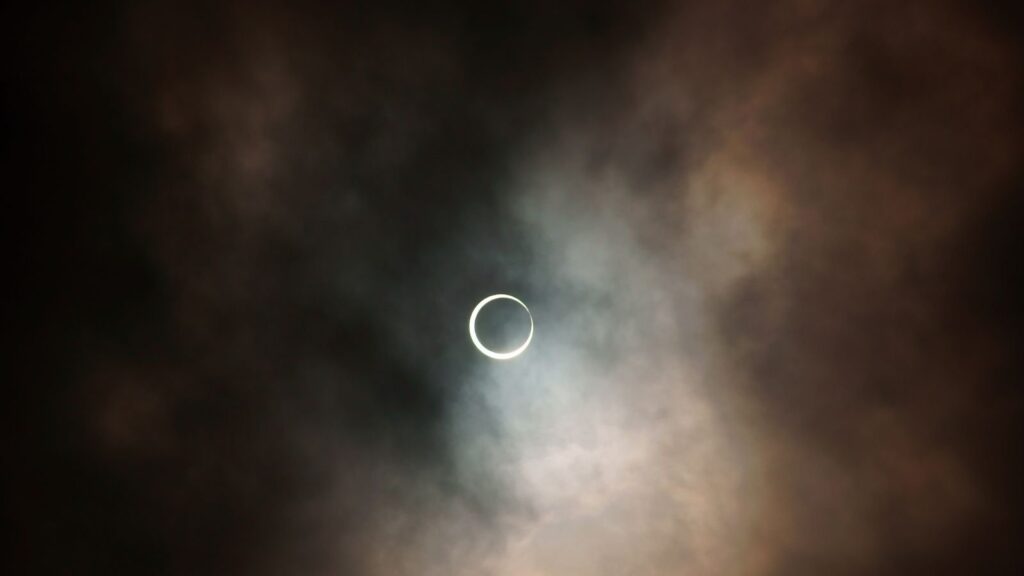
The Iceland solar eclipse happens on August 12, 2026, and parts of western Iceland will experience totality. For travelers, that means Iceland will be one of the most accessible places in Europe to experience a total solar eclipse while combining it with a road trip.
The key regions most travelers are considering include Reykjavík, Keflavík, the Reykjanes Peninsula, Snæfellsnes, and the Westfjords. Each offers a different balance of eclipse visibility, logistics, weather flexibility, services, campsite access, and driving requirements.
This guide is not only about the astronomy of the eclipse. It is about planning a practical Iceland trip around a rare event. The reality is that being inside the path of totality is only one part of a successful eclipse experience. You also need to think about where you will sleep, where you will park, how crowded a region may become, what happens if cloud cover moves in, and how much flexibility your travel style gives you.
One of the biggest advantages of a camper van trip is flexibility. If forecasts change a few days before the eclipse, you may have more options than travelers tied to a single hotel location. That does not mean mobility guarantees a clear view, but it can make adapting to conditions easier.
There is also an important safety consideration. Certified eclipse glasses or approved solar viewers are required whenever any part of the Sun remains visible. Ordinary sunglasses are not safe for eclipse viewing. Failure to protect your eyes properly can result in instant and severe eye injury.
From a Rent.is perspective, the most useful eclipse plan is not necessarily the one with the longest totality duration. The best viewing spot is only useful if you can reach it safely, park and sleep legally, and adjust if the weather changes.
If you are still deciding how to structure your trip, start with our guide to what to do in Iceland and our Iceland road trip guide before choosing a viewing region.
Start planning your Iceland eclipse road trip.
Solar Eclipse Terminology Explained
| Term | What It Means |
|---|---|
| Path of totality | The narrow area on Earth where the Moon completely covers the Sun during a total solar eclipse. Only observers inside this path can experience totality; everyone outside it sees a partial eclipse. |
| Totality | The brief phase of a total solar eclipse when the Moon fully blocks the Sun’s bright face. This is the only time it is safe to look directly at the eclipsed Sun without eclipse glasses. |
| Totality duration | The amount of time totality lasts at a specific location, usually measured in minutes and seconds. It is longest near the centerline and shorter toward the edge of the path. |
| Partial eclipse | The period before and after totality, when the Moon covers only part of the Sun. Eclipse glasses must be worn anytime the Sun is not completely covered. |
| Baily’s beads | Bright points of sunlight that appear just before totality begins and just after it ends. They happen because sunlight shines through valleys and low spots along the Moon’s edge. |
| Diamond ring effect | The brilliant flash that appears just before or just after totality, when one bright point of sunlight remains next to the glowing corona. It looks like a diamond on a ring. |
| Centerline | The middle of the path of totality, where totality usually lasts the longest. Locations farther from the centerline have shorter totality. |
| Solar corona | The Sun’s outer atmosphere, normally hidden by the Sun’s bright surface. During totality, it becomes visible as a pale white glow around the Moon. |
When Is the 2026 Solar Eclipse in Iceland?
The 2026 Iceland solar eclipse takes place on Wednesday, August 12, 2026. According to eclipse authorities, including NASA, the National Solar Observatory (NSO), and other official eclipse resources, the path of totality crosses parts of Iceland, making the country one of the most talked-about eclipse destinations for 2026.
But the date itself is only the starting point. Understanding the viewing window and how timing changes by location is equally important.
Basic Viewing Window
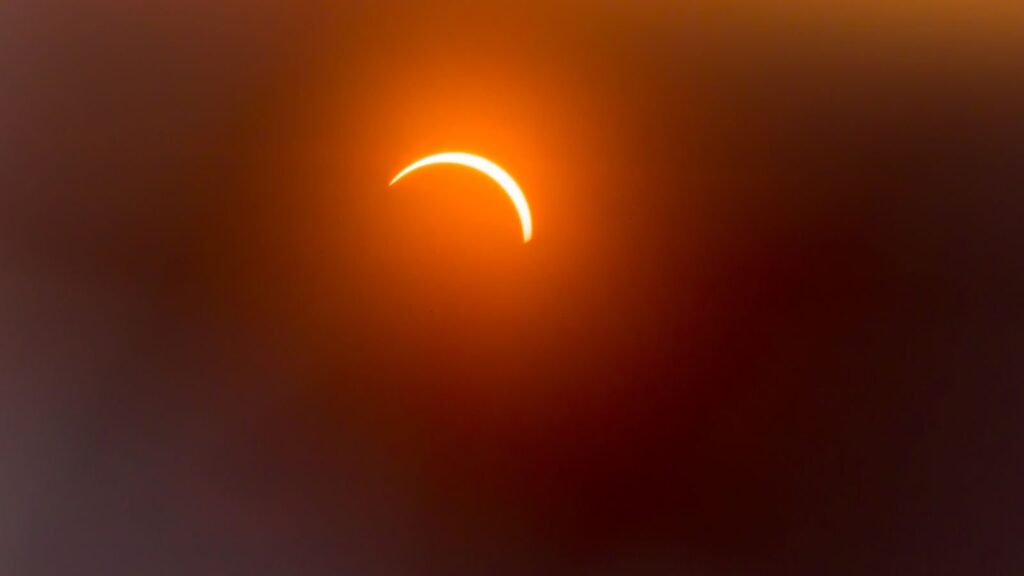
The eclipse is not a single moment. It starts with a partial eclipse, builds toward totality for viewers inside the path of totality, and then returns to a partial eclipse before ending.
For travelers, the most important timings are:
- When the partial eclipse begins
- When totality begins at your exact location
- How long totality lasts
- When the partial eclipse ends
There are also brief visual moments around totality, including Baily’s Beads and the Diamond Ring effect. These are part of the eclipse experience, but they happen quickly and should not change your route plan.
Because timing changes by location, travelers in Reykjavík, Reykjanes, Snæfellsnes, and the Westfjords will not all have the same viewing schedule. Check the timing for your exact viewing point before eclipse day, then plan to be parked, settled, and ready before the partial eclipse begins.
What Time Will the Eclipse Happen in Iceland?
Exact local timing depends on viewing location. Below are some popular locations with relevant average timings.
| Location | Partial Eclipse Begins | Totality Begins | Totality Duration | Partial Eclipse Ends |
|---|---|---|---|---|
| Reykjavík | 16:47 | 17:48 | 1m 03s | 18:47 |
| Keflavík | 16:47 | 17:48 | 1m 39s | 18:47 |
| Reykjanes Peninsula | 16:47 | 17:48 | 1m 46s | 18:48 |
| Snæfellsnes Peninsula | 16:45 | 17:46 | 1m 30s | 18:46 |
| Ísafjörður / Westfjords | 16:43 | 17:44 | 1m 32s | 18:43 |
How Long Will Totality Last?
Totality duration is not identical across Iceland.
Some locations closer to the centerline of the eclipse path may experience longer totality than locations closer to the edge of the path. This is one reason many eclipse-focused travelers are paying close attention to western Iceland.
Reykjavík is inside the path of totality, but some western locations, such as the Reykjanes Peninsula, may offer longer totality durations.
For most travelers, however, totality duration should be only one factor in the decision. A slightly longer eclipse may not justify a route that creates unrealistic driving demands, campsite complications, or difficult logistics.
The practical goal is to be in a location that balances eclipse visibility, weather options, legal parking, and a realistic travel plan.
Where Can You See the 2026 Total Solar Eclipse in Iceland?
One of the biggest misconceptions about the Iceland solar eclipse is that all of Iceland will experience totality.
That is not the case.
The path of totality crosses parts of western Iceland, while other parts of the country will experience a partial eclipse. Choosing the right region is therefore one of the most important decisions in your planning process.
The Path of Totality in Iceland, Explained Simply
According to official eclipse maps and projections, the eclipse path crosses western Iceland.
The locations most commonly discussed by travelers include:
- Westfjords
- Snæfellsnes Peninsula
- Reykjavík
- Keflavík
- Reykjanes Peninsula
Not every point within these regions experiences identical eclipse conditions, which is why travelers should use an authoritative eclipse map before selecting a final viewing area.
The important takeaway is simple:
Not all of Iceland is in totality.
Being in Iceland on eclipse day does not automatically mean you will experience totality. Your exact location matters.
Region Comparison Table
| Region | Totality Suitability | Best For | Planning Watch-Outs | Camper Van Note |
|---|---|---|---|---|
| Westfjords | Strong potential | Photographers, serious eclipse planners | Longer drives, fewer services, | Requires more planning flexibility, 4×4 recommended |
| Snæfellsnes | Strong balance | First-time visitors, road-trippers | Crowds, weather changes | Good balance of access and flexibility |
| Reykjanes | Good accessibility | Short trips | Demand near airport region | Easy arrival and departure logistics |
| Keflavík | Convenient | Airport-based travelers | Limited flexibility if fixed nearby | Works well for shorter stays |
| Reykjavík | Convenient totality option | Families and city-based travelers | Urban crowds and parking | Services nearby but less flexibility |
How to Choose Your Viewing Region
The best place to watch the eclipse depends on more than the totality duration. Weather, campsite availability, driving comfort, trip length, and logistics can all influence whether a location works well for your trip.
If photography is a major priority and you have enough time for a longer road trip, the Westfjords may be worth considering. If you are looking for a balance between eclipse potential, scenery, and accessibility, Snæfellsnes is likely to appeal to many first-time visitors. Travelers with shorter itineraries may prefer Reykjanes or Keflavík because of their proximity to the airport, while Reykjavík can be a practical choice for families or travelers who prefer city services and accommodation options.
The goal is to choose a viewing region that fits your travel style, allows for realistic backup plans, and helps you enjoy the rest of your Iceland trip.
Best Places to Watch the Iceland Solar Eclipse by Camper Van
A camper van gives you the freedom to build an eclipse trip around your own priorities. For some travelers, that means staying close to the airport and keeping logistics simple. For others, it means exploring western Iceland and building in more flexibility ahead of eclipse day.
Westfjords: Best for Serious Eclipse Planners
The Westfjords are likely to attract photographers, dedicated eclipse travelers, and visitors who want to position themselves in one of Iceland’s westernmost regions.
For many travelers, the appeal is obvious. The region is remote, dramatic, and away from the busiest tourist corridors. Depending on the final eclipse path data, western locations may also offer some of the strongest totality opportunities.
The trade-off is logistics. Distances are longer, services are more limited than in southwestern Iceland, and weather can have a greater impact on travel plans.
Travelers considering the Westfjords should think carefully about:
- Campsite availability
- Fuel planning
- Grocery access
- Road conditions
- Backup viewing options
A camper van can provide flexibility, but it does not eliminate the need for advance planning.
The most common mistake is underestimating how long driving actually takes. Roads in the Westfjords frequently follow the coastline of each fjord rather than cutting across them, which means short distances on a map can translate to an hour or more behind the wheel. Fuel gaps between stations can stretch to 93 miles (150 km) or more — fill up whenever you can, and never let the tank drop below half.
A 4WD vehicle is strongly recommended; many Westfjords roads are unpaved, run along cliff faces with no guardrails, and include blind summits where oncoming traffic appears with almost no warning. Weather can close roads quickly, and if a route is marked impassable, treat it as exactly that. On eclipse day specifically, travelers without a pre-planned viewing location risk spending totality searching for somewhere to pull over rather than watching the sky.
Best for: Photographers, experienced self-drive travelers, longer trips.
Snæfellsnes: Strong Balance for Many Self-Drive Travelers
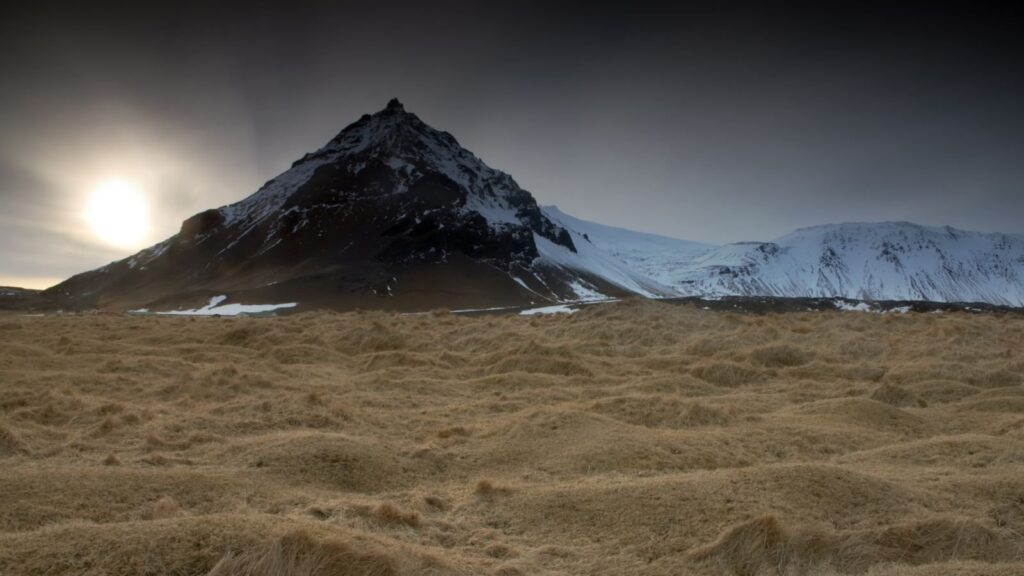
For many travelers, Snæfellsnes may offer one of the strongest combinations of scenery, access, and eclipse potential.
Compared with the Westfjords, it is easier to include in shorter itineraries while still offering a distinctly Icelandic road-trip experience. It also provides multiple route options and practical backup possibilities if forecasts change in the days leading up to the eclipse.
Travelers should still plan ahead for:
- Campsite demand
- Parking availability
- Weather changes
- Eclipse-day crowds
Snæfellsnes often appeals to travelers who want flexibility without committing to a more demanding route.
Best for: First-time visitors, couples, photographers, flexible road-trippers.
Reykjanes, Keflavík, and Blue Lagoon: Easiest Logistics
For travelers with limited time, Reykjanes and Keflavík offer some of the simplest eclipse logistics in Iceland.
Being close to Keflavík International Airport means less time spent driving and more time focused on the eclipse itself. This can work particularly well for travelers visiting Iceland for only a few days.
The Blue Lagoon area has also positioned itself as an eclipse destination, although it should be viewed as one fixed-location option rather than the default choice for all travelers.
Because these areas are likely to attract significant attention, travelers should expect higher demand and plan both parking and overnight stays carefully.
Best for: Short-stay travelers, airport-based itineraries, convenience-focused visitors.
Reykjavík: Convenient, but Not Always the Strongest Self-Drive Choice
Reykjavík offers convenience that few other Iceland locations can match.
Hotels, restaurants, grocery stores, services, and transportation are all readily available, making it an attractive choice for families and travelers who prefer a simpler trip.
At the same time, convenience does not automatically mean the strongest eclipse experience. Depending on the final eclipse path and totality calculations, some western locations may experience longer totality than Reykjavík.
That does not make Reykjavík a poor choice. It simply means travelers should choose it for the right reasons.
Best for: Families, short-stay visitors, travelers prioritizing convenience and services.
Should You See the Eclipse by Camper Van, Tour, Cruise, Hotel, or Rental Car?
One of the biggest decisions travelers face is not where to watch the eclipse, but how to structure the trip itself.
Many eclipse guides focus entirely on viewing locations. In reality, the travel format you choose can have a major impact on flexibility, comfort, and weather backup options.
Travel Format Comparison
| Travel Format | Best For | Strengths | Watch-Outs | Rent.is Planning Note |
|---|---|---|---|---|
| Camper Van | Flexible self-drive travelers | Route flexibility, accommodation and transport combined | Campsite planning required | Strong option for travelers who want backup plans |
| Guided Tour | Travelers who prefer organized logistics | No driving required | Less flexibility if weather changes | Good for visitors who do not want to self-drive |
| Cruise | Travelers seeking a packaged experience | Accommodation included | Fixed itinerary | Check route and viewing plans carefully |
| Hotel + Rental Car | Comfort-focused travelers | Familiar travel style | Less flexibility if forecasts change, higher costs than camper van rental alone | Works best with a carefully selected viewing region |
| Fixed Eclipse Event | Travelers wanting a single organized location | Simplicity | Limited mobility | Understand parking and access arrangements in advance |
When a Camper Van Makes the Most Sense
A camper van may be the right choice if:
- You want route flexibility
- You plan to explore Iceland before or after eclipse day
- You are comfortable using campsites
- You want weather backup options
- You are combining the eclipse with a broader Iceland road trip
A camper van can make adapting to changing conditions easier, but it still requires realistic planning.
Compare camper options for your eclipse route.
When a Tour, Cruise, or Hotel May Be Better
Not every traveler needs the flexibility of a camper van.
Tours may suit travelers who want logistics handled for them. Cruises may appeal to travelers who prefer a packaged experience. Hotels can work well for visitors who value comfort and plan to remain in one region.
The best choice depends on your travel style, not on what works for someone else.
How to Build a Flexible Weather Backup Plan
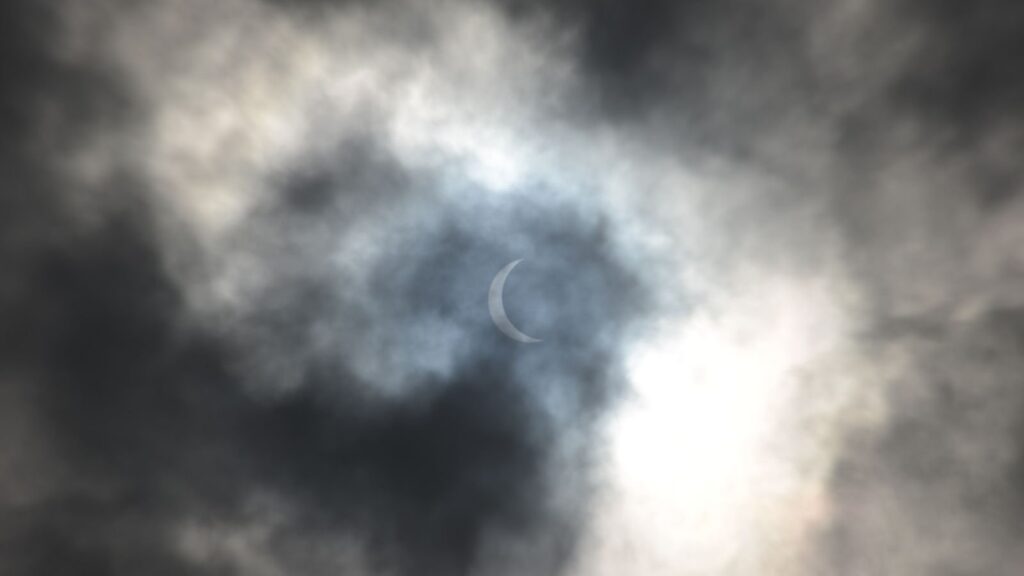
Cloud cover may be the single biggest variable affecting eclipse visibility in Iceland.
Why Cloud Cover Matters in Iceland
Even if you are standing inside the path of totality, cloud cover can affect what you see.
Weather conditions are part of every Iceland road trip, and eclipse travel is no exception. While forecasts become more reliable closer to the event, no viewing location can guarantee clear skies.
The 72-Hour Backup Framework
72 Hours Before
- Select a primary viewing region
- Select one realistic backup region
- Review campsite options
- Begin monitoring forecasts
24 Hours Before
- Compare cloud forecasts
- Check Road.is
- Review driving times
- Confirm overnight plans
Eclipse Morning
- Make any final route decisions early
- Avoid rushed repositioning
During the Eclipse Window
- Stay parked
- Prioritize safety
- Avoid last-minute location changes
Example Backup Logic
| Primary Region | Potential Backup |
|---|---|
| Reykjavík / Reykjanes | Snæfellsnes |
| Snæfellsnes | West Iceland or Reykjanes |
| Westfjords | Alternative local Westfjords locations |
The best backup plan is one that remains realistic if weather conditions change.
Where Can You Legally Sleep in a Camper Van During the Eclipse?
One of the most important planning considerations is overnight accommodation.
Legal Overnight Basics
A camper van does not allow you to sleep anywhere you choose.
Travelers should use legal campsites and approved overnight facilities. Eclipse travel does not change Iceland’s camping rules, and visitors should plan accordingly.
It’s worth exploring the Iceland Camping Card scheme before you decide where to stay. The scheme can be useful for camper van travelers planning multiple campsite nights, but you still need to check which campsites participate, what facilities they offer, and whether they are suitable for your eclipse route.
Campsite Planning Checklist
Before eclipse day, confirm:
- Campsite location
- Fuel availability
- Food supplies
- Toilet access
- Legal parking options
- Weather forecast
- Road conditions
What Not to Do on Eclipse Day
Do not:
- Stop on road shoulders
- Block gates or access roads
- Drive off-road
- Assume remote land is available for wild camping
- Leave overnight planning until the last minute
Remember that your viewing location and overnight location may not be the same place. Plan both separately.
Do You Need a 4×4 Camper Van for the Iceland Eclipse?
One of the most common questions travelers ask is whether they need a 4×4 camper van for an Iceland eclipse trip.
The answer depends entirely on your route.
Not every Iceland route needs a 4×4. Many eclipse travelers will spend most of their trip on paved roads and major travel routes around Reykjavík, Reykjanes, Snæfellsnes, and other accessible parts of western Iceland. For those travelers, a standard camper van may be perfectly suitable.
A 4×4 becomes more relevant when your wider Iceland itinerary includes F-roads, Highland access, or other routes where road conditions and vehicle requirements differ.
It is worth noting that the 2026 eclipse path crosses parts of western Iceland rather than the central Highlands. Travelers heading into the Highlands on August 12 may still see a partial eclipse, but those planning specifically for totality should focus on viewing regions within the path of totality.
Match the Camper Van to the Route
Before choosing a vehicle, think about where you actually plan to go.
| Route Type | 2WD Suitability | 4×4 Suitability | Planning Notes |
|---|---|---|---|
| Reykjavík & Reykjanes | Excellent | Optional | Main roads and easy access |
| Keflavík Region | Excellent | Optional | Suitable for most travelers |
| Snæfellsnes Peninsula | Generally suitable | Optional | Depends on wider itinerary |
| Westfjords | Route dependent | Often helpful | Check road conditions and route plans |
| Highlands & F-Roads | Not suitable | Required | Only accessible with the correct vehicle and conditions |
The eclipse itself does not create a need for a 4×4. Your route may.
For many travelers, the most important decision is not whether a vehicle is 2WD or 4×4. It is whether the vehicle matches the places they actually want to visit.
F-Roads, Highlands, and Off-Road Driving
F-roads are mountain roads that provide access to parts of Iceland’s Highlands. These roads have specific vehicle requirements and seasonal opening periods.
It is important to understand the difference between:
- Paved roads
- Gravel roads
- F-roads
- Illegal off-road driving
Many gravel roads in Iceland can be driven without a 4×4, depending on conditions. F-roads generally require an appropriate 4×4 vehicle.
Off-road driving is illegal in Iceland and should never be considered as part of an eclipse trip or any other road trip.
Travelers planning Highland routes should always check Road.is and SafeTravel guidance before departure.
Questions to Ask Before Choosing a Camper Van
Before selecting a vehicle, ask yourself:
- Which region am I planning to watch the eclipse from?
- Will I stay primarily on paved roads?
- Am I planning to visit the Highlands or any F-roads?
- How many people are traveling?
- How much luggage or photography equipment am I bringing?
- How many nights will I spend in the camper van?
The best camper van is not necessarily the biggest or most capable vehicle. It is the one that fits your route, travel style, and comfort requirements.
Choosing the Right Vehicle for Your Eclipse Route
For couples or solo travelers keeping to western Iceland’s main roads, the VW Caddy Camper is a practical and comfortable starting point — easy to maneuver, well-equipped, and well-suited to the Reykjanes and Snæfellsnes routes most eclipse travelers will use.
Travelers planning to spend time in the Westfjords should take the vehicle question seriously; the Dacia Duster 4×4 with rooftop tent offers Highland-capable 4WD in a compact package that handles unpaved roads and blind-summit passes without the bulk of a larger motorhome.
For families or small groups, the Renault Master 5 sleeps five and brings the kind of space and storage that makes a multi-day eclipse trip genuinely comfortable rather than just manageable.
Check camper van availability for August 2026.
3-, 5-, 7-, and 10-Day Iceland Eclipse Camper Van Route Ideas
The right eclipse itinerary depends on how much time you have available and how much flexibility you want to build into the trip.
The examples below are not fixed itineraries. Think of them as route frameworks that can be adjusted as weather forecasts and travel plans evolve.
3-Day Route: Reykjavík and Reykjanes
Best for: Short trips, city breaks, convenience-focused travelers
A three-day trip works best when you keep driving distances manageable.
Suggested framework:
- Day 1: Arrive at Keflavík Airport and explore Reykjanes
- Day 2: Eclipse day in Reykjanes or Reykjavík region
- Day 3: Reykjavík sightseeing and departure
Watch-outs:
- Limited flexibility
- Potential crowding
- Higher demand for nearby campsites and accommodation
Travelers should ideally arrive at least one day before eclipse day rather than attempting to watch the eclipse immediately after landing.
5-Day Route: Reykjavík, Snæfellsnes, and Reykjanes
Best for: First-time Iceland visitors
This route balances flexibility with manageable driving distances.
Suggested framework:
- Arrival in Reykjanes
- Travel to Snæfellsnes
- Eclipse viewing in Snæfellsnes or backup region
- Return through West Iceland
- Departure via Keflavík
If time allows, some travelers may choose to add portions of the Golden Circle.
7-Day Route: Snæfellsnes, West Iceland, and the South Coast
Best for: Travelers wanting the eclipse plus classic Iceland highlights
A week provides more room for weather backup planning and sightseeing.
Suggested framework:
- Reykjanes arrival
- Snæfellsnes base
- Eclipse viewing day
- West Iceland exploration
- South Coast extension
- Return to the Reykjavík area
The biggest advantage of a seven-day trip is flexibility. Travelers can avoid overcommitting to a single region while still seeing several of Iceland’s most popular areas.
10-Day Route: Westfjords or Ring Road Extension
Best for: Photographers and serious self-drive planners
Ten days allow travelers to consider either a Westfjords-focused route or a broader Ring Road journey.
Westfjords travelers gain access to more remote scenery and potentially stronger eclipse-focused positioning.
Ring Road travelers can combine the eclipse with a larger Iceland road trip, provided they allow enough time and avoid rushing between regions.
The goal is not to see everything. The goal is to build a realistic route that leaves room for weather adjustments and a more enjoyable travel experience.
What to Pack and Prepare for Eclipse Day
Good eclipse planning starts before eclipse day itself.
The best viewing locations become much less enjoyable if you arrive unprepared, without weather layers, fuel, food, or the correct viewing equipment.
Eclipse Viewing Safety
Certified eclipse glasses or approved solar viewers are required whenever any part of the Sun remains visible. Ordinary sunglasses are not safe for solar viewing and should never be used as a substitute.
Travelers planning to photograph the eclipse should also ensure any camera equipment uses appropriate solar filters and follows manufacturer recommendations.
Camper Van Eclipse-Day Checklist
Before heading to your viewing location, make sure you have:
- Eclipse glasses (ISO 12312-2 certified)
- Warm layers
- Waterproof outer layers
- Food and drinking water
- Fuel for the day
- A confirmed overnight plan
- Offline maps
- Weather forecast updates
- Road.is updates
- Safe parking arrangements
- Waste disposal and restroom planning
One of the simplest ways to reduce stress on eclipse day is to complete all major logistics beforehand.
Preparation Tips for Photographers and Families
Photographers should:
- Scout locations early
- Confirm legal parking
- Prepare for wind and rain
- Protect equipment from moisture
Families should:
- Prioritize warmth and comfort
- Bring extra food and water
- Identify nearby restroom facilities
- Keep eclipse glasses accessible
Whether you are traveling with a camera or young children, the same principle applies:
Complete your driving, parking, and campsite decisions before the eclipse viewing window begins.
Read the Iceland camper van packing list before you go.
What Else to Do in Iceland Around the 2026 Eclipse
Most travelers are not visiting Iceland solely for the eclipse.
The event often becomes the centerpiece of a broader road trip, giving visitors an opportunity to explore different regions before and after eclipse day.
If You Base Around Reykjavík or Reykjanes
Travelers staying near Reykjavík or Reykjanes can combine the eclipse with several of Iceland’s most accessible experiences.
Popular options include:
- Reykjavík sightseeing
- The Golden Circle
- Reykjanes Peninsula exploration
- Geothermal areas
- Blue Lagoon visits
- Museums, food, and cultural attractions
This approach works well for travelers who prefer simpler logistics and shorter driving distances.
If You Base Around Snæfellsnes
Snæfellsnes is often described as a region that offers a little bit of everything Iceland is known for.
Travelers can combine eclipse planning with:
- Snæfellsjökull National Park
- Coastal viewpoints
- Scenic driving routes
- Grundarfjörður
- Kirkjufell and surrounding areas
Things to be aware of include changing weather, limited parking at popular attractions, and campsite demand.
If You Extend to the Westfjords or Ring Road
Travelers with more time may choose to extend their trip beyond western Iceland.
The Westfjords can reward travelers willing to invest additional driving time and planning effort.
A longer Ring Road journey can also work, provided the eclipse remains the anchor point of the itinerary rather than an afterthought.
Trying to combine the eclipse with an overly ambitious route often creates unnecessary stress.
Events, Festivals, and Fixed Experiences
Several organizations and tourism operators are expected to offer eclipse-related events and viewing experiences. However, travelers should verify event details directly with organizers before making decisions. Some of the events being held include:
- Iceland Eclipse: 11-15 August 2026
- Total Solar Eclipse at Sky Lagoon: 12 August 2026
- Total Solar Eclipse at the Blue Lagoon: 12 August 2026
Fixed-location events can be convenient, but they also reduce flexibility if weather forecasts change.
Can You See the Northern Lights During an Eclipse Trip?
Travelers sometimes assume an August eclipse means they will automatically see the Northern Lights as well.
These are two separate experiences.
A total solar eclipse briefly darkens the sky during the day, but it does not create nighttime conditions.
August is also not typically considered the main Northern Lights travel season.
Travelers interested in aurora viewing should treat that as a separate trip-planning decision rather than a core part of an eclipse itinerary.
FAQs About Planning an Iceland Solar Eclipse 2026 Trip
How Early Should I Book a Camper Van for the 2026 Iceland Eclipse?
The 2026 eclipse is expected to attract significant international interest, particularly in western Iceland. Travelers planning to visit during August 2026 should start researching routes, vehicle options, and accommodation well in advance.
This is especially true for larger camper vans, family vehicles, and 4×4 campers. However, avoid making decisions based purely on availability concerns. The most important thing is choosing the right vehicle and route for your trip.
Is Snæfellsnes or Reykjanes Better for the Eclipse?
Neither region is automatically better for every traveler.
Snæfellsnes may appeal to travelers looking for a more traditional Iceland road-trip experience with scenic driving and multiple route options. Reykjanes may suit travelers who want easier airport access, shorter driving distances, and simpler logistics.
The better choice often depends on weather forecasts, trip length, campsite plans, and how much flexibility you want before eclipse day.
Can I Plan an Eclipse Trip Without a Tour?
Yes. Many travelers will experience the eclipse independently using a rental car or camper van.
The key requirements are careful planning, legal overnight arrangements, eclipse-safe viewing equipment, weather monitoring, and realistic route choices.
Independent travel can work very well for travelers who are comfortable making their own decisions and adapting plans if conditions change.
What Sources Should I Check Before Eclipse Day?
A few official sources should become part of your planning routine in the days before the eclipse:
- An authoritative eclipse timing and path map
- The Icelandic Meteorological Office forecast
- Road.is for road conditions
- SafeTravel for travel advisories
- Campsite information for your chosen region
Using multiple sources helps create a more informed and realistic plan.
What Should I Do if Roads or Parking Areas Are Crowded?
The best solution is usually preparation rather than reacting at the last minute.
Arrive early, use legal parking areas, and avoid blocking roads, farm entrances, or emergency access routes.
If your primary viewing location becomes busier than expected, a backup plan prepared in advance is usually safer than trying to improvise on eclipse day.
Is an Iceland Eclipse Trip Suitable for Families?
Yes. Many families are expected to travel to Iceland for the eclipse.
For families, convenience often matters more than chasing the longest possible totality duration. Reykjavík, Reykjanes, and accessible parts of Snæfellsnes may be easier options than more remote areas.
When planning with children, prioritize food, restrooms, warmth, safe parking, and realistic driving distances.
Is an Iceland Eclipse Trip Suitable for Photographers?
Absolutely. The combination of dramatic landscapes and a total solar eclipse is likely to attract photographers from around the world.
That said, successful eclipse photography depends on more than scenery. Weather planning, legal parking, route flexibility, and location scouting are often just as important as camera equipment.
Photographers considering the Westfjords or more remote locations should build additional planning time into their itinerary.
Can I Change My Route if the Weather Forecast Looks Bad?
One advantage of a camper van trip is that it can make changing regions easier than staying in fixed accommodation.
However, flexibility should not be confused with unlimited mobility.
Any route change still needs to be realistic, safe, legal, and supported by road conditions, campsite availability, and available driving time.
The best backup plans are usually the ones prepared before eclipse day rather than decisions made at the last minute.
Plan the Eclipse Around the Route, Not Just the Map
The 2026 Iceland solar eclipse offers travelers a rare opportunity to combine a major astronomical event with one of the world’s most rewarding road-trip destinations.
But the best eclipse plan is not simply about standing somewhere inside the path of totality.
Successful trips balance several factors: choosing the right viewing region, building a weather backup plan, arranging legal overnight stays, monitoring road conditions, finding safe parking, and selecting a vehicle that matches the route.
For independent travelers, a camper van can provide valuable flexibility before and after eclipse day. It allows you to explore different regions, adapt to changing forecasts, and combine the eclipse with a wider Iceland adventure.
Whether you choose Reykjavík, Reykjanes, Snæfellsnes, or the Westfjords, the goal is the same: create a realistic trip that gives you the best chance of enjoying both the eclipse and the journey around it.
Compare camper options for your August 2026 eclipse route, or start with our Iceland road trip guide if you are still deciding which region fits your trip best.
Quick Trip Summary
- The Iceland solar eclipse takes place on August 12, 2026.
- Totality will be visible in parts of western Iceland.
- Key planning regions include Reykjavík, Keflavík, Reykjanes, Snæfellsnes, and the Westfjords.
- The best viewing location depends on more than totality duration. Weather, access, campsites, driving comfort, and backup options all matter.
- A camper van can provide more flexibility than fixed accommodation, but legal overnight planning still applies.
- Travelers should prepare eclipse glasses, monitor weather forecasts, check road conditions, and build a realistic backup plan.
- Not every eclipse route requires a 4×4. Choose a vehicle based on your route, not assumptions.
- Plan your viewing location, overnight location, parking, and campsite arrangements before eclipse day.