
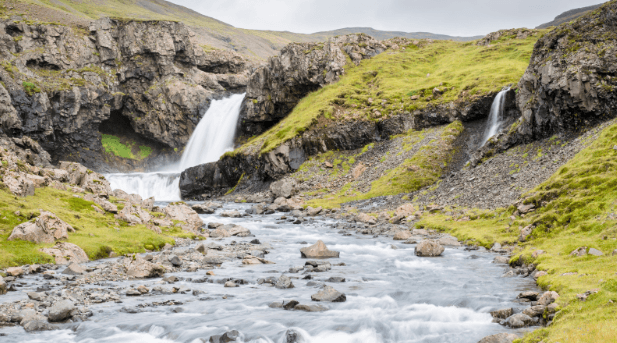
August is Iceland’s most accessible month. All roads are open, the weather is at its best, and daylight is still generous. If you’ve been weighing up when to go, this is the month that delivers the fewest trade-offs, and for travelers who want to reach the Highlands, it’s the clearest window of the year.
That said, August is also peak season. Campsite spots fill up, popular trails get busy by mid-morning, and the spontaneous “just pull over anywhere” experience requires a bit more planning than it does in May or June. A camper van won’t eliminate the crowds, but it does give you the flexibility to move on your own schedule: start early, arrive late, and stay somewhere quieter than wherever everyone else booked.
Is August the Right Time for You to Visit Iceland?
| Pros | Cons |
|---|---|
| Warmest temperatures of the year | Peak season crowds at major sites |
| All F-roads and Highlands open | Campsites must be booked ahead |
| Long, usable daylight hours | Puffin season ends mid-August |
| Full access to Ring Road and beyond | Accommodation fills up fast |
| Northern Lights possible late month | Not reliable for Northern Lights until very late August – and even then the chances are small |
| Best conditions for hiking and camping | Higher rental and accommodation prices |
What’s the Weather Like in Iceland in August?
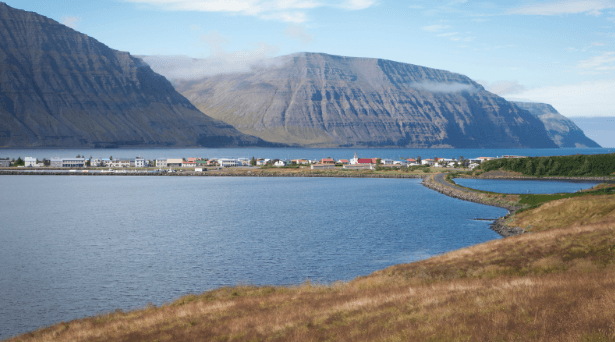
August is one of Iceland’s warmest months, with average daytime temperatures of 11–14°C (52–57°F) in the south and around 8–10°C (46–50°F) in the north and highlands. Reykjavík typically sees highs of around 13°C (55°F). Rain is still a regular part of the picture (Iceland’s weather changes fast and frequently), but August tends to bring more dry spells than June or July. Wind is the constant you plan around; a calm day feels like a gift.
Check current and forecast conditions at vedur.is before you travel and every morning before hitting the road.
June-September Temperature Comparison — South Iceland
The figures below focus on south Iceland, specifically the area around Reykjavík and the South Coast. This is where most camper van routes begin and where the majority of travelers spend most of their trip, so it’s the most practical reference point. Temperatures in the north and Highlands will typically run 2–4°C (3–7°F) cooler.
| Month | Average High | Average Low | Avg. Rainfall |
|---|---|---|---|
| June | 12°C (54°F) | 7°C (45°F) | 50mm (2.0 in) |
| July | 13°C (55°F) | 8°C (46°F) | 52mm (2.0 in) |
| August | 14°C (57°F) | 9°C (48°F) | 56mm (2.2 in) |
| September | 10°C (50°F) | 6°C (43°F) | 66mm (2.6 in) |
Pack for all four seasons regardless of the forecast. A dry morning can turn into a sideways rain shower by noon. More on that in the packing section below.
How Much Daylight Does Iceland Have in August?
At the start of August, Iceland sees up to 18 hours of daylight, with the sun barely dipping below the horizon overnight. By the end of the month, that drops to roughly 16–17 hours, and true darkness starts to creep back in after weeks of near-constant light.
For road trippers, this is one of August’s underrated advantages. You’re not racing against sunset. If you want to reach Landmannalaugar before the tour buses arrive, leaving camp at 6 AM in full light is completely realistic. The same logic applies the other way: a hot spring at 10 PM, still bathed in golden hour light, is an August experience you won’t find in October.
The flip side is that sleeping in a camper van requires blackout blinds or a decent eye mask — the light doesn’t cooperate if you want an early night.
Are F-Roads Open in August?
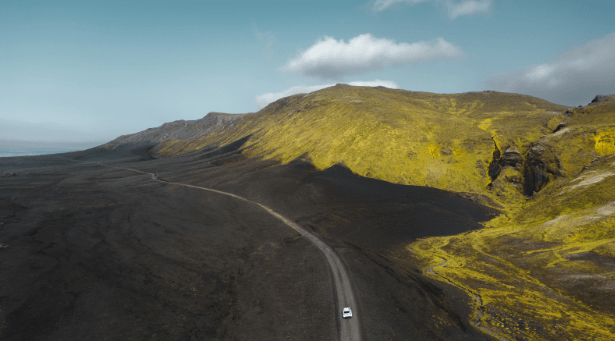
Yes. August is the best month of the year for F-road access. The Highland roads, designated with an “F” prefix, are typically fully open by late June and remain passable through August and into early September, depending on conditions. This means destinations like Landmannalaugar, Þórsmörk (Thorsmork), Kjölur, and the Sprengisandur route are all within reach.
F-roads require a 4×4 vehicle. They are not suitable for standard 2WD camper vans, and attempting them in the wrong vehicle can void your rental insurance and cause serious damage. If the Highlands are on your itinerary, you need a camper van that’s rated for Highland access.
Always check road.is for the current F-road status before setting out. Conditions can change after rainfall, and the official road authority’s guidance is the only source worth trusting.
See our full guide to driving the Highlands for route-by-route detail.
Can You See the Northern Lights in August?
It’s unlikely. The Northern Lights require darkness, and for the vast majority of August, Iceland simply doesn’t have enough of it. The sky stays too bright, even at midnight, for aurora activity to be visible, and that remains true for most of the month.
Darkness begins returning in the final week of August, but even then, the window is short, and conditions need to align precisely: clear skies, low light pollution, and sufficient solar activity. September is when Northern Lights sightings become meaningfully more reliable, and the odds continue to improve through autumn and into winter.
If catching the aurora is a priority for your trip, August is not the month to plan around it. Late September onwards is a far stronger bet. For the full picture on timing and forecasting, read our guide to the Northern Lights in Iceland.
How Busy Is Iceland in August?
Very busy – think peak tourist season. And the numbers show it: the most-visited sites on the Ring Road (Skógafoss, Seljalandsfoss, the Diamond Beach at Jökulsárlón) are busiest between 10am and 4pm. Tour buses operate on tight schedules and tend to cluster at the same windows.
A camper van changes the calculus. You can be at Seljalandsfoss at 7am when the light is better, and the parking lot is empty. You can push on to a quieter campsite when the one at the popular waterfall is full. You set the itinerary, not a tour group.
Campsite Booking in August is Non-Negotiable
The most popular sites fill quickly, particularly along the south coast and in the Highlands. Book ahead through the Iceland Camping Card or directly via individual campsites. Our full guide to campsites in Iceland covers the best options by region.
Campsite booking advice: Book your first and last nights as early as possible — these are your arrival and departure anchors. For nights in between, booking 2–3 days in advance is generally enough to secure a spot, though the most popular South Coast sites can fill further ahead in peak weeks. Keep the camping card app or booking confirmation accessible on your phone.
What to Pack for Iceland in August
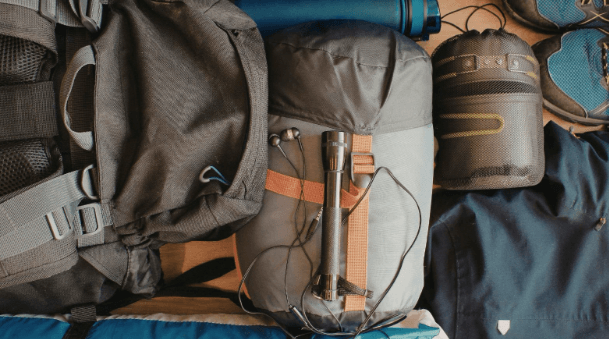
August feels like summer, but Iceland’s weather doesn’t commit to it. Pack with the assumption that you’ll encounter warm sun, cold wind, and rain — sometimes in the same afternoon.
Clothing
- Waterproof jacket and pants (essential, not optional)
- Fleece or mid-layer for evenings and highland days
- Lightweight merino base layers (regulate temperature and dry fast)
- Sturdy waterproof hiking boots
- Warm hat and gloves (especially for highland excursions)
- Swimwear for hot springs and geothermal pools
Gear
- Blackout eye mask or blinds for sleeping in daylight
- Sunscreen (UV levels can be deceptive under cloud cover)
- Reusable water bottle (tap water across Iceland is excellent)
- Portable power bank
- Offline maps downloaded before you leave
Practical
- Campsite bookings confirmed before departure
- Road.is and vedur.is bookmarked
- Cash for sites that don’t accept cards (rare but worth having)
For a more in-depth version, see our Iceland packing list.
Best August Camper Van Routes
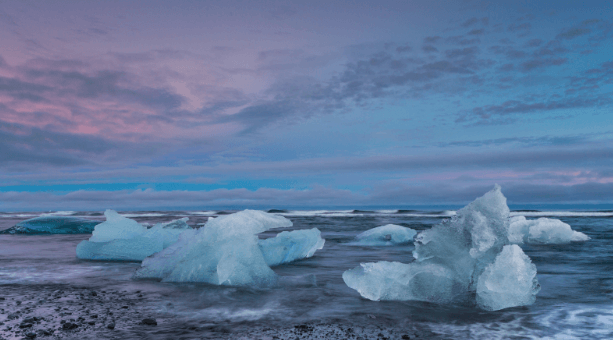
August is the best month to attempt Iceland’s more demanding routes, because both access and conditions are at their peak.
The Ring Road (Route 1) The classic 1,332 km (828-mile) loop around Iceland takes 7–10 days at a comfortable pace. Every section is paved and accessible to all camper vans, regardless of drive type. August is ideal: daylight is generous, the weather is at its best, and every attraction along the route is open. See our full Ring Road guide for a day-by-day breakdown.
The Highlands: Kjölur Route (F35) The most accessible Highland route runs 200 km (124 miles) through the interior, connecting the north and south without requiring serious river crossings. It passes Hveravellir, a geothermal oasis with hot pools and basic camping, and offers the kind of raw, remote landscape that the Ring Road can’t match. A 4×4 is required.
South Coast and Highlands Combined Start with the South Coast — waterfalls, black sand beaches, glacier lagoon — then cut north through Þórsmörk or via the Fjallabak route to the Highlands. This combination gives you Iceland’s most photogenic landscapes alongside its most remote. Allow at least 8–10 days. A 4×4 is required for the Highland section.
Find out more about summer in Iceland and route planning ideas.
Which Camper Van Works Best for August?
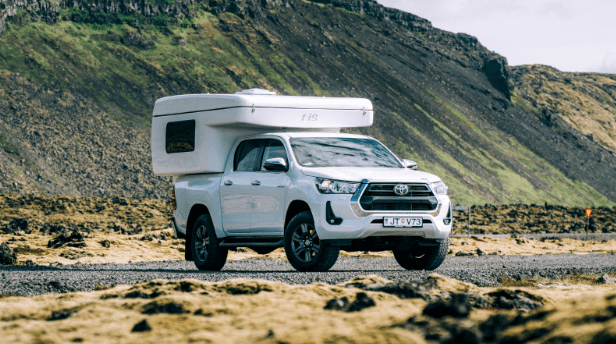
The right choice depends on where you’re going and how many of you there are.
For couples on the Ring Road or the south coast
Fiat Doblo Maxi or VW Caddy Camper
Both are compact, easy to drive, and well-equipped for a two-person trip on paved roads. The Caddy Automatic is a strong pick if you’re new to Iceland or unfamiliar with manual driving in challenging conditions.
For couples heading to the Highlands
Dacia Duster 4×4 Roof Top Tent or Jeep Renegade 4xe
Both are F-road rated, seat up to 5, and come with roof top tents. The Duster is a 2026 model — new to the fleet. The Jeep Renegade is automatic, which is worth considering on rougher Highland terrain.
For families or groups of 4–5
Renault Master 5 or Toyota Hilux 4×4 Camper
The Master 5 sleeps and seats five and is the best-value family option for Ring Road travel. The Hilux is the Highland-capable group vehicle — 4×4, automatic, seats and sleeps four, and built for Iceland’s tougher terrain.
For a premium experience
VW California 4×4 or VW California Beach 2026 Hybrid
Both VW Californias offer a more finished, comfortable interior with Highland capability. The 2026 Hybrid is the newest vehicle in the fleet — ideal for travelers who want comfort without compromising access.
Browse the full lineup and check availability: browse our camper vans
Things to Do in Iceland in August
August sits in a sweet spot: the weather is at its most cooperative, every attraction is open, and the Highlands are fully accessible. Here’s what’s worth prioritizing.
Hike the Highlands
August is the only reliable window for hiking Iceland’s interior. Landmannalaugar, famous for its multicolored rhyolite mountains and natural hot springs, is the most popular base, with trails ranging from short walks to multi-day routes. Þórsmörk offers dramatic valley scenery with glacier views on three sides. Neither is accessible without a 4×4, and neither disappoints.
Walk on a Glacier
Glacier hiking is possible year-round on Vatnajökull and Sólheimajökull, but August conditions are among the safest for guided walks on the ice. Several operators run tours from the south coast, typically requiring no previous experience.
Watch Puffins – But Move Quickly
Iceland’s puffin colonies are active through summer, but August marks the end of the season. Most puffins begin leaving their clifftop burrows from mid-August onwards. The Westfjords, Vestmannaeyjar (Westman Islands), and Látrabjarg cliffs are the best spots — if puffins are on your list, don’t leave it until the last week of the month.
Soak in Geothermal Pools
Hot pots and geothermal pools are a year-round fixture of Icelandic life, but there’s something particularly good about an outdoor soak after a day of hiking in August. Beyond the Blue Lagoon, look for natural pools like the one at Hveravellir in the Highlands, or the lesser-known Seljavallalaug tucked into a valley near Skógar.
Drive the Ring Road
August is one of the best months to tackle the full 1,332 km (828-mile) loop. Long daylight, stable road conditions, and every stop along the route fully open make this the most complete version of the Ring Road experience.
Plan Your August Trip to Iceland
August gives you Iceland at its most open and its most accessible. The weather won’t always cooperate (it rarely does), but the conditions for a road trip are as good as they get: long days, all roads open, and the full range of landscapes within reach.
The key is getting ahead of the crowds rather than fighting them. Book your camper van early, reserve your campsites before you land, and build enough flexibility into your itinerary to move when and where you want. That’s where a camper van earns its keep — not just as a place to sleep, but as the thing that keeps your options open.
Frequently Asked Questions
Is August a good time to visit Iceland?
Yes, it’s the single best month for access. Temperatures are at their warmest, all F-roads are open, and daylight is still long. The main trade-off is that August is peak season, so campsites and popular sites are busiest. Planning ahead and traveling by camper van gives you the flexibility to work around the crowds.
How warm does Iceland get in August?
In the south, average highs reach 13–14°C (55–57°F). In Reykjavík, expect temperatures in the 11–13°C (52–55°F) range. The Highlands run cooler, often 5–8°C (41–46°F), and wind chill makes it feel colder. Layers are essential regardless of the base temperature.
Do I need a 4×4 camper van for Iceland in August?
Not if you’re sticking to paved roads — the Ring Road and all main highways are accessible to standard 2WD camper vans. But if the Highlands are on your itinerary, a 4×4 is mandatory. Attempting F-roads in a 2WD vehicle is dangerous and typically voids your rental insurance. See our 4×4 camper vans for the Highland-rated options.
Can I do the Ring Road in August?
Yes, and August is one of the best months to do it. Allow 7–10 days for a comfortable pace. All roads are open, conditions are good, and the long daylight gives you more flexibility with stops and timing. Read our Ring Road guide for planning details.
How far in advance should I book a camper van for August?
As early as possible. August is the busiest rental month of the year, and popular vehicles sell out months in advance. If you have specific dates or a specific model in mind, booking 4–6 months ahead is a good idea. Campsites along the South Coast should also be reserved well in advance.
Is it safe to drive in Iceland in August?
Generally, yes — August has Iceland’s most stable driving conditions of the year. Roads are clear, visibility is good, and the main hazards are wind, sudden weather changes, and gravel on Highland routes. Always check road.is and vedur.is before setting out, and stick to marked roads.