
Few destinations on earth reward the solo traveler quite like Iceland. Volcanic landscapes that feel like another planet. Waterfalls you can walk behind. Roads that unwind through valleys with no one else in sight. It’s the kind of place that doesn’t just tolerate solo travel; it was practically made for it.
And the numbers back it up. Iceland consistently ranks as one of the safest countries in the world, with infrastructure built for independent exploration, near-universal English spoken across the entire country, and a culture of warmth toward visitors traveling alone. Whether you’re planning your first solo trip abroad or adding Iceland to a long list of solo adventures, this is a destination that will meet you where you are.
The question most people ask isn’t really “should I go?” — it’s “can I actually pull this off on my own?” The answer is yes. But how you get around will define your entire experience. This guide covers everything: safety, routes, when to go, how to meet people, what to pack, and how to plan an itinerary that works for you.
Your adventure starts with the right set of wheels.
Why Iceland is perfect for solo travel
That “right set of wheels” isn’t just a metaphor. Iceland is one of the few countries in the world where having your own vehicle genuinely transforms what’s possible. But before we get into the logistics, it’s worth understanding why Iceland works so well for solo travelers in the first place.
Start with safety. Iceland regularly tops global peace and safety indexes, with one of the lowest crime rates on the planet. Walking alone at night in Reykjavík is not a concern. Leaving your bag at a café table is normal. For solo travelers, especially those venturing abroad alone for the first time, that baseline sense of security changes everything.
Then there’s the language. Iceland has near-universal English proficiency, from city restaurants to remote petrol stations. You will not struggle to communicate anywhere in the country.
The infrastructure for independent travel is genuinely excellent too. Hostels along the Ring Road are social by design, geothermal pools double as community gathering spots, and day tours make it easy to connect with other travelers even when you’re otherwise going it alone. Solo doesn’t mean isolated here.
And perhaps the biggest draw: Iceland is compact enough to feel manageable. The Ring Road, which circles the entire country, is just over 820 miles (1,322 km). The Golden Circle, one of the most popular routes, is doable in a single day. Everything is within reach, on your own schedule, at your own pace. That kind of freedom is what solo travel is really about.
Is Iceland safe for solo travelers?
The short answer is yes, unequivocally. Iceland consistently ranks in the top three safest countries in the world. Violent crime is rare to the point of being newsworthy when it happens. Petty theft exists but is minimal compared to most European destinations. For solo travelers anxious about personal safety, Iceland removes that worry almost entirely.
For solo female travelers specifically, Iceland deserves its reputation as one of the best countries in the world to travel alone as a woman. Gender equality is deeply embedded in Icelandic culture, harassment is genuinely uncommon, and locals are consistently described by female visitors as respectful and helpful. Solo female travelers regularly complete the Ring Road, camp independently, and explore remote areas without issue. That said, the same common-sense precautions that apply anywhere still apply here.
The risks that exist in Iceland are environmental, not social. Weather changes fast, and road conditions can turn serious quickly, particularly in winter. This is the area that deserves the most respect from solo travelers. Checking Road.is and Vedur.is before every drive should become a daily habit, not an afterthought. If a road is closed or conditions are severe, the right call is always to wait.
Emergency infrastructure is strong. The 112 emergency number covers the whole country, and the free SafeTravel.is app lets you register your itinerary so rescue services know where to look if something goes wrong. Downloading it before you leave Reykjavík is non-negotiable.
Finally, having reliable support for your rental car means you’re never truly on your own if something goes wrong on the road. A reputable rental company with 24/7 assistance is one of the most practical safety decisions a solo traveler can make.
Choosing the right vehicle for solo travel in Iceland
One of the best decisions you can make as a solo traveler in Iceland is having your own vehicle. It gives you complete freedom over your schedule, lets you stop wherever you want, and, perhaps counterintuitively, actually makes you safer. You’re not dependent on bus timetables, you’re not stranded if plans change, and you have a warm, dry base wherever you go.
For solo travelers who want to go beyond the standard tourist trail, a self-contained vehicle takes things a step further. You’re not just mobile — you’re fully independent. No booking hostels weeks in advance, no rushing back to a hotel before dark, no extra nightly costs eating into your budget. Your accommodation travels with you.
SUV or pickup with rooftop tent
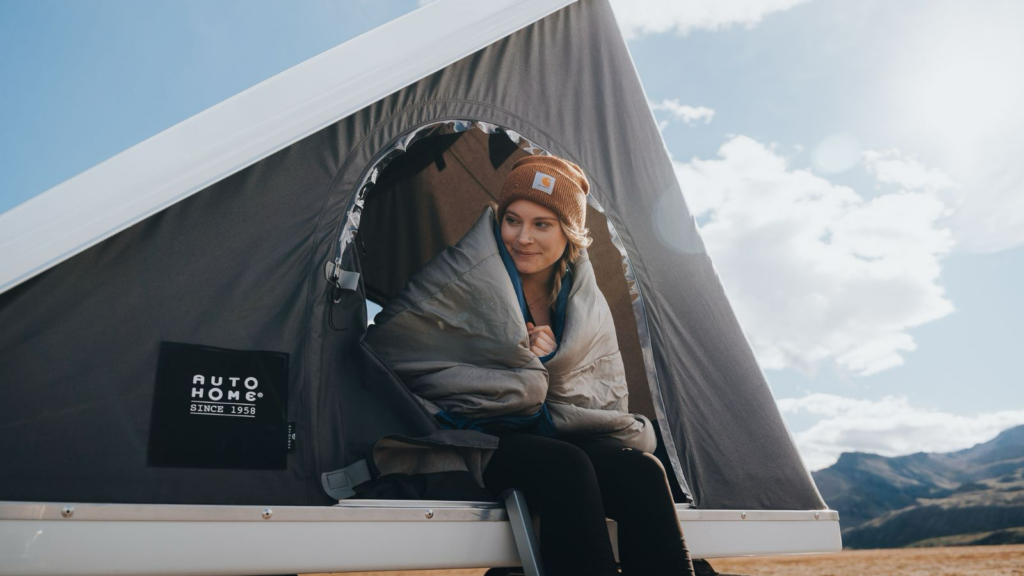
A capable 4×4 paired with a rooftop tent is ideal for solo travelers who want flexibility without the bulk of a full campervan. You can access F-roads and Highland routes that standard vehicles can’t legally enter, and the rooftop tent means you’re set up for the night in minutes.
- Best for: adventurous solo travelers, Highland and F-road access, summer and shoulder seasons
- Great for: spontaneous overnight stops at remote locations
- Suggested models: Dacia Duster 4×4 Roof Top Tent, Suzuki Jimny 4×4 2026 Roof tent
Campervan
The most popular choice for solo Iceland travel. A campervan gives you everything in one: a reliable vehicle, a comfortable sleeping space, and basic cooking facilities. Running costs are predictable, and campsite culture in Iceland is naturally social, making it one of the easiest ways to meet other travelers on the road.
- Best for: Ring Road trips, budget-conscious travelers, longer itineraries
- Good for: first-time solo travelers who want simplicity and self-sufficiency
- Suggested models: Fiat Doblo Maxi Automatic, Renault Kangoo
4×4 campervan
The most capable option for solo travel in any season. A 4×4 campervan combines highland access with the comfort and convenience of a full living setup. If you’re planning a winter trip or want to explore beyond the Ring Road, this is the vehicle that opens up the whole country.
- Best for: winter travel, off-road routes, experienced travelers
- Required for: any route marked F on Icelandic road maps
- Suggested models: Toyota Hilux 4×4, VW California Beach 4WD
Motorhome
For solo travelers who prioritise comfort, a motorhome offers the most spacious and well-equipped option. More suited to summer travel and paved roads, a motorhome is ideal if you want a home-from-home feel while still maintaining total independence. The additional size and space also mean a higher price, but some solo travelers prefer the comfort of a motorhome, especially for longer trips.
- Best for: comfort-focused solo travelers, summer itineraries, longer stays
- Suggested models: Crosscamp Flex 541, Motorhome 3
A note on insurance
When you’re traveling alone, comprehensive insurance matters more than it might in a group. There’s no one to share the cost of an unexpected incident, and no one to help navigate a stressful situation on a remote road. Opting for full coverage isn’t an upsell – for solo travelers, it’s straightforward common sense.
Best time to visit Iceland as a solo traveler
There’s no universally “best” time to visit Iceland. The right season depends on what you want to see, how comfortable you are with challenging driving conditions, and how much flexibility you have with your budget. Here’s an honest breakdown.
Summer (June to August)
Summer is the most forgiving season for first-time solo travelers. Roads are at their most accessible, daylight is virtually endless, and the warmer weather makes exploring on foot genuinely enjoyable. Campsites are busy, which works in your favour socially — this is the easiest time of year to meet other travelers.
The tradeoff is cost and crowds. Prices for vehicles and accommodation peak in July and August, and popular spots like Seljalandsfoss and the Blue Lagoon can feel overwhelmingly busy. Northern Lights are also off the table during summer due to the Midnight Sun.
- Best for: first-time solo travelers, those nervous about driving conditions, social travelers
Winter (November to March)
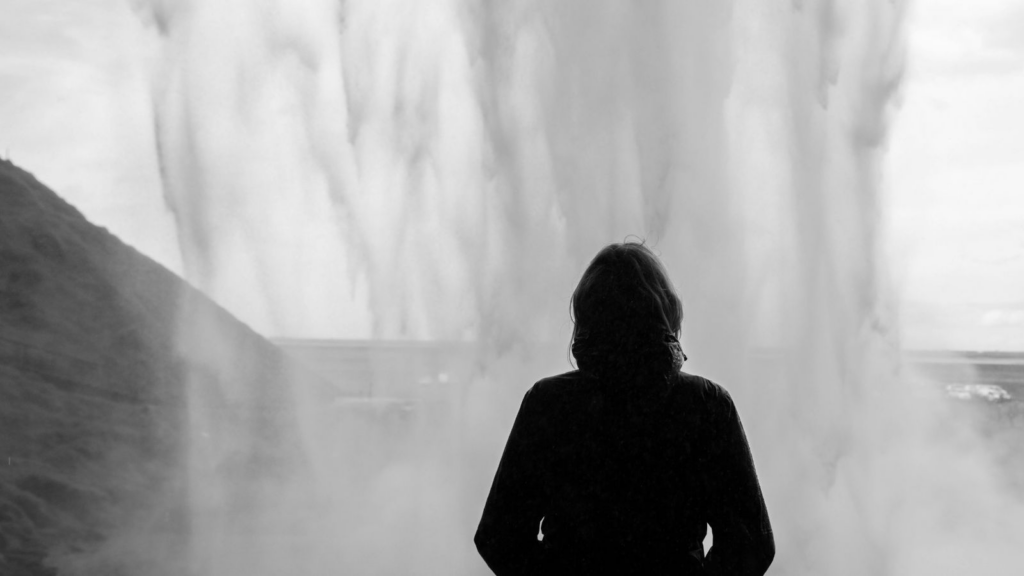
Winter is Iceland at its most dramatic. The Northern Lights are the headline act, prices drop considerably, and you’ll have many of Iceland’s most famous sites almost to yourself. For solo travelers who’ve done their homework, it’s a deeply rewarding time to visit.
The challenges are real, though. Daylight is limited to around five hours, some highland roads close entirely, and driving requires genuine respect for conditions. A 4×4 campervan is strongly recommended, and checking Road.is every morning is non-negotiable.
- Best for: experienced solo travelers, Northern Lights chasers, budget-conscious travelers willing to prepare
Shoulder seasons (April to May, September to October)
The sweet spot for many solo travelers. Prices are lower than in summer, daylight is reasonable, and the landscapes shift into something genuinely spectacular. Spring brings waterfalls swollen with snowmelt, while autumn turns the highlands amber and gold. Northern Lights become visible again from September onwards.
Road conditions are more unpredictable than in summer but less severe than in winter, making an SUV with a rooftop tent or a campervan a practical and comfortable choice for most routes.
- Best for: experienced first-timers, travelers who want value without the full challenge of winter, Northern Lights with more manageable conditions
How to meet other travelers in Iceland
One of the most common concerns about solo travel is loneliness. In Iceland, it’s rarely a problem. The country has a natural infrastructure for connection that makes meeting people straightforward, even if you’re spending most of your trip on the road alone.
Campsites
If you’re traveling in a campervan or rooftop tent setup, campsites become your social base. Iceland’s campsite culture is relaxed and communal — shared cooking facilities, communal areas, and the simple proximity of other travelers doing the same thing you are doing makes conversation easy. Sites along the Ring Road in particular tend to attract a consistent mix of solo travelers and small groups.
Geothermal pools
Iceland’s public swimming pools and hot pots are social institutions, not tourist attractions. Locals use them daily, and the relaxed, unhurried atmosphere makes them one of the genuinely easiest places to strike up conversation with both Icelanders and fellow visitors. Budget time for them on your itinerary rather than treating them as an afterthought.
Day tours
Even with your own vehicle, joining a day tour for specific activities is worth considering. Glacier hikes, whale watching trips, and ice cave tours all attract solo travelers, and the shared experience naturally breaks the ice. You can return to your campervan at the end of the day and keep your independence intact.
Online communities
There are a number of Iceland solo travel Facebook groups that can be useful before and during your trip. Many solo travelers arrange informal meetups, share real-time road condition updates, and coordinate plans. Joining before you leave home gives you a network before you’ve even landed.
Reykjavik
If you’re spending a night or two in the capital, Reykjavik punches well above its size for social energy. The bar scene is friendly and unpretentious, and the city is small enough that you’ll keep running into the same people. It’s a natural place to bookend your trip with some company.
Planning your solo Iceland itinerary
Iceland rewards flexible planning. Having a rough shape to your trip is sensible, but locking yourself into a rigid day-by-day schedule often causes more stress than it prevents. Weather delays happen, unexpected stops become highlights, and the best moments are frequently unplanned. Build your itinerary around anchors rather than a strict timetable.
How many days do you need?
A long weekend gives you a taste. A week lets you breathe. Ten to fourteen days is when Iceland really opens up. As a rough guide:
- 3 to 4 days: Reykjavík, Golden Circle, and South Coast highlights
- 7 days: Extended South Coast or a partial Ring Road
- 10 to 14 days: The full Ring Road, with time to explore properly
For most first-time solo travelers, seven days is the minimum worth considering. Any shorter and you’ll spend more time rushing than experiencing.
3 to 4 days: Golden Circle and South Coast
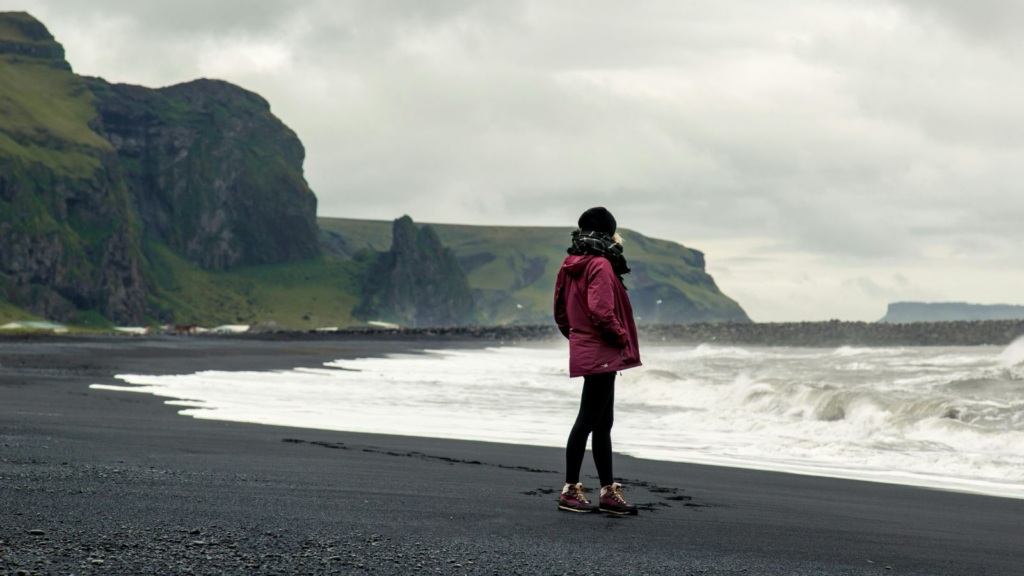
The most accessible introduction to Iceland and the most forgiving for first-timers. A campervan or rooftop tent SUV is ideal here — you can park up near Seljalandsfoss, wake up to Skógafoss, and have Jökulsárlón on your radar for day three. Paved roads throughout, manageable driving distances, and no special vehicle requirements.
7 days: South Coast extension or partial Ring Road
A week gives you room to slow down and go deeper. Extend the South Coast route east toward Höfn, or start looping the Ring Road and turn back at a natural midpoint. This is the itinerary that converts most first-timers into people who book a return trip.
10 to 14 days: Full Ring Road
The complete Ring Road is around 820 miles (1,322 km) and takes most solo travelers between eight and twelve driving days, depending on how many stops they make. Allow buffer days for weather and spontaneity. A 4×4 campervan is the most practical vehicle for this itinerary, giving you access to detours and the freedom to stop anywhere overnight.
Practical planning tips
Book campsites in advance for summer travel, particularly July and August, when popular sites fill quickly. Outside peak season, flexibility is easier, but weather research becomes more important. Always have a contingency plan for your driving day if conditions deteriorate — knowing your next realistic stop in either direction is a simple habit that removes a lot of stress.
Practical tips for solo travelers in Iceland
Preparation is what separates a stressful solo trip from a great one. None of what follows is complicated, but having these habits in place before you leave makes a genuine difference on the road.
Packing essentials
Iceland’s weather can cycle through four seasons in a single day. Layers are non-negotiable: a good base layer, a mid-layer fleece, and a waterproof outer shell cover most situations. A portable power bank is worth its weight, given how much you’ll rely on your phone for navigation and weather checking. Solid walking boots, not trainers, for anything off the main path. Read our ultimate guide to packing for a campervan trip in Iceland.
Navigation and cell coverage
Coverage is good on the Ring Road and in populated areas, but drops off significantly in the Highlands and some remote fjords. Download offline maps before you leave Reykjavík. Google Maps works well for most routes, but the app maps.me is a useful backup for more remote areas. A dedicated GPS device is worth considering for Highland routes.
Weather and road conditions
Check two things every morning without fail: Vedur.is for the weather forecast and Road.is for road conditions and closures. Both have English versions and are updated regularly. If a road is marked closed, it is closed. Attempting it anyway carries serious risks and is how solo travelers end up in difficulty.
Emergency preparation
Download the SafeTravel.is app and register your itinerary before each leg of your trip. It takes two minutes and means rescue services know where to look if something goes wrong. Save 112, Iceland’s emergency number, in your phone before you land. If you’re heading into remote areas, let someone at home know your rough plan for the day.
Dining alone
Iceland is a comfortable place to eat solo. Restaurant culture here is unfussy and welcoming, and counter seating or open communal tables are common in Reykjavík. If you’re traveling in a campervan, self-catering at supermarkets like Bónus or Krónan is one of the most effective ways to manage your daily budget.
Your rental vehicle as a safety net
Knowing you have 24/7 support for your vehicle removes one of the biggest anxieties of solo road travel. If something goes wrong on a remote stretch of road, you’re not figuring it out alone. Keep your rental company’s contact number saved and accessible, not buried in an email thread.
Solo Travel FAQs & Common Concerns
Everything you need to know before you go, from safety and logistics to budget and Northern Lights.
Is Iceland safe for solo travelers?
Yes, unequivocally. Iceland has ranked as the most peaceful country in the world for 17 consecutive years according to the Global Peace Index. Violent crime is exceptionally rare, locals are welcoming, and the emergency infrastructure is excellent. The risks that exist are environmental rather than social, and preparation handles most of them.
Is Iceland safe for solo female travelers?
Yes. Iceland consistently ranks among the best countries in the world for gender equality, and solo female travelers regularly complete the Ring Road, camp independently, and explore remote areas without issue. Harassment is genuinely uncommon. The same common-sense precautions that apply anywhere still apply here, but Iceland removes most of the safety concerns that give solo female travelers pause in other destinations.
How much does a solo trip to Iceland cost?
Iceland is an expensive destination, but manageable with the right approach. Traveling in a campervan significantly reduces accommodation costs, self-catering at supermarkets like Bónus cuts daily food spend, and visiting in the shoulder season lowers vehicle rental prices.
Do I need a 4×4 for solo travel in Iceland?
It depends on your itinerary and when you’re visiting. Summer travel on the Ring Road and South Coast is manageable in a standard campervan. F-roads and Highland routes legally require a 4×4 vehicle regardless of season, and winter travel anywhere benefits significantly from 4×4 capability. When in doubt, upgrading is always the safer choice.
What is the best time to visit Iceland as a solo traveler?
There is no single answer. Summer is the most accessible and social, making it ideal for first-timers. Winter offers Northern Lights and lower prices but requires more preparation. The shoulder seasons of April to May and September to October offer a balance of reasonable conditions, value, and the return of the Northern Lights from September onwards.
Can I do the Ring Road alone?
Absolutely, and many solo travelers consider it one of the best road trips in the world. Allow ten to fourteen days to do it properly, build in buffer days for weather, and travel in a 4×4 campervan if you’re going outside of summer. The Ring Road is well-signed, well-serviced, and designed for independent travel.
Where should solo travelers stay in Iceland?
A self-contained vehicle is the most practical and flexible solution. Campervans and rooftop tent setups let you stay at Iceland’s extensive network of campsites, which are social, well-maintained, and significantly cheaper than hotels or guesthouses. In Reykjavík, hostels are the natural choice for meeting other travelers.
How do I meet other travelers in Iceland?
More easily than you might expect. Campsites along the Ring Road attract a steady mix of solo travelers, geothermal pools are natural social spaces, and day tours provide ready-made shared experiences. There are useful Iceland solo travel Facebook groups worth joining before you leave home.
What if my vehicle breaks down?
This is where renting from a company with 24/7 roadside support matters. Keep the contact number saved and accessible. Breakdowns are uncommon with a modern, well-maintained vehicle, but knowing support is a phone call away makes a significant difference when you’re traveling alone on a remote road.
Is the language barrier a problem?
No. English is spoken pretty fluently across Iceland, from Reykjavík restaurants to remote petrol stations in the East Fjords. You will not encounter a situation where language causes a genuine problem.
Can I see the Northern Lights on my own?
Yes, and having your own vehicle is actually an advantage. You can chase clear skies by driving away from cloud cover in real time, something tour groups cannot do. Check the Vedur.is aurora forecast, find a dark sky location away from Reykjavík, and give yourself at least two or three nights for the best chance of a sighting.
Is it safe to camp alone in Iceland?
Yes. Iceland’s campsites are safe, well-managed, and regularly used by solo travelers. Wild camping outside designated sites is permitted in many areas but requires awareness of conditions. Always register your location on SafeTravel.is if you’re camping somewhere remote.
What should I do in an emergency?
Call 112, Iceland’s emergency number, for any serious situation. Download the SafeTravel.is app before you leave Reykjavík and register your itinerary daily. If you’re with a rental vehicle, contact your rental company’s 24/7 support line for anything road-related.
How many days do I need for a solo Iceland trip?
Seven days is a realistic minimum for a first visit. Three to four days covers the Golden Circle and South Coast highlights. Ten to fourteen days opens up the full Ring Road with breathing room. More time always pays off in Iceland.
Is Iceland expensive for solo travelers?
It is one of Europe’s pricier destinations, but solo travel in a campervan is one of the most cost-effective ways to see the country. Combining accommodation and transport into one vehicle, self-catering where possible, and traveling in the shoulder season rather than peak summer all make a meaningful difference to the overall cost.
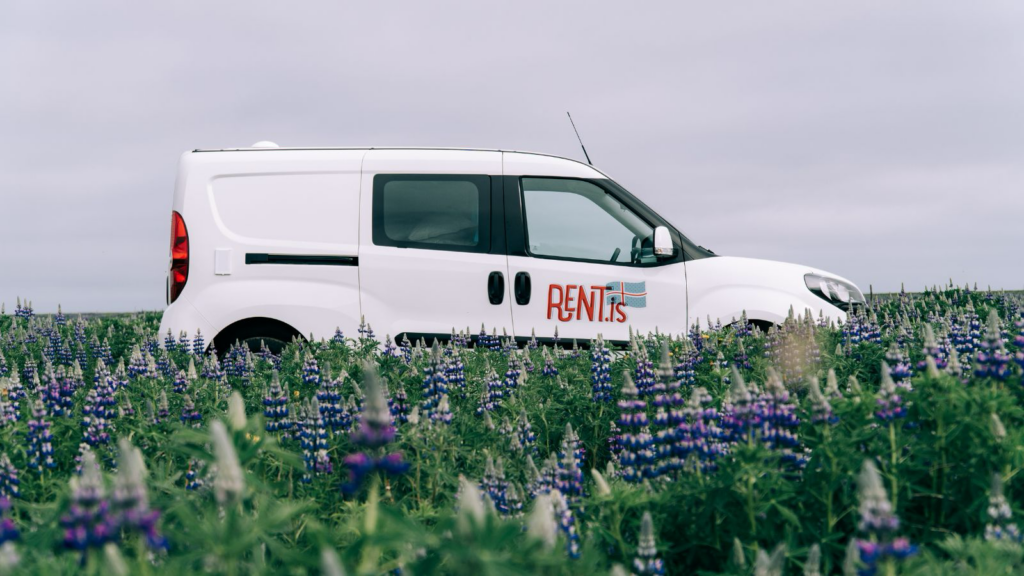
Start your solo Iceland adventure
Iceland is one of those rare destinations that genuinely delivers on its reputation. The landscapes are dramatic, the people are welcoming, and exploring it on your own terms is hard to beat. Solo travel here isn’t a compromise. It’s the best way to do it.
The key to making it work is preparation. Know your route, understand your vehicle, check conditions daily, and have the right support behind you. Do those things, and Iceland will look after the rest.
Rent.is specialises in self-contained adventure vehicles built for independent Iceland travel. From campervans to 4×4 rooftop tent setups, every vehicle comes with 24/7 support, transparent pricing, and a team that knows Iceland’s roads.