
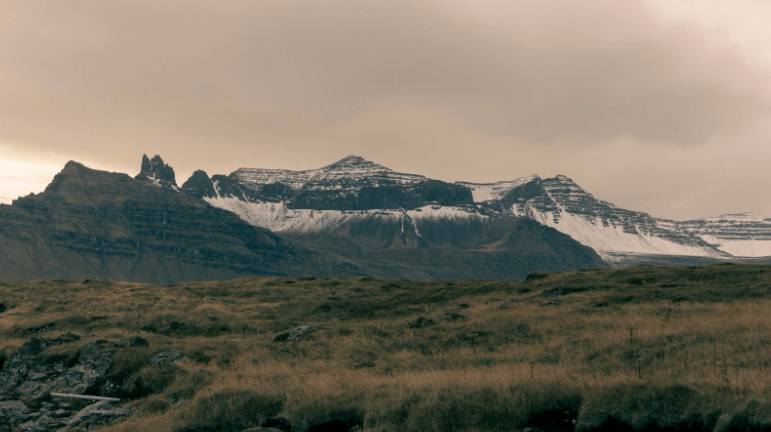
October is one of the best months to visit Iceland if you know what you’re signing up for. The Northern Lights are reliably back, the summer crowds have died down, and prices drop noticeably after peak season. What you’re trading is Highland access — F-roads close around the start of the month — and the kind of settled weather that June and August offer. October is changeable, sometimes stormy, and occasionally delivers early snow. A well-equipped 4×4 camper van handles all of that comfortably. The question is whether the trade-off works for your trip.
For most Northern Lights seekers and off-peak travelers, it does.
Is October the Right Time for Your Visit?
| Pros | Cons |
|---|---|
| Northern Lights are reliably visible | F-roads and Highlands are fully closed |
| Crowds drop significantly after September | Weather is unpredictable — storms are possible |
| Lower prices on vehicles and accommodation | Shorter daylight hours |
| Dramatic autumn landscapes and light | Early snow possible, especially in the north |
| Ring Road and all paved roads remain open | Some campsites reduce facilities or close |
| Aurora hunting from a camper van is ideal | 4×4 strongly recommended — adds to cost |
What’s the Weather Like in Iceland in October?
October marks a genuine shift. Average daytime temperatures in the south sit around 4–7°C (39–45°F), dropping to 1–4°C (34–39°F) in the north and at or below freezing in higher elevations. Wind is a consistent feature of October travel — not always severe, but present most days and capable of turning a manageable afternoon into a difficult one quickly.
Rain is frequent, and by mid-to-late October, snow becomes a realistic possibility at lower elevations in the north and east, not just in the mountains. The south coast tends to stay milder and wetter rather than snowy, but conditions vary significantly from year to year.
The figures below focus on south Iceland, where most camper van routes begin. Conditions in the north and east will typically run 2–4°C (3–7°F) cooler.
Check vedur.is every morning on the road — October forecasts can shift quickly, and a planned route that looks fine at breakfast can look very different by lunchtime.
August to November Temperature Comparison — South Iceland
| Month | Average High | Average Low | Avg. Rainfall |
|---|---|---|---|
| August | 14°C (57°F) | 9°C (48°F) | 56mm (2.2 in) |
| September | 11°C (52°F) | 6°C (43°F) | 67mm (2.6 in) |
| October | 7°C (45°F) | 3°C (37°F) | 72mm (2.8 in) |
| November | 3°C (37°F) | -1°C (30°F) | 79mm (3.1 in) |
How Many Hours of Daylight Does Iceland Have in October?
Daylight drops sharply through October. At the start of the month, Reykjavík sees around 12 hours of daylight; by the end of October, that’s down to roughly 8 hours, with sunset falling before 5 PM. The change is noticeable week to week in a way that summer visitors won’t have experienced.
For road trippers, this means planning your driving and sightseeing into a tighter window. Waterfalls, landscapes, and coastal stops are best visited in the middle of the day when light is at its most useful. Early starts matter more in October than they do in summer — not because of crowds, but because the usable light runs out.
The flip side is that the darkness is exactly what makes October worth it for aurora hunters. By mid-October, you have long, genuinely dark nights — the conditions the Northern Lights need.
Are the Northern Lights Visible in October?
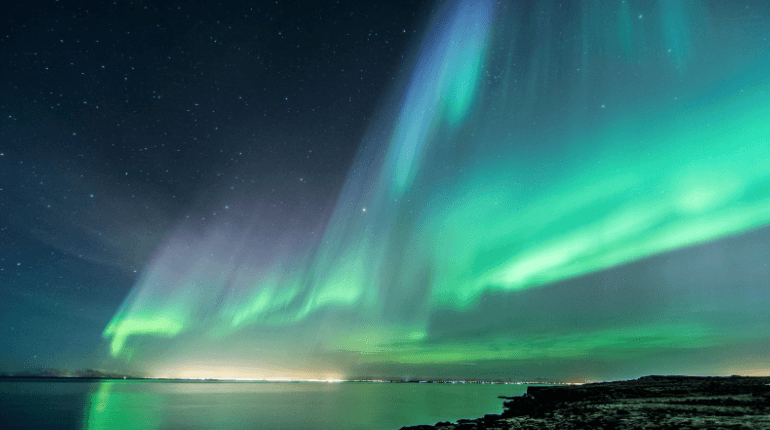
Yes, and October is one of the better months to see them. Aurora season runs from late August through April, and by October, the nights are dark enough and long enough to give the lights a proper stage. Iceland sits directly under the auroral oval, which means activity doesn’t depend on being far from the city, though getting away from Reykjavik’s light pollution always improves the odds.
The main obstacle in October isn’t aurora activity — it’s cloud cover. Iceland’s autumn weather means overcast nights are common, and the Northern Lights don’t penetrate cloud. The practical approach is to track the forecast on vedur.is alongside an aurora forecast app, stay flexible with where you’re camping, and be ready to drive toward clearer skies when they appear. A camper van makes that response possible in a way a hotel booking doesn’t — you move when conditions change, not when checkout allows.
Statistically, the period around the autumn equinox (which falls in late September but whose effects extend into October) sees elevated geomagnetic activity, which improves aurora odds further. October is not a guaranteed Northern Lights month, but for a traveler willing to work around the weather, it’s a genuinely strong bet.
For full forecasting tips, read our guide to the Northern Lights in Iceland.
Which Roads Are Open in October?
The Ring Road and all paved highways remain open throughout October and are well-maintained by Icelandic road authorities. The south coast, Snæfellsnes Peninsula, Reykjanes Peninsula, and the north coast are all accessible. What closes is everything above the paved network.
F-roads and Highland routes, including Landmannalaugar, Þórsmörk, Kjölur, and Sprengisandur, close around October 1st each year, though exact dates vary. By the time most October travelers arrive, the Highlands are off the table. There’s no workaround for this: F-road closures are enforced, and attempting a closed route risks serious vehicle damage and voids your insurance.
Always verify the current road status at road.is before departure and each morning on the road. For October travel, also check safetravel.is for any active storm warnings — conditions that are manageable in summer can be hazardous in autumn.
For context on what the Highlands offer when they are open, see our guide to Highland roads in Iceland — useful for planning a future summer trip if October leaves you wanting more.
Route Access — October
| Route | October Status | Notes |
|---|---|---|
| Ring Road (Route 1) | Open | Well-maintained; watch for wind and rain |
| Snæfellsnes Peninsula | Open | Fully accessible; exposed to Atlantic weather |
| Reykjanes Peninsula | Open | Close to Reykjavík; good for aurora hunting |
| F35 Kjölur | Closed from ~Oct 1 | Check road.is for exact closure date |
| F208 Landmannalaugar | Closed from ~Oct 1 | No Highland access in October |
| F249 Þórsmörk | Closed from ~Oct 1 | Check road.is; may close earlier depending on weather and conditions |
How Busy Is Iceland in October?
Noticeably quieter than summer. The bulk of international tourism runs from June through August, and September sees a significant drop-off. By October, the most popular sites on the South Coast — Skógafoss, Seljalandsfoss, and the Diamond Beach — are accessible without the mid-morning crowds that define peak season. Parking is easier, trails are quieter, and the experience at each stop is more individual.
Campsite availability is less pressured than in summer, but booking ahead is still worth doing for your first and last nights. Some campsites reduce opening hours or facilities in October, and a few close entirely. Check directly with individual sites before relying on them, and see our guide to campsites in Iceland for current options by region.
Pricing reflects the season shift. Camper van rental rates drop after peak season, accommodation costs less, and flights are generally cheaper than in July or August. For budget-conscious travelers, October delivers meaningful savings without sacrificing the core Iceland experience.
What to Pack for Iceland in October
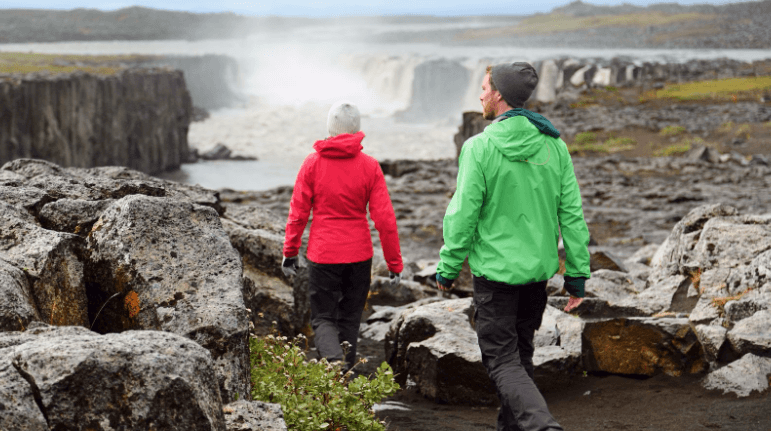
October requires a more thoughtful packing approach than summer. The temperature range is wider, conditions change faster, and a wet, windy afternoon in October is a different challenge from the same conditions in July.
Clothing
- Insulated, waterproof outer jacket — heavier than a summer rain shell
- Waterproof pants
- Thermal base layers — merino wool performs best in wet and cold combined conditions
- Fleece or down mid-layer
- Warm hat, gloves, and a neck gaiter or scarf
- Waterproof hiking boots with ankle support
- Spare dry socks — more important than they sound in October conditions
- Swimwear for geothermal pools (worth it regardless of the weather outside)
Aurora hunting
- Warm layers you can pull on quickly for a late-night aurora dash outside the camper van
- Tripod, if you plan to photograph the Northern Lights
Practical
- Portable power bank — shorter days mean more time in the van with devices charging
- Head torch for early evenings and campsite navigation in the dark
- Offline maps downloaded before departure
- Road.is, vedur.is and safetravel.is bookmarked
For a fuller checklist, see our Iceland packing list.
What to Do in Iceland in October
October’s shorter days concentrate the sightseeing window, but the combination of dramatic autumn light, minimal crowds, and returning darkness opens up a different kind of itinerary than the summer months.
Hunt the Northern Lights
This is the activity October itineraries are built around. Aurora season is fully underway, and with darkness arriving by early evening, you don’t need to stay up until midnight to get a shot at the lights. The south coast east of Vík, the Reykjanes Peninsula, and the Snæfellsnes Peninsula’s north coast all offer low light pollution and enough sky to make the wait worthwhile. The key habit is checking forecasts before you turn in for the night and being willing to move if clearer skies are an hour’s drive away.
Visit the South Coast Without the Crowds
Skógafoss, Seljalandsfoss, Reynisfjara black sand beach, and the Diamond Beach at Jökulsárlón are all accessible in October and offer a genuinely different experience from the summer months. Parking is easy, the paths are quiet, and the low October light hits the waterfalls at an angle that midsummer never delivers. Early afternoon is the sweet spot — enough light to see properly, low enough sun to make the photography interesting.
Explore the Snæfellsnes Peninsula
The peninsula is one of October’s strongest choices. The combination of dramatic coastal scenery, Snæfellsjökull glacier, and Atlantic weather rolling in from the west makes it visually compelling in a way that’s specific to autumn. It’s also far enough from Reykjavík to offer genuinely dark skies for aurora hunting on clear nights.
Soak in Geothermal Pools
Hot springs and geothermal pools come into their own in October. The temperature contrast between the water and the cold air sharpens as the month progresses, and with crowds down significantly, you’re more likely to have a quiet pool to yourself. The naturally occurring hot spring at Seljavallalaug near Skógar is worth seeking out — basic facilities, no admission fee, and one of the most atmospheric spots in Iceland on a gray October afternoon.
Drive the Eastfjords
The Eastfjords are one of the quieter sections of the Ring Road at any time of year, and in October they’re almost entirely free of tourists. The combination of steep fjord walls, small fishing villages, and the particular quality of autumn light in the east makes this one of the most rewarding stretches to drive slowly. The east also tends to see clearer skies than the south and west in autumn, which adds an aurora incentive to the scenic one. See our guide to East Iceland.
Best October Camper Van Routes
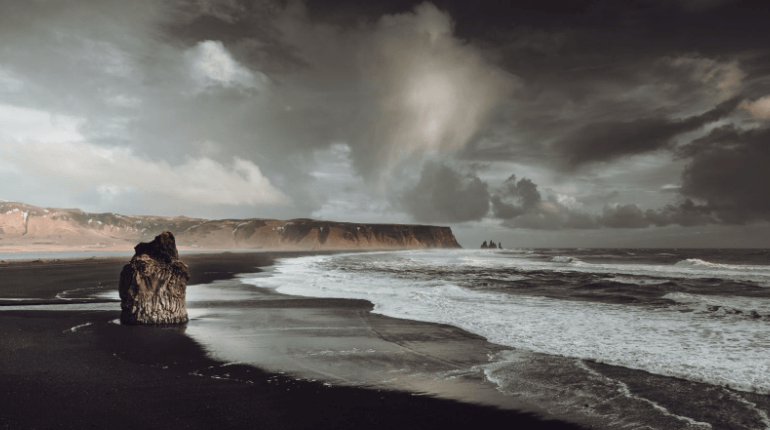
Without Highland access, October routes concentrate on the paved road network, which still covers the vast majority of Iceland’s most visited landscapes.
The Ring Road: The full 1,332 km (828-mile) loop remains the backbone of an October trip. Allow 7–10 days to complete the route and all the wonders along the way. October light is low, golden, and often dramatic before a weather front moves in — making the east fjords and north coast particularly striking. The reduced crowds mean you can linger at stops that feel rushed in August. See our Ring Road guide for a day-by-day breakdown.
South Coast Focus with Aurora Nights: The stretch from Reykjavík to Jökulsárlón — roughly 380 km (236 miles) — hits the south coast’s highlights in 4–5 days. Pair daytime sightseeing with evening aurora hunts from dark campsites away from the main road. The flat black sand plains east of Vík offer some of the least light-polluted skies on the south coast.
Snæfellsnes Peninsula: A 2–3 day loop from Reykjavík that makes sense in October specifically for the combination of dramatic weather, empty roads, and excellent aurora horizons on the peninsula’s north coast. The exposure to Atlantic weather makes conditions unpredictable, but the same exposure keeps cloud cover moving through rather than settling.
North Iceland and the Diamond Circle: For travelers with 10 or more days, pushing north to the Mývatn area, Goðafoss, and the Tjörnes Peninsula gives access to Iceland’s best inland aurora locations. The north has darker skies than the south and fewer visitors in October. The drive from Reykjavík to Akureyri is around 390 km (242 miles) via the Ring Road.
Which Camper Van Is Best for October?
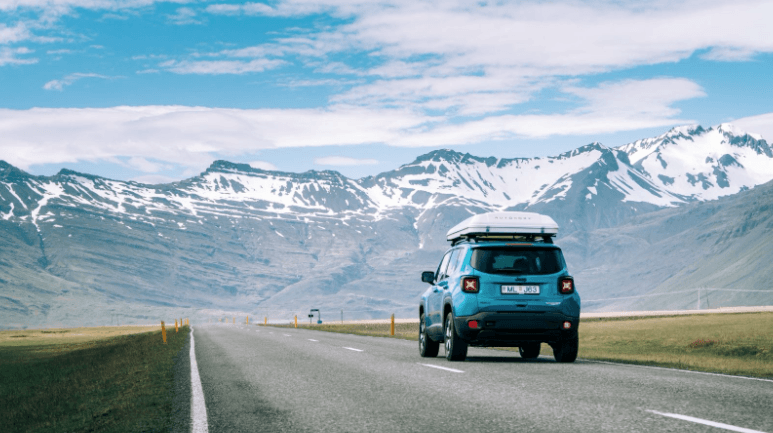
October changes the vehicle conversation. It’s no longer primarily about what you need to access a particular route — it’s about what handles Iceland’s autumn conditions confidently. Wind, rain, dropping temperatures, and occasionally icy roads in the north and east mean the vehicle’s weather resilience matters as much as its size.
A 4×4 camper van is strongly recommended for October. The improved ground clearance, all-weather tires, and handling in slippery conditions make a meaningful difference when the weather deteriorates. It’s not that a 2WD camper van can’t manage the Ring Road in October (it often can), but the margin for error narrows as conditions worsen, and the cost of being caught underprepared is high.
For couples
Dacia Duster 4×4 Roof Top Tent or Jeep Renegade 4xe
Both are F-road rated 4x4s with roof top tents. For October specifically, the roof tent works well in mild conditions but requires a good sleeping gear for colder nights — quality sleeping bags are included in your rental, but be prepared with warm sleepwear. The Jeep Renegade’s automatic transmission is worth considering for driving in variable conditions.
For couples wanting more shelter
VW California 4×4 or VW California Beach 2026 Hybrid
An enclosed sleeping area is a genuine advantage in October over a roof tent — warmer, more insulated, and less exposed to wind and rain overnight. Both are 4×4, automatic, and well-equipped for longer trips in autumn conditions. The 2026 Hybrid is the newest vehicle in the fleet.
For families or groups
The Hilux is the most capable group vehicle in the fleet for October conditions — 4×4, automatic, seats and sleeps four, and built to handle whatever Iceland’s autumn roads throw at you. For a group that wants maximum confidence in wind, rain, and the possibility of early snow, this is the practical choice.
If budget is the priority and conditions are mild
VW Caddy Camper or Fiat Doblo Maxi
2WD camper vans are not the recommended choice for October, but for travelers sticking strictly to the Ring Road and south coast during a settled weather window, they remain an option. Check forecasts carefully, avoid driving in storm conditions, and understand that traction on wet or icy roads will be more limited than in a 4×4.
Browse the full lineup: view our camper vans
Plan Your October Trip to Iceland
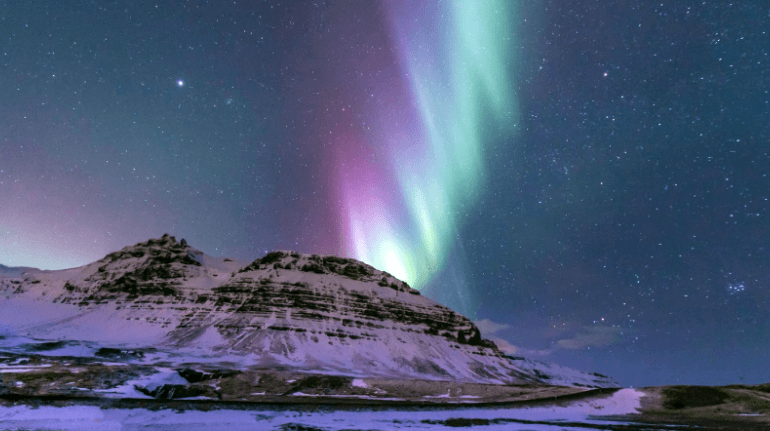
October asks something of you that June and August don’t: a willingness to work with the conditions rather than around them. The weather is less predictable, the days are shorter, and the Highlands are off the table. What you get in return is Iceland with genuine darkness, a real shot at the Northern Lights, and a pace that peak season never allows.
Pack well, book a 4×4, check the forecast every morning, and stay flexible. That combination covers most of what October throws at you.
For a full picture of how October fits into Iceland’s seasonal calendar, see our Iceland weather by month guide. If you’re weighing up the months either side, our guide to winter camping in Iceland covers what the colder months look like in practice.
Frequently Asked Questions
Is October a good time to visit Iceland?
Yes, but it depends on the traveler. October delivers some of the best Northern Lights conditions of the year, significantly lower crowds than summer, and noticeably reduced prices. The trade-offs are real: F-roads are closed, the weather is unpredictable, and daylight is limited. Travelers who go in with accurate expectations consistently find October one of Iceland’s most rewarding months.
Are the Northern Lights guaranteed in October?
No, but October is one of the stronger months for aurora activity. Dark skies return fully by mid-October, and Iceland sits in the auroral oval year-round. The main variable is cloud cover, which is common in autumn. Tracking forecasts, staying flexible with your location, and being willing to drive toward clearer skies significantly improve your odds. Read our full guide to the Northern Lights in Iceland for forecasting details.
Are F-roads open in October?
No. Most F-roads and Highland routes close around October 1st each year. Exact closure dates vary — always check road.is for current status. Attempting a closed F-road risks serious vehicle damage and typically voids rental insurance.
Is a 4×4 camper van necessary for October?
Strongly recommended, yes. October road conditions — rain, wind, and possible ice in the north and east — are meaningfully different from summer. A 4×4 provides better traction and handling in deteriorating conditions. It’s a worthwhile investment for peace of mind if nothing else. See our 4×4 camper vans for the full range.
How cold does Iceland get in October?
Average daytime highs in the south sit around 7°C (45°F), dropping to around 3°C (37°F) overnight. The north runs cooler, and wind chill makes temperatures feel significantly lower than the thermometer suggests. Pack insulated, waterproof layers and treat the cold seriously — it’s manageable with the right kit, but uncomfortable without it.
What’s still open in Iceland in October?
Most major attractions remain accessible: the south coast waterfalls, glacier lagoon, black sand beaches, the Snæfellsnes Peninsula, and the north coast. The Blue Lagoon and most geothermal pools operate year-round. The Highlands and all F-roads are closed. Some campsites reduce facilities or are closed.