
- Hike a glacier
- Explore an icecave
- Visit the Golden Circle
- Drive the Ring Road
- Discover the Westfjords
- Go whale watching
- See puffins in Iceland
- Snorkel at Silfra
- Kayak at Jökulsárlón Glacier Lagoon
- Walk behind a waterfall
- Chase the Northern Lights
- Experience the Midnight Sun
- Soak in a geothermal pool
- Visit Reykjavik
- Eat Icelandic food
- Ride an Icelandic horse
- Hike Landmannalaugar
- Photograph Kirkjufell
- Explore Reynisfjara black sand beach
- Camp under the stars
Iceland doesn’t do things by half. In a single week, you can walk on a glacier, swim between tectonic plates, watch geysers erupt, soak in a geothermal pool, and fall asleep under the Northern Lights. Few countries on earth pack this much variety into one trip, and fewer still make it accessible to independent travelers.
Iceland rewards the traveler who isn’t tied to a fixed schedule. The ones who can pull over when the light is right, stay an extra night when a place resonates with them, and chase clear skies when the Northern Lights forecast looks promising. Keep that in mind as you work through this list.
What should you not miss in Iceland? Glaciers, ice caves, the Ring Road, the Northern Lights, and Silfra are the non-negotiables. Everything else depends on your season, your timeframe, and how adventurous you’re feeling.
Iceland Bucket List: Quick Guide
- Top experiences: Glacier hike, ice cave, Northern Lights, Silfra snorkel, Ring Road
- Best season: Summer for accessibility, winter for Northern Lights and ice caves
- Trip length: 7 days minimum, 10–14 days for the full Ring Road
- 4×4 required?: Yes for F-roads, Highlands, and winter travel
- Best way to explore: Self-drive campervan
- Book in advance: Ice caves, Silfra, and glacier hikes all sell out
Your Iceland Travel Bucket List
This list covers the 20 experiences that genuinely belong on an Iceland bucket list. Not just everything that looks good on Instagram, but the things that actually stay with you. We’ve organised them by category, flagged the seasonal ones, noted where you’ll need a guided tour, and indicated which are best explored at your own pace with your own set of wheels.
Natural Wonders & Landscapes
1. Hike a glacier
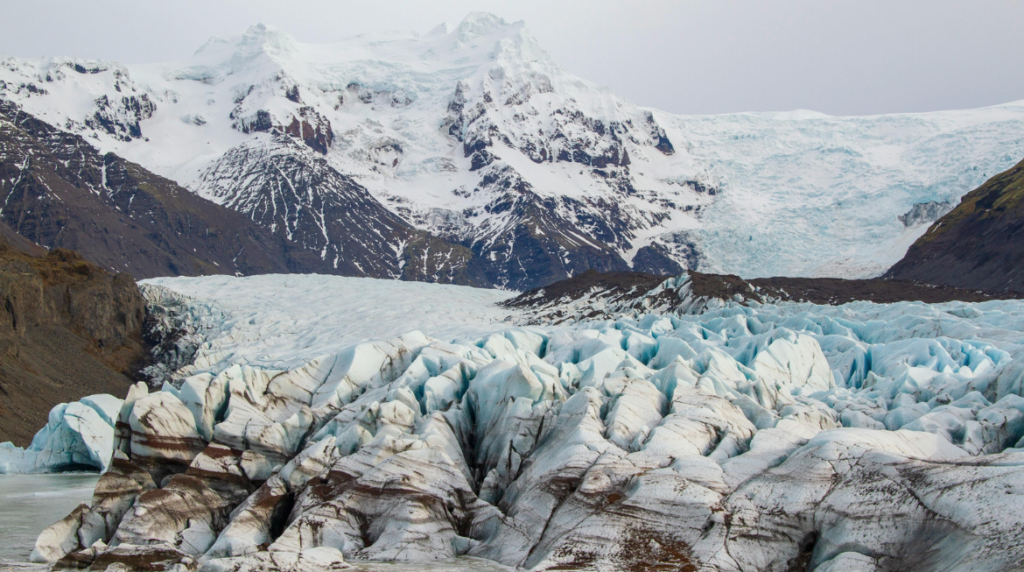
Standing on a glacier is one of those experiences that genuinely doesn’t translate in photos. The scale, the silence, and the strange blue light filtering through ancient ice are something else entirely. Sólheimajökull on the South Coast is the most accessible glacier for first-timers and is reachable directly from the Ring Road. Skaftafell in Vatnajökull National Park offers a more dramatic setting for those wanting to go deeper.
A guided glacier hike is mandatory — you cannot walk on glacial ice without a certified guide and crampons. Tours run year-round and cost approximately $80 to $120 per person. Make sure to book in advance during the summer, as tours fill up fast.
Best season: Year-round.
Campervan accessible: yes — park at the trailhead.
2. Explore an ice cave
Iceland’s natural ice caves are among the most visually extraordinary things on the planet. The crystal blue walls of Vatnajökull’s glacier caves are formed by centuries of compressed ice and are unlike anything you’ll find elsewhere. The most famous are located near Jökulsárlón in southeast Iceland, accessible via the Ring Road.
Ice caves are a winter-only experience, as they’re only safe to enter between November and March when the ice is stable. Tours run from Jökulsárlón and cost approximately $100 to $150 per person. This one books out weeks in advance, so plan early.
Best season: November to March.
Campervan accessible: yes — several campsites near Jökulsárlón.
3. Visit the Golden Circle
The Golden Circle is Iceland’s most visited route for good reason. Three of the country’s most iconic landmarks sit within a 300-kilometre loop from Reykjavik: Þingvellir National Park, where the North American and Eurasian tectonic plates meet; the Geysir geothermal area, where Strokkur erupts every five to ten minutes; and Gullfoss, a two-tiered waterfall of considerable power. It’s a full day’s drive and can be done independently without a guide.
Best season: Year-round, though winter driving requires care.
Campervan accessible: yes.
4. Drive the Ring Road
Iceland’s Route 1 circles the entire country across roughly 1,300-kilometres of coastline, lava fields, glacier tongues, fishing villages, and volcanic highlands. It connects almost every major attraction in Iceland and is the backbone of most self-drive itineraries. Allow at least ten days to do it properly, and build in buffer time for the weather. A campervan turns the Ring Road into both a journey and an accommodation solution — you’re never far from a campsite, and some of the best overnight spots sit right off the route.
Best season: June to September for first-timers. Shoulder seasons possible with a 4×4. September is often seen as the sweet spot, as it coincides with the start of the Northern Lights.
Campervan accessible: yes.
5. Discover the Westfjords
The Westfjords are Iceland’s least-visited region and, for many travelers, its most memorable. Deep fjords, remote fishing villages, dramatic cliff faces, and almost no crowds. Látrabjarg, Europe’s largest seabird cliff, is here, as is Dynjandi, a waterfall that fans out in tiers like a wedding cake. The roads are slower, and some are unpaved, which is exactly the point. This is Iceland for people who’ve done the highlights and want something that feels genuinely off the beaten path.
Best season: June to August.
Campervan accessible: yes, though a 4×4 camper is recommended for some roads.
Wildlife & Ocean
6. Go whale watching
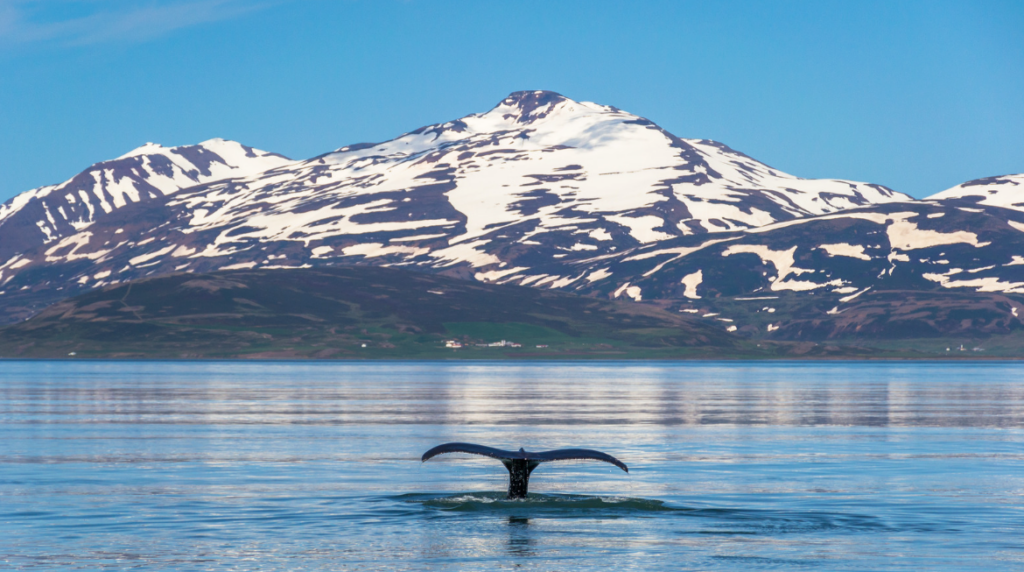
Iceland is one of the best places in the world to see whales in the wild. Humpbacks, minkes, and the occasional blue whale are all spotted in Icelandic waters, and the season runs from April through October. Húsavík in North Iceland is considered the whale watching capital of Europe, with a success rate that’s hard to match elsewhere. Reykjavik also offers departures if you’re short on time. See our full guide to whale watching in Iceland for timing and operator advice.
Best season: April to October.
Campervan accessible: yes — Húsavík sits on the Ring Road.
7. See puffins in Iceland
Iceland is home to the largest puffin colony in the world, with an estimated eight to ten million birds arriving each summer to breed. The Westfjords, Borgarfjörður Eystri in East Iceland, and the Vestmannaeyjar islands are the standout locations. Puffins are surprisingly unbothered by humans, which makes for extraordinary close-up encounters. They arrive in May and leave by mid-August, so timing matters.
Best season: May to mid-August.
Campervan accessible: yes for mainland colonies — Vestmannaeyjar requires a ferry.
Water Experiences
8. Snorkel at Silfra
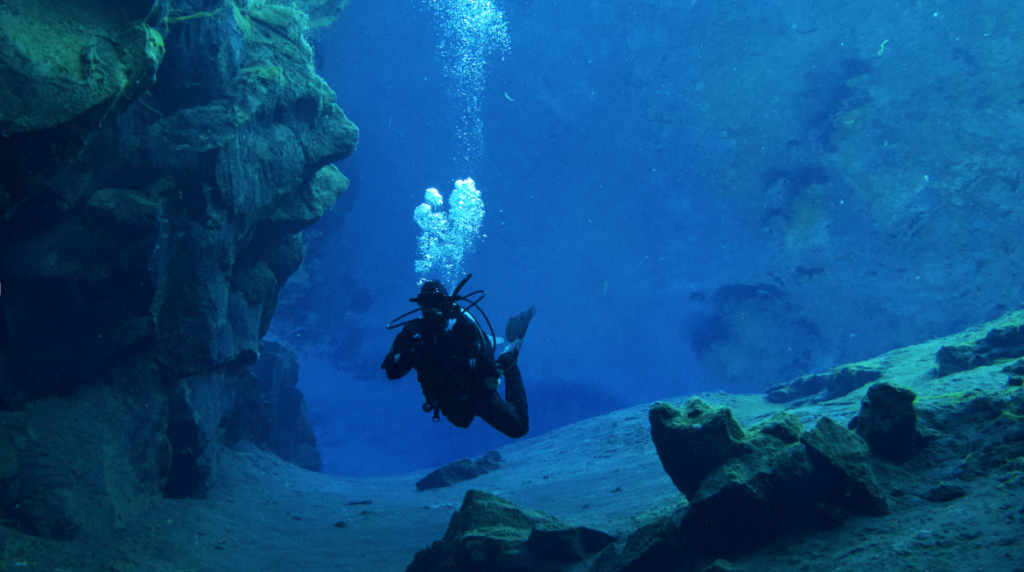
Silfra is the fissure between the North American and Eurasian tectonic plates, filled with glacial meltwater so clear you can see over 100 metres ahead. Snorkelling or diving here puts you literally between two continents — something you can do in very few places on earth. It sits within Þingvellir National Park as part of the Golden Circle, making it easy to combine with other stops. Tours cost approximately $120 to $160 per person and include a drysuit. Cold water (around 2°C year-round) is part of the experience.
Best season: Year-round.
Campervan accessible: yes — Þingvellir has a large car park and nearby campsites.
9. Kayak at Jökulsárlón Glacier Lagoon
Jökulsárlón is where icebergs calve from Breiðamerkurjökull glacier, drifting slowly toward the sea. Kayaking among them at water level is a completely different experience than watching from the shore, and one of the more quietly spectacular things you can do in Iceland. Tours depart from the lagoon itself and run during the summer months. Nearby Diamond Beach, where ice washes up on black sand, is worth an hour of your time before or after.
Best season: June to September.
Campervan accessible: yes — sits directly on the Ring Road.
10. Walk behind a waterfall
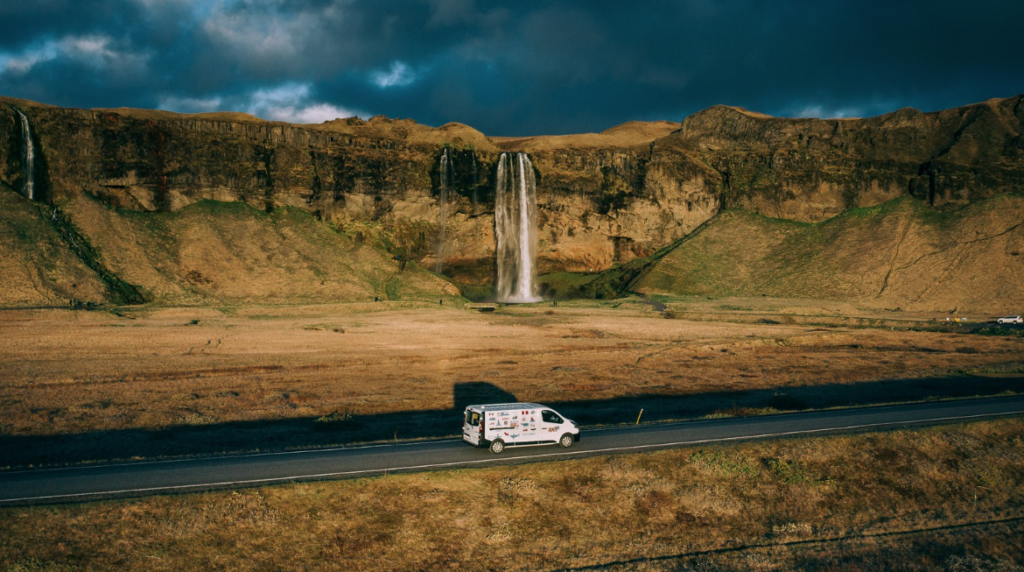
Iceland has hundreds of waterfalls, but Seljalandsfoss on the South Coast has something most don’t — a path that takes you behind the curtain of water. It’s wet, it’s loud, and the view back through the falling water toward the green valley beyond is one of the most photographed perspectives in the country. Skógafoss, a short drive away, is broader and more powerful. Both are free to visit and accessible directly from the Ring Road.
Best season: Year-round, though the path behind Seljalandsfoss closes in winter due to ice.
Campervan accessible: yes.
Sky & Light
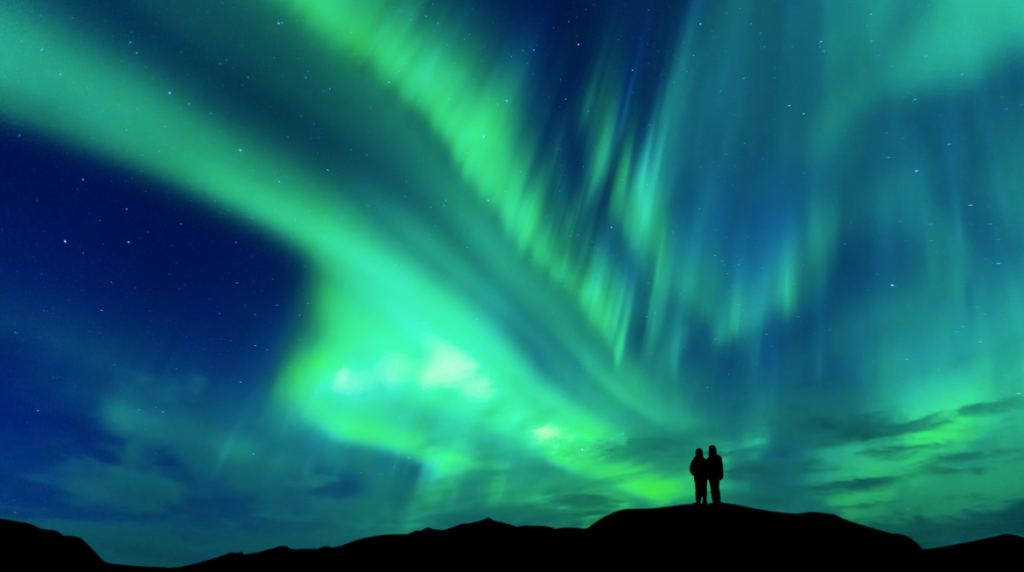
11. Chase the Northern Lights
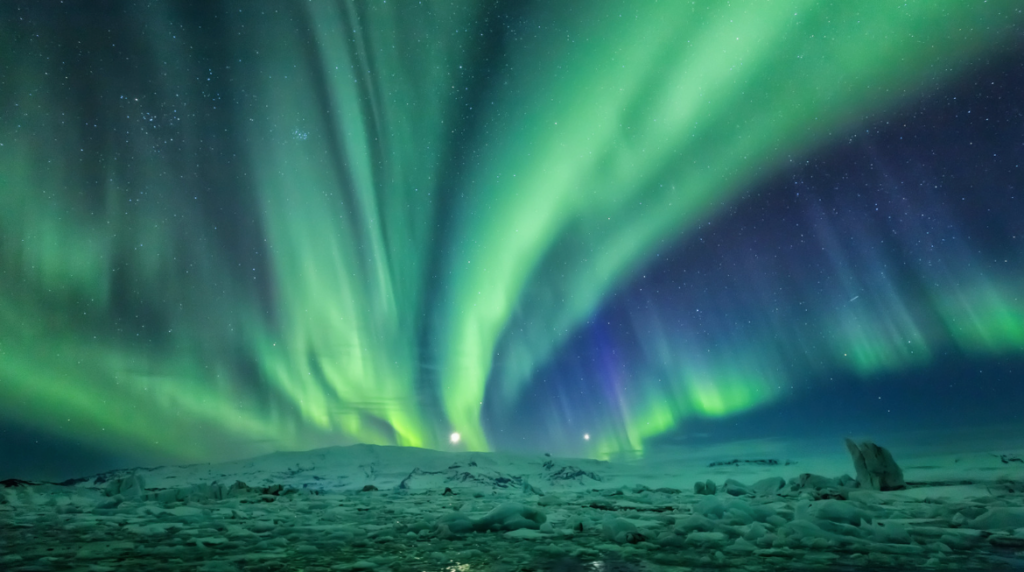
The Northern Lights are the experience most people build an Iceland trip around, and they genuinely live up to the hype when conditions align. The aurora season runs from September to April, with the darkest nights in November and December offering the best chance of a strong display. You need three things: darkness, clear skies, and solar activity. Check the aurora forecast at vedur.is before heading out and driving away from Reykjavik’s light pollution for the best views. Having your own vehicle is a significant advantage here, because you can chase clear skies in real time rather than waiting for a tour bus to turn around.
Best season: September to April.
Campervan accessible: yes — and one of the best ways to see them.
12. Experience the Midnight Sun
From late May to early August, Iceland’s nights shrink to almost nothing as a result of a phenomenon known as the Midnight Sun. Around the summer solstice in late June, the sun barely dips below the horizon, particularly in the north. This creates an eerie, golden twilight that never quite tips into darkness. For first-timers, it’s a genuinely disorientating experience and an extraordinary one. Hiking at 11 pm in full daylight, watching the sun hover low on the horizon without disappearing, feels like being in a different relationship with time entirely. The long days also extend your window as a traveler, letting you cover more ground and linger at viewpoints long after you’d normally have headed in.
Best season: Late May to early August.
Campervan accessible: yes — the long days are a natural advantage for road trippers.
Geothermal & Culture
13. Soak in a geothermal pool
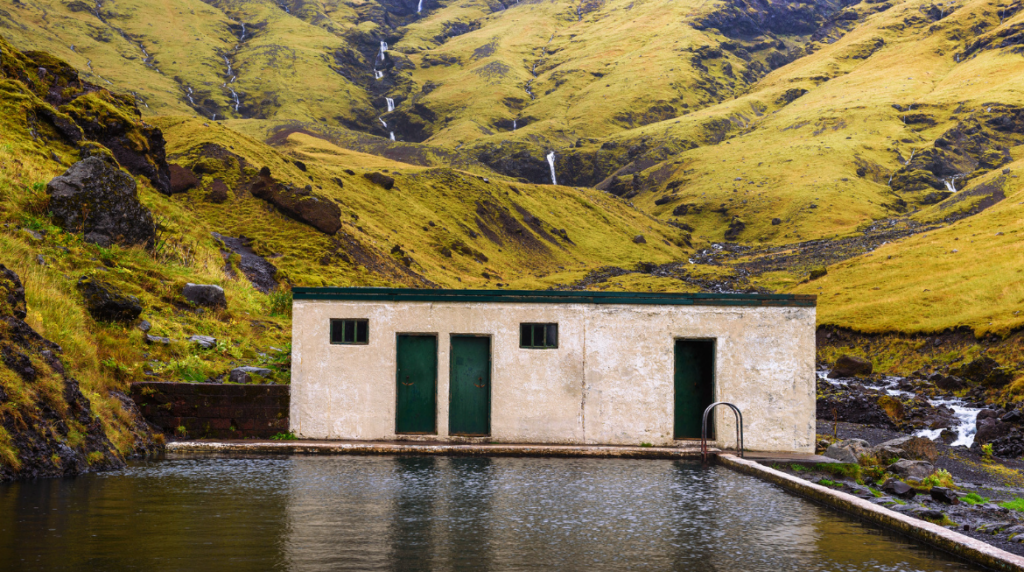
Iceland sits on one of the most volcanically active spots on earth, and the geothermal pools and hot springs that result are woven into daily Icelandic life. Many towns have a public swimming pool fed by naturally heated water, and the experience of sitting in warm water while cold air rolls in off the mountains is one you’ll want to repeat. The Blue Lagoon near Keflavik is the most famous and worth visiting, but book well in advance as it sells out regularly. (Please note that there have been some temporary closures of the Blue Lagoon since the volcanic activity near Grindavik in 2025; make sure to check the current status before planning a visit.) For something less commercial, the Secret Lagoon at Flúðir, the Myvatn Nature Baths in the north, and countless roadside hot pots offer a more local feel at a fraction of the cost.
Best season: Year-round.
Campervan accessible: yes — hot pots are scattered across the entire country.
14. Visit Reykjavik
Reykjavik is the world’s northernmost capital and punches well above its size for culture, food, nightlife, and architecture. Hallgrímskirkja church dominates the skyline and offers panoramic views from its tower. The old harbour area has some of the best restaurants in the country. The weekend nightlife scene is famously lively for a city of 130,000 people. Most self-drive trips begin or end here, making it a natural bookend to a Ring Road itinerary. If you’re wondering what to bring home, the city’s independent shops are the place to find Icelandic wool, local design, and craft spirits.
Best season: Year-round.
Campervan accessible: yes — designated campervan parking available in the city.
15. Eat Icelandic food
Icelandic cuisine has come a long way from its subsistence roots and is worth approaching with genuine curiosity. Lamb raised on open moorland is exceptional — slow-roasted or in a traditional kjötsúpa stew. Arctic char, fresh skyr, and langoustine from the southeast coast are all worth seeking out. For the adventurous, hákarl (fermented shark) is an acquired taste that’s usually chased with Brennivín (Black Death), which most people try once. Reykjavik’s restaurant scene is excellent, but some of the best meals come from small town guesthouses and harbour-side fish restaurants along the Ring Road.
Best season: Year-round.
Campervan accessible: yes — self-catering from local supermarkets is a great budget option.
Adventure Activities
16. Ride an Icelandic horse
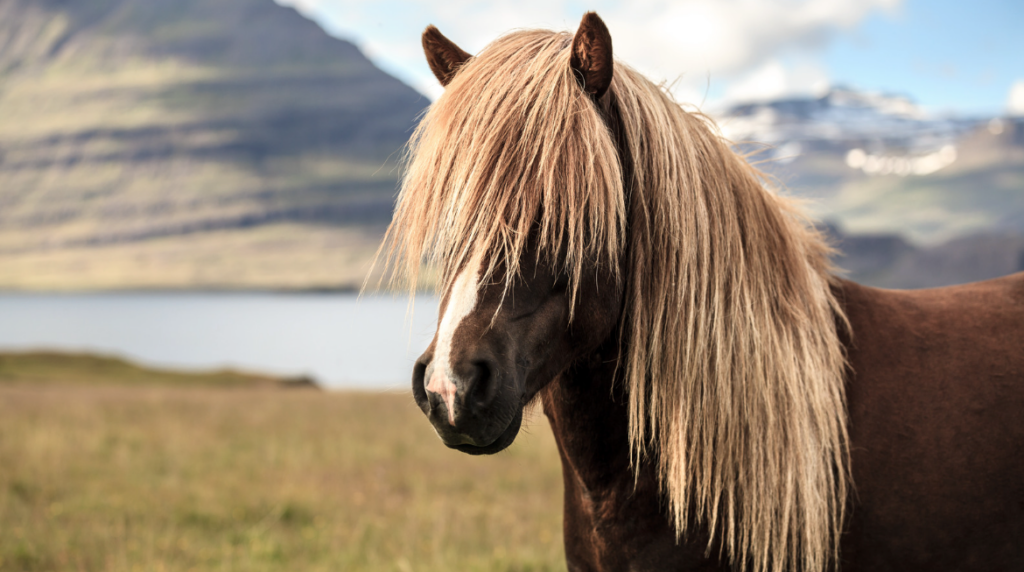
The Icelandic horse is a breed apart; small, thick-maned, and uniquely gaited. They move with a distinctive extra gait called the tölt, which is smooth enough to ride at speed without bouncing. The breed has been isolated in Iceland for over a thousand years and is remarkably friendly and curious. Riding tours are available across the country, from short beach rides on the South Coast to multi-day highland treks. No riding experience is necessary for most introductory tours, which cost approximately $80 to $120 per person.
Best season: Year-round, though summer offers the most route options.
Campervan accessible: yes — riding centres are well distributed across the country.
17. Hike Landmannalaugar
Landmannalaugar is Iceland’s most celebrated highland hiking destination, a surreal landscape of rainbow-coloured rhyolite mountains, obsidian lava fields, and natural hot springs you can soak in after a day on the trail. It sits at the start of the Laugavegur trail, one of the great long-distance hikes in Europe. Day hikes are possible for those without multi-day plans, and the colours — vivid greens, reds, purples, and yellows — are unlike anything else in Iceland. A 4×4 vehicle is required to reach it via the F-roads. See our guide to driving the Highlands in Iceland before you go.
Best season: July to September.
Campervan accessible: yes, with a 4×4 campervan only.
18. Photograph Kirkjufell
Kirkjufell is Iceland’s most photographed mountain, a distinctive arrowhead peak on the Snæfellsnes Peninsula that became globally recognisable after featuring in Game of Thrones. The classic shot pairs it with the double cascade of Kirkjufellsfoss waterfall in the foreground. It’s beautiful in every season, reflected in still water in summer, frosted and dramatic in winter, and occasionally framed by the Northern Lights on clear autumn nights. The Snæfellsnes Peninsula as a whole is one of Iceland’s most rewarding detours from the Ring Road.
Best season: Year-round.
Campervan accessible: yes — campsite in nearby Grundarfjörður.
19. Explore Reynisfjara black sand beach
Reynisfjara is Iceland’s most dramatic coastal landscape — a vast stretch of jet black sand backed by towering basalt columns, with powerful Atlantic surf crashing in from the south. The sea stacks of Reynisdrangar rise from the water just offshore, and puffins nest in the cliffs above during summer. It’s free to visit and sits just off the Ring Road near Vík. The waves here are dangerous and unpredictable — sneaker waves have injured visitors who turned their backs on the sea. Stay behind the marked safety line. Read more in our guide to black sand beaches in Iceland.
Best season: Year-round.
Campervan accessible: yes — large car park on site.
20. Camp under the stars
Iceland’s campsite network is one of the best in Europe: well-maintained, well-distributed, and set against landscapes that most countries couldn’t come close to matching. Waking up next to a glacier lagoon, a waterfall, or a volcanic crater with nothing between you and the view is the kind of experience that reframes what travel can feel like. For self-drive travelers, camping is also the most cost-effective way to see the country. See our full guide to camping in Iceland for the best sites along every route.
Best season: May to September for most sites, year-round at selected locations. Campervan accessible: yes — this one is built for it.
Seasonal Availability Quick-Reference
Iceland’s experiences are spread across every season, but timing makes a real difference to what’s possible. Use this table to match your travel dates to the experiences that will actually be available when you arrive.
| Experience | Best Season | Campervan Accessible? |
|---|---|---|
| Hike a glacier | Year-round | Yes |
| Explore an ice cave | November to March | Yes |
| Visit the Golden Circle | Year-round | Yes |
| Drive the Ring Road | June to September (first-timers) | Yes |
| Discover the Westfjords | June to August | Yes (4×4 recommended) |
| Go whale watching | April to October | Yes |
| See puffins | May to mid-August | Yes (mainland) |
| Snorkel at Silfra | Year-round | Yes |
| Kayak at Jökulsárlón | June to September | Yes |
| Walk behind a waterfall | Year-round | Yes (path closes in winter) |
| Chase the Northern Lights | September to April | Yes |
| Experience the midnight sun | Late May to early August | Yes |
| Soak in a geothermal pool | Year-round | Yes |
| Visit Reykjavik | Year-round | Yes |
| Eat Icelandic food | Year-round | Yes |
| Ride an Icelandic horse | Year-round | Yes |
| Hike Landmannalaugar | July to September | Yes (4×4 only) |
| Photograph Kirkjufell | Year-round | Yes |
| Explore Reynisfjara | Year-round | Yes |
| Camp under the stars | May to September | Yes |
Iceland Bucket List – Frequently Asked Questions
What should I not miss in Iceland?
Glaciers, ice caves, the Northern Lights, the Ring Road, and Silfra are the experiences most travelers consider non-negotiable. Beyond those, whale watching in Húsavík, the Golden Circle, and Reynisfjara black sand beach round out a strong first visit. The right combination depends on your season — ice caves are winter-only, puffins and whale watching are summer, and the Northern Lights require dark skies from September onwards.
How many days do you need to see Iceland properly?
Seven days would allow you to cover the Golden Circle and the South Coast comfortably. Ten to fourteen days opens up the full Ring Road and gives you room to explore properly without rushing. If you want to include the Westfjords, Landmannalaugar, or the Snæfellsnes Peninsula, build in extra time. Most travelers who come for a week wish they’d stayed longer.
What is the best time of year to visit Iceland?
There is no single best time — it depends on what you want. Summer offers long days, accessible roads, and puffin and whale watching season. Winter brings Northern Lights, ice caves, and fewer crowds, but shorter daylight and more challenging driving. The shoulder seasons of April to May and September to October offer a balance of both, with reasonable conditions and the return of the aurora from September.
Do I need a 4×4 to visit Iceland?
Not for most of the main routes. The Ring Road, Golden Circle, and South Coast are all accessible in a standard campervan during summer. A 4×4 is legally required for F-roads and Highland routes like Landmannalaugar, and strongly recommended for winter travel anywhere in the country. If your itinerary includes any highland destinations, upgrade to a 4×4 campervan.
Is Iceland expensive to visit?
Iceland is one of Europe’s pricier destinations, but a campervan significantly reduces overall costs by combining transport and accommodation. Self-catering from supermarkets like Bónus, visiting free natural attractions, and traveling in the shoulder season rather than peak summer all make a meaningful difference. Guided experiences like glacier hikes, ice caves, and Silfra snorkelling are the main per-activity costs to budget for.
Can I see the Northern Lights in Iceland?
Yes, but there are no guarantees. You need darkness, clear skies, and sufficient solar activity — all three at the same time. The aurora season runs from September to April, with November to February offering the darkest nights. Check the aurora forecast at vedur.is each evening and drive away from light pollution for the best chance. Having your own vehicle gives you the flexibility to chase clear skies, which significantly improves your odds.
Start planning your Iceland bucket list
Twenty experiences, one extraordinary country. Iceland’s bucket list isn’t about ticking boxes; it’s about giving yourself enough time and freedom to let the place surprise you: the glacier that takes your breath away, the Northern Lights appearing without warning on a night you almost stayed in, the hot pot you stumbled across on a gravel road with no one else around.
Most of what’s on this list is best reached independently—your own schedule, your own route, your own pace. A campervan gives you all of that, plus a place to sleep wherever the road takes you.
But, if we had to recommend one experience to anchor your entire trip around, it’s the Ring Road. Drive the full loop, and you’ll pass Seljalandsfoss and Skógafoss, pull up alongside Jökulsárlón glacier lagoon, access glacier hikes on the South Coast, chase Northern Lights from remote laybys, and wake up to landscapes that change completely every hundred kilometres. Most of this bucket list is sitting just off Route 1; a campervan just makes it all possible on your own terms.
Browse the Rent.is fleet and find the right vehicle for your Iceland bucket list trip.