

Planning your first trip to Iceland can feel like a lot to organise. Between choosing the right route, working out your budget, and deciding where to stay, it is easy to overcomplicate a trip that should feel exciting from the start.
This guide breaks down everything first-time visitors need to know, including when to go, what to budget for, where to camp, and why a campervan is often the smartest way to see more of Iceland with less hassle.
Is Iceland Worth Visiting for First-Time Travelers?
If you’re planning your first big international trip, Iceland is one of the easiest and most rewarding destinations you can choose.
Iceland is one of the best destinations for first-time travelers thanks to its safety, well-developed infrastructure, and the sheer variety of landscapes packed into a relatively small, easy-to-navigate country. In a single day, you can see waterfalls, volcanoes, glaciers, black sand beaches, and geothermal hot springs without needing to take internal flights or navigate complex logistics.
What Makes Iceland Unique?
Few places in the world offer such dramatic scenery with so little effort. Iceland feels remote and wild, but it’s surprisingly accessible—even for inexperienced travelers. But why?
- Diverse landscapes in short distances
You can drive from Reykjavík to waterfalls, geysers, and national parks within a couple of hours. The famous Golden Circle alone covers some of the country’s most iconic sights in a single loop. - Well-maintained roads and infrastructure
The Ring Road (Route 1) circles the entire island and connects most major attractions, making it easy to explore without getting lost or overwhelmed. - Safety and ease of travel
Iceland consistently ranks as one of the safest countries in the world, with low crime rates and a strong tourism infrastructure. - English is widely spoken
From road signs to menus, you’ll find it easy to navigate without language barriers. - Nature is the main attraction
There’s no pressure to “do” Iceland a certain way. The experience is about exploring, stopping when something catches your eye, and taking in the scenery—something that naturally lends itself to flexible travel styles.
Who Iceland Is Best For
Iceland is especially well-suited to travelers who value freedom, nature, and a sense of adventure.
It’s a great fit if you:
- Want a self-paced trip rather than a rigid schedule.
- Love outdoor experiences like hiking, waterfalls, and hot springs.
- Prefer road trips over city breaks.
- Travel as a couple, solo adventurer, or small group.
- Work remotely and want a destination that’s both inspiring and practical.
For first-time visitors, Iceland strikes a rare balance: it feels like an adventure, but without the usual stress that comes with planning one.
Who Might Find Iceland Challenging
That said, Iceland may not be for everyone—and it’s better to know that upfront.
You might find it challenging if you:
- Are on a tight budget (Iceland is one of the more expensive destinations in Europe)
- Prefer luxury or all-inclusive travel over independent exploration
- Feel uncomfortable with changing weather conditions
- Don’t want to drive or manage your own itinerary
The good news is that most of these challenges can be managed with the right planning, which is exactly what this guide will help you do.
What Is the Best Way for First-Timers to Travel Iceland?
For first-time visitors, one of the biggest decisions is how to actually travel around Iceland. Unlike many destinations, Iceland isn’t about staying in one place—it’s about moving through landscapes, chasing weather windows, and making spontaneous stops along the way.
There are three main ways to experience Iceland: staying in hotels and exploring with a rental car at your own pace, joining guided tours, or traveling by campervan. Each has its pros and cons, depending on your budget, travel style, and how much flexibility you want.
Campervan vs Hotel vs Tours: What’s the Difference?
Here’s how the three options compare for first-time travelers:
| Travel Type | Cost | Flexibility | Experience | Difficulty |
|---|---|---|---|---|
| Hotels + Rental Car | High | Medium | Comfortable but structured | Moderate |
| Guided Tours | High | Low | Easy but restrictive | Very easy |
| Campervan | Medium | High | Immersive and flexible | Easy–moderate |
Option 1: Hotels & Rental Car
This is the most traditional way to travel around Iceland. You rent a car and book accommodation along your route.
Pros:
- Comfortable and familiar
- No need to manage sleeping arrangements
- Good option for travelers who prefer structure
Cons:
- Expensive, especially in peak season
- Requires booking accommodation far in advance
- Less flexibility if plans change due to weather
For first-timers, this option works, but it often limits spontaneity, which is a big part of what makes Iceland special.
Option 2: Guided Tours
Guided tours remove most of the planning. You follow a fixed itinerary with transport and accommodation included.
Pros:
- Minimal planning required
- No driving or navigation needed
- Good for short trips or winter travel
Cons:
- Fixed schedules with limited flexibility
- Less time at places you enjoy
- Can feel rushed or crowded
This can be a good introduction to Iceland, but it doesn’t offer the freedom that many travelers are looking for.

Option 3: Campervan Travel
Campervan travel combines your transport and accommodation into one setup, allowing you to move freely around the country without being tied to hotel bookings.
Pros:
- Maximum flexibility—change plans anytime
- More cost-effective than hotels + car
- Stay closer to nature and key attractions
- No need to pack and unpack constantly
Cons:
- Requires basic planning (campsites, routes)
- Adjusting to weather conditions
- Slight learning curve for first-time van travelers
Why Campervans Are Ideal for First-Time Travelers
For most first-time visitors, a campervan strikes the best balance between simplicity, cost, and experience.
Instead of worrying about hotel check-ins or rigid tour schedules, you can focus on the journey itself. If the weather changes (which it often does in Iceland), you can adjust your route on the fly. If you find a place you love, you can stay longer.
It also simplifies logistics. You don’t need to plan every overnight stop months in advance, and you avoid the high cost of combining rental cars with hotels.
Most importantly, it aligns with how Iceland is best experienced: as a road trip. The country is designed for it, with well-maintained roads, scenic routes like the Ring Road, and a network of campsites that make traveling by campervan straightforward—even for beginners.
Common Concerns & Misconceptions About Campervan Travel
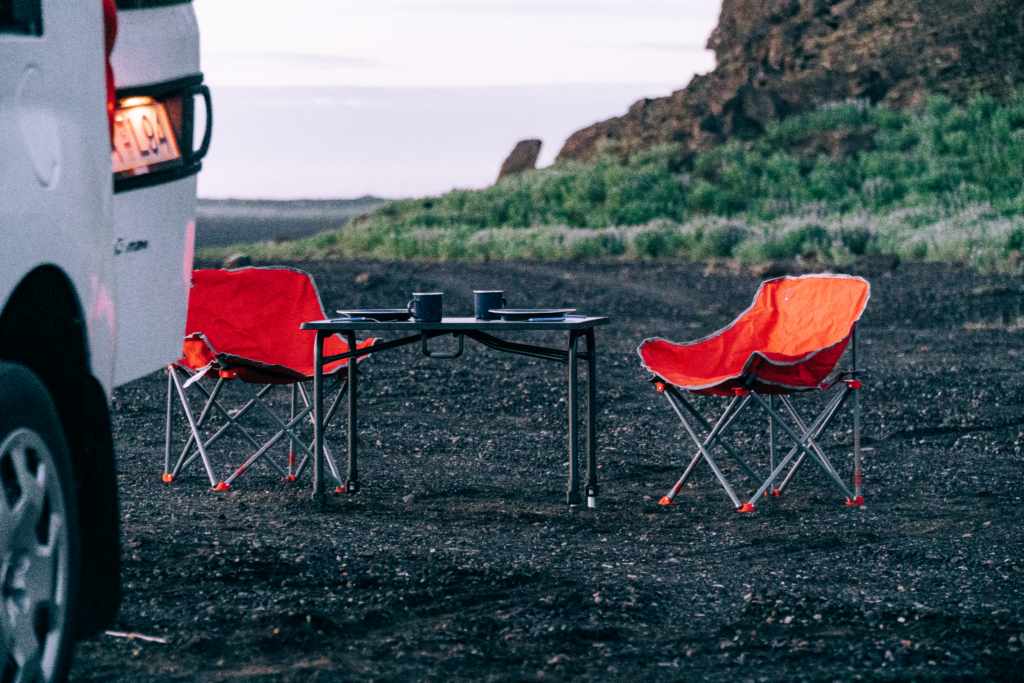
For some first-time visitors, traveling in Iceland by campervan can feel like a big step. It might sound complicated, especially if you’ve never done a road trip like this before. In reality, Iceland is one of the easiest places to try it. Roads are well maintained, routes like the Ring Road are clearly marked, and campsites are widely available, making the logistics far more straightforward than most people expect.
Comfort is another common concern, particularly for travelers used to hotels. But modern campervans are designed to be practical and comfortable rather than basic. With heating, sleeping space, and simple cooking facilities, they provide everything you need without overcomplicating the experience. For many first-time travelers, the biggest benefit isn’t just cost savings—it’s the flexibility. Being able to adjust your plans around the weather or stay longer in places you love often makes the trip feel easier, not harder.
How Expensive Is Iceland? Your Budget Breakdown
Iceland has a reputation for being expensive—and for the most part, it’s true. However, the overall cost of your trip depends less on the destination itself and more on how you choose to travel.
For first-time visitors, the biggest expenses typically fall into a few key categories: accommodation, transport, food, and activities. Understanding how these work together is the key to keeping your trip manageable.
What Drives the Higher Costs in Iceland?
Several factors make Iceland more expensive than other European destinations:
- Imported goods and food increase everyday prices
- High demand during peak seasons drives up accommodation costs
- Limited accommodation options outside major areas
- Fuel and transport costs for getting around the country
Because of this, traditional travel styles, like booking hotels and renting a car separately, can quickly add up.
Typical Travel Costs
While prices vary depending on the season and your travel style, here’s a general breakdown of what to expect:
| Category | What to Expect |
|---|---|
| Accommodation | One of the highest costs, especially in summer. Hotels and guesthouses tend to be limited and can book out quickly (~$88-$155 per night) |
| Transport | Rental cars, fuel, and insurance can add up, particularly for longer trips along the Ring Road (Rental car: ~$65-$120 per day, campervan rental: $80-$300 per day) |
| Food | Eating out regularly is expensive, with restaurant meals often priced higher than in most European countries (~$15-$35 per day) |
| Activities | Many natural attractions are free, but guided experiences (glaciers, tours, lagoons) can increase your budget (~$0-$30 per day) |
For exact cost breakdowns, view our blog: Iceland Trip Cost Breakdown for Every Traveler.
How Campervans Help Reduce Costs
One of the main reasons campervan travel is so popular in Iceland is that it simplifies and reduces several of these costs at once.
Instead of paying separately for accommodation and transport, a campervan combines both into a single expense. This alone can make a noticeable difference, especially during peak travel months when hotel prices are at their highest.
It also helps lower day-to-day spending. Having the ability to cook your own meals rather than eating out multiple times a day can significantly reduce food costs over the course of a trip. And because you’re not tied to fixed accommodation bookings, you can adjust your route more easily, avoiding unnecessary driving and making more efficient use of fuel.
Best Time to Visit Iceland for First Timers
The best time to visit Iceland depends on your priorities, but for most first-time travelers, summer and the shoulder seasons offer the easiest and most flexible experience.
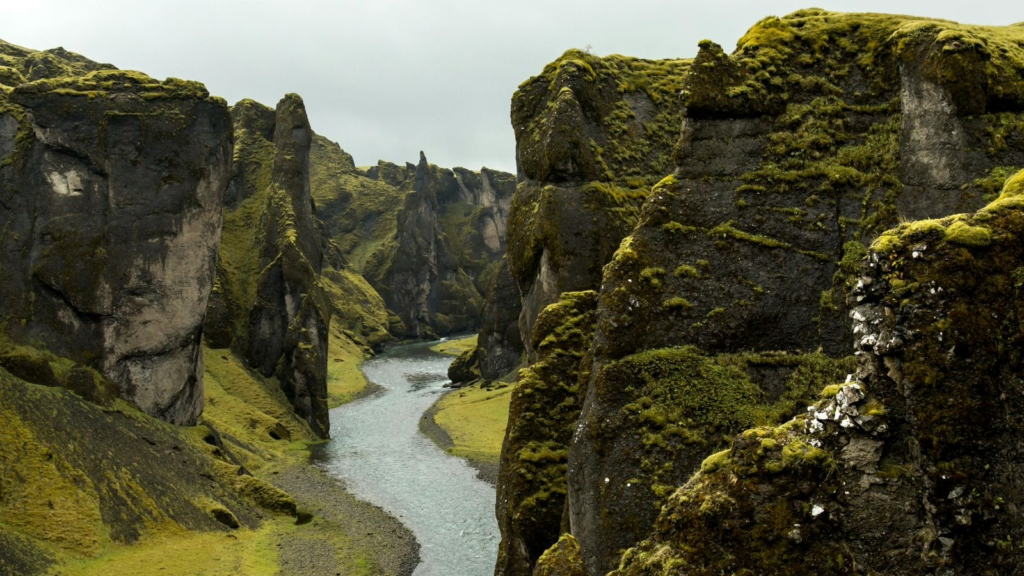
Summer brings long daylight hours and full access to major routes, making it ideal for road trips. Winter offers dramatic landscapes and Northern Lights, but comes with shorter days and more challenging conditions. The months in between—particularly May and September—often strike the best balance between weather, crowds, and cost.
No matter when you visit, Iceland’s weather can change quickly, so building flexibility into your plans is key.
For a full breakdown of seasons, weather, and when to go, read our complete guide to the best time to visit Iceland.
Campervan Camping in Iceland (What You Need to Know)
Camping in Iceland is straightforward, well-organised, and one of the reasons campervan travel works so well for first-time visitors. The country has a strong camping culture, with facilities designed to support road trips around the island.
That said, there are a few important rules and expectations to understand before you go.
Camping Rules in Iceland
Unlike some countries, you cannot park and camp anywhere you like in Iceland—especially in a campervan.
Wild camping (sleeping outside designated campsites) is restricted for motorised vehicles, and in most cases, you are required to stay overnight in official campsites. This helps protect Iceland’s fragile natural environment and ensures access to proper facilities.
The good news is that campsites are:
- Widely available across the country
- Located near major attractions and along popular routes like the Ring Road
- Easy to find, often without needing advance booking
For first-time travelers, this actually simplifies planning. Instead of worrying about where you’re allowed to stay, you can follow your route and stop at designated campsites along the way.
Legal Considerations
There are a few key regulations to keep in mind when traveling by campervan in Iceland:
- Stay in designated campsites overnight
Parking in laybys, car parks, or roadside areas is not permitted for sleeping - Respect private land and protected areas
Off-road driving and camping in restricted areas are strictly prohibited and heavily fined - Follow local campsite rules
Some campsites have quiet hours, check-in times, or payment systems (often pay on arrival) - Check seasonal availability
Not all campsites are open year-round, especially outside of summer
These rules are taken seriously, but they’re also easy to follow. As long as you plan to stay in official campsites and respect the environment, you won’t run into issues.
For first-time visitors, camping in Iceland is less about “roughing it” and more about having a flexible, practical base as you explore. With a reliable network of campsites and clear guidelines, it’s a system that’s designed to make road travel simple—while still letting you experience Iceland’s landscapes up close.
What to Pack for Iceland – Campervan Edition
Packing for Iceland is all about layers and weather protection. Conditions can change quickly, so waterproof clothing, warm layers, and sturdy footwear are essential year-round.
For campervan travel, keep it practical—pack light, bring versatile clothing, and add a few essentials like a torch, reusable water bottle, and shower items for campsites.
For a full packing checklist and seasonal recommendations, read our complete Iceland packing guide.
Common Mistakes First-Time Visitors Make
Iceland is relatively easy to travel in, but there are a few common mistakes that can make a first trip more stressful—or more expensive—than it needs to be. Being aware of them upfront can save you time, money, and unnecessary hassle.
One of the biggest mistakes is overplanning the itinerary. It’s tempting to try to see everything, especially on a short trip, but Iceland is best experienced at a slower pace. Distances can be deceptive, and weather conditions can change plans quickly. Leaving some flexibility in your schedule makes the trip far more enjoyable.
Another common issue is underestimating the weather. Even in summer, conditions can shift from sunshine to wind and rain within hours. Not packing proper waterproof layers or planning for sudden changes can quickly impact your comfort and ability to explore.
Many first-time visitors also rely too heavily on fixed accommodation bookings, which can limit flexibility, especially if the weather disrupts your route. This often leads to unnecessary backtracking or rushing through certain areas just to stay on schedule.
Driving-related mistakes can also catch people off guard. While Iceland’s main roads are well maintained, wind, narrow roads, and changing conditions require attention and confidence. Taking your time and staying informed about road and weather updates is key.
Finally, it’s easy to underestimate daily costs, particularly when it comes to food and activities. Small decisions, like eating out frequently or adding last-minute tours, can add up quickly over the course of a trip.
Avoiding these common pitfalls doesn’t require complicated planning, simply the right mindset. Keeping your itinerary flexible, preparing for the weather, and choosing a travel style that adapts easily to changing conditions can make a significant difference to your overall experience.
How to Book Your Campervan in Iceland
Booking a campervan in Iceland is simple, but choosing the right vehicle and timing your booking well can make your trip much smoother.
What to Look For
Focus on the essentials: size, included equipment, and insurance. Smaller vans are easier to drive, while larger ones offer more comfort. A fully equipped campervan (with heating and cooking basics) helps keep things simple, especially for first-time travelers.
Explore campervan options to find the right fit for your trip.
When to Book
Campervans book out quickly—especially in summer. For the best choice and availability, it’s worth booking in advance, particularly during peak travel months.
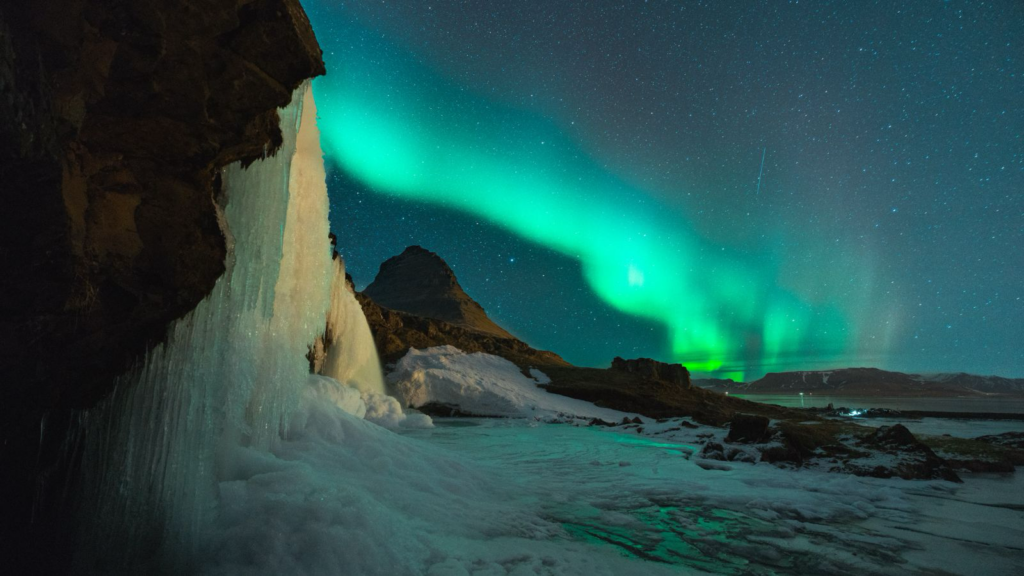
Iceland is one of the most rewarding destinations for first-time travelers—especially when you keep things simple and flexible.
With the right planning for your trip to Iceland and a travel style that lets you adapt as you go, you can experience more of the country without unnecessary stress.
Frequently Asked Questions About Visiting Iceland for the First Time
Is Iceland good for first-time travelers?
Yes, Iceland is one of the best destinations for first-time international travelers. It’s safe, easy to navigate, and offers a wide variety of landscapes within short driving distances. With good infrastructure and English widely spoken, it’s an accessible place to explore independently.
What is the best way to visit Iceland for first-timers?
For most first-time visitors, a campervan is the best way to travel in Iceland. It combines transport and accommodation, giving you the flexibility to adapt your route, manage costs, and experience more of the country at your own pace.
Where should you stay in Iceland for the first time?
Instead of staying in one place, most first-time visitors travel around the country. A campervan allows you to stay at campsites along your route, while hotel-based trips typically involve booking accommodation in multiple locations, such as Reykjavik, the South Coast, and near the Golden Circle.
How many days do you need in Iceland?
A minimum of 5 to 7 days is recommended for a first trip. This allows enough time to explore key areas like Reykjavík, the Golden Circle, and the South Coast without rushing. With more time, you can complete the full Ring Road.
Is Iceland expensive for first-time travelers?
Iceland is generally more expensive than other European destinations, particularly for accommodation and food. However, costs can be managed by choosing a flexible travel style, cooking your own meals, and focusing on free natural attractions.
Can you visit Iceland without a car?
Yes, but it can be limiting. Guided tours are available, but they follow fixed routes and schedules. Renting a vehicle, especially a campervan, offers far more flexibility and allows you to explore beyond the main tourist areas.
Is it safe to drive in Iceland?
Yes, driving in Iceland is generally safe, especially on main roads like the Ring Road. However, conditions can change quickly due to weather, so it’s important to drive cautiously and stay updated on road conditions.
Is campervan travel safe in Iceland?
Yes, campervan travel is safe and widely used by visitors. Campsites are well-maintained, roads are accessible, and the overall infrastructure supports road travel. As long as you follow local rules and plan accordingly, it’s a straightforward way to explore the country.
Do you need to book campsites in advance?
In most cases, no. Many campsites operate on a first-come basis, especially outside peak season. During busy summer months, it’s helpful to arrive earlier in the day, but advance booking is not always required.
What is the biggest mistake first-time visitors make?
One of the most common mistakes is trying to see too much in a short time. Overloading your itinerary can lead to rushed travel and less time to enjoy each location. Keeping your plans flexible and allowing time for unexpected stops leads to a much better experience.