
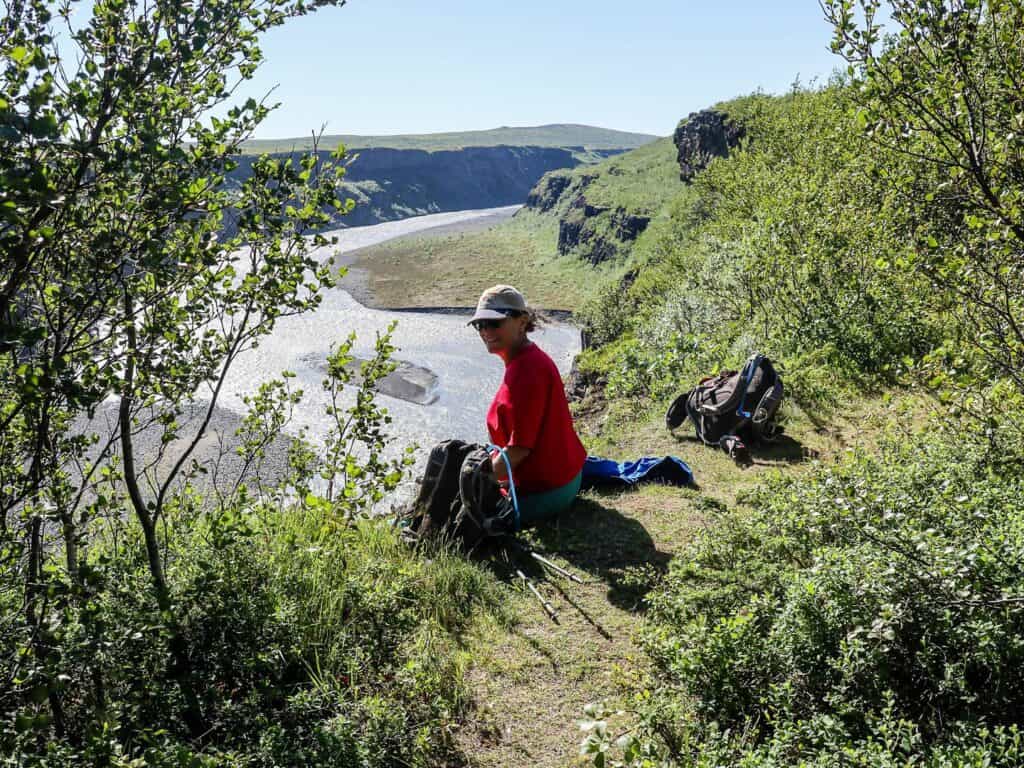
Iceland in summer: the season of cool, bright weather, long days, the Midnight Sun, peak tourism, and prime time for a self-drive or camper van trip. Along with all of this comes more open services, better access than winter, and a strong choice of road trip routes. You also get changeable weather, and the temptation to plan too much because the sky stays light for so long.
For most travelers, summer in Iceland means roughly mid-June to late August. It is a strong season for hiking, whale watching, puffin spotting, camping, photography, the Westfjords, North Iceland, the Ring Road, and longer camper van routes.
This guide helps you decide which summer month fits your trip, what to expect from Iceland’s summer weather, what to pack, where to go, when a 4×4 matters, and how to plan a camper van route without second-guessing every choice.
Planning a summer road trip? Check camper van availability for summer.
Jump to
- Iceland in summer at a glance
- When is summer in Iceland?
- Iceland summer weather: cool, bright, and changeable
- June vs July vs August: which summer month should you choose?
- Is summer a good time to rent a camper van in Iceland?
- Where to go in Iceland in summer
- Best things to do in Iceland in summer
- How to avoid crowds in Iceland in summer
- What to pack for Iceland in summer
- Do you need a 4×4 in Iceland in summer?
- Travel costs for Iceland in summer
- Common Iceland summer planning mistakes
- Ready to plan your Iceland summer road trip?
- FAQs
Iceland in summer at a glance
Iceland in summer is not a hot-weather beach trip. It is a long daylight road trip season where flexibility matters. For camper van travelers, that means choosing the right route before choosing the vehicle, packing for wind and rain, booking key parts of the trip early, and leaving space in the plan when the weather changes.
| Planning factor | What to expect | Why it matters for camper van travel |
|---|---|---|
| Season window | June to late August | This is the main summer travel window for most first-time road trips. |
| Weather | Cool, windy, and changeable | Pack layers and keep each day flexible. See our Iceland weather by month guide for deeper planning. |
| Daylight | Very long days, with Midnight Sun in late June/early July | You can use early and late stops, but you still need proper rest. |
| Crowds | Peak season in popular areas | Book camper vans, campsites in Iceland, ferries, and popular activities early. |
| Roads | More access than winter, but no guarantees | F-roads need the correct approved vehicle and current checks. Read more about driving the Highlands in Iceland. |
| Best for | Road trips, camping, hiking, wildlife, photography | Summer suits travelers who want freedom and longer days. |
| Book ahead | Camper vans, campsites, ferries, popular tours | Waiting too long can narrow your vehicle and route options. |
When is summer in Iceland?
For most camper van travelers, summer in Iceland means the period when long daylight, open campsites, and better road access make self-drive planning simpler. That usually means mid-June to late August.
June feels like early summer. It is the strongest month for Midnight Sun-style travel and long days, but conditions can still feel cool. July is peak summer, with strong route access and the highest demand. August still works very well for road trips, wildlife, hiking, and camping, with slightly darker evenings later in the month.
The shoulder periods around summer can also be useful, especially if you want fewer people on popular routes. This article focuses on the main summer travel season. For a broader comparison across spring, summer, fall, and winter, read our guide to the best time to visit Iceland.
The important point is this: summer makes planning easier, not automatic. Weather still changes quickly, F-road access still depends on road status and vehicle rules, and popular services can still sell out or require advance planning.
Iceland summer weather: cool, bright, and changeable
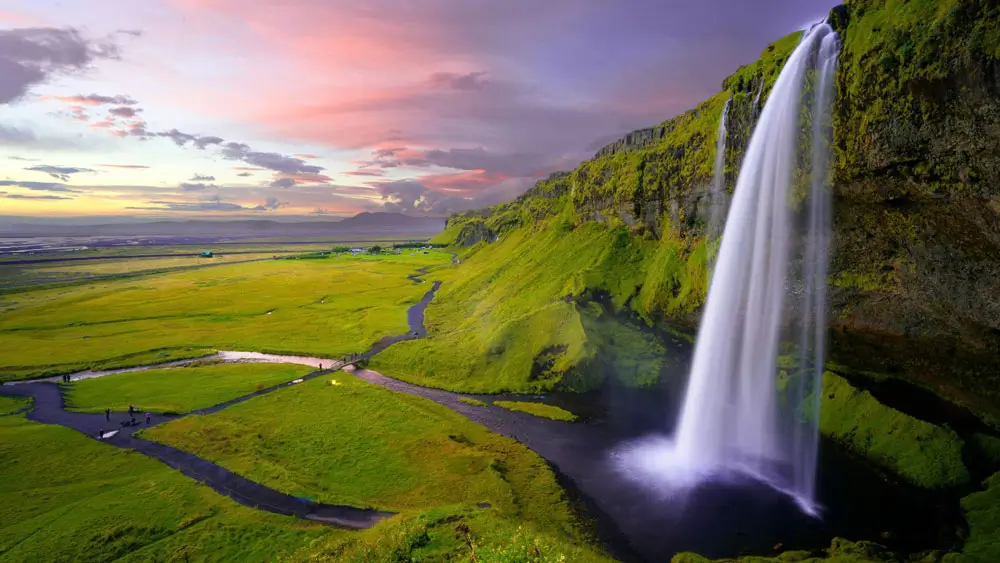
Iceland’s summer weather is mild by local standards, but it is not warm in the way many travelers expect from summer. Average summer temperatures are around 50-55°F/10–13°C, with some warmer days reaching 60-68F°/15-20°C, depending on where on the island you are visiting. But even when the forecast looks mild, Icelandic wind and rain can make the day feel colder.
This matters when you are living out of a camper van. You don’t need to pack for winter, but you do need to pack for wet trails, windy viewpoints, cool evenings, and regional changes. The Icelandic rule of thumb is to pack layers, as these work better than one heavy coat. A waterproof and windproof outer layer is more useful than a suitcase full of warm clothes you never combine properly.
Plan each day with a weather-flexible option. In a camper van, that might mean switching a long hike for a shorter waterfall stop, a geothermal pool, a museum visit, or an easier driving day if wind or rain changes your plan. You can still make good use of the day without forcing the original route.
Check the forecast on the official Icelandic Met Office website before you drive, especially if you are leaving the main paved routes or planning a long day between campsites. For a broader seasonal breakdown, use our Iceland weather guide alongside our Iceland weather by month guide.
June vs July vs August: which summer month should you choose?
There is no single “right” summer month for every Iceland trip. The better question is which month fits your route, group, driving style, and tolerance for peak-season demand.
| Month | Weather/daylight | Crowds | Best for | Watch-outs | Camper van planning tip |
|---|---|---|---|---|---|
| June | Long daylight and early-summer conditions; cooler feel likely | Busy, but often less intense than July | Midnight Sun travel, photography, longer driving days | Some areas may still need road/access checks | Choose June if long daylight matters more than the warmest conditions. |
| July | Peak summer conditions and high demand | Usually the busiest summer month | First-time road trips, families, hiking, camping | Popular stops, campsites, and vehicles can book quickly | Choose July if you want the classic summer window and can plan early. |
| August | Still summer, with slightly darker evenings later in the month | Busy, but the feel can shift later in the month | Road trips, late-summer light, wildlife, flexible routes | Weather can start feeling more autumnal toward the end | Choose August if you want summer access with evenings that feel less endless. |
One June anniversary trip gives a useful picture of what that early-summer window can feel like:
A couple who visited from June 17–25 found that the long daylight shaped the whole trip. They described the nights as never becoming fully dark, with a long sunset-like window that suited travelers who like later stops. They also saw why June still needs flexible expectations: most of their trip brought clear skies and temperatures in the 50s, but the final days turned drizzly. Their experience fits June well — bright, useful for road trips, and often beautiful, but still Icelandic enough that rain gear should stay close.
Choose June if you want the longest daylight and are comfortable with early-season variability. Choose July if your priority is the most typical summer road trip window and you are willing to book ahead. Choose August if you still want a summer camper van trip but prefer slightly darker evenings and a late-summer feel.
Is summer a good time to rent a camper van in Iceland?
Yes. Summer is one of the easiest seasons to rent a camper van in Iceland because the days are long, more campsites are operating, and more routes are practical than in winter. A camper van gives you control over your route without tying every night to a hotel booking.
That flexibility is useful, but it does not mean you can avoid planning. Summer is peak season, so camper vans, campsites, ferries, and popular activities should be booked early where possible. You also need to plan legal overnight stops. A camper van gives you freedom within Iceland’s rules, not permission to park anywhere overnight.
A summer camper van trip suits couples who want a flexible Ring Road or South Coast plan, families who want their sleeping space and route planned together, photographers who want early or late access to key areas, and longer-stay travelers who want to move at their own pace.
Before you choose a camper, think about your route, the season, how many people are traveling, and how much space you need to sleep comfortably. If your plan stays on paved roads such as the Golden Circle, South Coast, or much of the Ring Road, you may not need a 4×4. If your plan includes F-roads or the Highlands, you need the correct approved 4×4 vehicle and current road checks.
Use our Iceland road trip guide, campsites in Iceland, and Iceland campground map to connect your route with realistic overnight stops.
Find the right camper for your summer route.
How to plan around the Midnight Sun
The Midnight Sun is one of the biggest advantages of Iceland in summer, but it can also create one of the most common planning mistakes. Long daylight gives you more flexibility. It does not give you more energy.
Use the extra light carefully. Early mornings and late evenings can be good times to visit popular places with fewer people, especially on busier routes. They can also help photographers work with softer light. But you still need realistic driving days, meal stops, and campsite arrival times.
One summer-solstice trip shows why the Midnight Sun can be both useful and easy to overuse:
A group traveling close to the summer solstice wrote from their camper at 12:30 in the morning, with daylight still visible outside the van. Their bodies had not quite caught up with the four-hour time change, and the bright sky made time feel loose. The camper helped them cover the Ring Road in a short window, with sleeping bags, WiFi, a table, chairs, and space for four. But the same story also shows the planning risk: long light makes ambitious routes tempting, so rest still needs to be built into the day.
The biggest Midnight Sun mistake is treating daylight as extra fuel. It is easy to add “just one more stop” again and again until the day becomes too long. That is when driving gets tiring, especially if weather, gravel roads, or unfamiliar routes are involved.
Pack an eye mask if you are sensitive to light. Families should be especially careful with rest, because children may not sleep normally when the sky stays bright. If you are traveling as a couple or group, agree on a daily stopping point before the day starts.
“The Midnight Sun is useful for summer road trips, but it can also tempt travelers to do too much in one day. We usually tell guests to use the extra daylight for flexibility, not for longer driving hours. Visit busy stops earlier or later if it fits your route, but still plan proper rest, meals, and a realistic campsite arrival.”
– Rent.is team
For a deeper guide to the timing and travel experience, read our full article on the Midnight Sun in Iceland.
Where to go in Iceland in summer
Summer gives you more route choice than winter, but the right route still depends on your time, vehicle, and comfort with longer driving days.
| Route area | Best for | Crowd level | Camper van fit | Watch-out |
|---|---|---|---|---|
| Golden Circle | First-time travelers, short trips, easy planning | High | Strong for 2WD routes | Use early or late daylight to avoid the busiest hours. |
| South Coast | Waterfalls, black sand beaches, glacier areas | High | Strong for first-time road trips | Do not underestimate drive times if continuing far east. |
| Ring Road | Full-island road trips | Medium to high | Strong if you have enough days | Needs realistic pacing. Read our Ring Road in Iceland guide. |
| Westfjords | Fewer crowds, remote coastlines, photography | Lower than classic routes | Strong for travelers with extra time | Longer drives and weather flexibility matter. |
| North Iceland | Whale watching, Akureyri, Dettifoss, quieter road trip feel | Medium | Strong for extended routes | Distances feel longer than they look on a map. |
| Highlands | F-roads, interior landscapes, experienced planning | Variable | Correct approved 4×4 only | Check road status and vehicle permissions before you go. |
Westfjords in summer
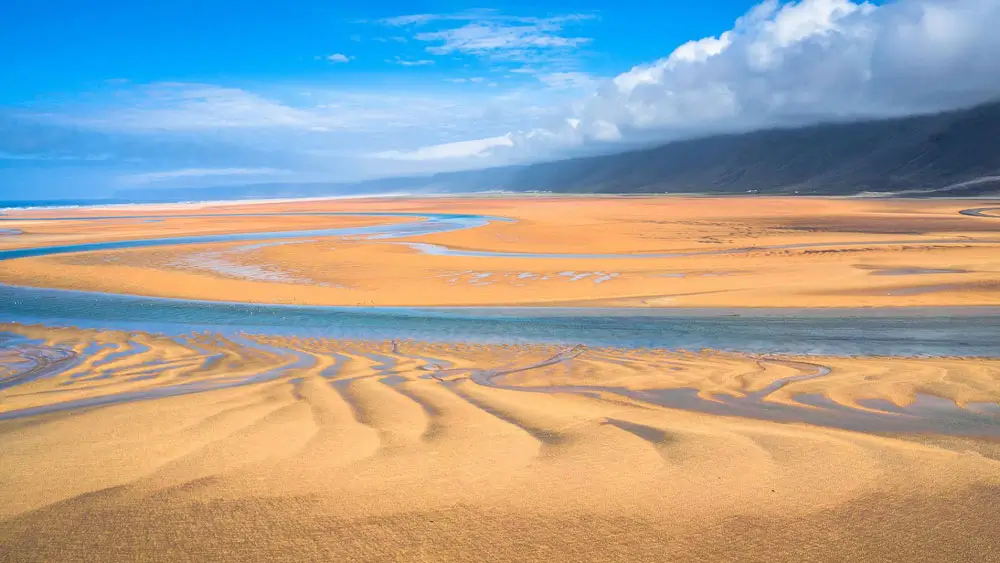
he Westfjords are a strong summer choice if you want dramatic coastlines, longer drives, and fewer people than the classic South Coast and Golden Circle routes. The landscape is filled with rugged mountain peaks, lush foliage in the summer and sweeping fjords. This reveals one of the most dramatic coastlines you’ll ever see.
Unlike other regions of Iceland known for black sand (although those exist here, too), the Westfjords are famous for their long stretches of golden sand. Rauðasandur beach, for example, boasts reddish-gold sand that shimmers in the sunlight.
Routes can take longer than expected, weather can shift, and services are more spread out than on the main tourist routes. That makes route planning and campsite planning important. Start with our Westfjords travel guide before committing to this part of the trip.
North Iceland in summer
North Iceland works well for travelers who want waterfalls, towns, whale watching areas, geothermal landscapes, and a less South Coast-heavy trip. Akureyri is a useful base or stop, and Húsavík is often famous for whale watching.
Golden Circle and South Coast
The Golden Circle and the South Coast are practical for first-time travelers because they are easier to plan and connect naturally with many camper van routes. They are, however, busy in the summer. Use long daylight to visit earlier or later, and build in backup stops rather than trying to force every famous place into one short window.
Ring Road and Highlands
The Ring Road can be excellent in summer if you have enough time. It is not a route to rush just because daylight lasts longer. Start with our Iceland road trip guide and then use the Ring Road in Iceland guide for more details.
The Highlands are different. F-roads are difficult-terrain gravel roads, but they require the correct approved vehicle and current road status checks. Off-road driving is illegal in Iceland. If your route includes the interior, read our guide to driving the Highlands in Iceland before choosing a camper.
Best things to do in Iceland in summer
Go whale watching where it fits your route
Whale watching works especially well if your summer route takes you through North Iceland or the Westfjords. Húsavík is one of the better-known whale watching towns in North Iceland, while Hólmavík can fit into a Westfjords plan.
The camper van planning point is simple: do not force a whale watching stop into a route that is already too full. Boat tours take time, weather can affect departures, and you may want a slower evening afterward rather than another long drive. If whale watching is a priority, build the day around it and choose a nearby campsite before you book.
For seasonal planning, see our guide to whale season in Iceland.
See puffins without turning the day into a photo chase
Puffins are one of the reasons many travelers choose Iceland in summer, especially photographers and families. If you’re eager to see puffins and are visiting between April and August, Látrabjarg in the Westfjords is an unforgettable place to view them.
Keep this activity realistic. Puffin sites are often coastal, exposed, and not always close to the next major stop. Give yourself time, bring a warm layer, and do not build the whole day around one wildlife sighting. You are visiting a nesting area, not a viewing platform, so keep a distance and follow local guidance.
Choose hikes, waterfalls, and hot springs by weather
Summer gives you more room for hiking, waterfall stops, and geothermal pools, but the weather should still decide the day. If wind and rain make a long hike unpleasant, switch to a shorter trail, a waterfall stop, a museum, or a hot spring. That kind of flexibility is one of the main advantages of traveling by camper van.
For hiking days, keep dry socks and a warm layer easy to reach rather than buried in your luggage. For hot springs and pools, keep your swimsuit and quick-dry towel in a separate bag so you can stop without unpacking the whole van.
Use our guides to hiking in Iceland and hot springs in Iceland to plan activities that fit your route.
Use towns as reset stops, not just sightseeing stops
A good summer road trip is not just viewpoint after viewpoint. Town stops help you reset. Akureyri, for example, can work well on a North Iceland route because it gives you a place to slow down, eat properly, pick up supplies, and take a break from longer driving days.
This matters more in a camper van than many first-time travelers expect. You will enjoy the remote stretches more if you plan occasional town time for groceries, laundry, coffee, charging, and a proper walk around. Treat these stops as part of the route, not as backup plans for bad weather.
Plan one slower outdoor stop into each long driving day
Summer makes it tempting to build days around big-name places, but the smaller recovery stops often make a camper van route work better. Add one slower stop into longer driving days: a local pool, a short coastal walk, a quiet lunch stop, a town bakery, or a campsite with time to cook before bed.
This is especially useful for families and first-time camper van travelers. You’ll still see the major waterfalls, beaches, fjords, and viewpoints, but you won’t spend the whole trip unpacking, driving, photographing, and moving on. In summer, the goal is not to fill every bright hour. It is to give the route enough space so that weather, crowds, and tiredness do not control the trip.
How to avoid crowds in Iceland in summer
Summer is peak season in Iceland, especially on the Golden Circle, South Coast, and the most photographed stops. Crowds do not need to ruin the trip, but you should plan for them instead of being surprised by them.
Use early mornings and late evenings when your route and rest schedule allow it. Long daylight gives you more timing options, but do not use it as an excuse to drive tired. If you visit a busy stop late, choose a nearby campsite rather than adding another long drive afterward.
Spend more time beyond the busiest route sections if your trip length allows it. The Westfjords, North Iceland, and parts of longer Ring Road routes can help spread out the trip, but they need more time and more realistic driving plans.
Book key pieces early: camper van, first and last nights, campsites where needed, ferries, and high-demand activities. Keep backup stops in your route plan in case a place feels too crowded, or the weather turns. A camper van helps because you can adapt, but it does not remove the need to follow campsite and parking rules.
What to pack for Iceland in summer
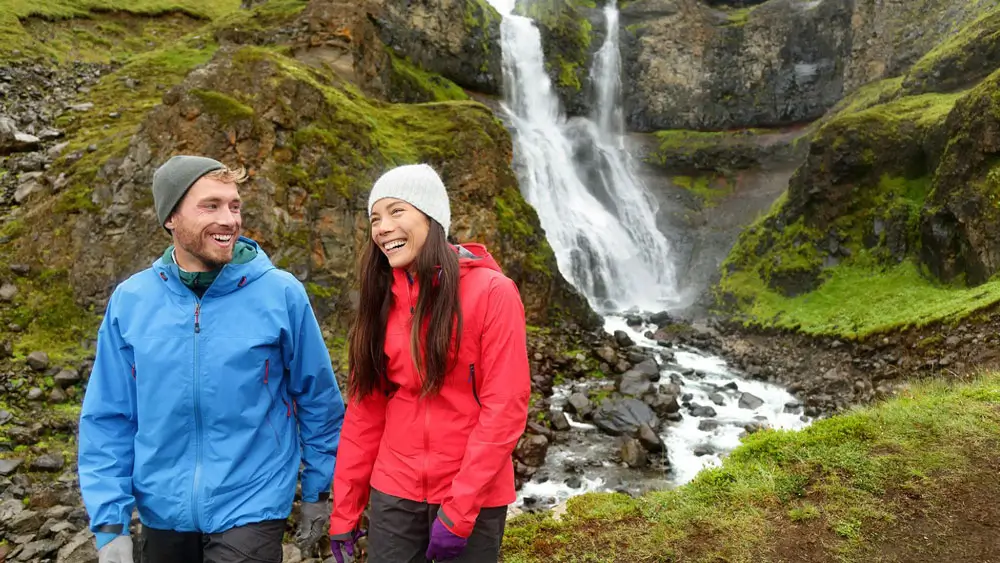
Packing for Iceland in summer is about layers, waterproof gear, and comfort across changing conditions. Don’t pack for a warm beach destination, but also avoid packing for the depths of winter. Pack so you can adjust during the day.
For a full checklist, use our Iceland camper van packing list.
Clothing essentials
Bring lightweight base layers, long-sleeved shirts, warm mid-layers, a waterproof and windproof jacket, hiking pants, warm socks, and waterproof shoes or hiking boots. A hat and gloves can still be useful for cold evenings or windy viewpoints.
Camper van and campsite essentials
Bring a quick-dry towel, swimwear for pools and hot springs, a reusable water bottle, charging cables, a power bank, and a travel adapter. Families should pack small comfort items that make sleep easier in long daylight.
Hiking and outdoor gear
For hiking days, bring waterproof footwear, a daypack, snacks, water, sun protection, and clothing you can adjust quickly. Wet ground and wind can matter more than the temperature.
Photography and Midnight Sun extras
Photographers should plan for long shooting windows, extra batteries, and storage. Anyone sensitive to light should bring an eye mask for the Midnight Sun period.
| Scenario | Pack extra |
|---|---|
| Camper van trip | Eye mask, charging setup, quick-dry towel, campsite shoes |
| Hiking days | Waterproof shoes, daypack, warm layer, water bottle |
| Photography | Extra batteries, lens cloth, storage, gloves for cool evenings |
| Family trip | Sleep aids, spare layers, snacks, easy campsite clothing |
| City + day trips | Comfortable walking shoes, rain jacket, small day bag |
Do you need a 4×4 in Iceland in summer?
Not every summer route needs a 4×4. Many popular routes use paved roads, including the Golden Circle, South Coast, and much of the Ring Road (aside from seasonal weather changes and some potential detours). For those trips, a standard camper van may be the right choice if it fits your group size, comfort needs, and route.
A 4×4 becomes important when your plan includes F-roads or the Highlands. F-roads are not off-road driving. They are marked mountain roads, and they require the correct approved vehicle. Off-road driving is illegal in Iceland, and leaving marked roads is not acceptable.
Before you choose a camper, choose your route. Then check whether that specific camper is approved for the roads you want to drive. Road openings and conditions vary, so do not build a Highland route around assumptions.
If your plan includes F-roads or the Highlands, check whether your specific camper is approved before you build the route. Start with our guide to driving the Highlands in Iceland.
Compare 2WD and 4×4 camper options
Travel costs for Iceland in summer
Summer is peak season in Iceland, so prices and availability can change quickly. The easiest way to budget is to focus on the main cost drivers: your camper van type, rental length, fuel, campsites, food, activities, flights, insurance, optional extras and how much driving your route involves.
| Cost driver | What to plan for |
|---|---|
| Camper van | Vehicle size, 2WD vs 4×4, season, duration, insurance/extras. |
| Fuel | Route length and vehicle type. Use our gas prices in Iceland guide for deeper planning. |
| Campsites | Legal overnight stops still need budgeting and planning. The Iceland Camping Card can help you save money if you are staying at multiple campsites during your trip. |
| Food | Cooking in the camper van can help control costs, but grocery planning still matters. |
| Activities | Whale watching, ferries, pools, and guided activities can add up quickly. |
| Flights | Summer demand can affect flight costs. |
A camper van reduces hotel dependence, but it is not automatically the lowest-cost option for every traveler. Compare the full trip, not just the vehicle. For more detail, read our Iceland trip cost guide.
Common Iceland summer planning mistakes
- Treating summer like warm weather. Iceland’s summer can feel cool, wet, and windy. Pack for changing conditions, not just the calendar.
- Booking too late. Summer demand can limit camper van choice, campsite options, ferries, and popular activities
- Planning too much because daylight lasts longer. Long daylight helps, but it does not make driving less tiring. Build in rest, food stops, and realistic campsite arrivals.
- Choosing a vehicle before choosing a route. Start with your route, group size, luggage, comfort needs, and F-road plans. Then choose the camper.
- Assuming all roads are open and easy. Summer gives more access than winter, but weather and road conditions still matter. This is especially true for F-roads and remote areas.
- Expecting Northern Lights in summer. Summer is not the right season for Northern Lights viewing because the skies are too bright for much of the night. Plan around Midnight Sun, wildlife, hiking, and road trips instead.
Good summer planning does not need to be complicated. It just needs to be honest about weather, daylight, crowds, route length, and vehicle fit.
Ready to plan your Iceland summer road trip?
Iceland in summer gives you long days, flexible routes, open-air travel, and some of the easiest conditions of the year for a camper van trip. The key is to plan the trip in the right order: choose your month, choose your route, check whether you need 2WD or 4×4, build legal overnight stops into the plan, and pack for cool, changeable weather.
Rent.is helps travelers explore Iceland responsibly and confidently, with camper van options for different routes, group sizes, and comfort needs. If you are still comparing routes, start with our Iceland road trip guide. If you already have dates, the next step is choosing the right camper for the way you want to travel.
Check camper van availability for your summer dates
FAQs about Summer in Iceland
Is summer a good time to visit Iceland?
Yes. Summer is one of the easiest seasons for visiting Iceland because daylight is long, more roads and campsites are accessible, and outdoor activities are easier to plan. It is also peak season, so book your camper van, campsites, ferries, and popular activities early.
When is summer in Iceland?
Iceland’s main summer travel period is usually from mid-June to late August. June is known for the Midnight Sun, July is peak summer, and August still offers long days with slightly darker evenings.
What is the weather like in Iceland in summer?
The Icelandic summer is cool and changeable. Expect mild temperatures, wind, rain, and long daylight rather than hot beach weather. Pack layers, waterproof outerwear, and shoes that can handle wet ground.
Can you see the Northern Lights in Iceland in summer?
Summer is not the right season for Northern Lights viewing because the skies are too bright for much of the night. Visit in darker months if aurora viewing is a priority. In summer, plan around the Midnight Sun, wildlife, hiking, and road trips instead.
Do you need a 4×4 in Iceland in summer?
Not for every route. Many popular summer routes use paved roads, but F-roads and Highlands routes require the correct approved 4×4 vehicle. Always check your vehicle’s allowed roads and current road conditions before planning those routes.
Is a camper van a good option for Iceland in summer?
Yes, a camper van can work very well in summer because long daylight and open campsites give travelers more flexibility. The main trade-off is demand: book early, plan legal overnight stops, and choose the right vehicle for your route and group size.
What should I pack for Iceland in summer?
Pack layers, waterproof and windproof outerwear, hiking shoes, warm socks, swimwear, sunscreen, sunglasses, a reusable water bottle, and an eye mask for the Midnight Sun. Camper van travelers should also plan for campsite comfort and charging needs.