
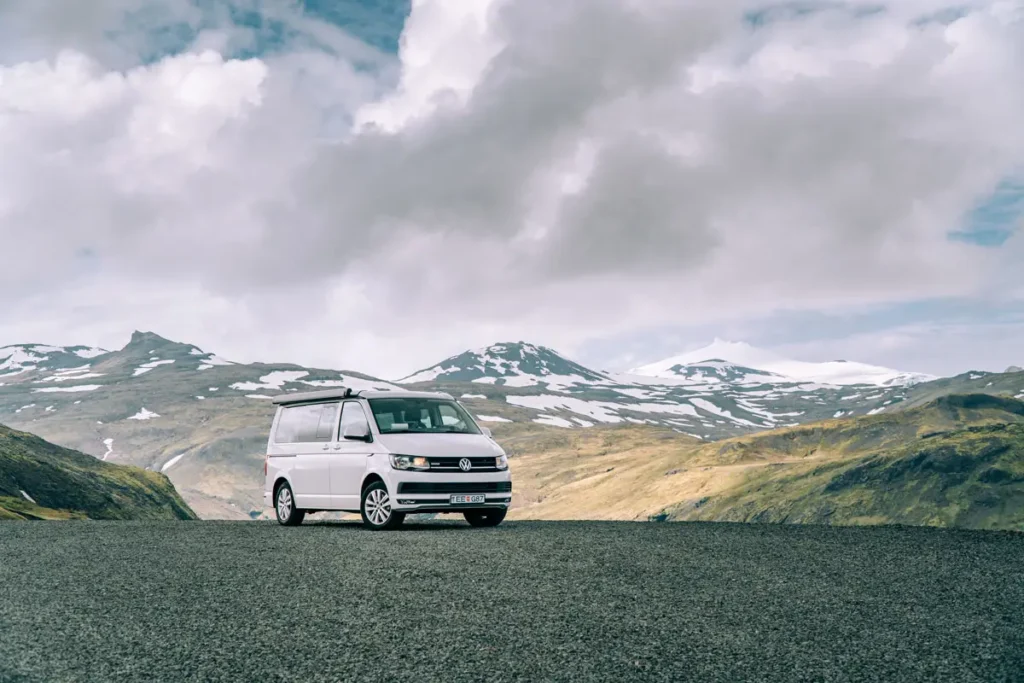
Iceland self-drive tours can mean two very different things, and choosing the wrong one for how you travel will shape the whole trip.
For many travelers, Iceland is a bucket-list destination. Sometimes that means chasing the Northern Lights across a winter sky, driving beneath the midnight sun in July, or pulling over at a waterfall with no one else around. A self-drive trip is one of the best ways to experience all of it – on your own terms.
Some travelers want a pre-planned tour package with the route planned, hotels booked, and all the logistics handled. Others want to build the itinerary themselves, carefully crafting their route, their stops, their pace, in a camper van. Both can work well, but the right choice depends on how you like to travel.
Check camper van availability.
Jump to
- What is an Iceland self-drive tour?
- Self-drive tour package vs camper van trip
- Common mistakes on Iceland self-drive tours
- When is the best time for an Iceland self-drive tour?
- Can you tour Iceland on your own?
- How many days do you need for an Iceland self-drive tour?
- Choosing the right camper van
- Planning campsites, food, fuel, and daily driving time
- Routes that work well for camper van self-drive tours
- What not to self-guide in Iceland
- Build your own self-drive tour with Rent.is
- FAQs
What is an Iceland self-drive tour?
An Iceland self-drive tour is a road trip where you drive yourself between planned stops instead of joining a guided coach tour. You can book it as a package with a car, accommodation, and itinerary included, or you can build your own version with a camper van, campsites, activities, and a flexible route.
Travelers often use “Iceland self-drive tours,” “Iceland self-guided tours,” “Iceland driving tour,” and “self-drive trips in Iceland” to mean similar things. The main idea is that you are not following a group guide every day. You control the route, the timing, and the stops.
The difference is how much support and structure you want.
A package gives you a fixed plan. A DIY camper van trip gives you more control, but it also gives you more responsibility. You need to know where you can sleep legally, how long each driving day will take, which roads are open, and whether your vehicle fits the route.
With Rent.is, the camper van becomes the base for your self-drive trip. You can compare camper types, choose a vehicle that fits your route and group size, and plan the road trip around how you want to travel.
Self-drive tour package vs camper van trip: which is right for you?
There is no single right way to plan a self-drive tour of Iceland. While a package is the better option for some travelers, a camper van DIY trip is the better option for others.
The important thing is to be honest about how you like to travel.
If you want someone else to handle the route, hotels, and daily structure, a package may feel easier. If you want more room to adjust your route, spend longer in one area, or change plans because of the weather, a camper van may be a better fit.
Option | Best for | What is usually included | What you plan yourself | Main trade-off |
|---|---|---|---|---|
Self-drive package | Travelers who want a fixed plan | Rental car, accommodation, itinerary, and some support | Meals, some activities, daily pace | Less flexibility |
Rental car + hotels | Travelers who want hotel comfort | Vehicle and pre-booked stays | Route, timing, activities, food, fuel | Overnight stops are fixed |
Camper van DIY | Travelers who want route flexibility and built-in sleeping space | Camper van and sleeping setup | Campsites, weather checks, driving time, fuel, food, activities, backup route | More planning responsibility |
A self-drive package can be a good fit if you are nervous about logistics, have a short trip, want your accommodation fixed in advance, or are traveling in winter and prefer more support. It can also help if you do not enjoy planning routes, stops, and overnight stays.
A camper van DIY trip works well if you are comfortable making decisions on the road. It is not the easy option, but the flexibility is yours.
You still need to plan legal campsites, realistic driving days, groceries, fuel stops, weather checks, and activities that need advance booking. Roads close. Weather changes. A backup plan matters.
A camper van gives you control. It does not replace preparation.
If you are comparing Iceland tour or self-drive options, start by asking one question: do you want the route fixed for you, or do you want to build it around your own pace?
Before you decide, read more about how to drive in Iceland and safe travel in Iceland. These are the parts of a self-drive trip that matter just as much as choosing the route.
Common mistakes on Iceland self-drive tours
Rent.is has been helping travelers plan camper van trips since 2012. The same mistakes come up time and again, and most of them are easy to avoid with the right preparation.
The biggest one is overloading the itinerary. Iceland rewards travelers who leave room in the day, not those who fill every hour of it. The second is choosing the vehicle before the route — a decision that catches more travelers out than you’d expect. The third is underestimating driving times, campsite availability, and how quickly the weather can change.
The good news is that none of these are complicated to fix. They just require a bit of honest planning before you go.
When is the best time for an Iceland self-drive tour?
There is no bad time to visit Iceland, but the right time depends on what you want from the trip.
June to August is the most popular window. Roads are open, campsites are running, F-roads and Highland routes become accessible, and you get the midnight sun in July. It’s also the busiest period, so popular stops will have more company.
April, May, September, and October are the shoulder seasons. Crowds are thinner, prices are often lower, and the landscape looks different from the summer version most travelers picture. The Northern Lights become visible from September onwards, and April and May bring longer days and improving road conditions. Some Highland routes begin closing from late September, so check conditions before you commit to a route.
November to March is winter travel. Daylight is short, the weather can change fast, and some campsites and roads will be closed. A self-drive trip can still work well in winter — but you’ll need to build in a buffer for weather conditions, a suitable vehicle, and realistic expectations. The reward is fewer crowds and some of the best Northern Lights viewing of the year.
Can you tour Iceland on your own?
Yes, and for the right traveler, it’s one of the best ways to see the country. It just means going in with the right preparation.
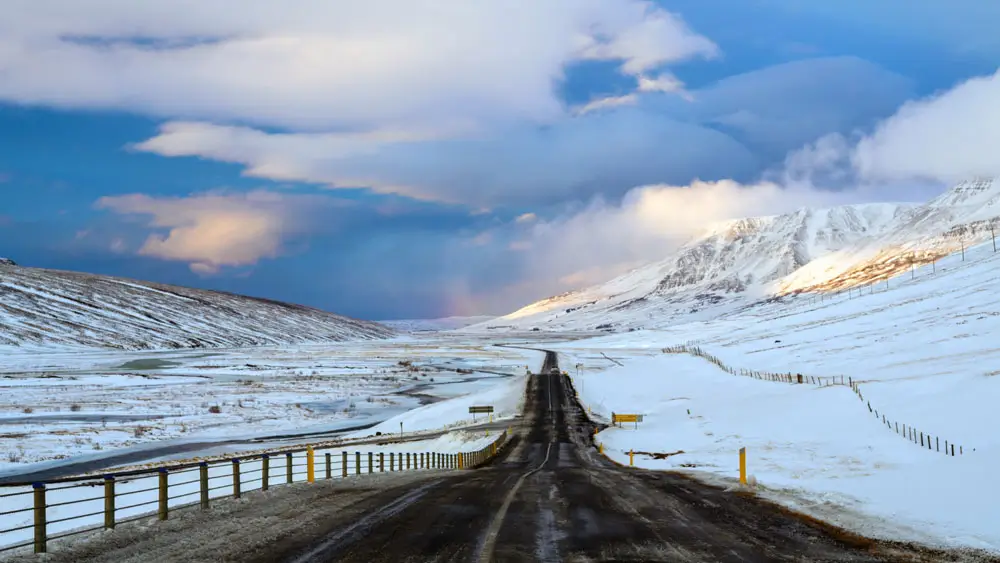
The level of planning depends on the season, route, vehicle, and your confidence. A summer trip around main-road routes is not the same as a winter road trip or a route that includes the Highlands, and that’s not a reason to avoid either one. The more remote the route, the more planning you need.
Iceland’s weather is one of those things that’s hard to explain until you’ve experienced it. It can be sunny, raining, and foggy within the same hour, and that’s not unusual. Most experienced travelers stop trying to plan around it and start planning for it instead.
In practice, that means building flexibility into every day, checking forecasts each morning rather than relying on a week-ahead prediction, and having a backup option for days when conditions make your first choice unrealistic. Veður.is is the most reliable local weather source.
The weather is not a reason to avoid a self-drive trip. It’s just part of the experience, and on the days it clears, Iceland is unlike anywhere else.
How many days do you need for an Iceland self-drive tour?
The number of days you have will shape the whole trip. It decides whether your Iceland self-drive tour itinerary feels relaxed, rushed, or unrealistic.
A short trip can still work well, but you’ll need a focused itinerary. A longer trip gives you more room for the Ring Road, Snæfellsnes, Westfjords, or slower travel days. Weather and season also matter, especially outside of summer.
Trip length | Best fit | Good route direction | Caution |
3–4 days | First-timers with limited time | Reykjanes, Golden Circle, or part of the South Coast | Do not try to drive the full Ring Road |
5–7 days | Short road trip | Golden Circle + South Coast, or Snæfellsnes add-on | Keep daily driving realistic |
8–10 days | Ring Road | Full Ring Road with selected stops | Can feel rushed if weather changes |
10+ days | Slower Ring Road or added regions | Ring Road + Snæfellsnes, Westfjords, or longer detours | Route depends heavily on season |
Highlands / F-roads | Specialist summer route | Highlands routes only when roads are open and vehicle is suitable | Needs careful vehicle and road-condition planning |
For 3–4 days, stay close to Reykjavík and Keflavík. The Golden Circle Iceland guide is a good starting point for a first self-drive route. You can also add a short South Coast section if your timing allows.
For 5–7 days, the South Coast Iceland guide can help you plan a route with more stops without trying to cover the whole country.
For 7–10 days, many travelers start looking at the Ring Road. This can work, but it depends on the season, road conditions, and how many stops you want to make. A Ring Road trip should not be treated as a race around the island. The route covers around 1,332 km (828 miles) in total, and that’s before you factor in detours and the places you’ll want to linger. Read the Iceland Ring Road guide before deciding whether your timeline makes sense.
For 10+ days, you have more room to slow down. This is where a camper van can feel especially useful, because you can build in rest days, weather buffers, and longer stops.
If your plan includes F-roads or the Highlands, treat that as a separate planning decision. These routes are not just “extra scenic roads.” F-roads are unpaved mountain and highland tracks, only open in summer. They require the right vehicle, open roads, and careful condition checks.
Choosing the right camper van for your self-drive route
Choosing a camper van because it looks good or feels adventurous is the wrong starting point. Before you choose a camper, think about your route, the season, how many people are traveling, and how much space you need to sleep comfortably.
Camper type | Best for | Consider carefully |
|---|---|---|
Smaller camper | Solo travelers or couples on main road routes | Storage, sleeping space, and winter comfort |
Larger camper van | Couples, friends, families, and longer routes | Parking, fuel use, availability, and space needs |
4×4 camper | F-roads, Highlands, and rougher access routes where allowed | Not needed for every trip; route and season matter |
Motorhome / larger vehicle | Comfort-focused travelers and families | Route suitability, fuel use, parking, and road restrictions |
A smaller camper, such as the Renault Kangoo Camper, is a great fit for solo travelers or couples who pack light. It’s easy to handle and works well on main road routes, just think carefully about storage and sleeping space before you book.
A larger camper van gives couples, friends, or families more room to stretch out, especially on longer trips. Vehicles like the VW California Beach (Hybrid) and the Renault Master 5 are popular choices for good reason. Just remember to factor in parking and fuel when planning your route.
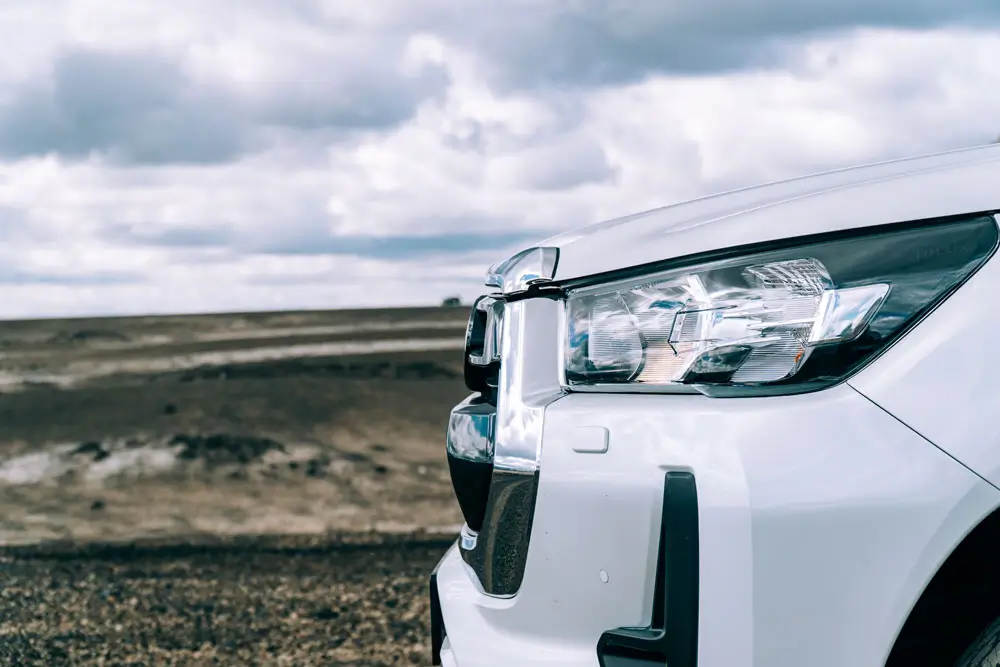
A 4×4 camper opens up F-roads and Highland routes that simply aren’t accessible in a standard vehicle. The Toyota Hilux and the VW California 4×4 are strong options for this kind of trip. One important note: off-road driving is illegal in Iceland, and is not the same as F-road driving.
A motorhome or larger vehicle like the Crosscamp Flex 541 is the most comfortable way to travel. More living space, better facilities, and a genuine home on the road. Just make sure your route suits a larger vehicle before you book.
One practical note for US travelers: Icelanders drive on the right, the same as at home.
Not sure which vehicle is right for your trip? Compare Iceland campers or browse 4×4 options if you’re planning F-roads or Highland exploration.
Planning campsites, food, fuel, and daily driving time
A camper van replaces hotel booking with campsite planning. It does not mean you can sleep anywhere.
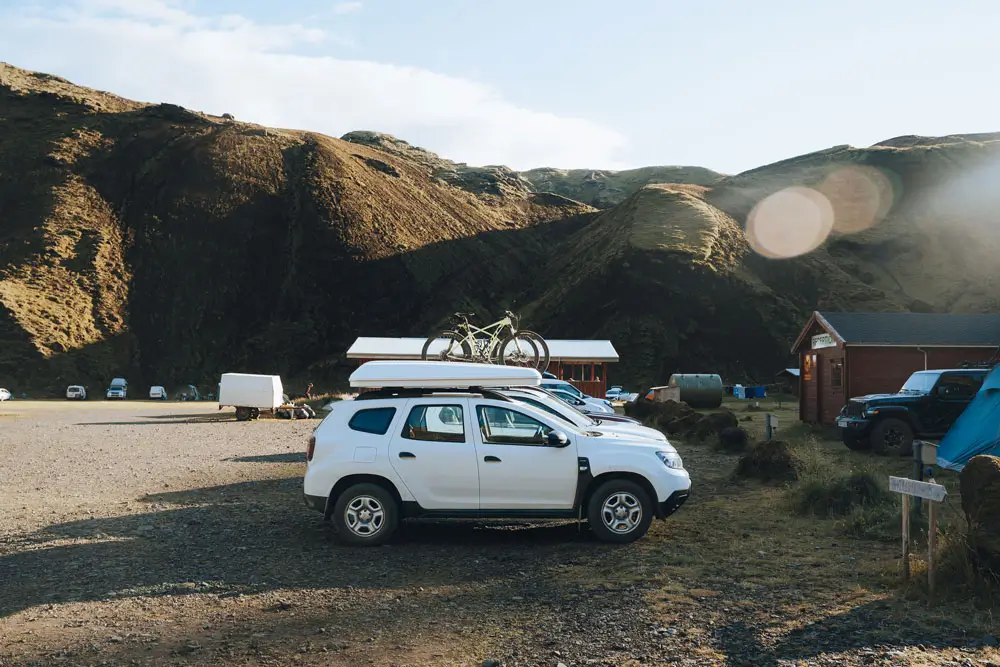
In Iceland, camper vans and similar vehicles cannot spend the night outside organized campsites or urban areas unless the landowner or rightsholder has given permission, according to the Icelandic Environment and Energy Agency. This is why campsite planning should be part of your route from the beginning.
Before your trip, check:
- Legal campsite options
- Campsite opening dates
- Showers and facilities
- Grocery stops
- Fuel stops
- Phone or Wi-Fi access
- Weather forecasts
- Road conditions
- Backup campsites
- Backup route options
This matters even more outside of summer. Some campsites may not be open year-round, and remote areas can require more planning for fuel, food, and overnight stops.
Daily driving time is another part that travelers often underestimate. A route can look short on a map but take longer once you include weather, road conditions, photo stops, meals, fuel, and rest.
Try not to plan every day at the edge of what is possible. Some of the best moments on an Iceland road trip happen when you least expect them. Leave room for them.
For cost planning, read more about gas prices in Iceland. For what to bring, use the Iceland camper van packing list.
Routes that work well for camper van self-drive tours
A good camper van route is not just a list of places. It should match your trip length, season, vehicle, and comfort level.
Here are route directions that can work well for Iceland self-drive tours, depending on how much time you have.
Route | Best for | Minimum realistic trip length | Planning caution |
|---|---|---|---|
Golden Circle | First-time travelers and short trips | 1–2 route days | Stops can be busy; works best with realistic timing |
South Coast | Waterfalls, black sand beaches, glaciers, and longer first-timer routes | 3–5 route days | Do not overload each day with stops |
Ring Road | Travelers who want a full-circle route | 7–10+ days | Can feel rushed if the weather or road conditions change |
Snæfellsnes | Add-on route or alternative to busier areas | 2–3 route days | Best with enough time to avoid backtracking pressure |
Reykjanes Peninsula | Geothermal landscapes, volcanic activity, and easy access to the Blue Lagoon | 1–2 route days | Often treated as just an airport stop, but deserves dedicated time if you want to explore beyond the Blue Lagoon |
Westfjords | Longer, more remote trips | 4-5 route days | Not for rushed itineraries |
Highlands / F-roads | Specialist summer routes with suitable 4WD vehicles | 7-8 route days | Vehicle, seasonal road openings, and conditions are critical |
The Golden Circle Iceland guide is a good place to start if you have limited time. It can work as a short self-drive route or the first part of a longer trip.
The South Coast Iceland guide is useful for 5–7 day planning, especially if you want a route with strong stops without committing to the full Ring Road.
The Iceland Ring Road guide is better for travelers with more time. It can be a strong camper van route, but only if you plan the pace carefully.
Highlands and F-road routes need a different level of preparation. If you are considering them, read about driving the Highlands in Iceland before choosing a vehicle or route.
This section is only a starting point. Once you know your trip length and vehicle type, build the route around realistic daily driving rather than trying to fit every famous stop into one trip.
What not to self-guide in Iceland
Iceland rewards independent travel. But not every part of it should be self-guided.
Some activities and conditions need more caution, specialist equipment, or professional guidance. Treat guided activities as a sensible part of the trip, not a failure of independent travel.
Be careful with:
- Glacier hiking
- Ice caves
- Severe winter conditions
- Remote routes without backup planning
Glacier hiking and ice caves should not be treated as casual roadside stops. They require the right equipment, conditions, and guidance. Unstable ice, hidden crevasses, and the gradual movement of the glaciers themselves can make these activities very dangerous without a certified guide.
Winter travel also needs a different mindset. Shorter daylight, changing weather, snow, ice, and wind can affect driving plans quickly. A self-drive trip can still work, but it should be planned with more margin.
The Safetravel app allows visitors to submit travel plans, which helps local authorities in the event of an emergency. For more preparation, read the Rent.is guides to safe travel in Iceland and how to drive in Iceland.
How to build your own Iceland self-drive tour with Rent.is
A good Iceland self-drive tour starts with the route, not the vehicle.
Once you know how many days you have and what kind of trip you want, it becomes much easier to choose the right camper van. Rent.is was founded in Iceland in 2012 and helps travelers choose campers for different routes, group sizes, seasons, and comfort needs.
Here is a practical way to build your trip:
- Choose your travel dates.
- Decide how many route days you really have for activities.
- Pick a route that fits your timeline.
- Compare camper sizes.
- Decide whether your route or season requires a 4×4.
- Plan legal campsites.
- Add grocery and fuel stops.
- Book guided activities where needed.
- Check road and weather conditions during the trip.
- Keep a backup route in case plans change.
Rent.is is a good fit if you want a camper van-based trip rather than a fixed package tour.
Know the route you want to take? Choose the camper that fits it.
If you’re not sure which camper suits your plan, contact Rent.is before booking.
FAQs about Iceland self-drive tours
Is a self-drive tour the same as a self-guided tour in Iceland?
Yes. You drive yourself, control the route, and make daily decisions. Some people book a package with hotels included. Others plan it independently with a camper van and campsites.
Do I need a tour company for an Iceland self-drive trip?
Not always. A tour company can be useful if you want accommodation, route planning, and logistics handled for you. A DIY camper van trip can work well if you are comfortable planning campsites, checking road and weather conditions, choosing the right vehicle, and adjusting your route when needed.
Is a camper van good for an Iceland self-drive tour?
A camper van can be a practical choice because it combines transport and sleeping space. It works best for travelers who want route flexibility and are comfortable planning legal campsites, daily driving time, fuel stops, and weather checks. The right camper depends on your group size, route, comfort needs, and season.
How many days do you need for a self-drive tour in Iceland?
For a short first-timer route, 3–4 days can cover areas such as the Golden Circle or part of the South Coast. A 5–7 day trip gives more room for South Coast or Snæfellsnes planning. A Ring Road camper van trip is usually better with 7–10+ days, depending on the season and pace.
Do you need a 4×4 for an Iceland self-drive tour?
Not every Iceland self-drive route needs a 4×4. Main-road routes can often be planned with a standard camper, depending on season and conditions. If your route includes F-roads or the Highlands, a standard 2WD camper van is not the right vehicle. Always choose the vehicle around the route, not the other way around. Our guide helps you compare 4x4s vs 2WDs.
Can you sleep anywhere in a camper van in Iceland?
No. A camper van does not mean you can sleep anywhere. You need to plan legal overnight stops, usually at organized campsites. Check campsite opening dates and local rules before you travel, especially during the winter months, when camping facilities are more limited. Learn more about campsites in Iceland.