
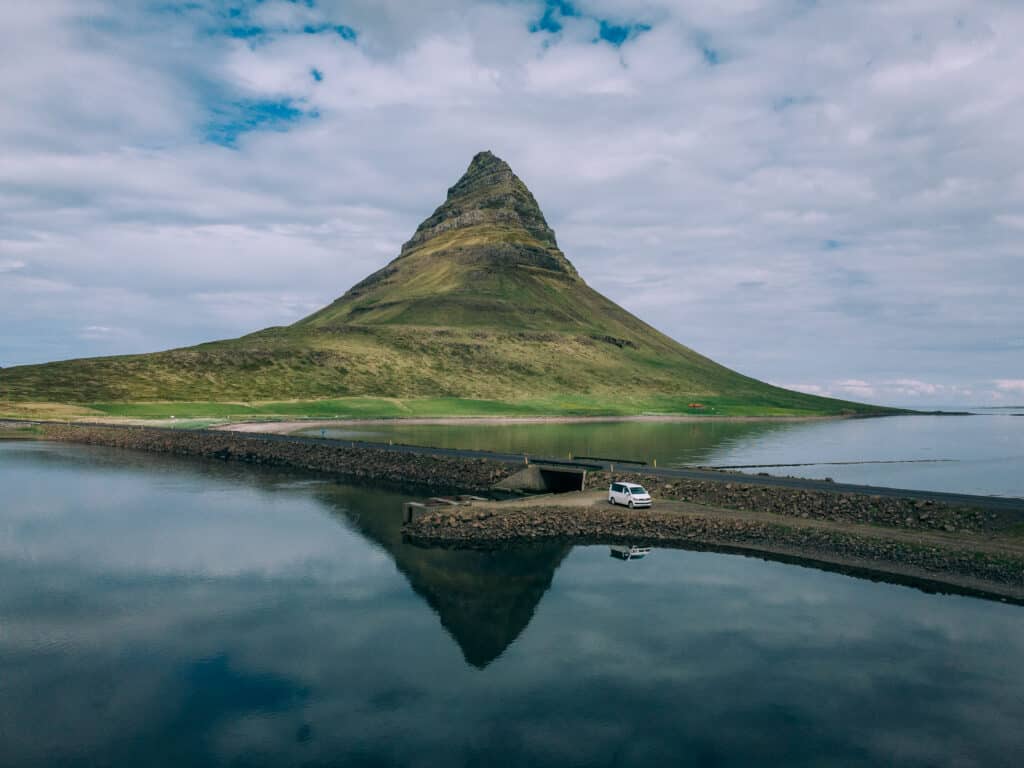
Planning what to do in Iceland is easier when you start with your route, season, trip length, and vehicle. A first-time visitor with three days will make very different choices from someone driving the full Ring Road, visiting in winter, or planning a longer camper van trip through quieter regions.
This guide helps you decide what is worth prioritizing, what fits your route, and what needs extra planning. It covers the main attractions, regional highlights, seasonal options, trip-length ideas, and practical camper van notes, including when a 4×4 is needed.
Use it as a starting point, then follow the linked Rent.is guides for more detailed route advice.
Things to Do in Iceland at a Glance
Best Things to Do in Iceland for First-Time Visitors
Best Things to Do in Iceland by Region
Best Things to Do in Iceland by Season
Best Things to Do in Iceland by Trip Length
Best Things to Do in Iceland by Camper Van Route
Unique Things to Do in Iceland
Self-Drive vs Guided Tour: What Should You Book?
Explore Iceland
Browse Iceland's stunning attractions by region.
ⓘ This version renders real Iceland region geometry; the tourism groupings are mapped from the GeoJSON region names.
What are the best things to do in Iceland?
The best things to do in Iceland include driving the Golden Circle, exploring the South Coast waterfalls and black sand beaches, visiting Jökulsárlón Glacier Lagoon and Diamond Beach, relaxing in geothermal lagoons, seeing the Northern Lights in winter, and planning a road trip around the Ring Road.
Many travelers also include Reykjavík, Snæfellsnes Peninsula, whale watching tours, glacier activities, and multi-day camper van routes that connect several regions in one trip.
What you should prioritize depends on your season, trip length, and vehicle type. Some routes are suitable year-round with a standard camper van, while Highland roads and F-roads require a legal 4×4 vehicle during the summer access period.
Things to Do in Iceland at a Glance
If you are visiting Iceland for the first time, most trips combine a few major regions or route segments rather than trying to see the entire country at once. The best route depends on how many days you have, what season you visit in, and whether you are traveling by rental car, camper van, or guided tour.
Golden Circle
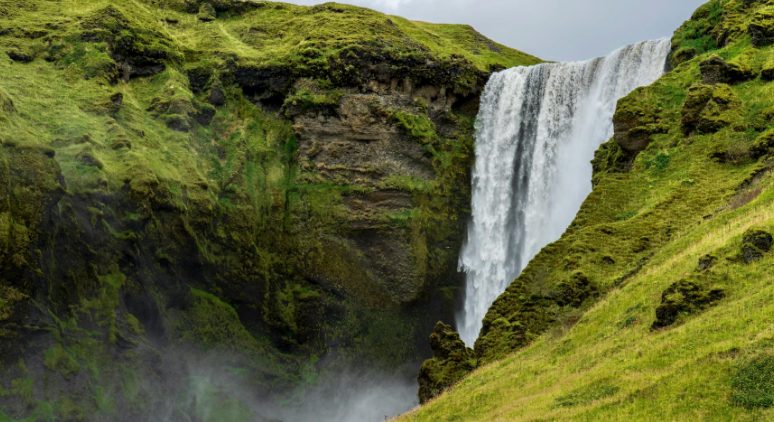
Best for first-time visitors and short trips. The route includes Thingvellir National Park, Geysir geothermal area, and Gullfoss waterfall, all within driving distance of Reykjavík.
Best for: First-time visitors, short stays, year-round travel
Trip length: 1 day or part of a longer route
Camper van-friendly: Yes
South Coast
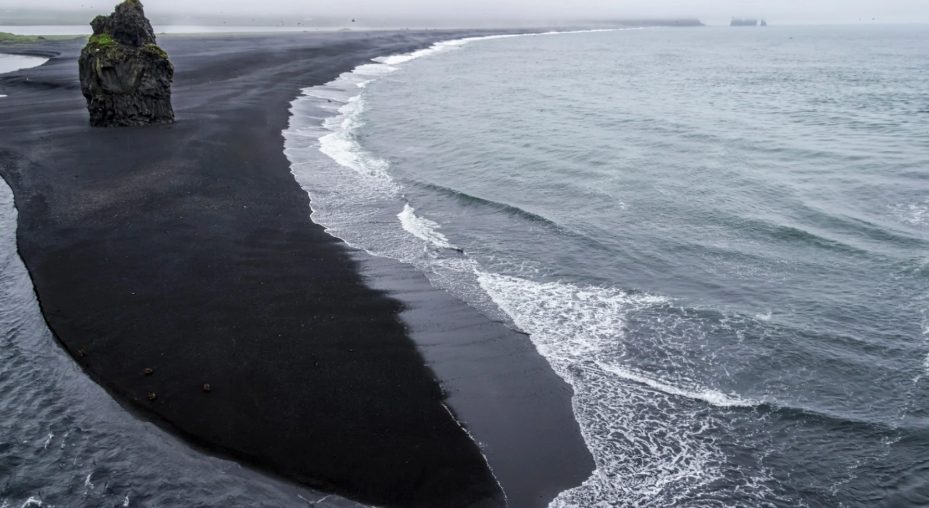
One of the easiest self-drive routes in Iceland, with waterfalls, black sand beaches, glacier views, and major stops including Reynisfjara and Jökulsárlón.
Best for: Scenic road trips, waterfalls, glacier lagoons
Trip length: 2 to 5 days
Camper van-friendly: Yes
Reykjavík and Geothermal Lagoons
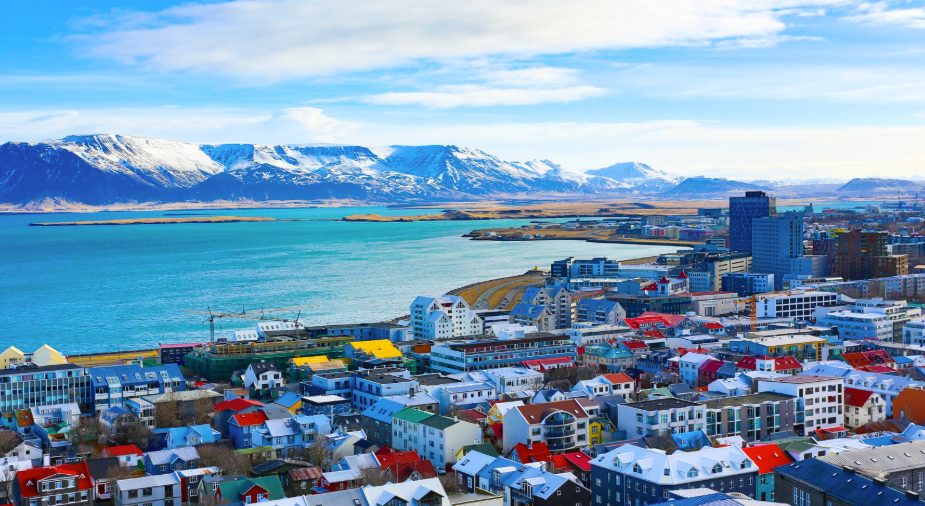
Most travelers begin or end their trip in Reykjavík and nearby Reykjanes. This area works well for shorter stays, arrival days, and winter trips with limited daylight.
Best for: City breaks, arrival days, shorter itineraries
Trip length: 1 to 3 days
Camper van-friendly: Yes
Ring Road Road Trips
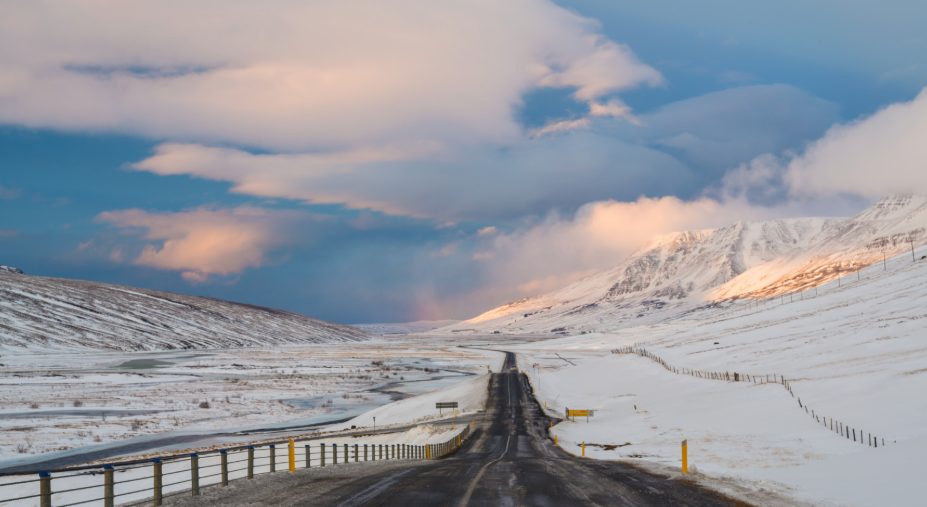
The Ring Road connects most of Iceland’s main regions and is the standard route for longer self-drive trips. It works best with at least seven days, especially outside of summer.
Best for: Full-country road trips
Trip length: 7 to 10+ days
Camper van-friendly: Yes
Snæfellsnes Peninsula
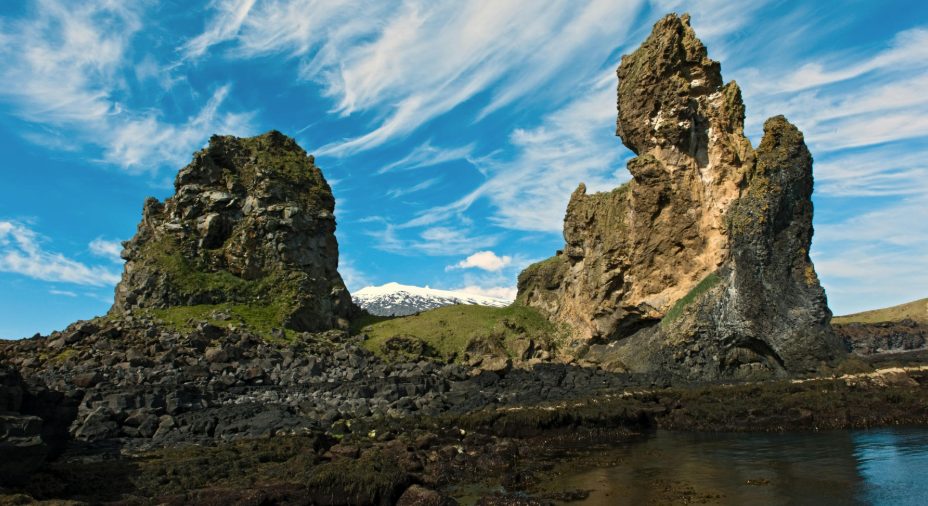
Often called “Iceland in miniature,” Snæfellsnes combines lava fields, cliffs, fishing villages, beaches, and glacier views in a compact route west of Reykjavík.
Best for: Short regional road trips, photography, quieter routes
Trip length: 2 to 3 days
Camper van-friendly: Yes
Northern Lights and winter travel
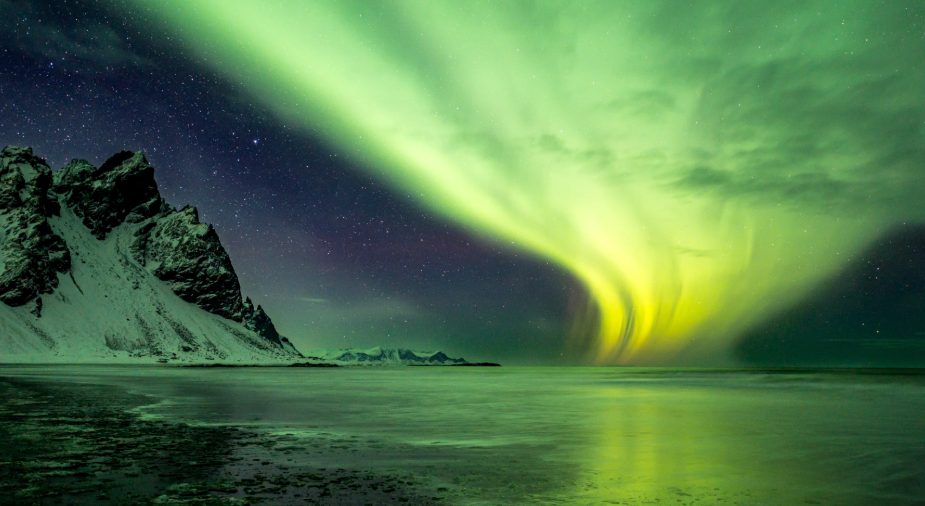
Winter trips focus more on weather conditions, daylight hours, and flexible driving plans. Northern Lights viewing is usually combined with geothermal lagoons, Reykjavík, and South Coast routes.
Best for: Winter travel, northern lights, ice caves
Trip length: 3 to 7 days
Camper van-friendly: Yes, weather dependent
Highlands and F-road routes
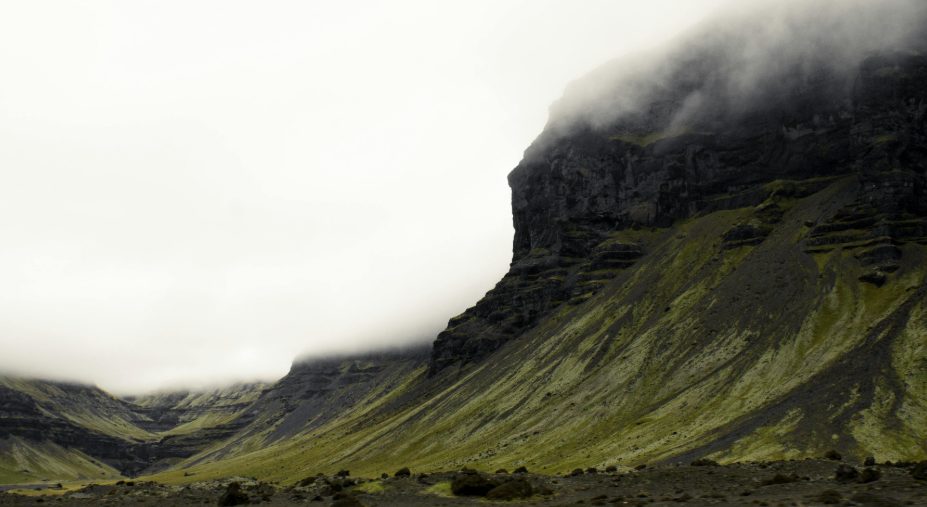
The Highlands are only accessible during the summer access season and legally require a 4×4 vehicle. Routes include Landmannalaugar and remote interior landscapes that standard camper vans cannot legally access.
Best for: Adventure travel, remote hiking routes
Trip length: 2 to 5 days added onto longer trips
Camper van-friendly: 4×4 only
Best Things to Do in Iceland for First-Time Visitors
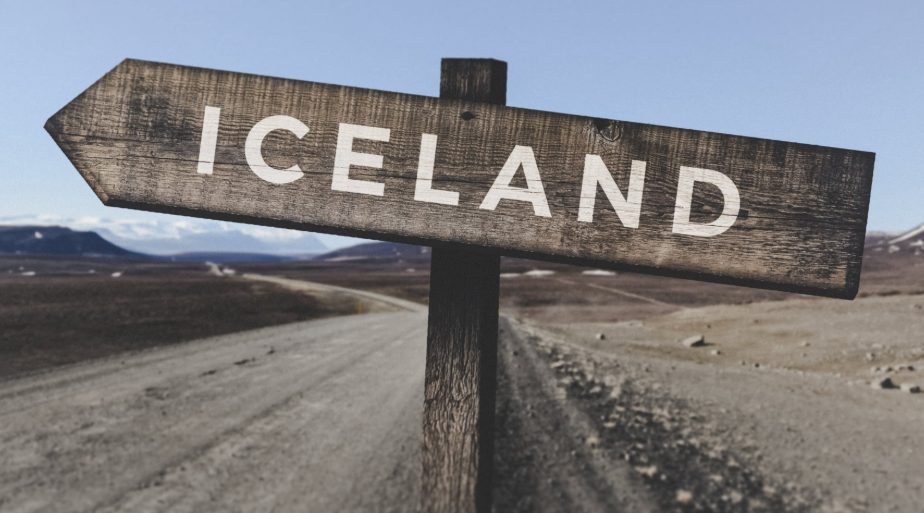
If this is your first trip to Iceland, start with places that are easy to reach, simple to plan around, and worth the driving time. For most visitors, that means choosing from the Golden Circle, South Coast, Reykjavík, geothermal lagoons, glacier lagoons, and, in winter, Northern Lights viewing.
You do not need to fit everything into one trip. Iceland works better when your route has enough time for weather changes, short detours, and slower stops. A camper van can help with that flexibility, especially on routes with good campsite access, but the best choice still depends on your season, road conditions, and how many days you have.
Drive the Golden Circle
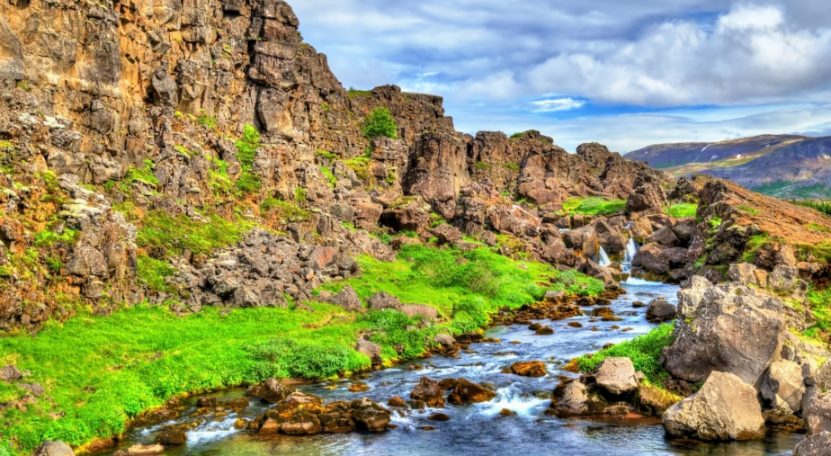
The Golden Circle is usually the easiest first route in Iceland. It includes Thingvellir National Park, Geysir geothermal area, Gullfoss waterfall, and optional stops such as Kerið Crater. It works well for a first full day after arriving, a short Iceland trip, or the beginning of a longer self-drive route.
This route is popular because the driving distances are manageable and the main stops give you a quick introduction to Iceland’s landscapes without needing to go far from Reykjavík. It is also a good introductory drive if you are new to driving in Iceland.
Useful links:
Explore the South Coast
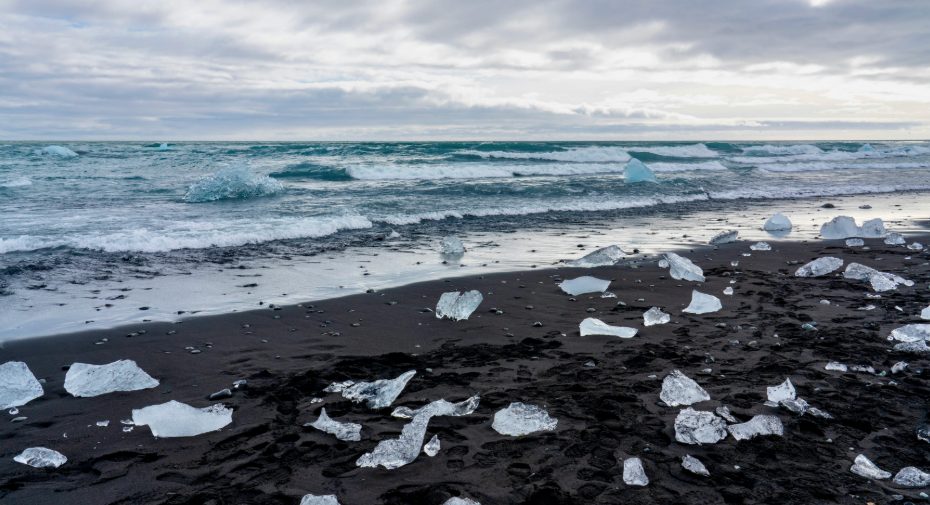
The South Coast is one of the strongest choices if you want waterfalls, black sand beaches, glacier views, and a clear road trip structure. Common stops include Seljalandsfoss, Skógafoss, Reynisfjara, Vík, Jökulsárlón Glacier Lagoon, and Diamond Beach.
This route can be squeezed into one long day, but it works better over two or more days, especially if you are driving a camper van and want time for stops. Reynisfjara also needs proper caution because sneaker waves can be dangerous, even when the beach looks calm.
Useful links:
- South Coast Iceland travel guide
- Waterfalls in Iceland
- Reynisfjara black sand beach
- Jökulsárlón Glacier Lagoon
- Diamond Beach Iceland
Visit Reykjavík (before or after your road trip)
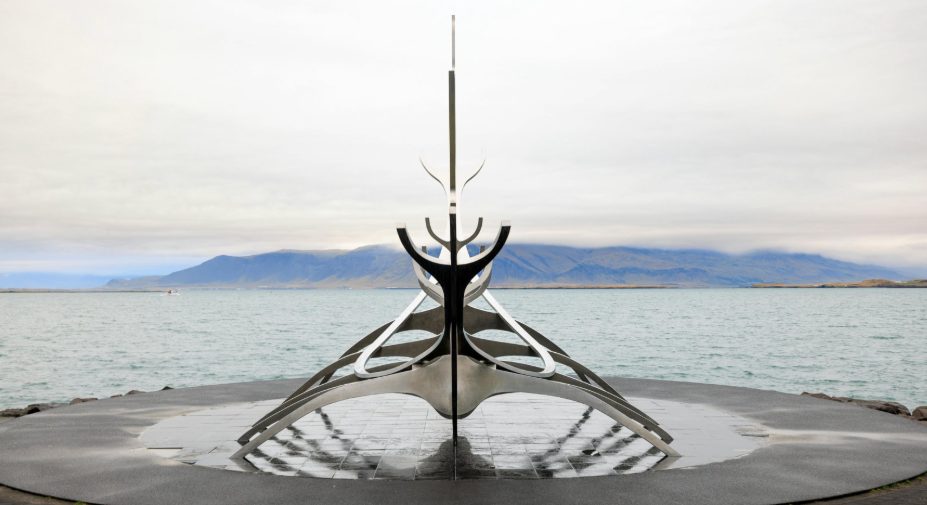
Reykjavík is useful at the start or end of a trip, especially if you have limited time, bad weather, or an early flight. It is the easiest place to add museums, food stops, pools, whale watching departures, and a slower first or final day before driving longer routes.
For camper van travelers, Reykjavík is usually best treated as a planning point rather than the main event: pick up supplies, check the weather via vedur.is, settle into the vehicle, and then head toward your route.
Useful links:
Visit a Geothermal Lagoon
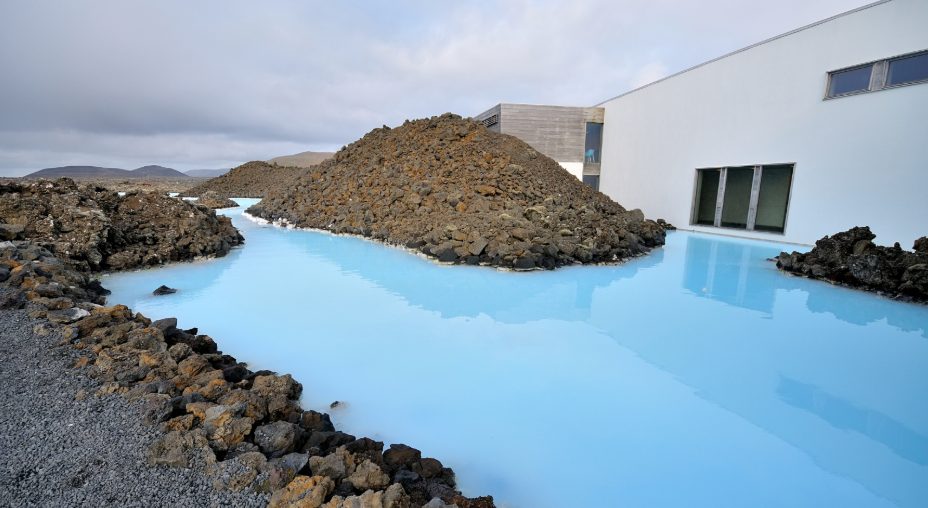
A geothermal lagoon is easy to include in most first Iceland itineraries. The Blue Lagoon is close to Keflavík Airport, which makes it a practical stop on arrival or departure day, while Reykjavík-area lagoons work well alongside shorter city stays or South Coast routes.
These stops are popular because they are easy to access and fit into many different itineraries, especially after a long flight or several days of driving.
Important note: The Blue Lagoon typically needs to be booked in advance of your visit to ensure entry.
Useful links:
Prioritize Northern Lights in Winter
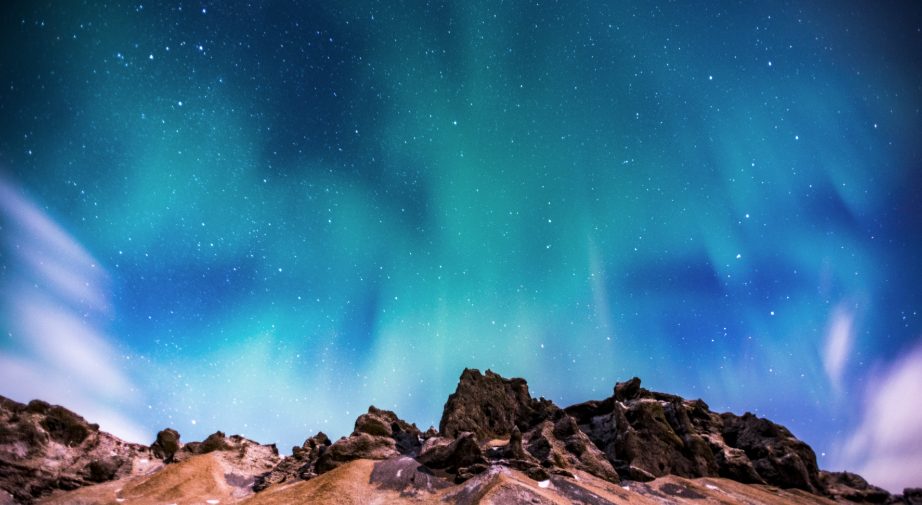
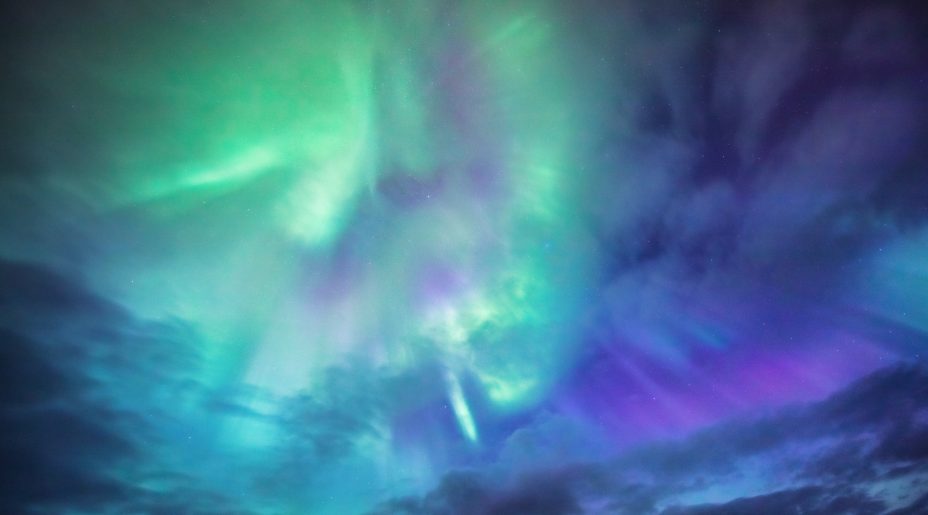
If you visit in winter, Northern Lights viewing may be one of your main reasons for traveling. It is best treated as a flexible possibility rather than a guaranteed activity because visibility depends on darkness, cloud cover, solar activity, and where you are staying.
A camper van can give you flexibility, but winter driving in Iceland needs caution. Build in spare time, check road and weather updates, and avoid planning long drives late in the day.
Useful links:
Choose one longer route (if you have a week or more)
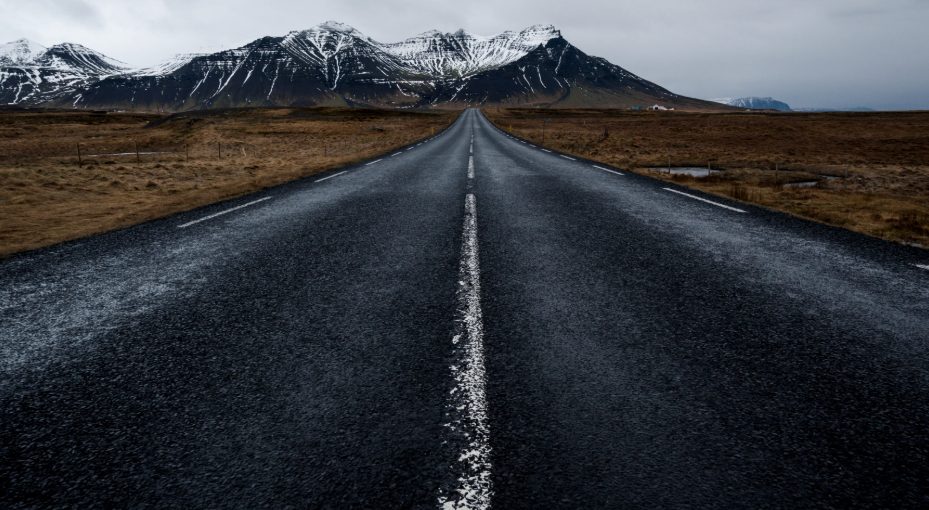
With seven days or more, you can start thinking beyond the first-time highlights. The Ring Road is the main full-country route, while Snæfellsnes, North Iceland, East Iceland, or the Westfjords can work well for travelers who prefer a slower regional trip.
Do not choose a longer route just to cover more distance. In Iceland, a more enjoyable trip usually comes from matching your route to the season, daylight, vehicle, and campsite access.
Useful links:
- Iceland Ring Road guide
- Iceland road trip guide
- Snæfellsnes travel and camping guide
- North Iceland travel guide
- East Iceland travel guide
- Westfjords travel guide
Best Things to Do in Iceland by Region
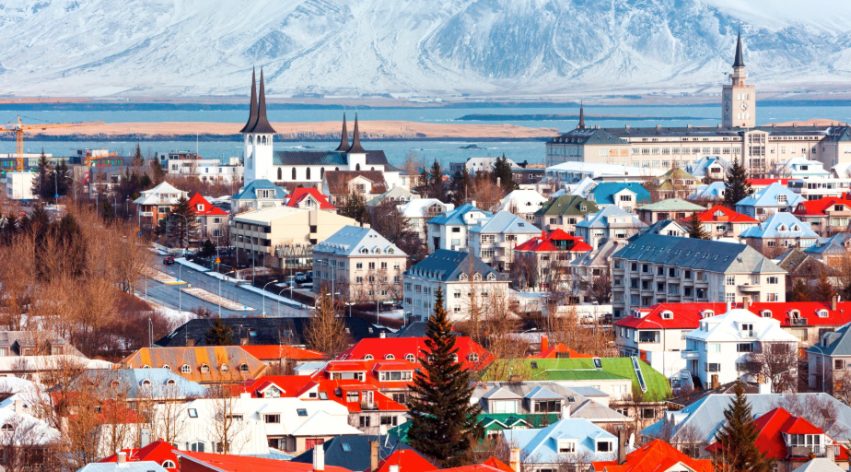
The best places to visit in Iceland depend on how far you want to drive and how much time you have. Some regions are easy to add to a short trip from Reykjavík, while others work better as part of a longer Ring Road or camper van route.
If you are planning your first Iceland itinerary, it is usually better to choose fewer regions and spend more time in each one rather than trying to cover the entire country too quickly.
Reykjavík and Southwest Iceland
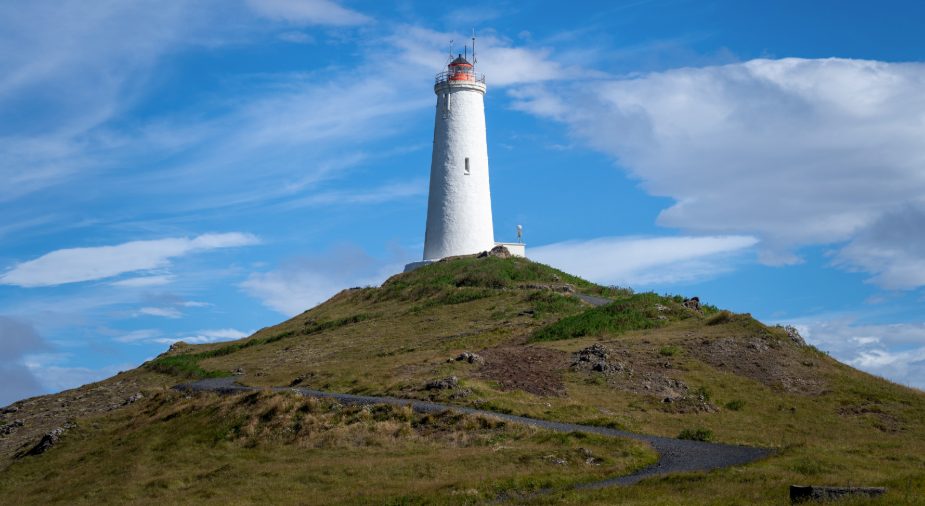
Southwest Iceland is the easiest region for short trips and first-time visitors. Reykjavík, the Reykjanes Peninsula, the Golden Circle, and nearby geothermal lagoons can all be reached without long driving days.
This region works well year-round and is often the best choice for travelers with three to five days in Iceland. It is also practical in winter, when weather conditions can change quickly and daylight hours are shorter.
Common stops include Reykjavík, Thingvellir National Park, Geysir geothermal area, Gullfoss waterfall, and the Blue Lagoon.
Useful links:
- Things to do in Reykjavík
- Golden Circle Iceland guide
- Thingvellir National Park
- Geysir geothermal area
- Blue Lagoon Iceland
South Iceland and the South Coast
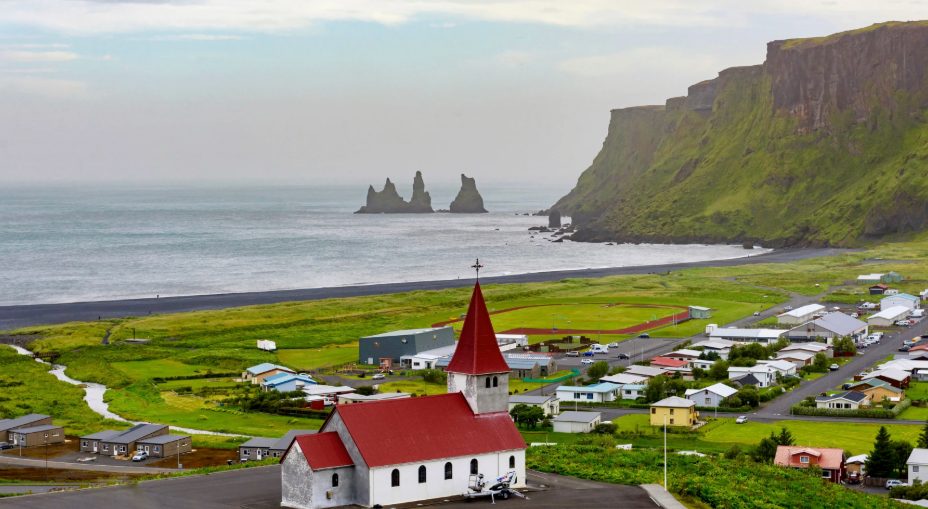
South Iceland is one of the country’s most popular self-drive regions because many major attractions sit directly along the Ring Road. Waterfalls, black sand beaches, glacier views, and coastal villages are all reachable without difficult navigation.
Most travelers begin the South Coast route from Reykjavík and continue east toward Vík, Skaftafell, and Jökulsárlón Glacier Lagoon. It is possible to drive sections of the route year-round, although winter conditions may affect road access and driving times.
The South Coast works particularly well for camper van trips because campsites, fuel stations, and major attractions are spread consistently along the route.
Useful links:
- South Coast Iceland travel guide
- Waterfalls in Iceland
- Reynisfjara black sand beach
- Jökulsárlón Glacier Lagoon
- Diamond Beach Iceland
Snæfellsnes Peninsula
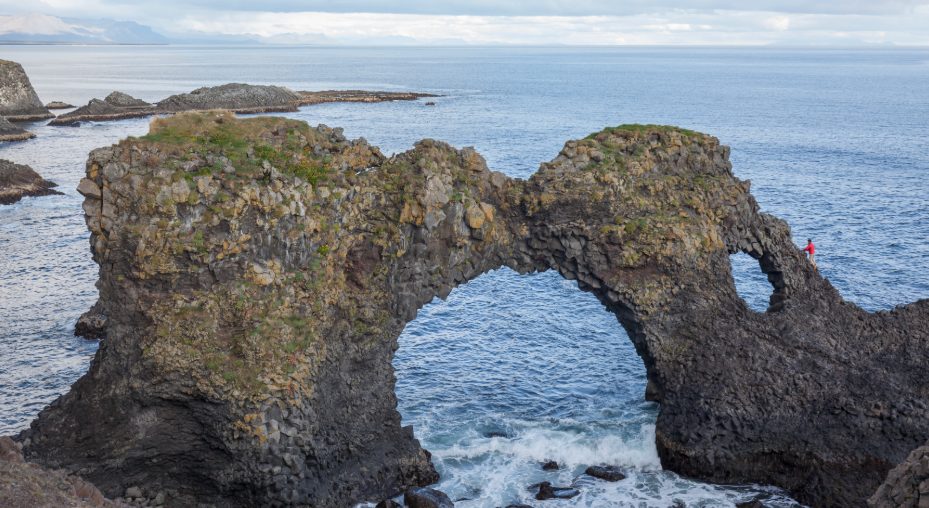
Snæfellsnes is often recommended for travelers who want a quieter road trip without driving the full Ring Road. The peninsula combines fishing villages, lava fields, coastal cliffs, mountains, and glacier views in a relatively compact area west of Reykjavík.
It is a good option for a two to three-day route and works well for photographers, camper van travelers, and visitors returning to Iceland for a second trip.
Driving conditions are usually manageable in summer, but winter weather can affect smaller roads around the peninsula.
Traveling to Iceland in August 2026? Learn about the solar eclipse and how you can enjoy this once-in-a-lifetime event.
Useful links:
North Iceland
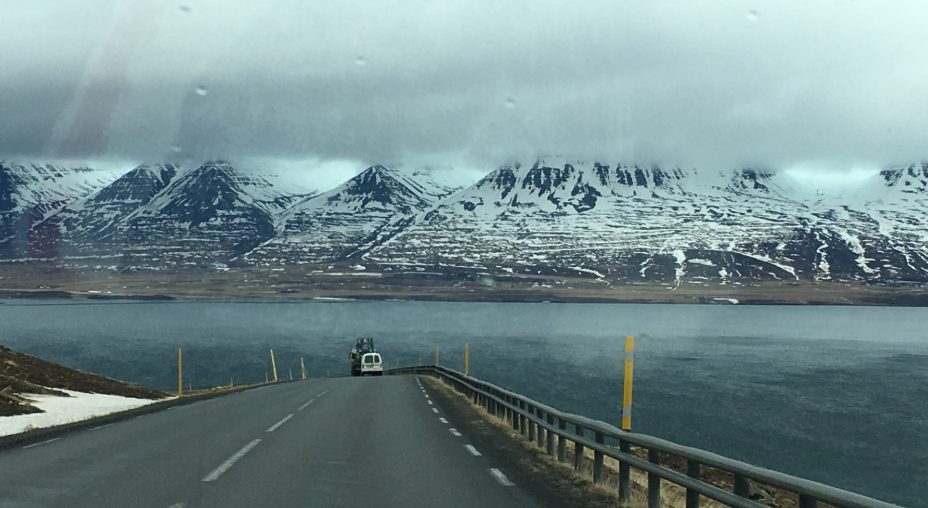
North Iceland suits travelers with at least a week in the country, especially those driving the Ring Road. Compared with the South Coast, the north generally feels less crowded and more spread out, with longer driving distances between major stops.
The region includes whale watching towns, geothermal areas, volcanic landscapes, and routes around Lake Mývatn. Akureyri is the main service hub and is often used as a base for exploring nearby attractions.
North Iceland works best between late spring and early autumn, although some travelers visit year-round with flexible winter driving plans.
Useful links:
East Iceland
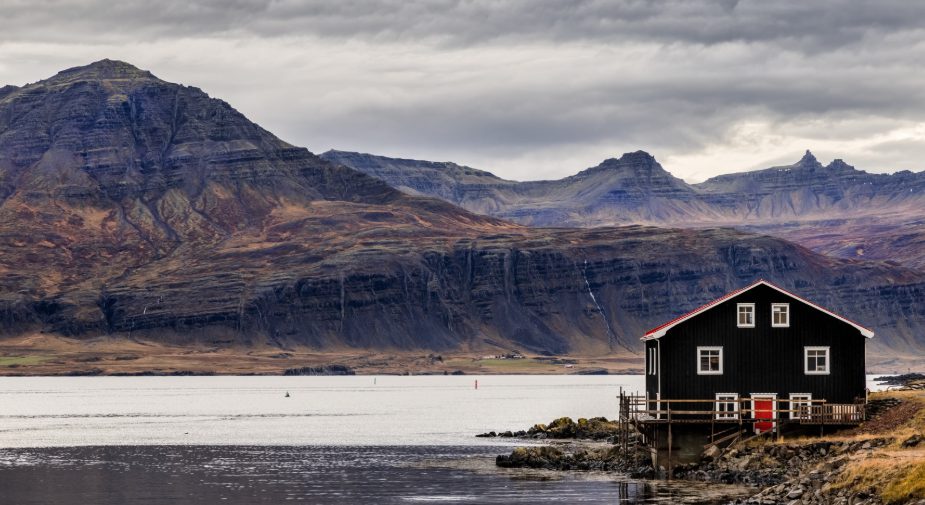
East Iceland is usually visited as part of a longer Ring Road trip. The region is known for quieter roads, coastal scenery, mountain passes, and smaller fishing towns rather than large concentrations of attractions.
Travelers who continue this far around the Ring Road often do so for a slower pace and more time on the road rather than a checklist of major sights. Vestrahorn mountain, near the southeast side of the route, is one of the best-known photography stops in the area.
Driving distances between towns can be long, so this region works best when you are not rushing the overall itinerary.
Useful links:
Westfjords
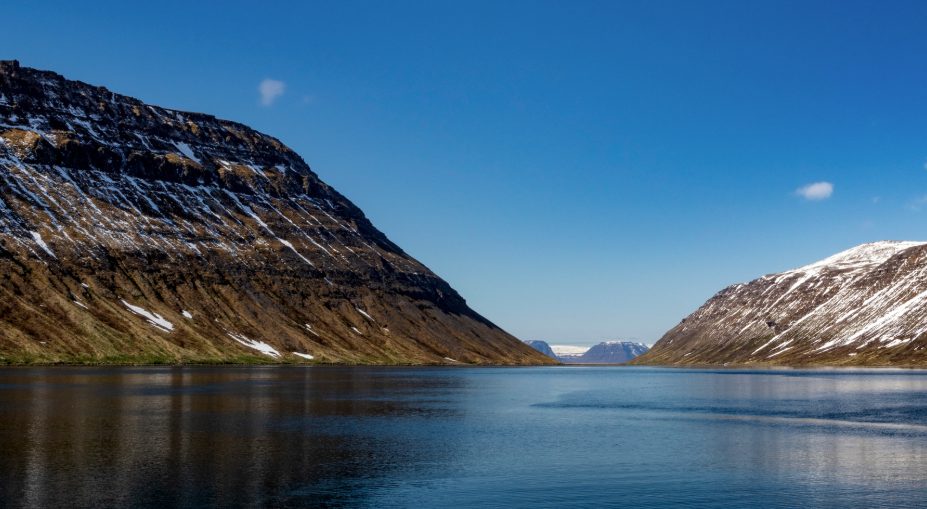
The Westfjords are one of Iceland’s most remote regions and are best suited to travelers with extra time and confidence driving on narrower roads. Routes here are slower than many visitors expect, even in summer.
The region is known for dramatic fjords, cliffs, isolated coastal roads, and waterfalls, including Dynjandi. Camper van travelers often choose the Westfjords for longer summer trips focused on scenery and quieter campsites rather than fast-moving itineraries.
This region is usually better as a dedicated route extension rather than a quick detour from the Ring Road.
Useful links:
Best Things to Do in Iceland by Season
The best time to visit Iceland depends on what you want to do, how comfortable you are driving in changing weather, and how much flexibility you have in your itinerary. Some routes are accessible year-round, while others only make sense during the summer driving season.
If you are planning a self-drive or camper van trip, season matters as much as route choice. Daylight hours, road conditions, campsite access, and weather can all affect how realistic your itinerary is.
Summer: Longer Road Trips and Easier Driving Conditions
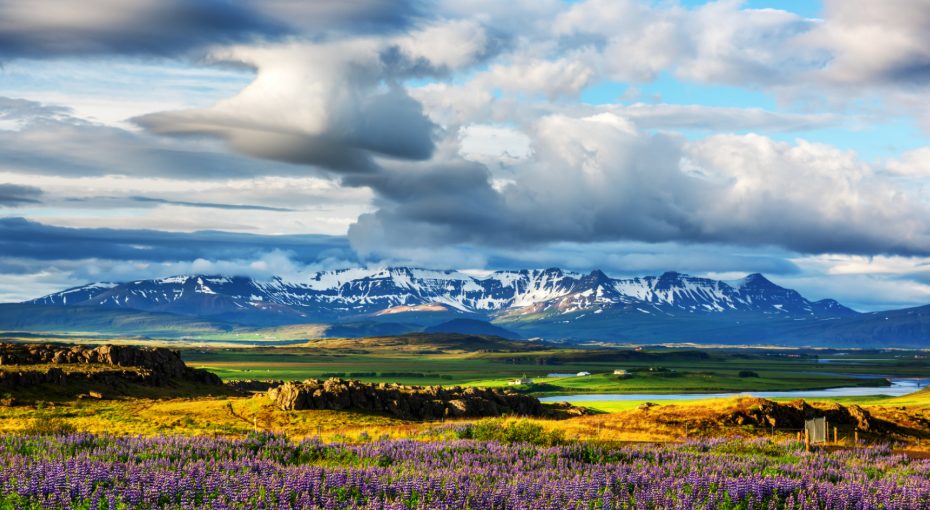
Summer is the easiest season for longer Iceland road trips. Daylight lasts late into the evening, most roads are accessible, and driving conditions are generally more predictable than in winter.
This is the best time for:
- Ring Road trips
- camper van travel
- Highlands access with a 4×4 vehicle (legal requirement)
- hiking
- puffin and whale watching
- longer regional routes, including the Westfjords and East Iceland
Summer also gives you more flexibility to stop frequently without feeling rushed by darkness or weather changes.
Even during summer, weather conditions can change quickly. Wind remains one of the main driving considerations for camper van travelers.
Useful links:
Winter: Northern Lights, Ice Caves, and Shorter Routes
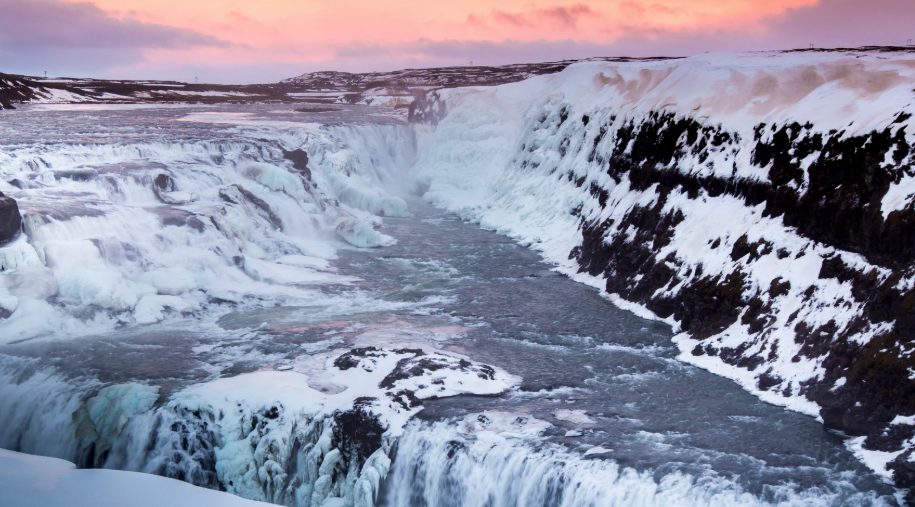
Winter trips usually focus on fewer regions and shorter driving days. Snow, ice, wind, and limited daylight can all affect travel times, especially outside major roads.
For many visitors, winter is the best season for:
- Northern Lights
- ice caves
- geothermal lagoons
- Reykjavík city stays
- shorter South Coast routes
- winter photography
The Golden Circle and parts of the South Coast are commonly included in winter self-drive itineraries because they are relatively accessible from Reykjavík. Longer routes need more flexibility, particularly during storms or road closures.
A camper van trip is still possible in winter, but travelers should be realistic about driving conditions and avoid overloading the itinerary.
Useful links:
- Best time to see the Northern Lights in Iceland
- Iceland winter travel tips
- Iceland weather
- South Coast Iceland travel guide
Shoulder Seasons: Fewer Crowds and Changing Conditions
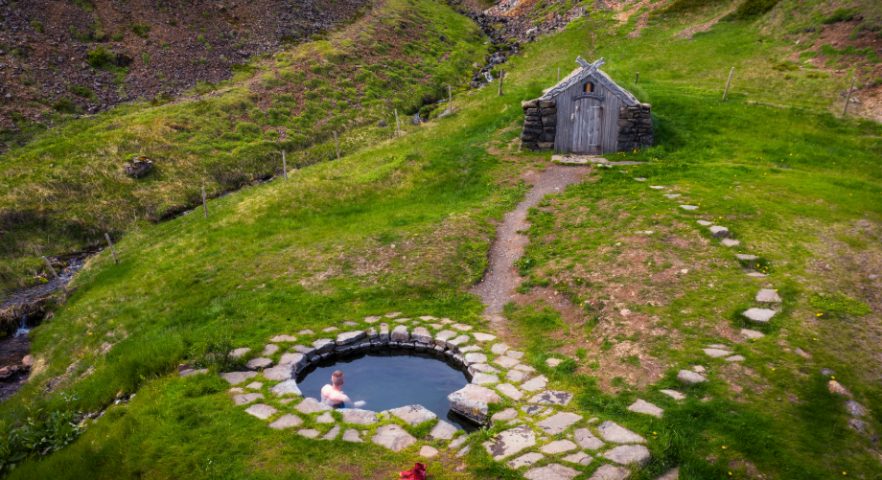
Spring and autumn sit between the main summer and winter travel periods. These months can offer quieter roads, lower accommodation demand, and a mix of seasonal conditions, but weather changes are less predictable.
You may experience:
- Winter road conditions one day
- clear driving conditions the next
- shorter daylight than summer
- early or late snow in some regions
Shoulder season trips work best for travelers who can stay flexible and adjust plans if conditions change.
These months can also work well for camper van travel because roads are often quieter than in peak summer, while still allowing access to many major routes.
Useful links:
When to Visit Iceland by Season: Summary
| Season | Best For | Route Fit | Camper van Planning Note |
| Summer | Ring Road trips, hiking, whale watching, puffins, Westfjords, East Iceland, Highlands with a legal 4×4 | Best for longer routes and multi-region trips | Easiest season for camper van travel, but wind and fast-changing weather still matter |
| Winter | Northern Lights, ice caves, geothermal lagoons, Reykjavík, shorter South Coast routes, winter photography | Best for shorter, flexible routes from Reykjavík | Possible by camper van, but keep driving days realistic and allow for weather delays |
| Spring and autumn | Quieter roads, lower demand, mixed seasonal conditions, flexible self-drive trips | Best for travelers who can adjust plans as conditions change | Can work well for camper van trips, but daylight and road conditions vary more than in summer |
When do You Need a 4×4 in Iceland?
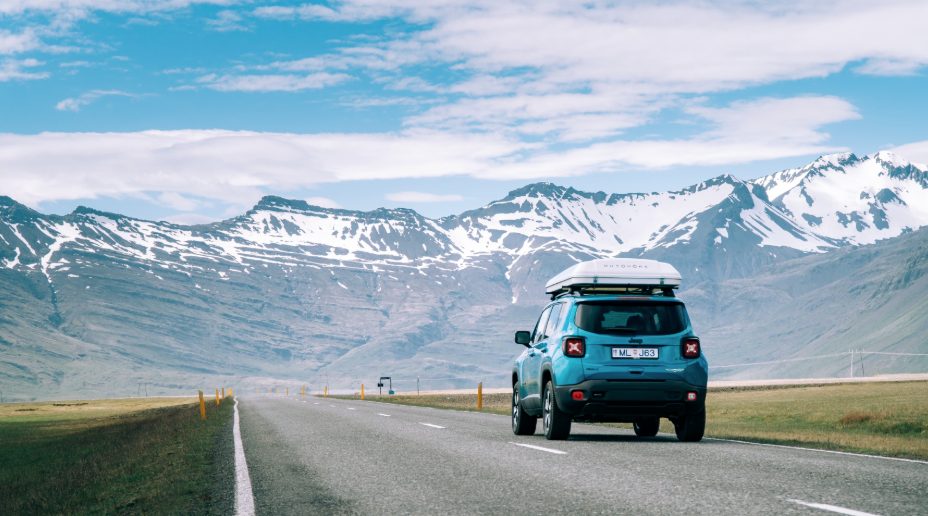
Most first-time Iceland trips do not require a 4×4 vehicle. Standard camper vans work well for the Golden Circle, South Coast, Reykjavík area, and most Ring Road routes during normal conditions.
A 4×4 vehicle becomes necessary for:
- F-roads
- Highland routes
- Landmannalaugar access
- rough mountain roads
- some remote summer routes
Standard camper vans cannot legally drive Iceland’s F-roads. In winter, some travelers also prefer 4×4 vehicles for additional stability and road clearance, although weather conditions still require caution regardless of vehicle type.
Useful links:
Best Things to Do in Iceland by Trip Length
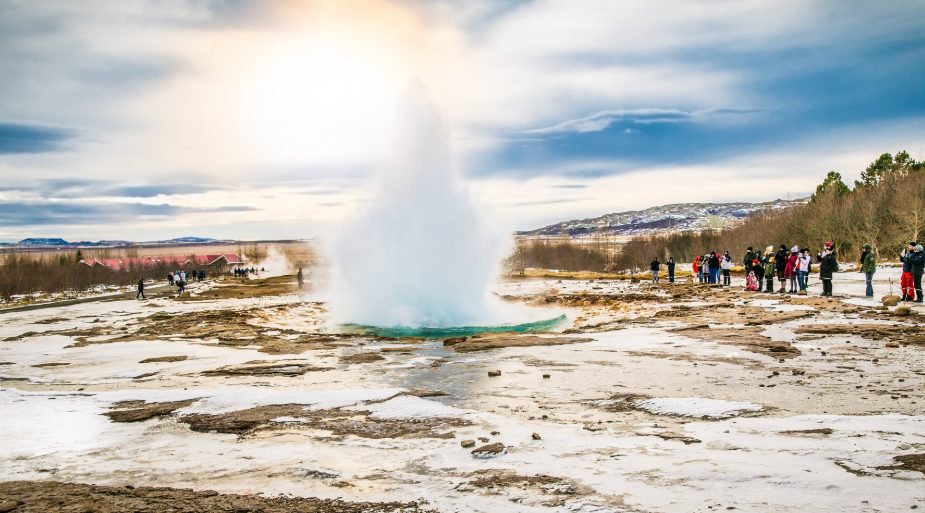
How much you can realistically see in Iceland depends on the season, daylight hours, and how comfortable you are with long driving days. It is usually better to cover fewer regions properly than spend most of the trip driving between short stops.
A camper van gives you more flexibility with pacing, especially during summer, but route planning still matters. Driving conditions, weather, and campsite locations can all affect how much ground you can comfortably cover.
Iceland Trip by Length At a Glance
| Trip Length | Best For | Recommended Regions / Routes | Good Fit for Camper van Travel? | Main Tradeoff |
| 3 days | First-time visitors, short trips, winter breaks | Reykjavík, Golden Circle, South Coast highlights | Yes | Too short for the full Ring Road |
| 5 days | Slower South Coast trips, winter self-drive routes | Golden Circle, South Coast, Jökulsárlón, Diamond Beach | Yes | Full Ring Road still feels rushed |
| 7 days | Ring Road trips, multi-region travel | Ring Road, Snæfellsnes, North Iceland | Yes, especially in summer | Pace can still feel fast in winter or with long detours |
| 10+ days | Slower travel, remote regions, Highlands access | Westfjords, East Iceland, Highlands, full Ring Road | Yes, especially with a 4×4 in summer | Requires more route planning and seasonal awareness |
What to do in Iceland in 3 days
A three-day trip works best around Reykjavík, the Golden Circle, and parts of the South Coast. This gives you enough time to see waterfalls, geothermal areas, black sand beaches, and a lagoon or city stop without turning the trip into constant driving.
In winter, shorter routes are usually the better option because weather and limited daylight can slow travel times significantly.
A typical three-day route may include:
- Reykjavík
- Golden Circle
- Seljalandsfoss and Skógafoss
- Reynisfjara and Vík
- Blue Lagoon or another geothermal lagoon
Trying to drive the full Ring Road in three days is unrealistic and usually means spending most of the trip in the vehicle.
Useful links:
- Golden Circle Iceland guide
- South Coast Iceland travel guide
- Things to do in Reykjavík
- Blue Lagoon Iceland
What to do in Iceland in 5 days
Five days gives you more flexibility along the South Coast and enough time to slow down the pace. Many travelers use five days for a deeper South Iceland route rather than attempting the entire Ring Road.
This is often a good length for:
- South Coast road trips
- glacier lagoon stops
- Reykjavík and Golden Circle combinations
- winter self-drive itineraries
- shorter camper van trips
With decent weather and longer daylight hours, you can comfortably reach Jökulsárlón Glacier Lagoon and Diamond Beach while still having time for smaller stops along the route.
Useful links:
- South Coast Iceland travel guide
- Jökulsárlón Glacier Lagoon
- Diamond Beach Iceland
- Iceland road trip guide
What to do in Iceland in 7 days
Seven days is usually the minimum amount of time recommended for a full Ring Road trip. Even then, the pace can feel fast if you want time for hikes, detours, or bad weather days.
A week in Iceland works well for:
- Ring Road camper van trips
- combining several regions
- summer self-drive routes
- North Iceland additions
- Snæfellsnes extensions
Many travelers choose a camper van for a seven-day route because it gives more flexibility with overnight stops and daily pacing.
In winter, seven days are often better spent exploring fewer regions properly rather than attempting the full Ring Road under difficult driving conditions.
Useful links:
- Iceland Ring Road guide
- Iceland road trip guide
- Snæfellsnes travel and camping guide
- North Iceland travel guide
What to do in Iceland in 10 days or more
With 10 days or more, Iceland becomes much easier to explore at a slower pace. This is when regions like the Westfjords, East Iceland, and longer Highlands extensions start becoming realistic additions.
Longer trips allow time for:
- weather flexibility
- rest days
- remote routes
- hiking stops
- slower camper van travel
- combining multiple regions without rushing
This is also the point where travelers can start choosing routes based on interests rather than only focusing on Iceland’s best-known attractions.
During summer, longer trips make it easier to include Highland routes with a legal 4×4 camper.
Useful links:
Best Things to Do in Iceland by Camper Van Route
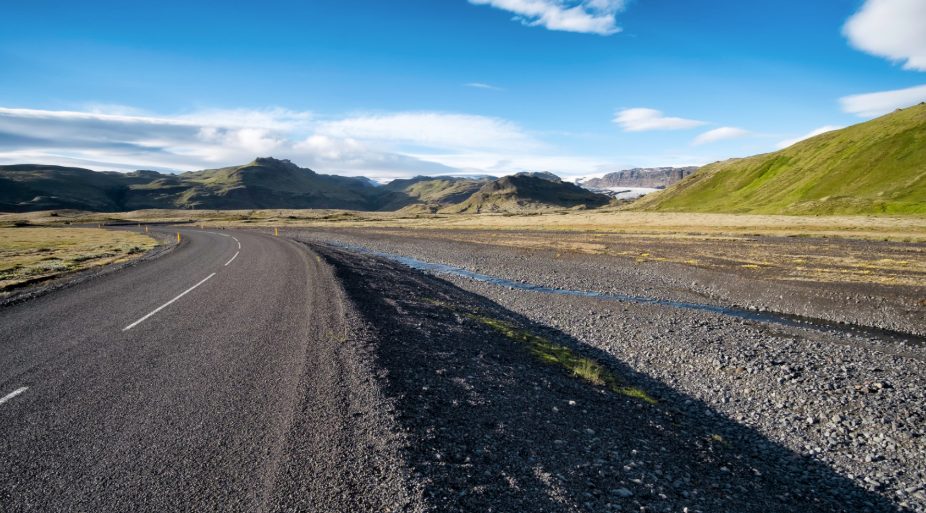
A camper van works well in Iceland because many of the country’s best attractions sit along established self-drive routes with regular fuel stops, campsites, and roadside services. The right route depends on your season, trip length, and whether you are using a standard camper van or a legal 4×4 vehicle.
For most travelers, it is better to choose a route that leaves room for weather changes and slower driving days rather than trying to cover too much distance too quickly.
The Golden Circle is usually the easiest camper van route for first-time visitors. Roads are straightforward, driving distances are short, and the route works well as either a day trip or the beginning of a longer road trip.
This route is practical for:
- short Iceland trips
- first-time camper van travelers
- winter self-drive itineraries
- flexible arrival or departure day planning
Because the route stays relatively close to Reykjavík, it also works well for travelers who want to avoid committing to long driving days immediately after arrival.
Useful links:
South Coast Camper Van Route
The South Coast is one of the best camper van routes in Iceland because the major attractions are spread naturally along the Ring Road. Waterfalls, black sand beaches, glacier lagoons, and small towns all fit into a route that is easy to follow without complicated navigation.
This route suits:
- first-time road trips
- five to seven-day itineraries
- summer and winter travel
- travelers who want a balance between driving and sightseeing
Many travelers choose a camper van here because it allows more flexibility with overnight stops and changing weather conditions.
Reynisfjara requires caution in all seasons due to the risk of sneaker waves.
Useful links:
- South Coast Iceland travel guide
- Reynisfjara black sand beach
- Jökulsárlón Glacier Lagoon
- Diamond Beach Iceland
- Iceland road trip guide
Ring Road Camper Van Route
The Ring Road is Iceland’s main long-distance road trip route and connects most of the country’s major regions. It is best suited to travelers with at least seven days, although 10 days or more gives a more comfortable pace.
This route works well for:
- longer camper van trips
- summer self-drive travel
- travelers who want to see several regions in one trip
- flexible itineraries with overnight stops around the country
A camper van is often one of the easiest ways to travel the Ring Road because it removes the need to return to the same base each night.
In winter, the Ring Road requires more caution because road closures and weather conditions can affect travel times, especially in North and East Iceland.
Useful links:
Snæfellsnes Camper Van Route
Snæfellsnes works well for travelers who want a shorter road trip without committing to the full Ring Road. The peninsula combines coastal scenery, lava fields, mountains, fishing villages, and glacier views in a relatively compact route.
This is often a good option for:
- two to three-day camper van trips
- repeat visitors
- photography-focused routes
- travelers with limited time outside Reykjavík
Road conditions are generally manageable in summer, although winter weather can affect smaller roads and visibility.
Useful links:
Highlands and F-road Camper Van Routes
The Highlands are very different from Iceland’s standard road trip routes. Mountain roads, river crossings, rough surfaces, and changing conditions mean these routes require a legal 4×4 vehicle and careful planning.
Highland Travel at a Glance
| Highland Route Factor | What to Know |
| Vehicle requirement | A 4×4 vehicle is mandatory for F-roads and Highland routes. Standard camper vans cannot legally drive on F-roads. |
| Best season | Summer only, and only when roads are officially open. Access can change quickly if conditions worsen. |
| Road conditions | Expect mountain roads, rough surfaces, river crossings, and limited services. |
| Best for | Experienced self-drive travelers, hiking-focused itineraries, multi-day summer trips, and remote route planning. |
| Not ideal for | First-time winter drivers, tight itineraries, standard camper vans, or travelers who want simple paved-road routes. |
| Planning note | Check road conditions before setting out and choose the vehicle for the route, not the other way around. |
Highland routes are generally only accessible during the summer access season and may close quickly if conditions change.
These routes suit:
- experienced self-drive travelers
- multi-day summer trips
- hiking-focused itineraries
- travelers looking for remote landscapes away from the main Ring Road
Standard camper vans cannot legally drive Iceland’s F-roads.
Useful links:
Unique Things to Do in Iceland
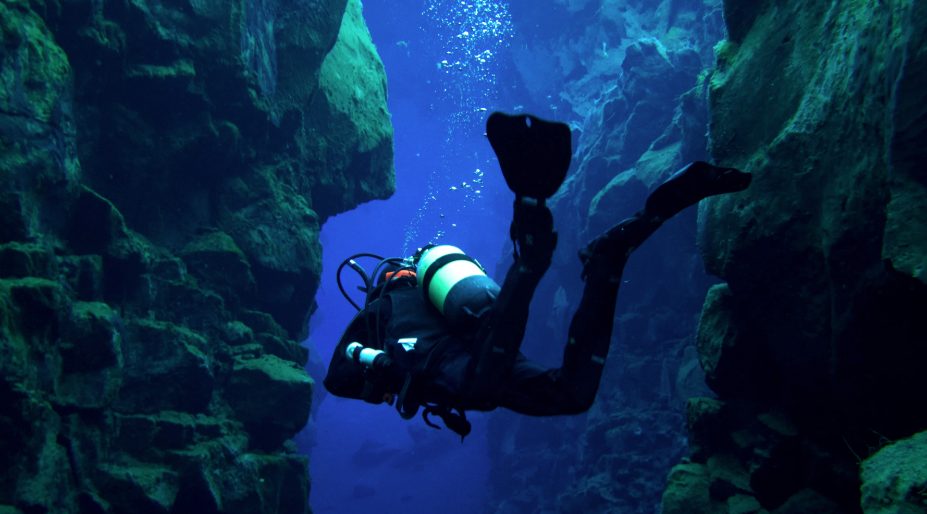
Iceland’s best-known attractions are easy to add to most itineraries, but many travelers also look for hidden gems and experiences that feel more specific to the country’s landscapes and conditions. Some of these activities require guided tours, while others fit naturally into a self-drive route.
The best option usually depends on your season, driving route, and how much time you want to spend away from Iceland’s busiest stops.
Snorkel or Dive in Silfra
Silfra Fissure is one of Iceland’s best-known guided activities and allows visitors to snorkel or dive between the North American and Eurasian tectonic plates. The water stays extremely cold year-round, but is known for its visibility.
Most tours depart from Thingvellir National Park, which makes Silfra relatively easy to combine with a Golden Circle route.
This activity requires a guided operator and is not something travelers should attempt independently.
Useful links:
Go Whale Watching
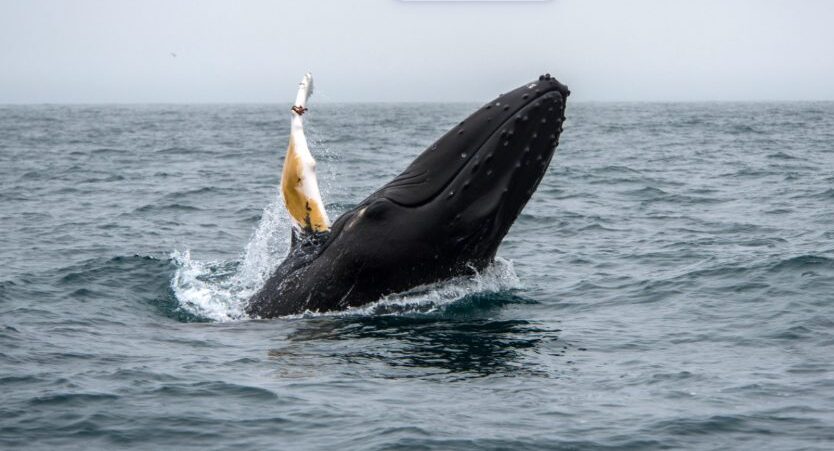
Whale watching is one of the easiest wildlife experiences to add to an Iceland trip. Tours operate from several coastal towns, including Reykjavík and North Iceland, with different species appearing depending on the season.
Summer generally offers the widest range of tours and calmer sailing conditions, although departures still depend on weather and sea conditions.
For many travelers, whale watching works best as part of a broader regional route rather than as the main reason for choosing a destination.
Useful links:
Visit Glacier Lagoons and Ice Landscapes
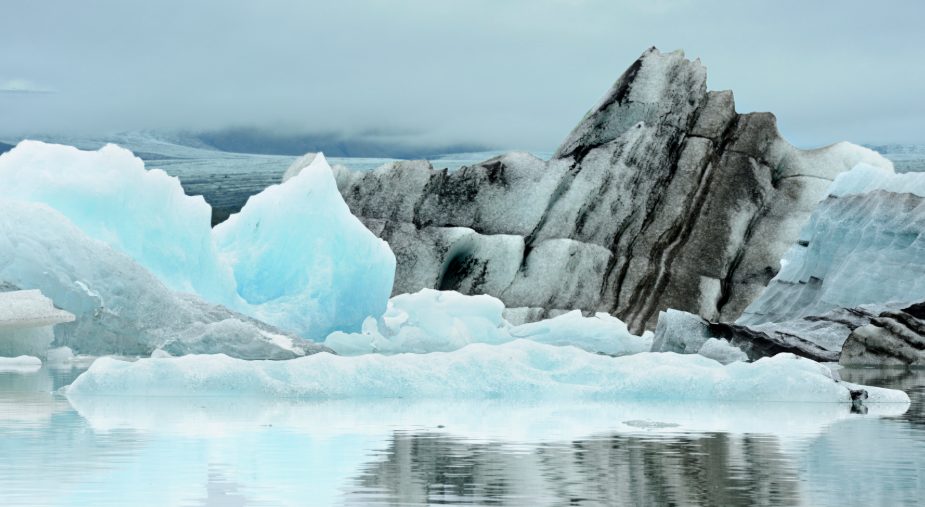
Jökulsárlón Glacier Lagoon and nearby Diamond Beach are among Iceland’s most photographed natural areas because of the floating icebergs, changing light conditions, and glacier scenery.
These stops are accessible from the Ring Road and work well as part of a South Coast route, especially on trips with five days or more.
In winter, some travelers also add guided ice cave tours in this part of the country.
Useful links:
Explore Quieter Regions Beyond the Main Routes
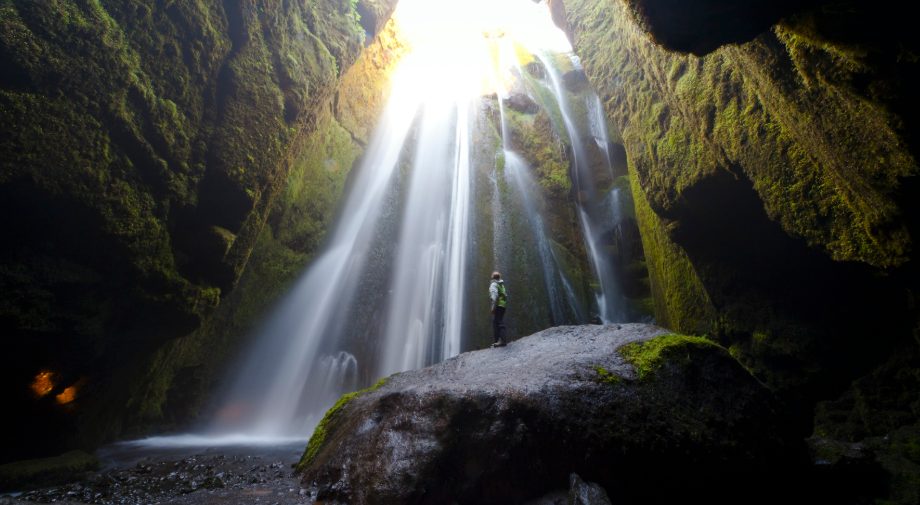
Travelers with more time often choose regions outside the standard Golden Circle and South Coast routes. The Westfjords, East Iceland, and parts of North Iceland generally involve longer driving distances but fewer crowds and slower-paced routes.
These areas are often better suited to summer camper van trips because weather conditions are more stable and daylight hours are longer.
Remote routes are usually more rewarding when you build in extra driving time rather than trying to cover large distances quickly.
Useful links:
Experience Iceland’s Geothermal Landscapes beyond the Blue Lagoon
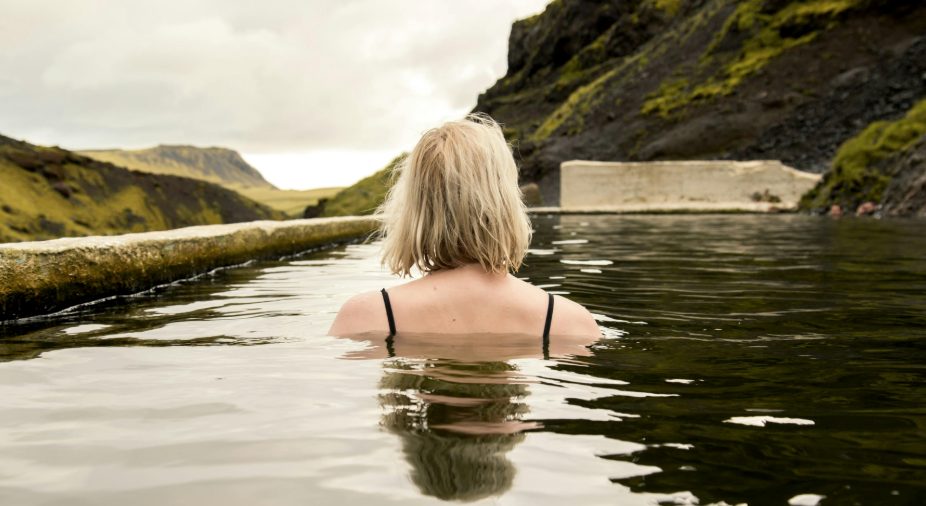
Geothermal areas appear across much of Iceland, not just around major lagoons. Depending on your route, you may pass hot springs, steam vents, geothermal fields, volcanic landscapes, and naturally heated pools.
Some geothermal stops are heavily developed and easy to access, while others require longer drives or guided access.
If geothermal bathing is one of your main priorities, it is usually better to choose one or two well-placed stops that fit naturally into your route rather than trying to visit every lagoon on the map.
Useful links:
Self-Drive vs Guided Tour: What Should You Book?
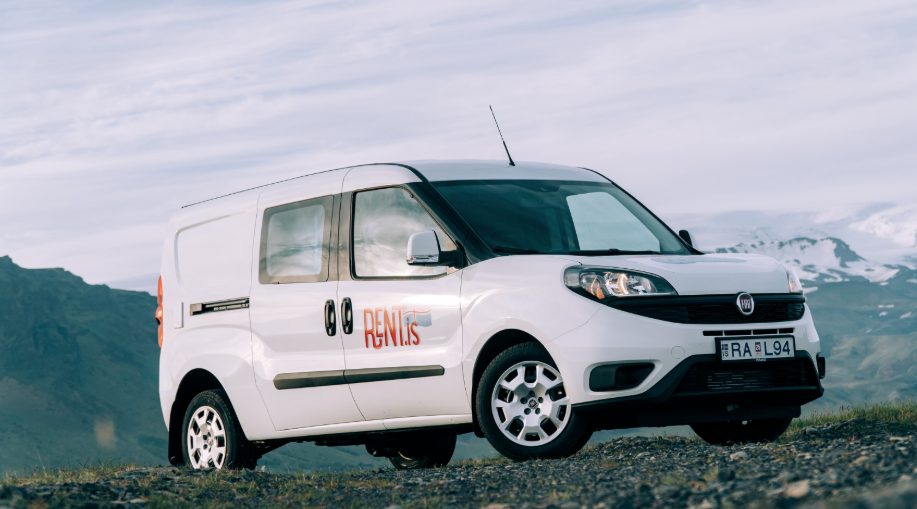
A self-drive trip is one of the easiest ways to explore Iceland because many major attractions sit directly along established driving routes. Camper van travel allows you to adjust overnight stops, driving distances, and daily plans around weather and road conditions.
For most travelers, self-driving works well for:
- the Golden Circle
- the South Coast
- Reykjavík and nearby regions
- Ring Road trips
- Snæfellsnes
- summer road trips with flexible pacing
It is often the better option if you want freedom to stop frequently, change plans during the trip, or spend more time in smaller regions and scenic areas.
Guided tours are usually more useful for activities that involve specialist equipment, glacier conditions, mountain access, or winter safety considerations.
These commonly include:
- ice caves
- glacier hikes
- Silfra snorkeling or diving
- some Highlands routes
- winter excursions during difficult weather conditions
Many travelers combine both approaches. A common Iceland itinerary includes a self-drive route for the main trip alongside one or two guided activities that are difficult or impractical to do independently.
If you are planning a camper van trip, route choice matters more than trying to see everything. A shorter route with extra flexibility is usually more enjoyable than spending most of the trip driving between overnight stops.
Useful links:
- Iceland road trip guide
- Iceland Ring Road guide
- Our campers
- 4×4 campers
- Silfra Fissure snorkeling and diving
Safety and Planning Notes for Iceland Attractions
Iceland is generally straightforward to explore independently, but weather, road conditions, and driving distances can affect travel plans more than many visitors expect. A route that feels manageable in summer may look very different in winter, especially outside the main roads near Reykjavík.
| Planning Area | What to Know | Best Action |
| Driving times | Routes often take longer than expected because of weather, wind, narrow roads, and frequent stops. | Plan shorter driving days and leave space for delays. |
| Winter conditions | Reduced daylight, snow, ice, strong winds, and road closures can change the route quickly. | Keep winter itineraries flexible and check weather and road updates often. |
| F-roads and Highlands | F-roads require a legal 4×4 vehicle. Standard camper vans cannot legally drive these routes. | Choose a 4×4 camper if your route includes Highlands or F-roads. |
| Beaches, cliffs, and waterfalls | Sneaker waves, slippery paths, closed trails, and exposed coastal weather can make popular stops risky. | Follow signs, stay on marked paths, and take warnings seriously. |
| Campsites and overnight stops | Campsite availability, fuel stops, weather, and arrival times affect where you can stop each night. | Plan overnight stops ahead, especially in peak summer and remote regions. |
| Remote regions | Services can be farther apart outside the main tourist routes. | Build in extra time for fuel, food, and route changes. |
Checking weather forecasts and road conditions regularly is part of normal trip planning in Iceland, particularly during colder months and on longer self-drive routes.
Plan driving days realistically
Driving in Iceland is often slower than travelers expect. Even on paved roads, weather conditions, wind, narrow sections, and frequent photo stops can all affect travel times.
Long driving days are usually less enjoyable than shorter routes with extra flexibility, especially if you are traveling by camper van.
If you are visiting in winter, leave additional time for:
- reduced daylight
- snow or ice
- strong winds
- temporary road closures
Useful links:
Understand F-road and 4×4 restrictions
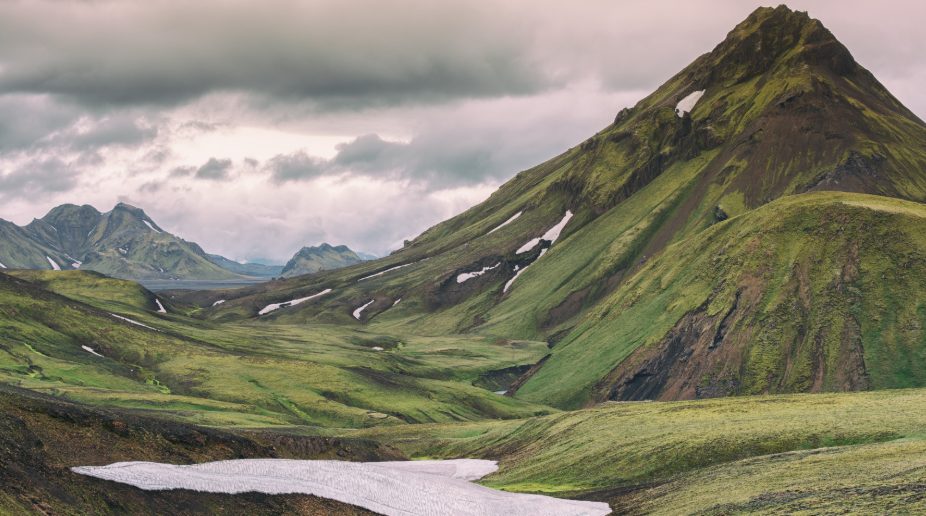
Iceland’s F-roads are mountain roads that require a legal 4×4 vehicle. Standard camper vans cannot legally drive these routes.
F-roads generally open during summer, but access depends on weather and road conditions. Some routes also include river crossings that are unsuitable for standard vehicles.
If your itinerary includes Highland areas or remote interior routes, choose a vehicle that matches the road conditions rather than trying to maximize distance.
Useful links:
Use caution at beaches, cliffs, and waterfalls
Some of Iceland’s most popular attractions also require basic safety awareness. Reynisfjara is known for dangerous sneaker waves, coastal cliffs can become slippery in wet or icy conditions, and waterfall paths may close during severe weather.
Marked paths and warning signs should always be taken seriously, even at busy tourist stops.
Weather conditions can also change quickly around glaciers, mountain roads, and exposed coastal areas.
Useful links:
Plan campsites and overnight stops in advance
Camper van travel gives more flexibility than fixed accommodation, but overnight planning still matters, especially during peak summer travel periods.
Campsite availability, driving distances, weather, and arrival times can all affect where you stop each night. In remote regions, fuel stations and services may also be spaced farther apart than travelers expect.
It is usually better to leave extra room in the itinerary rather than plan every day around long driving targets.
Useful links:
Plan Your Iceland Road Trip With Rent.is
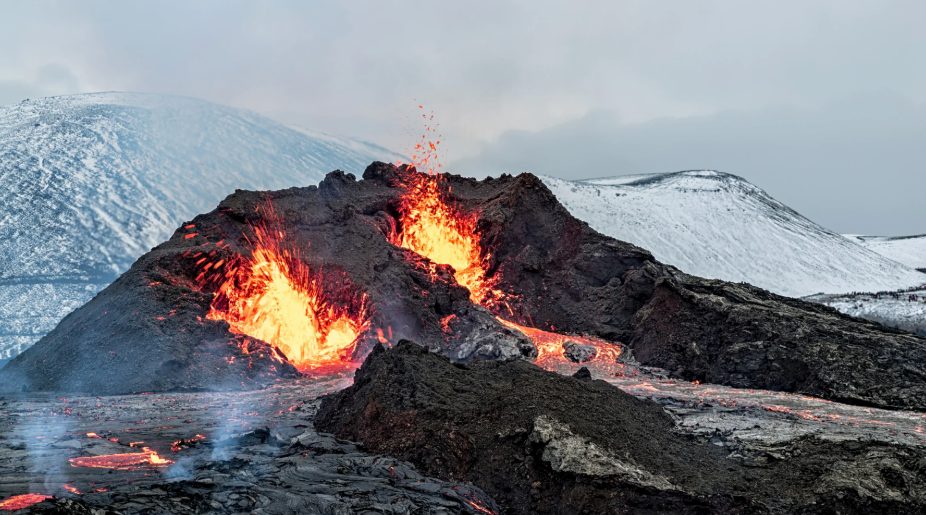
The best Iceland trips usually come from choosing a realistic route, allowing extra flexibility for weather and driving conditions, and using a vehicle that matches the season and road access you actually need.
Whether you are planning a short Golden Circle trip, a South Coast route, or a full Ring Road camper van journey, taking time to match your itinerary to the right vehicle can make the trip easier and more comfortable.
Browse camper van options, compare 4×4 vehicles for Highland routes, explore more Iceland road trip guides before finalizing your route, or contact us with any questions.
FAQs About Things to Do in Iceland
What is the number one thing to do in Iceland?
For many first-time visitors, the Golden Circle and South Coast are the easiest places to start. They include waterfalls, geothermal areas, black sand beaches, glacier scenery, and straightforward driving routes from Reykjavík.
What should I not miss in Iceland?
Many travelers prioritize the Golden Circle, South Coast waterfalls, Reynisfjara, Jökulsárlón Glacier Lagoon, Diamond Beach, Reykjavík, and a geothermal lagoon. In winter, northern lights viewing is also a major priority.
Is 3 days enough time in Iceland?
Yes, three days is enough for Reykjavík, the Golden Circle, and parts of the South Coast. There’s not enough time for the full Ring Road.
What is the best month to visit Iceland?
The best month depends on your priorities. Summer is better for long road trips, hiking, and Highland access, while winter is better for Northern Lights, ice caves, and shorter self-drive routes.
Can you explore Iceland in a camper van?
Yes. Camper vans are a practical option for many Iceland road trips because they allow more flexibility with overnight stops and route planning. Most major self-drive routes are suitable for camper van travel.
Do you need a 4×4 camper van in Iceland?
Not for most first-time routes. A 4×4 vehicle is mainly needed for F-roads, Highland routes, and some rough mountain roads.
What are the best things to do in Iceland in winter?
Winter trips often focus on Northern Lights, geothermal lagoons, Reykjavík, ice caves, and shorter South Coast or Golden Circle routes.
What are the best things to do in Iceland in summer?
Summer is best for Ring Road trips, longer camper van routes, hiking, whale watching, puffin season, and access to remote regions, including the Highlands and Westfjords.
Is it better to self-drive or book tours in Iceland?
Self-drive trips are usually better for flexibility and route control, while guided tours are useful for specialist activities, including glacier hikes, ice caves, and some winter excursions.