
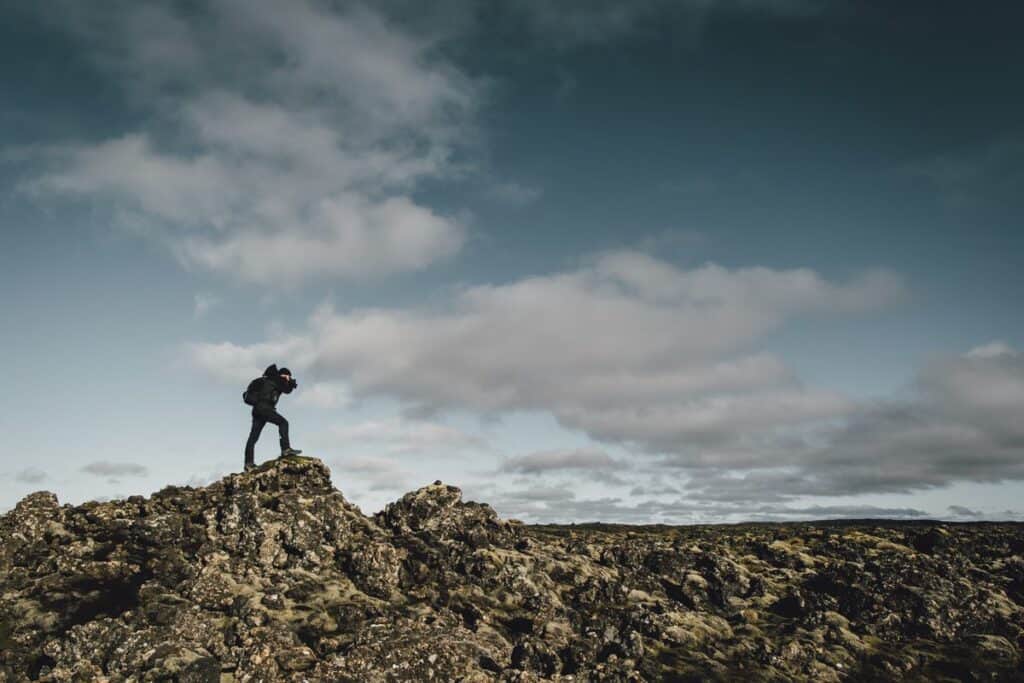
The best time to visit Iceland depends on your goals: June to August offers the mildest weather and longest daylight hours, while September to March is best for seeing the Northern Lights. Because Iceland’s weather changes so much throughout the year, choosing the right month can make a big difference to your trip.
Iceland is known for its unpredictable conditions, with weather that can shift quickly and vary widely between regions. Winters are cold and often disruptive, while summer is milder but still changeable. This can affect travel plans, especially when severe weather leads to road closures or limits access to certain attractions. Even so, Iceland’s dramatic landscapes and natural wonders make it a spectacular destination in every season.
Here’s a month-by-month breakdown to help you decide when to visit.
Iceland Weather by Month Quick Guide
The table below provides a snapshot of what to expect in terms of weather and other environmental factors, month by month, in Iceland. This can help you plan your visit.
| Month | Avg Temp (°F) | Daylight | Avg Rainfall | Best For |
|---|---|---|---|---|
| January | 28°F | 5 hrs | 2.1 in | Northern Lights |
| February | 30°F | 8 hrs | 1.9 in | Winter adventures |
| March | 33°F | 11 hrs | 2.0 in | Shoulder travel |
| April | 37°F | 15 hrs | 1.9 in | Fewer crowds |
| May | 44°F | 18 hrs | 2.0 in | Hiking |
| June | 50°F | 20 hrs | 2.0 in | Road trips |
| July | 54°F | 19 hrs | 1.9 in | Peak travel |
| August | 53°F | 16 hrs | 2.1 in | Festivals |
| September | 46°F | 13 hrs | 2.3 in | Fall colors |
| October | 39°F | 9 hrs | 3.0 in | Ice caves |
| November | 34°F | 6 hrs | 3.1 in | Low crowds |
| December | 30°F | 4 hrs | 2.8 in | Northern Lights |
If you plan on staying near the capital, keep in mind that monthly temperatures in Reykjavík are among the warmest in the country. But if you’re heading into more rugged areas, prepare for more inclement weather.
Best Time to Visit Iceland
There’s no definitive answer on the best time to visit Iceland, because that will depend on what you want to experience. Each season offers something completely different, from snowy landscapes and Northern Lights in winter to long, bright days and road trips in summer.
Summer (June to August) is the most popular time to visit, thanks to milder weather, long daylight hours, and easier access to remote areas. However, it’s also the busiest and most expensive period.
Winter (November to March) brings fewer crowds and lower prices, along with the best chance to see the Northern Lights, but shorter days and more unpredictable weather.
For many travelers, the shoulder seasons (spring and autumn) strike the best balance, offering fewer crowds, lower prices, and a mix of seasonal experiences. Read our guide to the best time of year to visit Iceland to learn more.
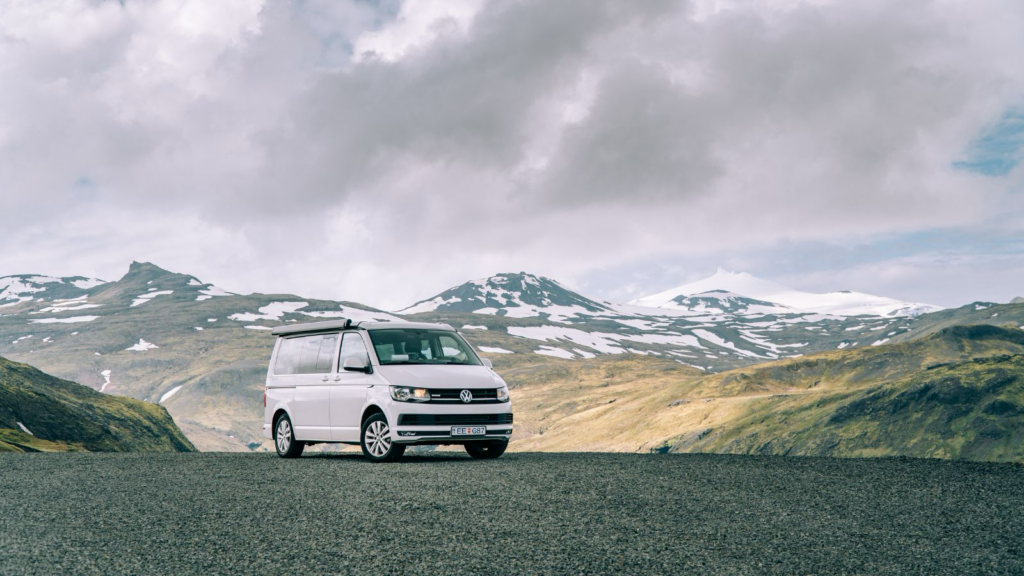
Iceland’s Weather Month by Month
Below, we break down Iceland’s weather by month to help you pack appropriately and select the ideal campervan for your season of travel.
Monthly Weather Highlights
Iceland’s weather shapes every landscape and opportunities for adventure differently, month by month. Winter brings the Northern Lights, while summer brings seemingly endless days. Understanding Iceland’s temperatures by month, as well as seasonal highlights, can help you determine the best time to go.
Month-by-month highlights:
Iceland Weather in January
January is the coldest month, with short days and frequent storms, but it offers a good opportunity to view the Northern Lights.
The stats:
Average temperature: 28°F (-1.6°C) – 32°F (0°C)
Daylight Hours: 5 hours. Prepare to adjust plans for sightseeing so that you can fit in as much as possible with limited hours of daylight.
Conditions: Cold, dark, and wintry, with limited daylight and a high chance of snow and icy landscapes.
Best activities: Northern Lights hunting, ice caves, glacier tours, and soaking in hot springs.
Driving conditions: Challenging. Expect snow, ice, strong winds, and occasional road closures; careful planning and a 4×4 vehicle are recommended.
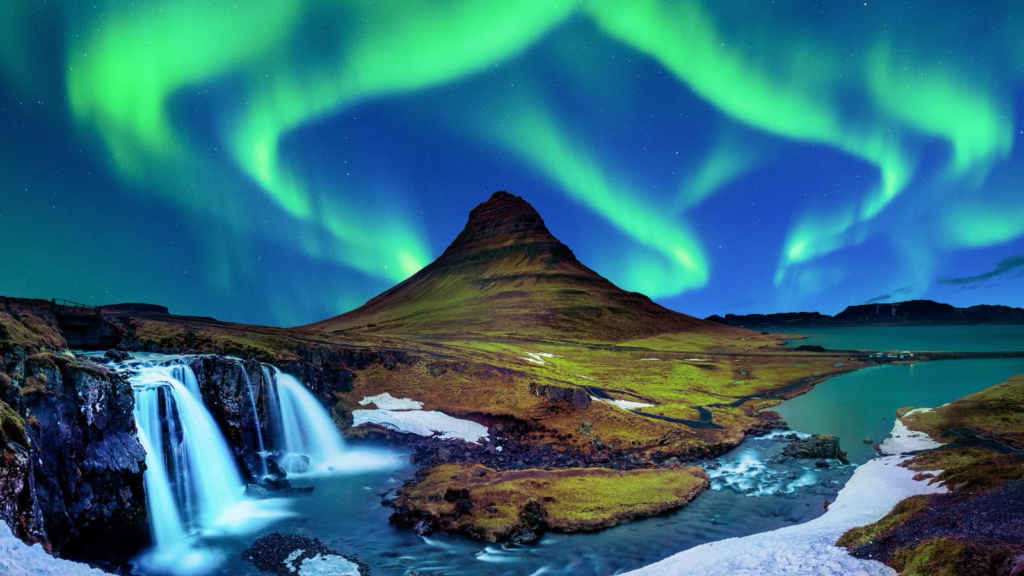
Iceland Weather in February
February remains firmly in winter, with cold temperatures and increasing daylight compared to January. It’s still an excellent time to see the Northern Lights while enjoying slightly longer days.
The stats:
Average temperature: 29°F (-1.7°C) – 32°F (0°C)
Daylight Hours: 8 hours. There’s a noticeable increase in daylight, giving you a bit more flexibility for sightseeing and activities.
Conditions:
Cold and wintry, with snow-covered landscapes, icy conditions, and gradually lengthening days.
Best activities:
Northern Lights hunting, ice caves, snowmobiling, glacier hikes, and hot springs.
Driving conditions:
Still challenging. Snow, ice, and strong winds are common, though slightly improved daylight makes travel a bit easier; a 4×4 vehicle is still recommended.
Iceland Weather in March
March marks the beginning of the transition from winter to spring, with longer days and slightly milder temperatures, while still offering a chance to experience winter landscapes and the Northern Lights.
The stats:
Average temperature: 30°F (-1°C) – 36°F (2°C)
Daylight Hours: 11 hours. Daylight increases quickly, giving you much more time to explore compared to the winter months.
Conditions:
A mix of winter and early spring, with snow still common but occasional signs of thaw and more daylight.
Best activities:
Northern Lights (early March), glacier hikes, ice caves (early March), sightseeing, and early road trips.
Driving conditions:
Moderate. Conditions can still be icy and unpredictable, but improving daylight and slightly milder weather make travel easier than in winter; a 4×4 is still advisable.
Iceland Weather in April
April brings the official start of spring in Iceland, with milder temperatures, rapidly increasing daylight, and fewer crowds, making it a great time for quieter travel.
The stats:
Average temperature: 34°F (1°C) – 40°F (4°C)
Daylight Hours: 15 hours. Longer days make it much easier to fit in sightseeing and outdoor activities.
Conditions:
Cool and changeable, with a mix of lingering snow, rain, and emerging greenery as the landscape begins to thaw.
Best activities:
Sightseeing, waterfalls, road trips, hot springs, and exploring with fewer crowds.
Driving conditions:
Improving. Main roads are generally more accessible, though weather can still be unpredictable with occasional snow or rain; standard vehicles are often sufficient, but check conditions.
Iceland Weather in May
May is one of the best shoulder-season months, with milder temperatures, lush green landscapes, long daylight hours, and fewer tourists, making it ideal for exploring before the peak summer rush.
The stats:
Average temperature: 40°F (4°C) – 48°F (9°C)
Daylight Hours: 18 hours. Near-constant daylight gives you plenty of time to explore at a relaxed pace.
Conditions:
Cool but increasingly mild, with greener landscapes, blooming vegetation, and generally more stable weather.
Best activities:
Hiking, road trips, wildlife watching (including puffins), sightseeing, and hot springs.
Driving conditions:
Good. Most roads, including some Highland routes, begin to open, and conditions are generally easier, though always check for local updates.
Iceland Weather in June
June marks the start of summer, with mild temperatures and nearly 24 hours of daylight thanks to the Midnight Sun. It’s one of the best times for exploring the entire country.
The stats:
Average temperature: 48°F (9°C) – 54°F (12°C)
Daylight Hours: 20+ hours. Expect near-Midnight Sun, giving you maximum flexibility for travel and activities.
Conditions:
Mild, bright, and relatively stable, with green landscapes and clear visibility across much of the country.
Best activities:
Road trips, hiking, exploring the Highlands, wildlife watching, waterfalls, and camping.
Driving conditions:
Very good. Most roads, including Highland F-roads, are open or opening, making it one of the easiest times of year to drive in Iceland.
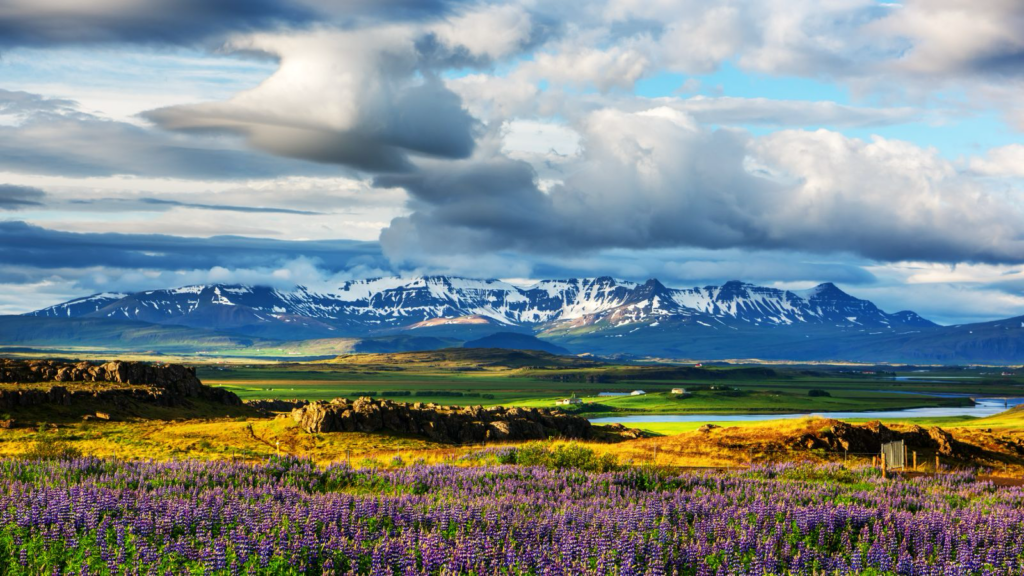
Iceland Weather in July
July is the peak of summer and the warmest month in Iceland, with long days, vibrant landscapes, and the best overall conditions for travel.
The stats:
Average temperature: 51°F (11°C) – 57°F (14°C)
Daylight Hours: 20 hours. Long, bright days give you plenty of time to explore without rushing.
Conditions:
Mild and relatively stable, with lush green scenery, clear roads, and the least extreme weather of the year.
Best activities:
Road trips, hiking, Highland adventures, festivals, wildlife watching, and camping.
Driving conditions:
Excellent. Roads are fully accessible, including the Highlands, and weather conditions are typically the most reliable of the year.
Iceland Weather in August
August remains part of peak travel season, with mild temperatures, long days, and the first signs of crisp fall weather. It’s also the season of festivals, including the Reykjavík Jazz Festival and the Runner’s Festival, as well as the National Icelandic Horse Competition.
The stats:
Average temperature: 52°F (11°C) – 55°F (13°C)
Daylight Hours: 16 hours. Days are starting to shorten slightly, but still offer plenty of time for exploring.
Conditions:
Mild and comfortable, with late-summer greenery and generally stable weather, though rain becomes a bit more frequent.
Best activities:
Festivals, road trips, hiking, wildlife watching, and exploring both popular and remote areas.
Driving conditions:
Very good. Roads remain fully accessible, including Highland routes, though occasional rain and wind can affect conditions.
Iceland Weather in September
September marks the start of autumn, with cooler temperatures, fewer crowds, and the return of darker nights, making it a great time for both sightseeing and early Northern Lights opportunities.
The stats:
Average temperature: 41°F (5°C) – 52°F (11°C)
Daylight Hours: 13 hours. Daylight is noticeably shorter, but still sufficient for full days of exploring.
Conditions:
Cool and crisp, with early fall colors, more frequent rain, and increasingly changeable weather.
Best activities:
Fall foliage viewing, road trips, sightseeing, hot springs, and Northern Lights (late September).
Driving conditions:
Good. Most roads remain accessible, but weather can become more unpredictable with rain and wind; check forecasts regularly.
Iceland Weather in October
October brings deeper autumn conditions, with cooler temperatures, shorter days, and a strong chance to see the Northern Lights as darkness returns.
The stats:
Average temperature: 36°F (2°C) – 45°F (7°C)
Daylight Hours: 9 hours. Shorter days mean you’ll need to plan activities more carefully.
Conditions:
Cool, wet, and increasingly wintry, with a mix of rain, wind, and the first signs of snow in some areas.
Best activities:
Northern Lights hunting, ice caves (late October), sightseeing, hot springs, and winter camping.
Driving conditions:
Moderate to challenging. Weather becomes more unpredictable with rain, wind, and occasional snow; road conditions can change quickly, so plan ahead.
Iceland Weather in November
November marks the complete return of winter, with colder temperatures, very short days, and increasing chances to see the Northern Lights.
The stats:
Average temperature: 32°F (0°C) – 37°F (3°C)
Daylight Hours: 6 hours. Limited daylight means shorter sightseeing windows, so planning is key.
Conditions:
Cold, dark, and increasingly wintry, with snow, ice, and frequent storms becoming more common.
Best activities:
Northern Lights hunting, ice caves, glacier tours, hot springs, and winter sightseeing.
Driving conditions:
Challenging. Snow, ice, strong winds, and reduced daylight can make driving difficult; a 4×4 vehicle and careful planning are recommended.
Iceland Weather in December
December is one of the darkest months in Iceland, with festive winter scenery, snowy landscapes, and some of the best conditions for seeing the Northern Lights.
The stats:
Average temperature: 30°F (-1°C) – 36°F (2°C)
Daylight Hours: 4 hours. Very limited daylight means you’ll need to plan activities carefully around the few hours of light.
Conditions:
Cold, dark, and fully wintry, with snow-covered landscapes, icy conditions, and frequent storms.
Best activities:
Northern Lights hunting, ice caves, festive experiences, hot springs, and winter tours.
Driving conditions:
Challenging. Expect snow, ice, strong winds, and limited visibility; road conditions can change quickly, so a 4×4 vehicle and flexible plans are essential.
Iceland’s Seasons Compared
Looking at what the individual seasons offer can help you decide which month might be the best for your visit. It can also help you understand general weather patterns throughout the country and what you can expect, season by season.
| Season | Pros | Cons | Best For |
|---|---|---|---|
| Winter | Northern Lights | Short days | Adventure |
| Spring | Fewer crowds | Unstable weather | Budget |
| Summer | Best weather | Crowds | First-time visitors |
| Fall | Balanced | Windy | Photography |
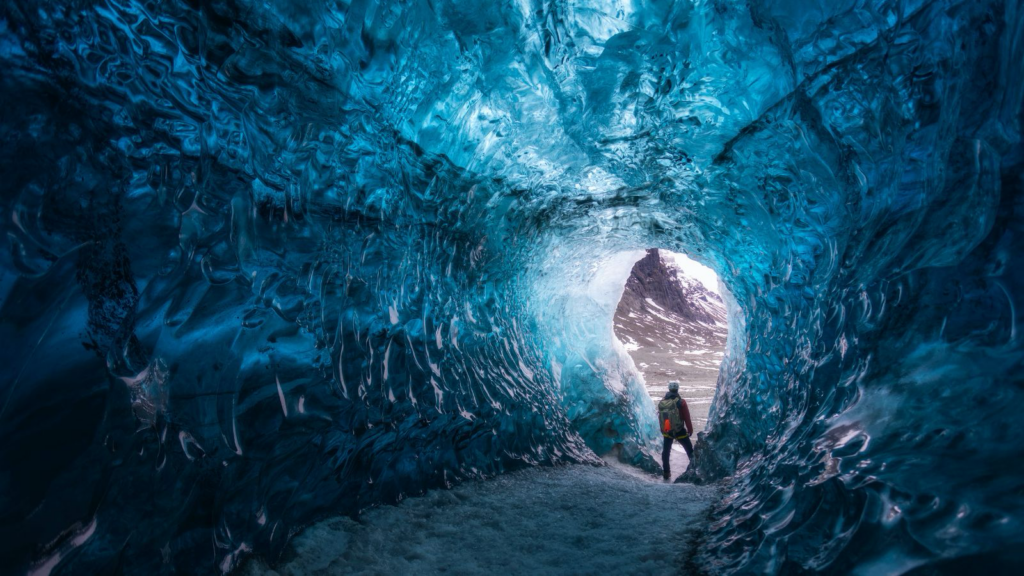
Iceland Weather in Winter (November–February)
Winter brings icy roads, heavy snowfall, and the shortest days and lowest temperatures of the year, dropping as low as five degrees Fahrenheit in January.
Lower elevation areas like Reykjavík can be slightly warmer and more protected from the harsh elements. But if you plan on visiting remote regions like North Iceland or the Westfjords, prepare for harsher, more extreme conditions.
Iceland Weather in Spring (March–May)
While spring ushers in longer days and milder temperatures, it’s still known for sudden and dramatic shifts in weather. You may get the occasional clear, mild day, but you should also be prepared for strong winds, rain, and lingering winter ice, particularly in the Highland regions.
It’s always a good idea to bring layers, especially if you’re planning a long day of outdoor activities. While much of winter’s snow has melted from the roads and trails, you should still check for road closures on Road.is before starting your drive.
Iceland Weather in Summer (June–August)
With the longest days and mildest weather, summer might be the best time to visit Iceland.
Iceland Weather in Fall (September–October)
In the fall, Icelandic weather begins to shift quickly back to cold temperatures, wind gusts, and some early snowfall.
Days also become shorter, which means you’ll need to be more strategic about outdoor activities. Pack warm layers and have the right navigational tools so you don’t get lost when driving in the dark.
As with any time of year, though, Reykjavík will experience milder weather than other regions. If you visit the highlands in the summer, you might still get some strong winds and cool temperatures. The good news is that, no matter which region you visit, you’ll witness the famous Midnight Sun, a natural phenomenon when the sun is visible for 24 hours.
How Weather Shapes Road Conditions Across Iceland
Iceland’s ever-changing weather impacts road conditions year-round. Between ice, high winds, fog, snow, and rain, drivers face challenges like slippery roads, reduced visibility, and frequent closures. This is especially true in the highlands and rural regions, where the climate is more variable than it is near the capital.
Always check road conditions before heading out and be prepared for sudden changes. Having the right gear, adequate fuel, and a contingency plan for road closures will prevent panic when storms hit. A 4×4 camper rental in Iceland is one of the best ways to see the sights, while ensuring you can travel down rougher roads.
Choosing the Right Campervan by Season
When you’re browsing our Iceland campers, consider the time of year you’ll be traveling. If you’re planning for the winter, make sure your model is well-insulated, has a strong heating system, provides solid traction, and has good ground clearance for bumpy roads. Consider automatic and manual options to suit your driving style.
Best Campervans for Spring in Iceland
Consider a campervan with a weather-resistant awning so you can still sit outside when it’s raining. Spring travelers might look for features that enhance warm weather, like camping amenities and a powerful air conditioning system.
Fiat Doblo Maxi Camper – A compact, budget-friendly option that’s easy to drive and ideal for shoulder-season road trips. Great for couples who want flexibility without overcommitting to a larger vehicle.
VW Caddy Camper (Manual or Automatic) – Slightly more spacious than smaller vans, offering a comfortable sleeping setup and practical cooking facilities for unpredictable spring weather.
Renault Kangoo Camper – A simple, efficient camper that’s perfect for shorter trips and travelers who want something easy to navigate on partially thawed roads.
Best Campervans for Summer
Summer is all about long road trips and maximum comfort, so larger vans and fully equipped campers really shine.
- VW California 4×4 (Automatic) – A premium camper with excellent comfort and off-road capability, ideal for exploring both the Ring Road and more remote areas.
- Renault Trafic 3 (Automatic) – A spacious and well-equipped van that’s perfect for longer trips, with plenty of room for sleeping, cooking, and relaxing.
- Crosscamp Lux 600 – A high-end option with more built-in amenities, making it a great choice for travelers who want a bit more comfort during peak season.
Best Campervans for Autumn
Autumn brings cooler temperatures and more unpredictable weather, so comfort, heating, and reliability become more important.
- VW Caddy Camper (Automatic) – A great all-rounder that balances comfort and practicality, especially as conditions become more changeable.
- Renault Trafic 3 – Offers extra space and insulation, making it a comfortable choice as temperatures start to drop.
- Fiat Doblo Maxi Automatic – Compact and easy to handle, ideal for travelers looking to explore with flexibility during quieter months.
Best Campervans for Winter
Winter travel in Iceland requires the right vehicle — think 4×4 capability, heating, and reliability in harsh conditions.
- Toyota Hilux 4×4 Camper (Automatic) – Built for tougher terrain, this is one of the best options for winter driving and accessing more remote areas safely.
- Dacia Duster 4×4 Roof Tent – A rugged and capable option that handles snow and icy roads well, ideal for adventurous travelers.
- Jeep Renegade 4xe – A solid 4×4 choice with good handling in winter conditions, offering a balance of comfort and capability.
FAQ: Iceland Weather by Month
What is the warmest month in Iceland?
The warmest month in Iceland is July, when average temperatures reach the low-to-mid 50s °F and conditions are generally the most stable. Coastal areas stay mild, while inland regions can occasionally climb a bit higher on clear days.
How cold does Iceland get in winter?
Iceland can drop into the 20s and low 30s °F in winter, though inland valleys and the Highlands can fall much lower during cold snaps. Wind chill often makes temperatures feel significantly colder, especially in exposed areas, while coastal regions like Reykjavík stay slightly milder.
Is summer the best time to visit Iceland?
Summer is often considered the best time to visit Iceland because it offers the warmest temperatures, open roads, clearer trails, and the Midnight Sun, which provides nearly 24 hours of daylight. These conditions make hiking, sightseeing, and long driving days much easier than in other seasons.
When does Iceland see the most daylight?
Iceland sees the most daylight in June, when the sun remains above the horizon for almost 24 hours. Daylight gradually decreases after the solstice, with long days continuing through July and August.
Why does Iceland’s weather change so quickly?
Iceland’s weather changes quickly because the country sits between the Arctic and Atlantic weather systems, where cold northern air meets warmer southern air. These clashing systems create frequent, rapid shifts in wind, precipitation, and temperature.
When is the best time to see the Northern Lights in Iceland?
The best time to see the Northern Lights in Iceland is from September to March, when nights are dark enough for visibility. Peak chances typically occur between October and February, especially on clear, cloudless nights away from city lights.
When are Iceland’s roads fully open?
Most main roads, including the Ring Road, are open year-round. However, Highland F-roads typically open between June and September, depending on weather conditions and snowmelt.
Is it safe to drive in Iceland year-round?
Driving in Iceland is generally safe, but conditions vary by season. Summer offers the easiest driving, while winter requires more caution due to snow, ice, and strong winds. Always check road conditions and weather forecasts before setting out.
Plan Your Iceland Weather-Smart Adventure with Rent.is
Knowing what to expect from Iceland’s weather year-round will help you choose the right time to visit and enjoy a safer, smoother trip. Between the snowy winters, windy springs, and endless summer days, there are so many unique experiences waiting for you in Iceland. Knowing what to pack, which Iceland campervan rental to choose, and what routes to travel is a critical part of the planning.
Rent.is offers campervans designed for Iceland’s dynamic weather patterns. With winter-ready features like 4×4, insulation, and large water tanks, our models are made for Icelandic exploration. So whether you’re planning to go hiking, snowshoeing, or camping, contact us to find the campervan that will suit your Iceland adventure perfectly.