
Iceland in September at a Glance
- One of the best months to visit Iceland
- Mild weather, usually around 45–55°F (7–13°C)
- Fewer crowds and better value than peak summer
- Northern Lights season begins in mid-September
- Open roads make it a great time for a road trip
- A campervan gives you the freedom to explore more
We might be biased, but Iceland really is one of those places that feels worth visiting every month of the year. In early spring, the ice thaws, and everything comes back to life, from roaring waterfalls to green valleys waking up under the last patches of snow. During fall, everything slows down: quieter roads, cooler air, and a color palette that seems to change by the hour.
Ideally, you’d get to experience the land of fire and ice in every season. But if you’re choosing just one month, Iceland in September is hard to beat. You get a taste of summer and a hint of winter. The days are still long enough to do plenty of activities, but dark enough at night to catch the auroras. Crowds thin out, roads stay open, and campgrounds feel relaxed but not yet completely empty.
Are you convinced going to Iceland in September is the right option for you? Here’s everything you need to know.
Is September a Good Time to Visit Iceland?
Yes, September is one of the best months to visit Iceland due to fewer crowds, mild weather, and the return of Northern Lights visibility. You still get the freedom of long road trip days, but with cooler air, green-and-gold landscapes, and a stronger chance of spotting the aurora.
Most of the summer experiences are still available, too, like whale watching, glacier hikes, horse riding and even puffin spotting if you’re early enough in the month. This means that you get all the access without the peak-season chaos.
Visiting Iceland in September: Pros & Cons
September gives you a great middle ground in Iceland. The busiest summer crowds have started to fade, prices can be more reasonable, and conditions are still good for road trips and outdoor adventures. It is also one of the first months when you have a real chance of seeing the Northern Lights again. The main trade-off is that the weather becomes a little more changeable, and daylight starts to shorten as autumn sets in.
Pros of visiting Iceland in September
- Fewer crowds at major attractions compared with June, July, and August
- Lower prices on flights, rental cars, and accommodation than in peak season
- Mild temperatures that are still comfortable for road trips, sightseeing, and outdoor activities
- The Northern Lights start to become visible again from mid-September
- Most popular summer activities are still available, including whale watching, glacier hikes, horse riding, and many road trip routes
- Early autumn colours make the landscapes even more beautiful, with green, gold, and mossy tones across the countryside
Cons of visiting Iceland in September
- The weather can be more unpredictable, with more wind, rain, and colder evenings
- Daylight hours begin to shorten, so you have less time for sightseeing than in midsummer
- Puffin season is nearly over, so sightings are less reliable later in the month
- Highlands routes and more remote areas may start to become less accessible depending on conditions
- Northern Lights are possible, but never guaranteed, and still depend on darkness, cloud cover, and solar activity
Summer vs Winter vs Shoulder Season in Iceland
Iceland is often thought of as a summer or winter destination, but September actually sits right in between, in what’s known as the shoulder season. This is the sweet spot where you get a mix of both worlds: some of the accessibility and milder conditions of summer, with the darker nights and natural phenomena of winter starting to return.
Alongside April, September is one of Iceland’s key shoulder season months — but the experience can feel quite different depending on which side of the year you visit.
September vs April: Shoulder Season Comparison
| Feature | September (Autumn Shoulder Season) | April (Spring Shoulder Season) |
|---|---|---|
| Overall feel | End of summer, moving into autumn | End of winter, moving into spring |
| Temperatures | Milder (around 45–55°F/7–13°C) | Colder (around 32-55°F/0–7°C) |
| Daylight hours | Decreasing, but still fairly long | Increasing, but still limited early in the month |
| Road conditions | Generally good, most routes accessible | Can be icy or unpredictable, especially early April |
| Northern Lights | Start to return (mid–late September) | Still possible, especially early April |
| Landscapes | Green, golden autumn colours | Snowy, melting into early greenery |
| Crowds | Fewer than summer, still some activity | Generally quieter than September |
| Activities | Most summer tours still available | Some tours limited due to winter conditions |
| Puffins | Possible early in the month | Not in season |
| Overall vibe | Balanced, flexible, great for road trips | More wintery, quieter, slightly more restrictive |
Weather in Iceland in September
Average temperatures range from 45–55°F (7–13°C), so you’ll want to pack layers but nothing extreme.
You’ll likely get a little of everything: sunshine, chilly breezes, light rain, and in higher elevations, maybe even the season’s first dusting of snow. The weather changes quickly, though, which we consider part of the experience. By mid-September, fall foliage starts to spread across the landscape, and Iceland’s landscapes become picture-perfect with golden grasslands, red moss, and mountain peaks starting to frost.
| Factor | Value |
|---|---|
| Rainfall | Moderate |
| Snow | Rare (except in the Highlands) |
| Wind | Moderate |
How Many Hours of Daylight in September?
Daylight starts to shorten in September, but there’s still plenty of time for exploring.
- Early September in Iceland gets around 14 hours of daylight.
- Late September in Iceland sees around 11 hours of daylight.
That means you can still cover a lot of ground during the day and settle in with a cup of cocoa for a front-row seat to the aurora at night.
Can You See the Northern Lights in September?
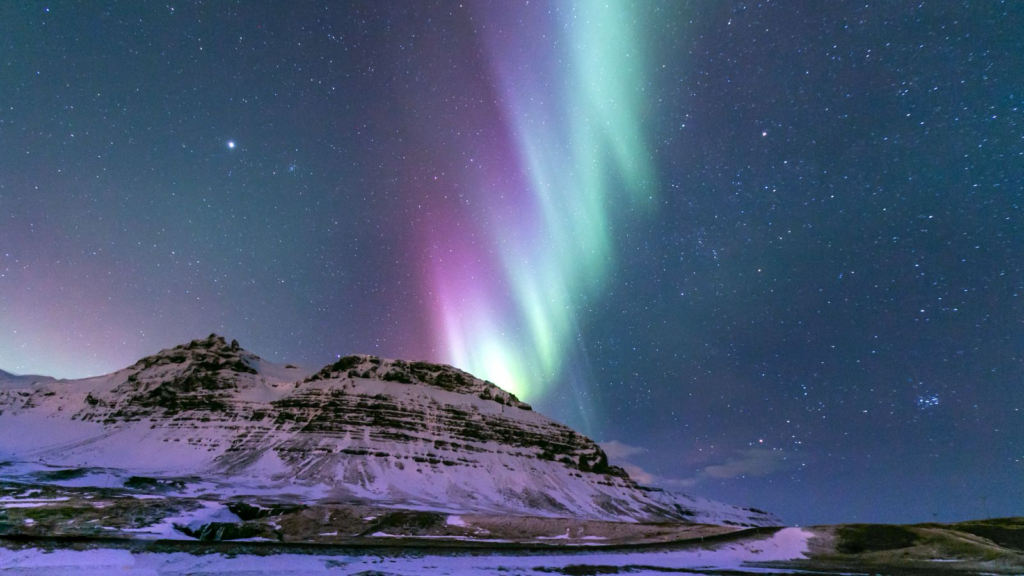
Yes, from mid to late September, dark nights return to Iceland, making it possible to see the Northern Lights if skies are clear and solar activity is strong.
While early September still has long daylight hours, by the middle of the month, nights are dark enough for aurora viewing. It is one of the first opportunities after summer to catch the Northern Lights, especially if you are staying outside of major towns and keeping an eye on the forecast.
Tips for seeing the Northern Lights in September
- Check the aurora forecast and cloud cover daily
- Head out between 9 pm and 2 am for the best chances
- Get away from city lights for darker skies
- Be patient — sightings can come and go quickly
- Dress warmly, as nights can feel much colder than daytime temperatures
Best places to see the Northern Lights
- Thingvellir National Park – close to Reykjavík but still very dark
- Snæfellsnes Peninsula – great mix of scenery and low light pollution
- South Coast (e.g., Vík, Skógafoss) – easy access and wide open skies
- North Iceland (e.g., Akureyri area) – often clearer skies and fewer crowds
- Westfjords – remote, quiet, and excellent for dark-sky viewing
For the best experience, consider staying in rural areas or traveling by campervan so you can move to clearer skies when conditions change.
What to Wear in Iceland in September
Packing for Iceland in September is all about layering. The weather can change quickly throughout the day, so wearing multiple layers lets you easily adjust to shifting temperatures, wind, and rain.
The ideal layering system:
- Base layer – A thermal or moisture-wicking layer to keep you warm and dry
- Insulation layer – A fleece or down jacket to retain heat
- Waterproof shell – A windproof and waterproof outer layer to protect against rain and strong gusts
Essential items to pack:
- Waterproof jacket
- Sturdy hiking boots (preferably waterproof)
- Thermal layers (tops and leggings)
You might also want to bring gloves, a hat, and a scarf for colder evenings, especially if you plan to go Northern Lights hunting.
What Are the Best Things to Do in Iceland in September?
If you decide to travel to Iceland in September, you’re truly in for a treat. The country has something for everyone; you can explore local culture, chase natural wonders, relax in hot springs, or explore under the stars, all with fewer crowds and cooler temps. It’s also one of the best months to travel in a campervan, giving you total freedom to follow the weather, make last-minute detours, and sleep close to whatever you’re seeing.
Here are just a few of the many things to do in Iceland in September.
1. Experience Local Festivals
Iceland’s September festivals blend rural traditions and urban culture for a truly local experience. The month kicks off with countryside traditions mixed in with city buzz. You’ll find everything from sheep roundups to indie film screenings, all in one trip:
- Réttir: Every September, locals gather across rural Iceland for the annual sheep round-up. It’s one of the most authentic cultural experiences you can catch, complete with horseback riders, community feasts, live music, and a peek into Icelandic farm life.
- Reykjavík International Film Festival (RIFF): Held in late September, RIFF welcomes a curated lineup of international films to Reykjavík, along with talks, special screenings, and events across the city.
- Smaller events, like local music nights and art exhibitions, also pop up in places like Akureyri and Ísafjörður.
2. Catch the Northern Lights
No trip to Iceland is complete without chasing auroras, and September nights are finally dark enough to catch the Northern Lights. Best of all, temperatures haven’t dropped too low yet, so it’s the ideal time for staying out late with a camera and hot drink.
Here are some tips:
- Stay outside of city centers for better visibility.
- Use aurora forecast apps and check cloud cover maps.
- Campervans give you the freedom to move with the sky and find clear patches on the go. Check out our Northern Lights blog for more info.
3. Soak in Hot Springs
Iceland’s hot springs are especially relaxing in September’s cooler weather and with fewer crowds. Plus, there’s something about warm geothermal water meeting the fall air that hits differently in the fall.
Some of the best hot springs in Iceland for soaking during September include:
- Blue Lagoon: Still open and still stunning; go at sunset for dramatic light and fewer crowds
- Secret Lagoon: Smaller and more rustic, but just as relaxing
- Sky Lagoon & Forest Lagoon: Stylish alternatives with scenic views and less foot traffic
4. Visit Iconic Waterfalls
September is one of the best months to visit Iceland’s waterfalls, with full flow and stunning fall scenery. With glacier melt still running strong and fall colors coming in, Iceland’s waterfalls are at their most photogenic this time of year.
Top waterfalls to visit:
- Gullfoss: A Golden Circle staple with thunderous power
- Skógafoss: Dramatic, accessible, and often framed by rainbows
- Seljalandsfoss: The famous one you can walk behind—bring a rain jacket
- Dynjandi: A remote beauty in the Westfjords if you’re going off-route
5. Take a Whale Watching Tour
September is still prime time for whale watching in Iceland, especially in northern towns like Húsavík. Boats still go out regularly, especially from the north:
- Húsavík: Known as Iceland’s whale capital
- Akureyri & Reykjavík: Solid options with plenty of departures
- Common sightings: Humpbacks, minkes, dolphins, porpoises
Book early, especially toward the end of the month when tours start scaling back.
6. Go Glacier Hiking
Glacier hikes are popular in September thanks to stable conditions and expert-led tours on dramatic ice formations. During September, the weather is still manageable, the ice is stable, and the views are unreal.
Consider going to:
- Sólheimajökull: A beginner-friendly glacier on the South Coast
- Vatnajökull: Europe’s largest glacier, with multiple tour options
Good to know:
- All gear is included, and certified guides lead every hike
- Book ahead—spots go fast, especially on weekends
7. Drive the Golden Circle
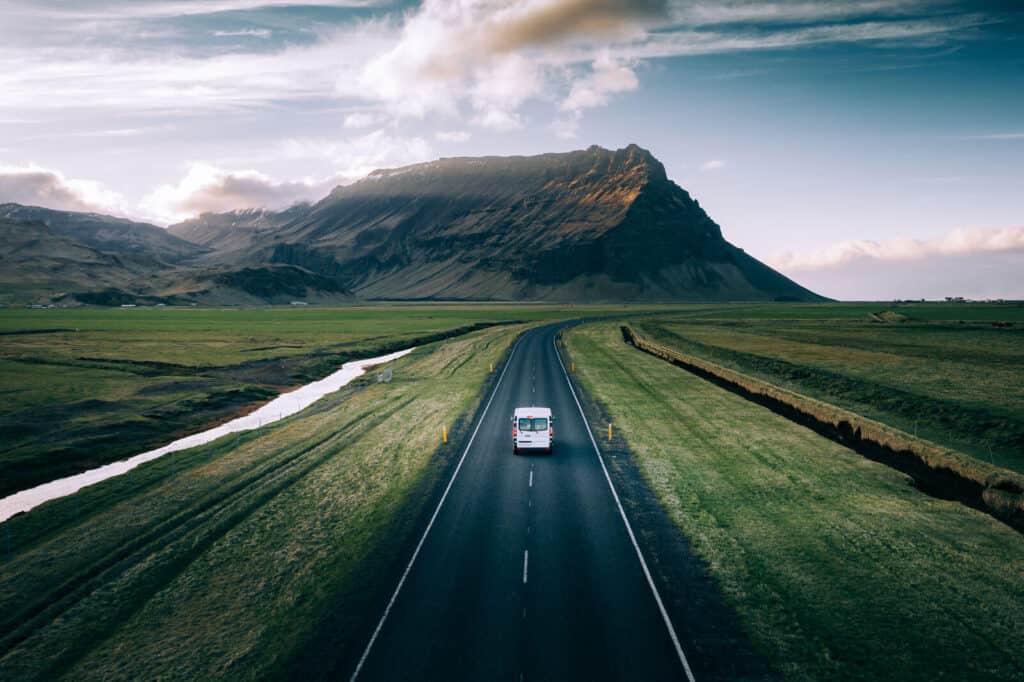
September is ideal for driving Iceland’s Golden Circle, with open roads and iconic sites easily accessible. This classic loop is perfect for a campervan trip: short distances, awesome stops, convenient campsites, and great roads. You can hit the main spots in a day or stretch it over two with some well-timed detours.
Key stops:
- Þingvellir National Park: Historic site and tectonic rift valley
- Geysir Geothermal Area: Watch the Strokkur geyser erupt every 10 minutes
- Gullfoss: One of Iceland’s most powerful waterfalls
Optional stops:
- Kerið Crater: A colorful volcanic caldera
- Secret Lagoon or Fontana Spa: For a warm soak along the way
With a campervan, you can take your time, skip the tour groups, and pull over when something grabs your attention—which it will, often.
Example Iceland Itinerary for September (3–5 Days)
September is perfect for a short Iceland road trip. With good road conditions, fewer crowds, and the chance of Northern Lights, you can cover a lot in just a few days.
3-Day Iceland Itinerary
Day 1: Reykjavík & Golden Circle
Arrive in Reykjavík and explore the capital’s cafés, shops, and landmarks like Hallgrímskirkja. Then head out on the Golden Circle route to see Þingvellir National Park, Geysir geothermal area, and Gullfoss waterfall. Stay overnight in or near Selfoss.
Day 2: South Coast Highlights
Drive along the South Coast, stopping at Seljalandsfoss and Skógafoss waterfalls, and the black sand beach at Reynisfjara near Vík. This route is packed with iconic scenery and is easy to navigate. Overnight in Vík or nearby.
Day 3: Glaciers & Return to Reykjavík
Visit Skaftafell in Vatnajökull National Park for glacier views or a short hike. If time allows, add a glacier walk or ice cave tour (season dependent). Begin your return journey to Reykjavík, with optional stops along the way.
Your Three-Day Route
Is Iceland Expensive in September?
While Iceland has a reputation for being pricey, September is one of the more affordable times to visit if you plan ahead. It’s still smart to outline your budget carefully, but you’ll find more breathing room compared to the summer rush.
September sits just after peak season, so:
- Flights and campervan rentals are often cheaper than in July or August.
- Hotels may offer off-season deals, especially in smaller towns.
- Crowds thin out, which can make tours and activities more available.
That said, some costs stay high year-round:
- Gas, groceries, and eating out can still take up a big chunk of your budget.
- Popular tours (like glacier hikes or whale watching) are priced consistently.
If you’re looking to save:
- Cook your own meals; many campervans come with full setups.
- Use campsites instead of hotels or guesthouses.
- Book flights, vans, and big-ticket tours early to lock in better prices.
Trips to Iceland in September don’t have to break the bank; they just take a bit of planning, like renting a campervan that doubles as your hotel, restaurant, and road trip HQ. Find out more about camper van rental costs and how to budget.
Getting Around Iceland in September
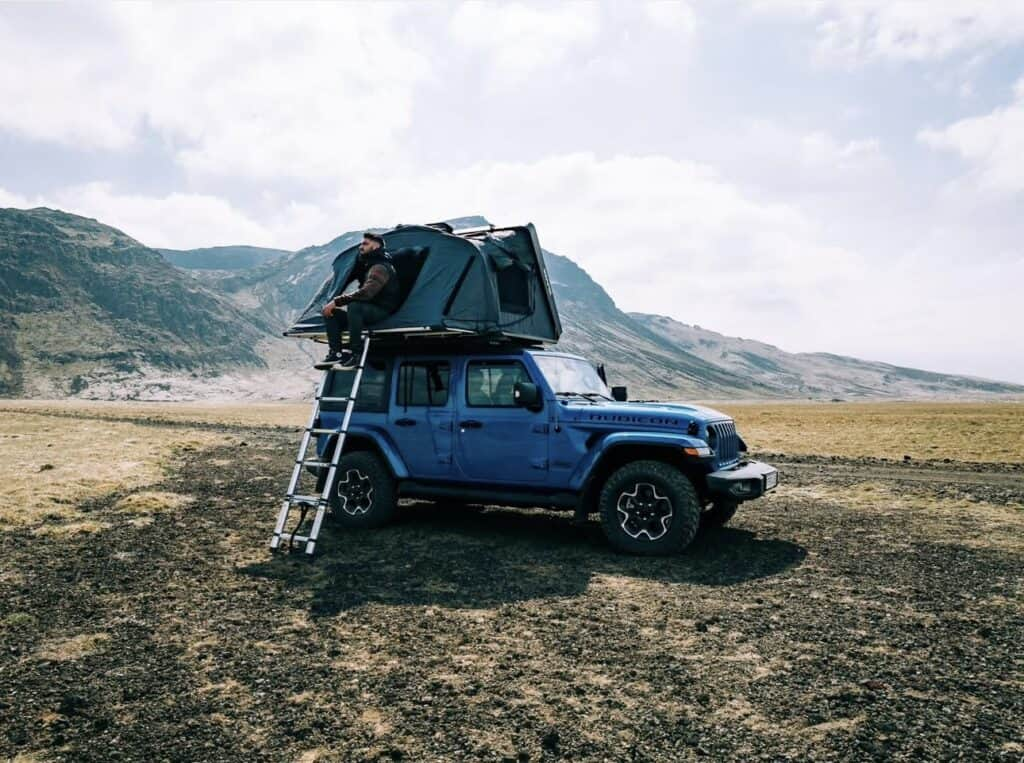
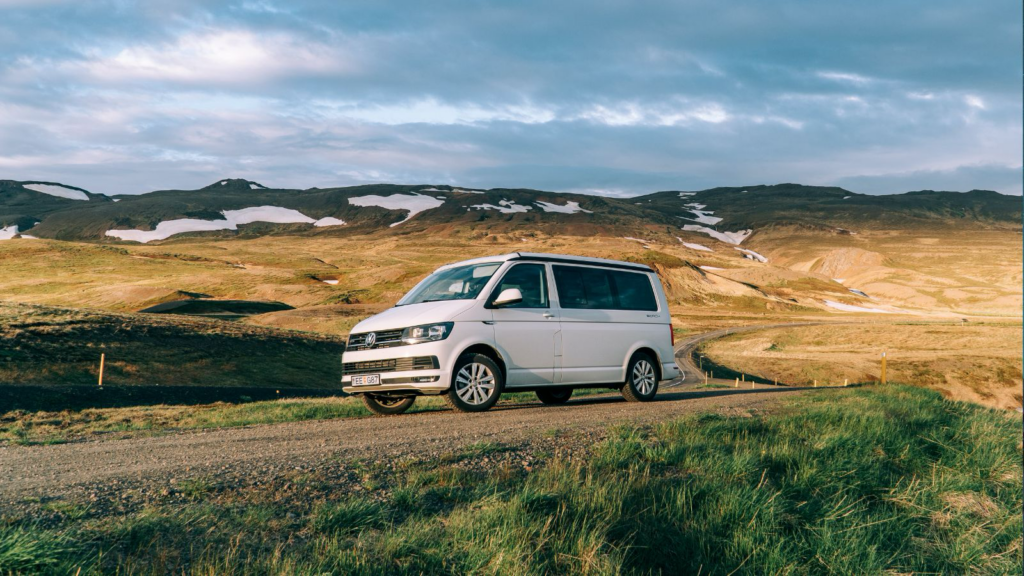
The best way to get around Iceland in September is by campervan. The roads are still largely accessible, the weather is usually manageable for road trips, and popular routes like the Ring Road and Golden Circle are far less hectic than in peak summer. Traveling by campervan gives you the freedom to explore at your own pace, stop whenever the scenery demands it, and stay closer to Iceland’s most unforgettable landscapes. In a country built for road trips, September is one of the best months to do it this way.
Public transport works fine in Reykjavík in September and year-round, but once you leave the city, options are limited. If you’re not renting a vehicle, day tours are available for major sights, but keep in mind that you’ll be on their schedule, not yours.
Is September Safe to Drive in Iceland?
Yes, September is a great time to drive, though it’s always a good idea to stay smart about the weather. With some prep and common sense, September road-tripping in Iceland is safe, jaw-dropping, and seriously fun.
- Check daily road conditions at road.is and keep an eye on forecasts.
- A 4×4 is handy if you’re heading into the Highlands, though not essential for Ring Road trip.
- Be cautious around foggy areas, wet roads, and sheep wandering near the highway.
Who Should Visit Iceland in September?
September is one of the most versatile months to visit Iceland, making it a great fit for a wide range of travelers. Whether it’s your first trip or you’re chasing a more flexible road trip experience, this time of year offers a strong balance of accessibility, scenery, and fewer crowds.
First-time visitors
If it’s your first time in Iceland, September is hard to beat. You’ll still have access to all the must-see highlights like the Golden Circle and South Coast, but without the peak summer crowds. The weather is relatively mild, making it easier to explore comfortably while still getting a taste of Iceland’s changing seasons.
Road trippers
September is ideal for road trips, especially if you want freedom and flexibility. Roads are generally open and easy to drive, and traffic is lighter than in summer. Traveling by campervan is one of the best ways to experience Iceland at this time of year, giving you the ability to adapt your route, chase good weather, and even hunt for the Northern Lights at night.
Photographers
For photographers, September offers some of the most dynamic conditions of the year. You get softer light, early autumn colours, and the return of darker skies for Northern Lights shots. With fewer people at popular locations, it is also easier to capture Iceland’s landscapes without crowds in your frame.
Ready to Visit Iceland in September? Let Rent.is Lead the Way
Iceland in September is beautiful, features the perfect weather, and is full of moments you won’t find on a tight itinerary. The days are still long enough to explore, the roads are open, and the skies start showing their colors at night. It’s a season of fewer people, quieter trails, and wide-open possibilities. With a campervan from Rent.is, you’re free to enjoy your Iceland trip in September at your own pace, with everything you need right there with you. Got questions? We’re here to help. Reach out anytime to learn more, check availability, or start planning your September road trip across Iceland.
FAQ: Iceland in September
Is September a good time to visit Iceland?
Yes, September is one of the best times to visit Iceland. You get fewer crowds, milder weather than winter, and the return of the Northern Lights season, all while many roads, tours, and attractions are still accessible.
What is the weather like in Iceland in September?
The weather in Iceland in September is generally mild but changeable. Average temperatures usually range from 45–55°F (7–13°C), with a mix of sunshine, wind, light rain, and cooler evenings. In higher elevations, you may even see the first light snow of the season.
Can you see the Northern Lights in Iceland in September?
Yes, you can see the Northern Lights in Iceland in September, especially from mid to late September when nights become dark enough again. Clear skies, low light pollution, and strong solar activity all improve your chances.
How many hours of daylight does Iceland get in September?
Daylight hours gradually shorten throughout the month. Early September usually gets around 14 hours of daylight, while late September gets closer to 11 hours, which still gives you plenty of time for sightseeing and road trips.
Is September too cold for Iceland?
No, September is not usually too cold for most travellers. It feels cool rather than extreme, especially compared with winter. With the right layers, most people find September very comfortable for road trips, sightseeing, and outdoor activities.
What should I wear in Iceland in September?
The best approach is to dress in layers. Pack a base layer, an insulating mid-layer, and a waterproof outer shell, along with sturdy waterproof boots. A hat, gloves, and thermal layers are also useful for evenings and Northern Lights viewing.
Is September a good time for a road trip in Iceland?
Yes, September is one of the best months for an Iceland road trip. Roads are generally still open, traffic is lighter than in peak summer, and the weather is usually manageable for driving, especially on popular routes like the Ring Road and Golden Circle.
Is it safe to drive in Iceland in September?
Yes, September is generally a safe time to drive in Iceland if you stay aware of road and weather conditions. Wet roads, fog, and wandering sheep can still be hazards, so it is always important to check conditions before setting out.
Do you need a 4×4 in Iceland in September?
Not necessarily. For the Ring Road and most popular tourist routes, a standard vehicle is usually fine in September. A 4×4 is more useful if you are planning to drive into the Highlands or more remote areas where conditions can be rougher.
Is a campervan a good idea in Iceland in September?
Yes, a campervan is one of the best ways to explore Iceland in September. It gives you more flexibility, lets you travel at your own pace, and makes it easier to stay close to major sights, scenic routes, and good Northern Lights viewing spots.
Is Iceland cheaper in September?
September can be more affordable than peak summer. Flights, accommodation, and campervan rentals are often lower in price than in July or August, although Iceland is still generally considered an expensive destination overall.
Are campsites open in Iceland in September?
Many campsites are still open in September, especially along popular travel routes, although some begin to close later in the month. It is a good idea to check ahead if you are planning a campervan trip with a flexible itinerary.
Can you still see puffins in Iceland in September?
Sometimes, but only early in the month. Puffin season is nearly over by September, so sightings become much less reliable as the month goes on.