
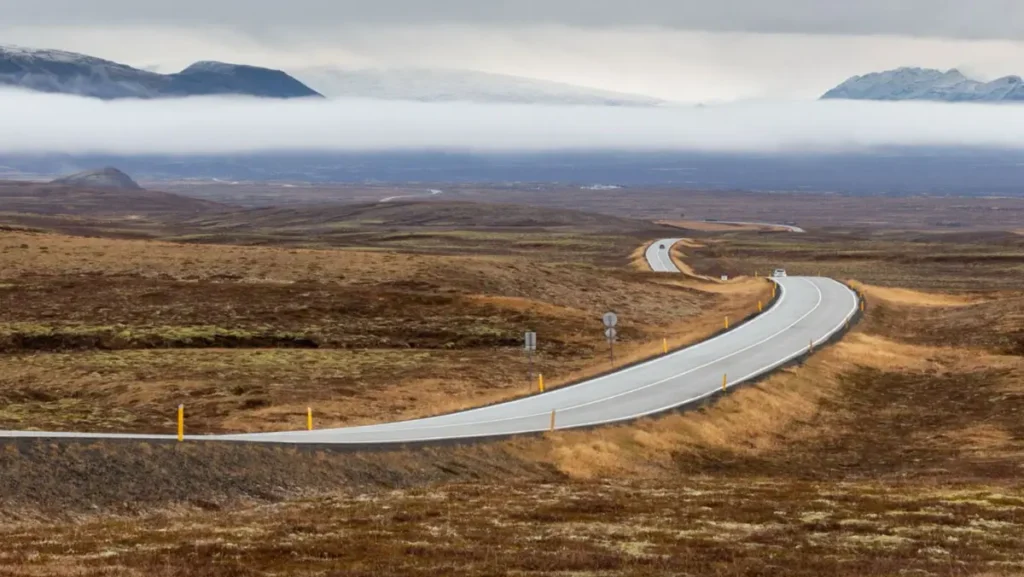
If you’ve got ten days to explore Iceland, then you’re in a great position. This amount of time is enough to drive Iceland’s iconic Ring Road at a sensible pace — as long as you don’t let the driving itself eat up the whole day. The route gives you space for the South Coast, glacier country, the Eastfjords, the north, and a relaxed return west, with plenty of room to actually stop and explore along the way. It also leaves a buffer if weather, wind, or road conditions mean a long drive isn’t the best call.
Is this the right Iceland itinerary for you?
Iceland rewards different kinds of trips — some travelers want to chase every waterfall and black sand beach, others want to actually enjoy the drive. This plan is built for the latter: the full Ring Road, without cramming every possible detour into every single day. It works particularly well for couples and families who’d rather have a few lighter driving days and overnight stops that actually make sense for a camper van, instead of racing the clock from sunrise to sunset.
Choose a shorter route if you have only a week. Our 7-day Ring Road itinerary is the better fit when time is fixed. Choose a longer route if you want to spend several nights in one region, add the Westfjords, or build in a dedicated Highlands section.
One more thing worth factoring in: your vehicle. A standard summer Ring Road trip doesn’t need anything fancy — a 2WD camper van will do the job. But if the Highlands are calling, that’s a different trip altogether: F-roads demand a proper 4×4 and some separate planning. Not sure which you need? Our 4×4 vs 2WD guide breaks down the difference.
Plan the route before you leave
Don’t just hit the road without putting a sound plan together. The best way to start is by deciding what you are willing to leave out. The Ring Road is a functional loop around the island, not a route that includes every famous place in Iceland. The Golden Circle, Snæfellsnes, the Westfjords, and the Highlands all need extra time or deliberate trade-offs.
Leaving Reykjavík and working your way clockwise is a good option because it puts the busiest South Coast stops early in the trip, then gives you the quieter Eastfjords as a change of pace. You can travel counterclockwise instead, but do not reverse the route blindly. Check your arrival time, the season, your departure buffer, and the current forecast.
Choose an overnight area rather than committing to one specific campsite — plans can change, and you may need to switch where you stay, so it’s easier to work from a general area than a fixed plan. That said, in peak season it’s worth prebooking, since popular sites do fill up. Iceland requires camper van travelers to stick to designated sites, so it’s worth checking ahead that your planned stop is open and has the access and facilities you’ll need. Our campsites in Iceland guide covers the practical rules.
| Day | Route | Overnight area | Main focus |
| 1 | Keflavík to Reykjavík or Golden Circle | Reykjavík/Golden Circle | Arrival buffer |
| 2 | Golden Circle to South Coast | South Coast | Start east |
| 3 | South Coast to Vík/Skaftafell | Vík/Skaftafell | Waterfalls and coast |
| 4 | Vík to Jökulsárlón/Höfn | Höfn | Glacier country |
| 5 | Höfn to Eastfjords | East Iceland | Slower driving day |
| 6 | East Iceland to Mývatn | Mývatn | Move north |
| 7 | Mývatn area | Mývatn | One main focus |
| 8 | Mývatn to Akureyri/west | North/west | Restock and move |
| 9 | West to Snæfellsnes (optional) | West Iceland | Flexible finish |
| 10 | Return to Keflavík | Keflavík area | Flight buffer |
Days 1 and 2: Arrive gently, then start east
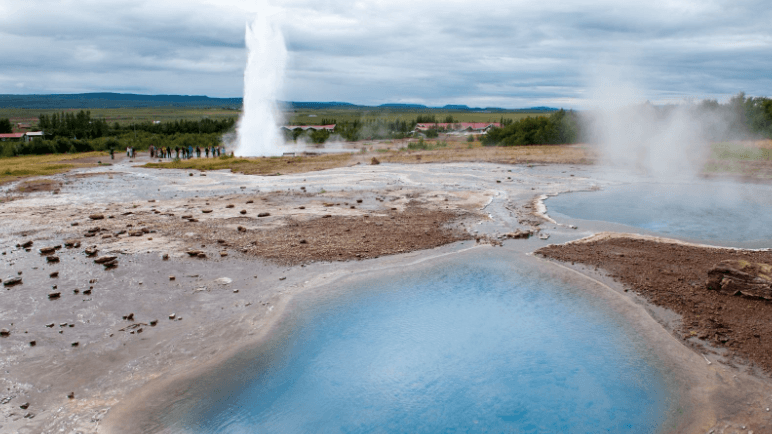
Day 1: Keflavík Airport to Reykjavík or the Golden Circle area
Keep the first day simple. The right plan depends on your flight, the vehicle handover, and how well you have slept. If you arrive tired, stay near Reykjavík, grab groceries, and start the next morning properly. If you have an early arrival and feel fresh, begin the Golden Circle, but avoid turning a long-haul arrival into a race.
Day 2: Golden Circle to the South Coast
Use this day to see the Golden Circle if it fits your pace, then move toward the South Coast. You don’t need to see every stop to have a good day. The useful decision is whether going farther east tonight will make tomorrow easier, not whether you can squeeze in one more stop before dinner.
Days 3 and 4: South Coast and glacier country
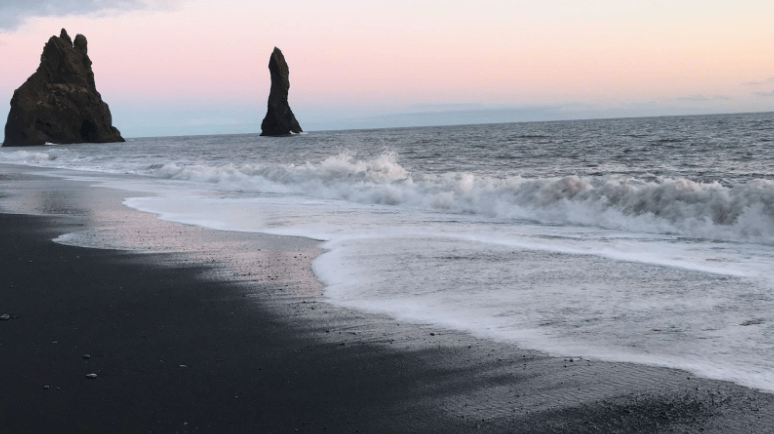
Day 3: South Coast to Vík or the Skaftafell area
The South Coast is full of worthwhile stops, which is why it’s easy to overload. Pick the places that matter most to you, leave time for short walks, and pay attention to wind and rain. At Reynisfjara, follow the posted safety guidance and stay well back from the water.
Day 4: Vík to Jökulsárlón and Höfn
This is the glacier-country day. Give the Skaftafell and Jökulsárlón area enough time rather than treating it as a drive-by. If the weather is poor, reduce the number of stops and focus on a safe overnight plan. Höfn is a useful place to reset before the Eastfjords, but do not promise yourself a fixed arrival time when the conditions are working against you.
Days 5 and 6: East Iceland and Mývatn
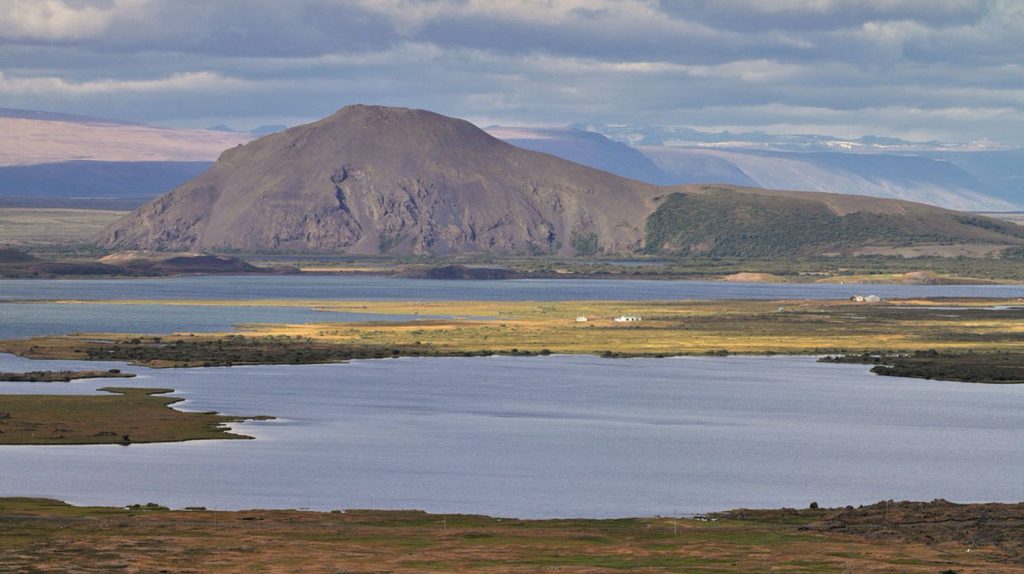
Day 5: Höfn to the Eastfjords
This is where a 10-day route starts to feel different from a rushed Ring Road loop. The Eastfjords deserve a slower day. Keep fuel, food, and the next overnight area in mind, then let the day unfold naturally rather than chasing a strict checklist. Our guide to villages along the Ring Road is useful when you are deciding where to stop and what services to expect.
Day 6: East Iceland to the Mývatn area
Make this a transition day into the north. The aim is to arrive with time to settle in and explore Mývatn, rather than chase a long list of volcanic stops after a full drive. If weather or visibility is poor, protect the overnight plan and save the optional stops for another trip.
Days 7 and 8: Mývatn, Akureyri, and the north
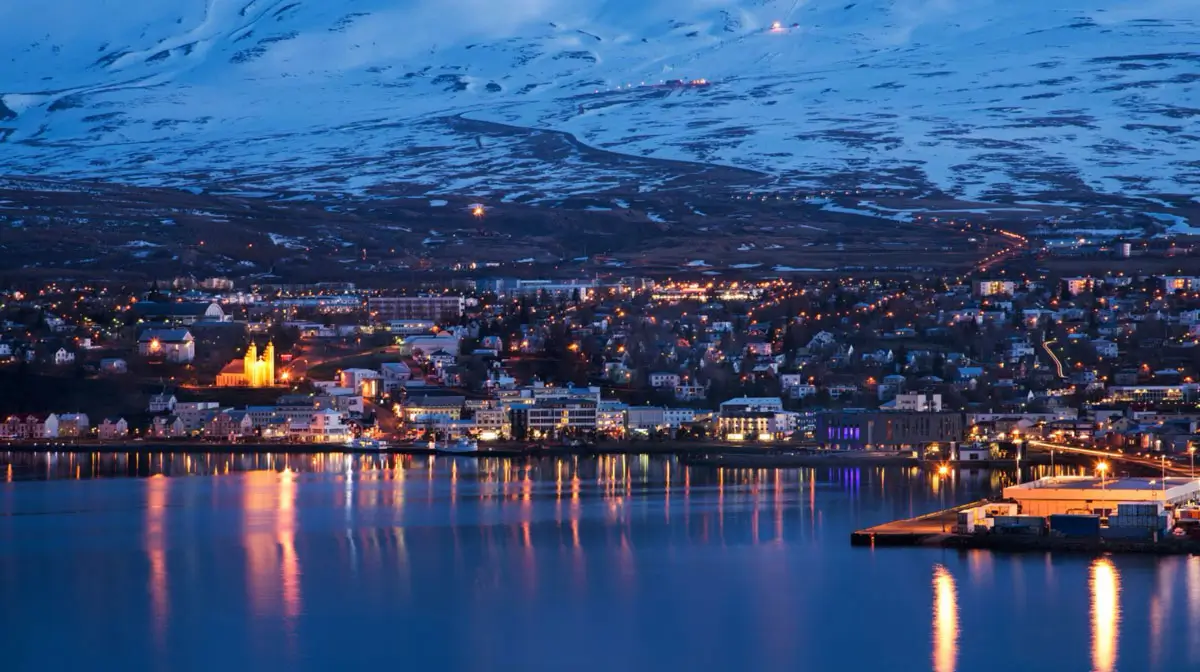
Day 7: A Mývatn-focused day
Give Mývatn a day with one main focus and a few optional nearby stops. That could mean volcanic landscapes, a waterfall route, or a slower day around the lake. The benefit of a camper van here is not that you can park anywhere overnight. It’s that your cooking, sleeping, and daily setup travel with you to a designated campsite.
Day 8: Akureyri and the Route West
Use Akureyri as a practical break as well as a destination. Restock, take a walk, and decide how far west makes sense for the day. If you are behind schedule, do not try to fix the plan by driving tired. A shorter day and a different overnight stop are usually the better answer.
Days 9 and 10: Snæfellsnes and return planning
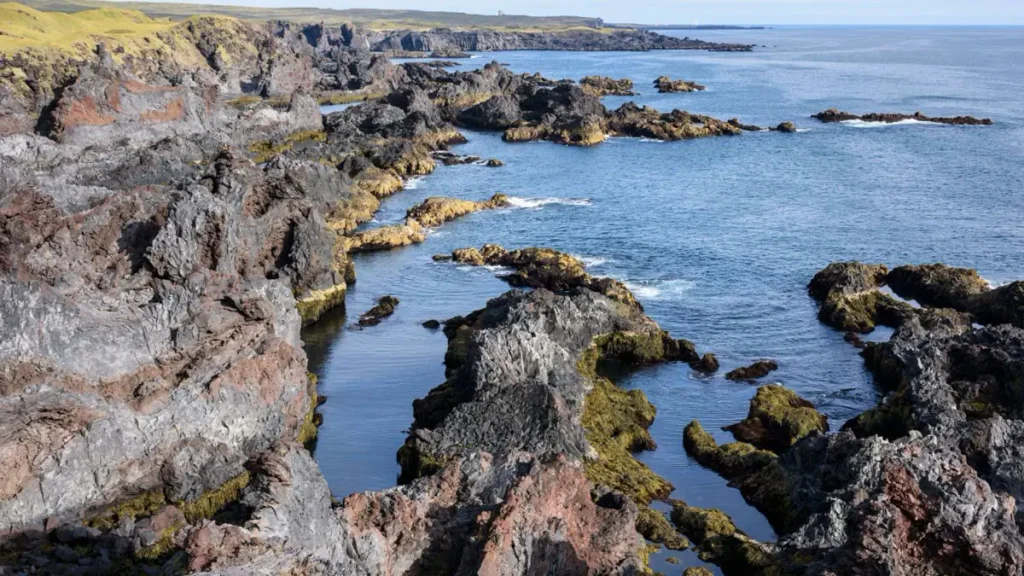
Day 9: Snæfellsnes as an optional slower finish
Snæfellsnes is a good addition when the rest of the route has gone smoothly, and you want a scenic finish. It’s optional, not mandatory. If the weather is poor, you are tired, or you have an early flight, use the day to get closer to Keflavík instead.
Day 10: Return to Keflavík with a buffer
Build the final day around your return time, fuel, packing, and flight. Avoid leaving a long final drive between you and the airport. Check the return requirements for your chosen rental, and give yourself time to clear out any trash, empty the water and waste tanks if applicable, and repack your bags neatly so unloading at the airport is quick and easy. Leave a realistic buffer.
Camper van decisions that shape the route
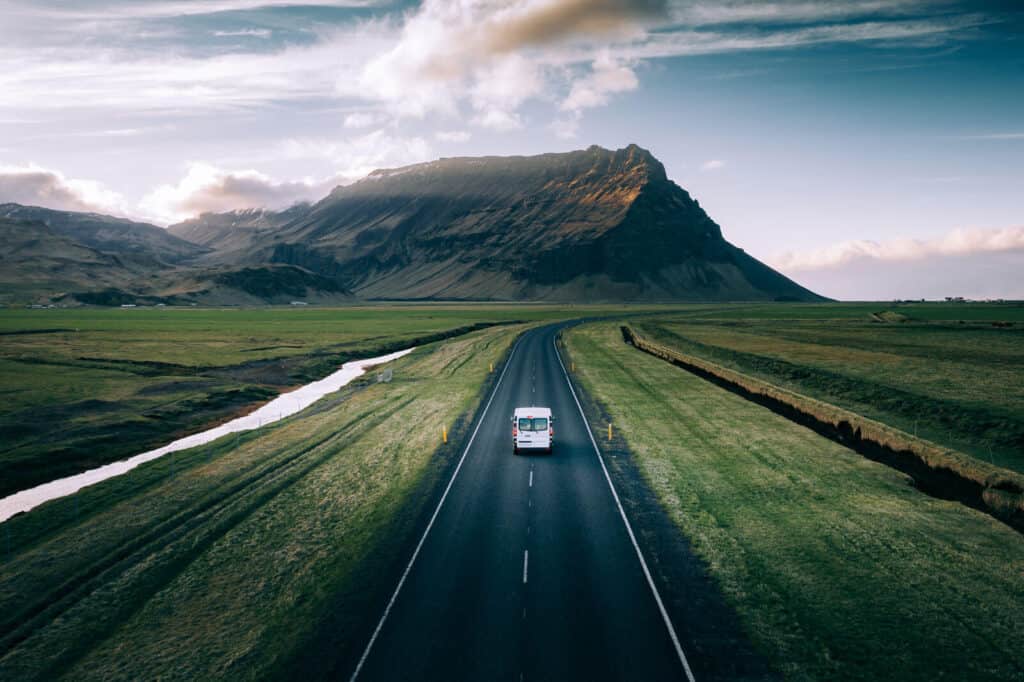
A camper van makes overnight logistics flexible, but it doesn’t eliminate all questions. Think about sleeping space, luggage, cooking in wet weather, campsite facilities, and how much time you want to spend setting up each evening. Couples can often keep a standard Ring Road trip simple in a compact or mid-size camper. Families and longer trips often benefit from more interior space.
For Route 1 in normal summer conditions, choose the vehicle that fits your group and comfort needs rather than upgrading automatically. A 4×4 becomes relevant when your actual route includes F-roads, or you need it for the conditions. It does not turn a standard itinerary into permission to leave marked roads, and it does not change the need to use designated campsites.
Frequently Asked Questions
Is 10 days enough for Iceland?
Yes, ten days is enough for Iceland, especially if your focus is the Ring Road — as long as you stay flexible and don’t plan your days around driving time alone. Compared to a 7-day trip, it gives you much more room for stops, campsites, and the inevitable weather delays.
Should I drive clockwise or counterclockwise?
Either direction can work. Clockwise lets you do the South Coast early, then slow down through the Eastfjords and north. Choose the direction that makes sense for your arrival time, season, forecast, and departure day.
Do I need a 4×4 for a 10-day Iceland road trip?
Not for a standard Route 1 trip in normal summer conditions. A 4×4 is for routes and conditions that genuinely require it, including F-roads. Match the vehicle to the most demanding legal part of your planned route.
Can I do this itinerary in a camper van?
Yes, provided you plan overnight stays around designated campsites and confirm each campsite’s access and opening status. Your camper van is your transport and accommodation, so space, cooking, and weather comfort matter as much as the route.
What should I check before driving each day?
Check the road status, forecast, wind, and regional safety alerts. Then decide whether the plan still makes sense for that day. If it doesn’t, change it early.
Final checklist
Before you book, confirm your season, your group size and luggage, the sleeping space you need, your first and last night, and whether the route includes anything beyond standard Ring Road travel. Then compare Rent.is camper options for your chosen route — our team will be happy to help!