
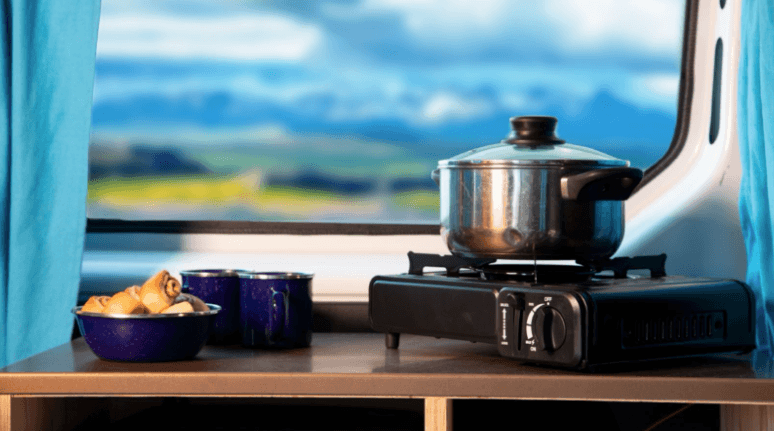
It’s absolutely possible to cook simple meals on an Iceland camper van trip, but the best approach includes planning before the first supermarket stop. Check what your vehicle actually includes, shop for a few flexible days rather than the whole trip, and keep one easy backup meal for evenings when wind, rain, or a late arrival changes the plan.
For most couples on a Ring Road trip, the aim is not to run a restaurant from a small van. It is to make breakfast, packed lunches, and a few simple dinners easy enough that they save time, reduce food waste, and leave room for the odd meal out if your budget allows.
Start with your camper kitchen, not your shopping list
Your camper’s driving fuel and its cooking gas are not the same thing. The vehicle page and handover instructions are your main resource for what is included, how the stove works, and what to do if you need help during the trip.
Before you shop, check four things: the stove, the cookware, cold storage, and water. Then plan meals that fit that setup. A compact camper has less counter space and storage than a motorhome, so a small, repeatable food plan works better than a long list of recipes.
Check your vehicle before you rely on it
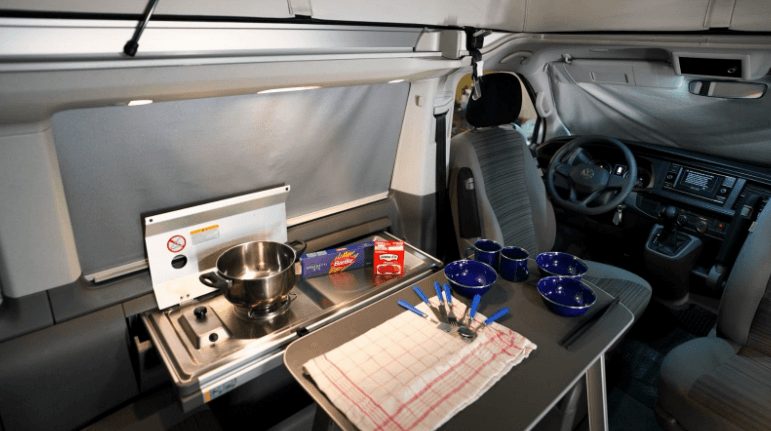
Equipment varies by model. Read your chosen vehicle specification before you book, and ask our team at pickup if anything about the kitchen setup is unclear.
The Fiat Doblo Maxi kitchen kit includes a portable stove and camping gas, pots, pans, dishes, cutlery, a cooler box, and 230V electricity when connected to a campground outlet. It is a practical setup for two people, but the cooler’s use depends on being connected to campsite electricity. When driving, it’s recommended to use ice to keep the cooler cold.
The Renault Kangoo kitchen also includes a portable stove and camping gas, pots, pans, dishes and cutlery, a cooler box, a 10L water tank, and a 230V campsite plug-in option. It has 12V power, which — unlike the Doblo Maxi — keeps the cooler running while driving, plus device charging on the go.
These are confirmed examples, not a fleet-wide promise. If a particular feature matters to your trip, confirm it on the relevant vehicle page before booking.
Build a grocery strategy for the Ring Road
Start with one useful shop, then make smaller restocks as you travel. Loading a compact camper with ten days of fresh food sounds organized, but it can mean a cramped van, a full cooler, and ingredients that get forgotten.
A better rhythm is to buy about two or three days of flexible food, then restock when your route takes you through a larger town. Check the live Bónus store finder and Krónan store finder before you leave town. Store locations and opening hours can change, so treat those live tools as your planning reference.
If you arrive late, keep your first evening easy. A ready-to-eat backup, enough breakfast for the next morning, and snacks for driving are more useful than a complicated dinner plan. The same goes for rural stretches: top up before you need something, not after.
A flexible list for your first shop
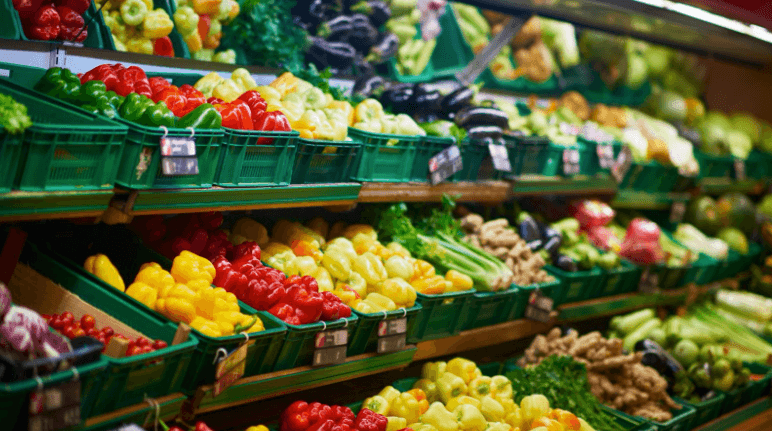
A great approach is to choose food that works across several meals and doesn’t need much preparation.
- Breakfast basics: oats, yogurt or skyr, fruit, coffee or tea.
- Bread or wraps: useful for breakfasts, lunches, and a simple dinner backup.
- Protein: eggs, cheese, beans, canned fish, or another option that suits your diet.
- Vegetables that keep well: onions, peppers, carrots, tomatoes, or whatever you know you will use.
- Fruit, cereal bars and snacks: easy driving-day food when a stop takes longer than planned.
- One-pot foundations: pasta, rice, couscous, noodles, or soup.
- Flavor basics: oil, salt, pepper, and one sauce or seasoning you will actually use.
- Drinks and water: refill your water container where you have confirmed potable water rather than carrying more than the camper can store comfortably.
- A no-cook option: wraps, crackers, cheese, fruit, or another meal that does not depend on the stove.
- A bad-weather backup: something quick that needs little washing up.
A great approach is to choose food that works across several meals and doesn’t need much preparation.
- Breakfast basics: oats, yogurt or skyr, fruit, coffee or tea.
- Bread or wraps: useful for breakfasts, lunches, and a simple dinner backup.
- Protein: eggs, cheese, beans, canned fish, or another option that suits your diet.
- Vegetables that keep well: onions, peppers, carrots, tomatoes, or whatever you know you will use.
- Fruit, cereal bars and snacks: easy driving-day food when a stop takes longer than planned.
- One-pot foundations: pasta, rice, couscous, noodles, or soup.
- Flavor basics: oil, salt, pepper, and one sauce or seasoning you will actually use.
- Drinks and water: refill your water container where you have confirmed potable water rather than carrying more than the camper can store comfortably.
- A no-cook option: wraps, crackers, cheese, fruit, or another meal that does not depend on the stove.
- A bad-weather backup: something quick that needs little washing up.
Avoid buying every ingredient for every meal on day one. A small list with overlap makes it easier to use what you have before the next grocery stop.
Easy camper van meals: use a repeatable framework
You don’t need a different recipe every night. The easiest camper van meals use the same small group of ingredients in different ways. Keep prep short, use one pot or pan where possible, and choose meals that still work if you decide to use a campsite kitchen instead of your own kit.
| Meal type | Where to prepare it | What to buy | Bad-weather backup |
| Breakfast | Camper or campsite kitchen | Oats, yogurt or skyr, fruit, coffee | Yogurt, fruit, and a hot drink |
| Lunch | Packed before you drive | Bread or wraps, cheese, protein, vegetables | Wraps, crackers, fruit |
| One-pot dinner | Camper or confirmed campsite kitchen | Pasta, rice, or soup plus one protein and vegetables | Instant soup or a ready-to-eat option |
| No-cook evening | Wherever food is permitted | Wraps, cheese, canned fish or beans, fruit | Use this as the default when cooking is not sensible |
Keep cooking simple and safe
Use the stove only as the rental company and the stove manufacturer instruct. Keep the cooking area clear, do not leave a lit stove unattended, and allow the appliance to cool before packing away. If weather makes outdoor cooking unpleasant or conditions make you unsure about safe use, switch to your backup meal or use available campsite facilities.
Do not assume a campsite has an indoor kitchen, a free burner, or a dining room. Our Iceland campsite guide explains that amenities vary, so check the individual campsite before you rely on them.
Do not use an open flame where a campsite does not allow it. Do not improvise with gas fittings or assume that cooking gas can be replaced in the same way as road fuel. If you have a question about the gas supplied with your camper or a stove issue, contact the rental company rather than guessing.
Plan your food spend without false precision
Food costs change with your route, dietary needs, group size, how often you eat out, and how much you throw away. Instead of setting a fixed daily budget before you arrive, use the first grocery shop as a reality check. Keep the receipt, look at how many meals the basket actually covers, then adjust your next shop.
Your food plan should sit alongside, not inside, your driving-fuel plan. If you are working out the wider trip cost, see our guide to gas prices in Iceland for vehicle-fuel planning.
| Considerations | Cook-first approach | How to keep it flexible |
| Trip length and route | Start with two or three days of food | Restock when you reach a larger town |
| Eating out | Cook breakfast and lunch; choose restaurant meals deliberately | Keep one simple camper dinner in reserve |
| Dietary needs | Buy a small supply of reliable staples first | Check current store availability before remote stretches |
| Food waste | Use overlapping ingredients in more than one meal | Keep receipts and adjust the next shop |
The easiest saving is usually cutting down on waste. Buy fewer fresh ingredients at once, use the same vegetables in more than one meal, and make lunch from the previous evening’s ingredients – but only if you can keep them stored safely in your cooler.
Deciding when to cook and when to eat out
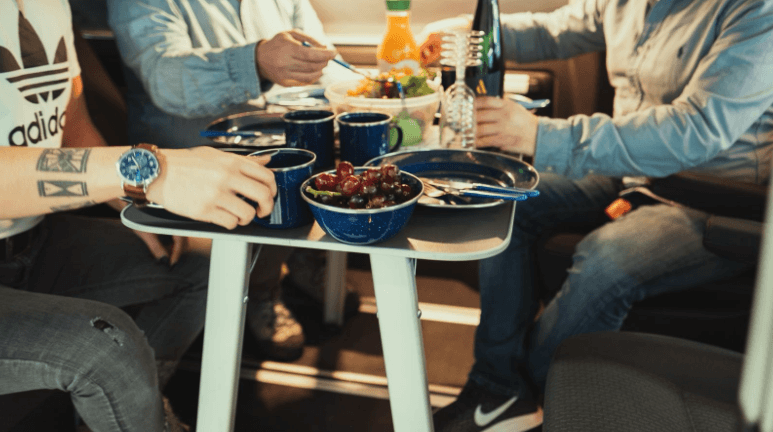
Not every evening needs to be a cooking evening, and treating meals as a flexible choice rather than a fixed plan makes the trip easier. A few practical signals can help you decide in the moment:
- Time and daylight: If you’re arriving at a campsite late, cooking a full meal often costs more time than it’s worth. Save the one-pot dinner for evenings when you arrive with daylight and energy to spare.
- Weather on the day: A calm, dry evening is a reasonable night to use your stove. Strong wind, rain, or cold makes outdoor cooking slower and less pleasant — this is when a no-cook meal or a restaurant stop earns its keep.
- How the day went: A long driving day, or an unplanned detour, is a good cue to simplify dinner rather than push through a full cooking routine. Save the effort for a day when you have it.
- Budget and mood: Eating out doesn’t need to be a last resort. If you’ve cooked most of the trip and want a break, or you’re near a town with good food options, treat it as part of the plan rather than an exception.
- What’s already in the cooler: If you’re carrying ingredients that need using before your next grocery stop, that’s often the deciding factor — cook what you have rather than let food go to waste.
There’s no need to decide this days in advance. Most travelers find it easier to make the call each afternoon, once the day’s route and weather are clearer.
Waste, leftovers, and cleanup in a small camper
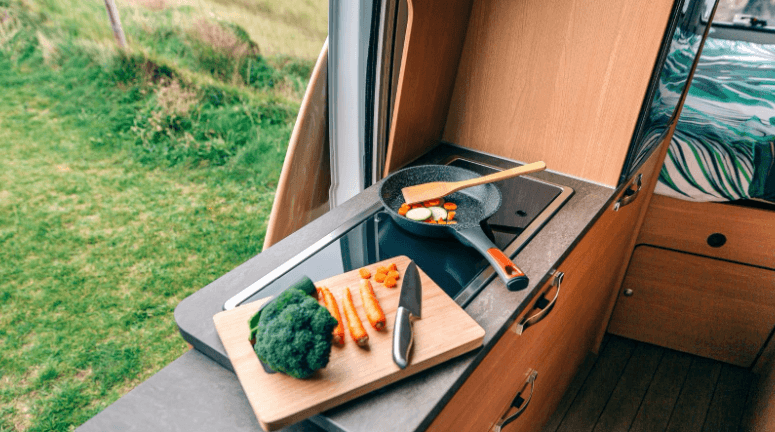
A small camper gets messy quickly. The simplest solution is to create less waste in the first place: choose ingredients that work in more than one meal, keep packaging to a minimum where possible, and use a small shopping bag for food waste and recyclables until you reach the next disposal point.
Waste-sorting systems differ between campsites and towns. Follow the bins and instructions where you are staying rather than assuming the same rules apply everywhere. Many campsites collect drink packaging, such as bottles and cans, to support local charities or Scouts. In protected natural areas, take your trash with you if there are no bins.
For leftovers, be realistic. If you cannot store food safely in your specific cooler, don’t save it for tomorrow. Clean pans as soon as practical, dry them before packing, and keep the kitchen box organized so that the next meal feels easy rather than like a search through luggage.
Frequently Asked Questions
Can you cook in a camper van in Iceland?
Yes, if your camper includes the right kit and you plan around its storage, stove, water, and the weather. Check the exact vehicle page before you book, and keep a simple no-cook backup meal for bad weather or late arrivals.
Do Icelandic campsites have kitchens?
Some do, but facilities vary from basic to full-service. Check the individual campsite before you rely on an indoor kitchen, and plan meals your camper can handle as well.
What should I buy for the first day in an Iceland camper van?
Buy a small, flexible set of food for breakfast, packed lunches, a one-pot dinner, snacks, and one no-cook backup. This is more useful than buying a large amount of fresh food before you know your route, cooler space, and campsite plan.
How do I plan groceries for the Ring Road?
Shop for the first two or three days, then restock in larger towns along your route. Use live supermarket store finders for current locations and hours, and top up before long rural stretches or late arrivals.
Is cooking gas the same as the camper’s driving fuel?
No. The portable stove uses separate cooking gas. Follow your vehicle instructions and contact Rent.is if you need help with the stove or gas supplied with your camper.
How can I keep food costs down on an Iceland road trip?
Use a short, repeatable grocery list, make breakfast and lunch easy, and buy only the fresh food you are likely to use before the next restock. A simple food plan also leaves room to choose a restaurant meal when you want one.
Cook simply, check your setup, and stay flexible
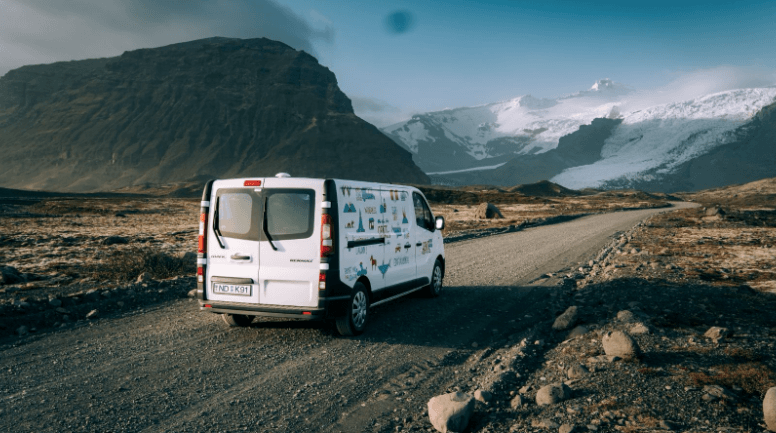
Camper van cooking should be kept simple: confirm the kitchen kit, shop in stages, repeat a few easy meals, and keep a weather backup. That gives you more control over your day without making food another complicated part of the trip.
When you are choosing a vehicle, look at the kitchen details as closely as the sleeping space and route suitability. Find your camper, then plan the first shop around the kit you will actually have.