
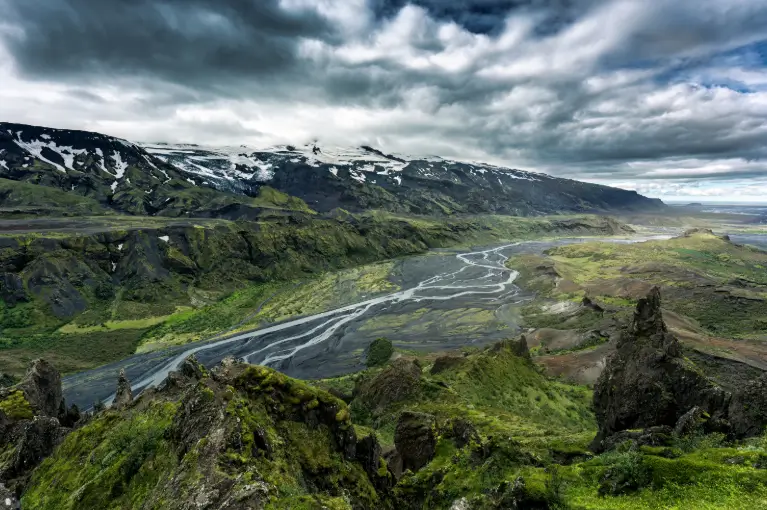
Þórsmörk can be part of an Iceland camper van trip, but you should not plan to drive all the way into the valley in your rental. The route runs along the F249, crosses unabridged glacial rivers, and depends on conditions that can change within a few short hours. For many camper van travelers, the safest plan is to drive as far as conditions and vehicle approval allow, then park and continue by Super Jeep or Highland Bus.
Þórsmörk, or Thorsmork, is a Highland nature reserve in South Iceland. The name itself comes from Þór, the Norse god of thunder, and mörk, meaning forest or woodland; a nod to the valley’s birch woods, one of the few sheltered patches of vegetation in an otherwise stark Highland landscape. It’s a well-known hiking base surrounded by glaciers, with a handful of huts and campsites scattered through the valley.
This guide is about access and logistics; the route, the vehicle, the rivers, and where to camp once you arrive, not the trails themselves. If you’re looking for trail information, see our Þórsmörk hiking guide.
Jump to:
- Can you Visit Þórsmörk by Camper Van?
- Where Is Þórsmörk and Why Is Access Different?
- How to Get to Þórsmörk: Self-Drive, Bus or Super Jeep
- F249 vs F261: Which Route Matters for Camper Van Travelers?
- Vehicle Requirements: What Kind of Camper Van Do You Need?
- River Crossings, Krossá and When to Turn Around
- Where to Park Before Þórsmörk
- Camping in Þórsmörk: Básar, Langidalur and Volcano Huts
- Pre-Drive Checklist for Þórsmörk Camper Van Access
- When Þórsmörk Is Not the Right Camper Van Plan
- Frequently Asked Questions
Can you Visit Þórsmörk by Camper Van?
The answer here isn’t a simple yes or no. The outcome depends on a range of specifics: whether your rental vehicle is approved for the F249, how much river-crossing experience your driver has, how suitable current travel conditions are for driving, and what season you’re traveling in. Change any one of those and your “drive to Þórsmörk” plan will need some real adjustment.
Who this guide is for
- First-time Iceland travelers planning a self-drive route that includes the Highlands
- Camper van renters weighing up a 2WD camper, a 4×4 camper, the bus or a Super Jeep
- Travelers deciding whether to add Þórsmörk after South Coast stops like Seljalandsfoss
- Anyone wondering whether a specific vehicle type can reach Básar, Langidalur, or the Volcano Huts
- Travelers who want the correct answer for their trip, not just the cheapest one
Where Is Þórsmörk and Why Is Access Different?
Þórsmörk, or Thorsmork, is a Highland nature reserve in South Iceland, usually reached from the Ring Road near Seljalandsfoss via Road 249, which becomes F249 as it climbs into Highland terrain.
What makes Þórsmörk a different kind of planning problem isn’t the destination itself; it’s the route you must take to get there. Once you leave the Ring Road for the F249, you’ve moved from standard driving into F-road driving, which means gravel, changing surfaces, and rivers without bridges. This brings a different set of questions and considerations than most Iceland road-trip stops require. Þórsmörk isn’t a normal Ring Road stop, and it shouldn’t be planned like one.
How to Get to Þórsmörk: Self-Drive, Bus or Super Jeep
There are a few realistic ways to reach Þórsmörk, and they’re not mutually exclusive. Many camper van travelers plan a combination from the outset, driving as far as their vehicle allows, then a bus or Super Jeep booked in advance for the rest, rather than deciding on the day. Which combination makes sense for you depends on your vehicle, your experience, the season, and how much buffer you have in your itinerary.
Option 1: Self-drive as far as your situation allows
If you have an F-road-approved 4×4 camper, current conditions check out, and you’re comfortable with Highland driving, you may be able to drive further into the route than you expect. Some experienced drivers decide to venture as far as the parking area near the Krossá river. This only applies within the F249’s open season, typically late June to early September; outside that window, the road is closed to self-drive traffic completely, and a Super Jeep is the only way in.
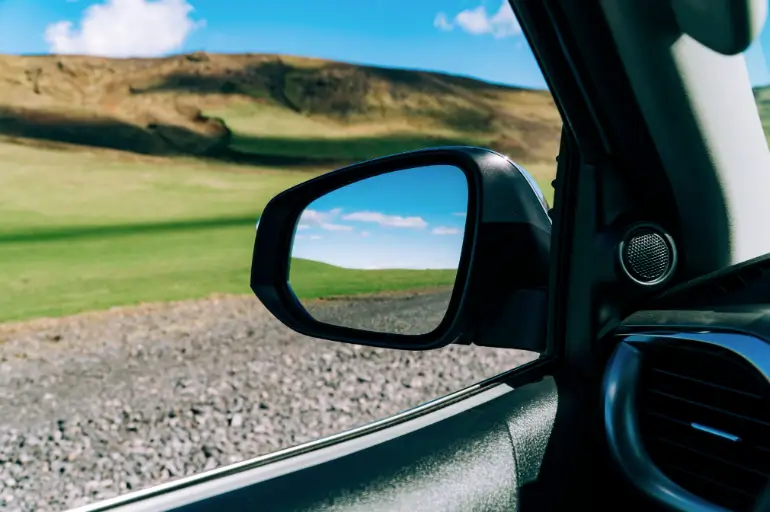
There are a couple of natural points to reassess along the way, such as the LAVA Centre in Hvolsvöllur and Brú Base Camp. Beyond Brú Base, though, you’re into river-crossing territory, and that risk isn’t covered by rental insurance, regardless of where you are heading. Self-driving doesn’t mean you have to reach your final destination by vehicle; it means covering the stretch that your vehicle and the day’s conditions allow. If you can’t safely complete the route in your camper, you will need to pick one of the transfer options below for whatever is left, which may mean turning back to a pickup or transfer point.
If pre-planning a combination is something you feel more comfortable with, choose one of the options below and pick the parking point that suits your vehicle or onward route.
Option 2: Park and take the Highland Bus
The Highland Bus operates throughout June to late September, offering travelers a route from Reykjavík to the interior. The bus also stops at Selfoss N1 gas station, Kjörbúðin Supermarket Hella, and Hvolsvöllur N1 gas station before reaching the three main Þórsmörk stops: Húsadalur (Volcano Huts), Langidalur, and Básar. These additional stops en route are ideal for those who have started self-driving but feel unable to continue driving or who simply don’t want to take the F-road. Remember to keep all your essentials accessible, such as medication, suitable clothing, food and drink, if leaving the camper van parked.
It is strongly recommended to book your tickets in advance; the route is popular, and tickets often sell out.
Option 3: Book a Super Jeep guided tour
Super Jeeps are the better fit for winter travel, uncertain conditions, or anyone who’d rather not personally assess and attempt a river crossing. The F249, like Iceland’s other F-roads, is only open to standard traffic for a short part of the year. When self-drive isn’t possible, well-equipped Super Jeep transport is the only way in.
There are a number of operators in Iceland offering this tour year-round; most of which depart from Hvolsvöllur or Brú Base Camp. Tickets cost around 40,000 ISK (~$318) per person for a single-day trip.
Option 4: Skip the self-drive to Þórsmörk and choose another Highlands route
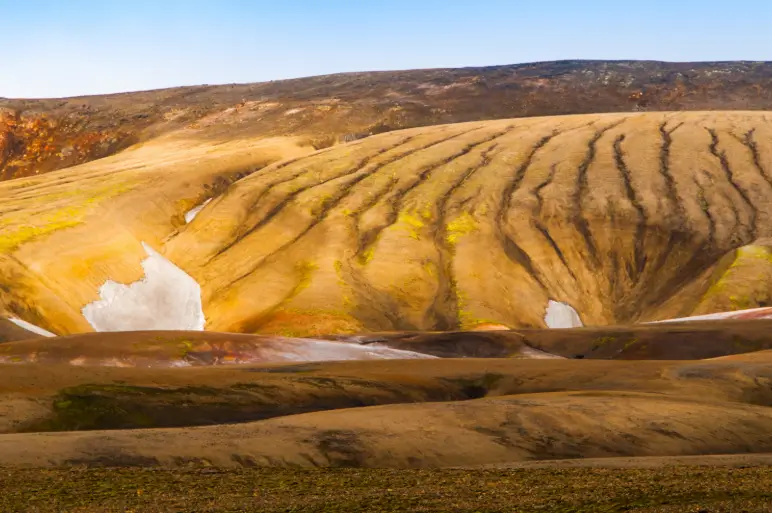
If you don’t feel comfortable with the challenging conditions of Þórsmörk but want a driving destination, a different Highlands spot may be more suitable. Other popular options include the rainbow rhyolite mountains at Landmannalaugar and the steamy mountain range at Kerlingarfjöll.
F249 vs F261: Which Route Matters for Camper Van Travelers?
This is where a lot of the confusion online actually comes from; forum threads and general Highlands guides often mention both the F249 and the F261, without making it clear that they don’t do the same job.
Road 249 and F249 explained
Road 249 starts near Seljalandsfoss and becomes the F249 as the terrain shifts into the Highlands. F249, which is named Þórsmerkurvegur, is the primary F-road that leads directly into Þórsmörk, running roughly 30km (~19 miles) before reaching the valley’s main hut and campsite areas. Before you commit to driving any part of the route, thoroughly check vedur.is for weather conditions and forecasts, and umferdin.is for traffic information and live road notifications.
F261 explained
F261, or Emstruleið, is a separate Highlands route that runs along the northern side of the Þórsmörk area. While it does offer views of the area, it does not lead directly into the main valley or campsites, so it should not be treated as a simple alternative for reaching Húsadalur, Langidalur, or Básar. If your plan involves the F261 for a different Highlands destination, such as the Strútslaug hot spring, that’s a different routing decision from Þórsmörk.
Route comparison
| Route | Starts from | Goes toward | Vehicle requirement | River crossings | Best for | Avoid if |
| Road 249/F249 to Þórsmörk | Ring Road near Seljalandsfoss | Þórsmörk valley (Húsadalur, Langidalur, Básar) | F-road-approved 4×4 for the F-road section | Yes, including Krossá (not recommended or advised in a rental vehicle) | Reaching Þórsmörk’s main campsite/hut areas | Vehicle isn’t F-road approved, or river conditions are uncertain |
| F249 to Brú Base/Krossá parking | Road 249 | Parking points before the valley | Standard camper to Brú Base; approved 4×4 near Krossá | None if stopping at Brú Base, multiple if continuing to Krossá | Travelers planning a later transfer by bus or super jeep | You’ve not booked your bus/jeep ticket in advance |
| F261 (Emstruleið) | Highlands, north side of the area | Runs alongside, not into, the main valley | F-road-approved vehicle for this route specifically | Route-dependent — verify current conditions | A different Highlands objective, not direct Þórsmörk valley access | You’re expecting it to reach Básar, Langidalur, or Húsadalur directly |
| Highland bus or Super Jeep transfer | Hvolsvöllur, Brú Base, or Krossá parking | Þórsmörk campsite/hut areas | None (you’re a passenger) | Handled by the operator’s vehicle | Anyone without river-crossing experience or an approved 4×4 | N/A |
As with all Highland driving, remember to check current conditions before you drive. Road status can override anything in a guide such as this.
How this connects to Landmannalaugar planning
If you’re searching for “Landmannalaugar Þórsmörk” together, you’re likely thinking about a broader Highlands trip or the extreme Laugavegur hiking route that connects the two areas. Vehicle suitability can differ by route, so it’s worth comparing 4×4 camper options for Highland routes before building your itinerary if you’re planning to cover both areas on one trip.
Vehicle Requirements: What Kind of Camper Van Do You Need?
A standard 2WD camper isn’t the right vehicle for F-roads
If your route includes the F249, or any other F-road, you will need a 4×4. A standard 2WD camper van isn’t suitable, and any reputable rental company should make that clear before you drive off in your vehicle.
Not every route in Iceland requires a 4×4; you can find out more in our 2WD vs 4WD camper van guide to see which vehicle type is most suited to your needs.
A 4×4 does not automatically mean Þórsmörk-ready
A “4×4” label only answers one of the four main questions you need to consider:
- Rental approval – does your specific agreement cover this route?
- Vehicle clearance – is this particular vehicle suited to F249’s conditions?
- River crossing depth and current – what are conditions like today?
- Driver experience – is your driver comfortable with difficult terrain?
It is important to remember that no insurance covers the damage to a vehicle while crossing a river; the risk is yours, and any damage could cost thousands of dollars. Even with an F-road approved 4×4, it is not safe for drivers to cross the Krossá river. If you make it that far in your camper, you should stop, find the parking lot, and take the bus.
Ask Rent.is before building your route around any river crossing.
River Crossings, Krossá and When to Turn Around
Why river crossings are the real access issue
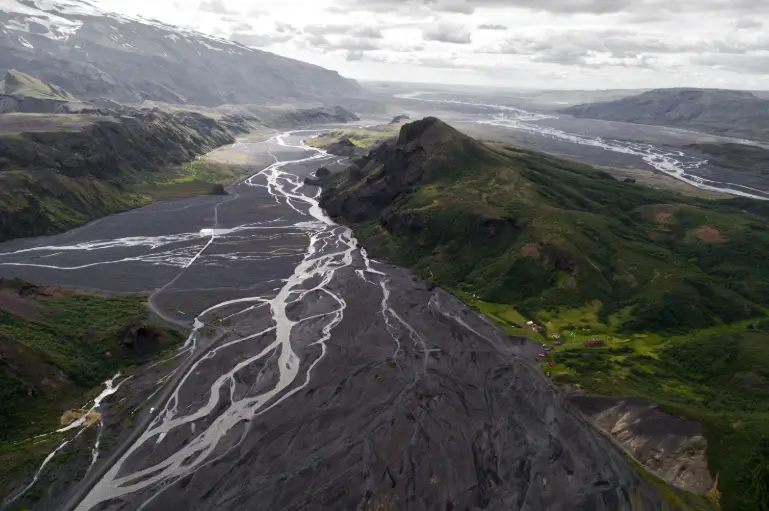
The gravel terrain is only part of the challenge on the way to Þórsmörk; the bigger issue is the unbridged glacial rivers along the route. River currents and depths change rapidly depending on the weather, snowmelt, and time of day. Just because someone on a travel forum crossed successfully yesterday or even just a few hours ago doesn’t mean it’s passable now.
Krossá is not a normal crossing
Regarded as one of the most dangerous river crossings in Iceland, Krossá is infamous for its uneven riverbed, deep water levels, and strong current; all of which make it extremely risky to attempt a crossing in a 4×4 camper van. Most camper travelers stop before Krossá and take the bus or Super Jeep as detailed above.
For travelers who plan on hiking beyond Krossá, it is sometimes possible to park your camper in the lot near the river and cross on foot. Seasonal footbridges remain in place when conditions allow, although the exact location of the bridge may shift to ensure safe passage. You can call the hut wardens at FÍ for advice on the crossing and conditions at +354 893 1191.
When to turn around or make other plans
- The road is closed or restricted
- No other suitable vehicles are around
- The route requires crossing Krossá in your camper
- Your rental agreement doesn’t approve the route
- Weather is worsening, or daylight is limited
What not to do
- Do not follow another driver blindly across a river; just because they made it across doesn’t mean you will
- Do not assume a social media post from last week means the route is passable today
- Do not leave the marked path; driving off-road in Iceland is strictly forbidden
- Do not follow a step-by-step river fording tutorial that encourages risk-taking
- Do not assume your rental insurance covers water damage; it does not
Where to Park Before Þórsmörk
Knowing you shouldn’t drive all the way in is only half the plan; the other half is knowing where to stop to ensure your camper van is parked safely and legally.
Reykjavík
If you want to leave your camper and take the Highland Bus all the way from Reykjavík, you have a variety of city parking center options available. You’ll typically need to pay to park in the city; parking at BSI Bus Terminal is capped at 4,500 ISK (~$36) for 24 hours.
Unsure what to pack for your camper van trip? Explore our packing list guide.
Selfoss, Hella and Hvolsvöllur
These are the lower-risk, earlier parking options beyond the capital that don’t require any F-road driving at all. Depending on how far you want to drive and which transfer option you choose, your options include: Selfoss N1 gas station, Kjörbúðin Supermarket Hella, Hvolsvöllur N1 gas station, or the Lava Center. All of these locations are just off the Ring Road, and parking is free of charge.
Brú Base
Brú Base sits closer to the Highland approach, and is the ideal choice for travelers who wish to self-drive part of the way without taking on the most difficult sections. Transfer options into Þórsmörk from this parking lot are the river bus or a guided Super Jeep tour. It is highly recommended to book your onward travel in advance to ensure you get a seat.
Near Krossá
This option is only suitable for experienced drivers with an F-road approved 4×4 vehicle in suitable conditions. Unless you are driving to Básar, which sits on the nearside of the river and doesn’t require crossing, this should be the absolute furthest you drive before stopping and taking the river bus or “Krossá taxi” operated by Volcano Trails. Confirm with your rental provider before assuming your camper is suitable for this Highland route and always check the travel conditions before setting off.
This option requires a number of river crossings which will not be covered by your rental insurance.
Þórsmörk Parking and Camping Map
The map below shows the main parking and transfer points before Þórsmörk, as well as the campsite locations.
Camping in Þórsmörk: Básar, Langidalur and Volcano Huts
There are three main locations to consider if you are looking to spend a night or more in Þórsmörk.
| Area | Operator | Facilities | Typical season | Notes |
| Húsadalur/Volcano Huts | Volcano Trails | Huts, camping | 1st April – 31st October | Accommodation is available outside of the main season to pre-booked groups only |
| Langidalur | Ferðafélag Íslands (FÍ) | Hut, campsite, WC, showers, small shop | Early May to early October, depending on F249 opening | This is a large hut that can accommodate up to 73 people. It is recommended to book your bed in advance. |
| Básar | Útivist | WC, showers, restaurant serving light meals | 1st May – 30th Sept | Reservations are not needed; payment is taken on arrival. Básar is located on the south side of the F249, meaning you do not need to cross Krossá for access |
Camper van-specific camping expectations
Access challenges at Þórsmörk mean most camper van travelers who want to stay in the valley typically end up sleeping in a tent or hut, while their vehicle remains parked in one of the transfer spots outside.
If you’d rather make full use of your camper’s facilities, a Þórsmörk day trip may suit you better than an overnight stay. Choose a spot to leave your camper parked, spend the day exploring by bus or Super Jeep, return to your camper and find a designated camping spot that’s convenient for you to start the next part of your itinerary the following day.
Under Iceland’s Nature Conservation Act (No. 60/2013), spending the night outside organized campsites in tent campers, camper vans, or motorhomes is illegal unless the landowner has given permission; so plan your overnight stop at an official campsite, not a viewpoint, parking lot, or similar. Gaddstadaflatir Camping is a popular choice if your Þórsmörk transfer begins or ends at Hella.
What to confirm before booking
- Campsite opening dates for your travel window
- Whether a Þórsmörk tent, hut, or a stay outside the valley in your camper fits your chosen access point
- Whether the bus reaches your exact camping site or you need to hike in
- Whether the Krossá footbridge is likely to be in place
- Any arrival-route recommendations from the Super Jeep or bus operator
- Weather and road status for your day of travel
Pre-Drive Checklist for Þórsmörk Camper Van Access
Check official road and weather conditions
- Road status and announcements via Umferðin
- Highland driving conditions via SafeTravel
- Weather forecast via the Icelandic Met Office
- Call hut wardens for river conditions and footbridge information
Confirm vehicle and rental permission
- Is your camper approved for this specific F-road, not just a “4×4”?
- Has your rental provider confirmed route and season suitability?
- Does the route avoid any scenarios your insurance terms won’t cover?
Remember: No insurance will cover river-crossing damage
Prepare a backup plan
- Know where you can park if you need to stop earlier than planned
- Know the bus or Super Jeep schedule and booking requirements
- Carry enough food, water, warm clothing, battery power and any essential medication in case plans change
- Keep campsite contact details and offline maps on hand
- Decide before you leave what conditions will make you turn around (and stick to it)
When Þórsmörk Is Not the Right Camper Van Plan
Choose bus or super jeep from the earliest opportunity if…
- Your vehicle is not suitable for F-roads
- You’re traveling in winter or during uncertain shoulder-season conditions (Super Jeep only)
- Your driver is not experienced or confident driving on challenging terrain
- Your rental terms for the route aren’t clear
- You need a fixed arrival time for return travel
- You’d feel pressured to keep driving after investing time into the drive, rather than turning around or switching to your backup plan
Choose another camper van route if…
- The F-roads are closed or restricted
- Weather has made travel conditions unpredictable
- You have no buffer time for delays
- Your group is traveling in a standard 2WD camper
How Rent.is can help you decide
Planning Þórsmörk as part of a wider Highlands route? Compare 4×4 camper options before you build your itinerary, and ask our team which option fits the destinations you have in mind. Some trips need the right vehicle, season and driver confidence. Others are better done by bus transfer or guided tour. Making that decision is a reasonable and responsible choice, not a weakness.
Frequently Asked Questions
Can I drive to Þórsmörk in a camper van?
Yes, Þórsmörk can be part of a camper trip, but visitors are not advised to drive their vehicle all the way in. The route involves the F249, unbridged rivers, and Highland conditions that can change quickly. A safer plan is often to park earlier and complete the journey by bus or Super Jeep. Learn more about driving in the Highlands of Iceland.
Do I need a 4×4 camper van for Þórsmörk?
You need a 4×4 approved vehicle for all F-roads in Iceland, and the F249 to Þórsmörk is no exception. That doesn’t mean you can’t still visit with a regular camper van; you’ll just need to plan a bus transfer or Super Jeep tour to collect your group before you reach the end of Road 249 (where F249 begins).
Can I cross Krossá in a 4×4?
Camper van travelers should not plan to cross the river Krossá, even with a 4×4. The river is notoriously dangerous. This guide is designed to help you make responsible choices that will allow you to reach Þórsmörk valley safely.
Where can I park my camper before taking the bus or Super Jeep to Þórsmörk?
Common parking options include Selfoss N1 gas station, Kjörbúðin Supermarket Hella, Hvolsvöllur N1 gas station, the Lava Center, Brú Base Camp, and, for approved 4×4 vehicles only, parking near Krossá. Always confirm current schedules and book in advance where possible to ensure you have a seat.
Where can I camp in Þórsmörk?
The main camping areas in the valley are Básar, Langidalur, and Húsadalur/Volcano Huts. Each has different access, booking and facility details. Confirm opening dates and requirements with the operators before you travel. Note that Básar is on the south side of the Krossá river.
Do I need to cross Krossá to reach Básar?
No. Básar sits on the south side of the Krossá river, so reaching it doesn’t require crossing that specific river. The route still includes other, smaller crossings along the F249 before you get there, and none of these are covered by rental insurance. This means all the usual planning caution applies, even though Krossá itself isn’t part of the drive.
Is the F261 an alternative to the F249 for Þórsmörk?
Treat F261 as a separate Highlands route, not as a substitute for reaching the campsite areas. It runs along the northern side, rather than into the valley itself.
What should I check before driving toward Þórsmörk?
Check current road status, weather conditions, rental terms, campsite access and your backup plan. If anything is unclear, park earlier and take the bus or guided Super Jeep tour instead.