
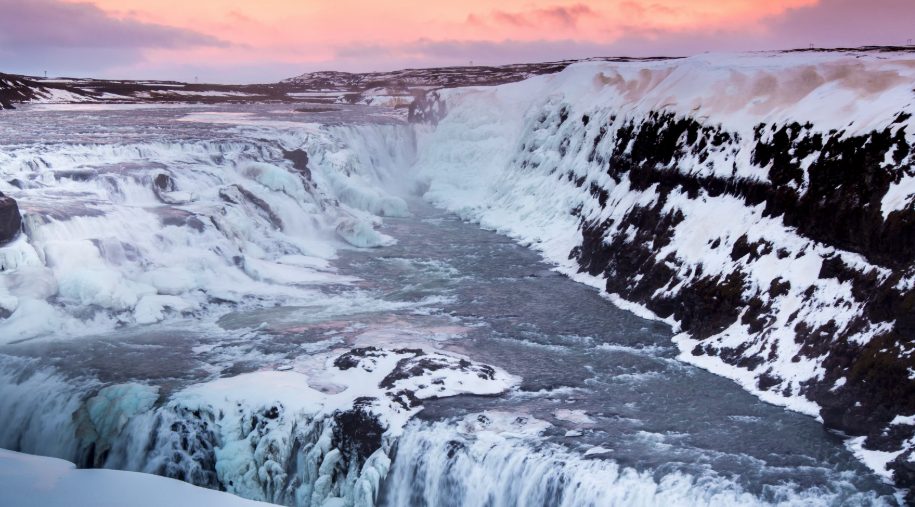
Most visitors treat Iceland’s Golden Circle as a quick day trip from Reykjavík, but how you time it changes the whole experience. You can drive it in a half-day, give it a full day, or turn it into an overnight camper van trip that rolls into the South Coast. The right choice depends on when you set off, how long you want at each stop, and whether you plan to continue toward the South Coast. A short visit covers fewer places, while an extra night gives you room to travel onward without driving back to Reykjavík after the main attractions.
If you have limited time, choose your stops before you leave rather than rushing through all three. If you have a day, allow more time for walks and unplanned stops. With an overnight stay, you can complete the Golden Circle on day one and wake up within an hour of Seljalandsfoss and Skógafoss on day two, weather permitting.
For attraction descriptions, a detailed self-drive route, and stop-by-stop timings, use our Golden Circle self-drive guide. This guide is about something different: choosing the right length of trip, plus the overnight route we’d recommend to anyone who wants to see more without doubling back.
Which Golden Circle itinerary is Right for You?
You don’t need the same plan for a short stop between flights and a trip with a night to spare. The most common planning mistake we see is travelers working out their route from how many days they’re in Iceland, rather than how many hours they can actually drive. Your camper van pickup, a grocery run, and getting to know the van all eat into day one. The main Golden Circle sights are Þingvellir National Park, the Geysir geothermal area, and Gullfoss waterfall, and that doesn’t change. What can change is how long you spend at each, and where you end the day.
Half-day: best for travelers who want a quick look at the main sights and can start promptly. Expect an early departure, limited walking, and very few extra stops. Think of it as a highlights reel, not a leisurely visit.
Full-day: the better option if you want time to explore, eat, and stop along the way. You can take the main loop at a more comfortable pace, then return to your starting point. For most first-time visitors, this is the sweet spot.
Overnight: best if you’d rather keep traveling after the Golden Circle. Finish day one at a campsite on the way into South Iceland, then use day two for the South Coast waterfalls, with Vík as a bonus if time allows. It’s our favorite way to do the route.
These are planning styles, not guaranteed journey times. A half-day can quickly become unrealistic in winter conditions, and a full day can shrink after a late camper van pickup. In midwinter, when Iceland gets only around four to five hours of daylight, a “half-day” is effectively all the daylight you have.
| Option | Best fit | What to prioritize |
| Half-day | Limited usable time; early start | Þingvellir, Geysir/Strokkur, and Gullfoss, with short stops and no extra detours |
| Full-day | More time for walks and breaks | Three main sights at a relaxed pace, meals, and one optional extra stop, such as Kerið crater or the Secret Lagoon |
| Overnight | Camper van trip continuing into South Iceland | Golden Circle on day one; a booked campsite; South Coast waterfalls on day two |
Half-Day Golden Circle Itinerary: The Essentials
If you’ve only got half a day of usable time, you’ll need to prioritize the classic stops and keep walks short. Be realistic, though: with around three to four hours of driving alone, a “half-day” Golden Circle is closer to six hours door to door. Plan the order of Þingvellir, the Geysir area, and Gullfoss against your starting location, the day’s road conditions, and the time you must be back. Don’t build in additional detours without giving something else up.
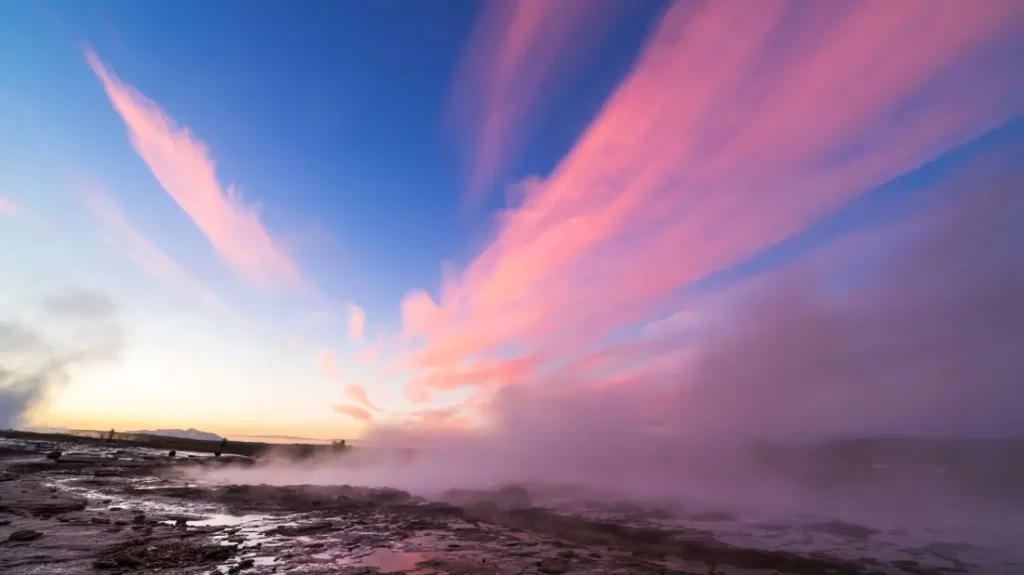
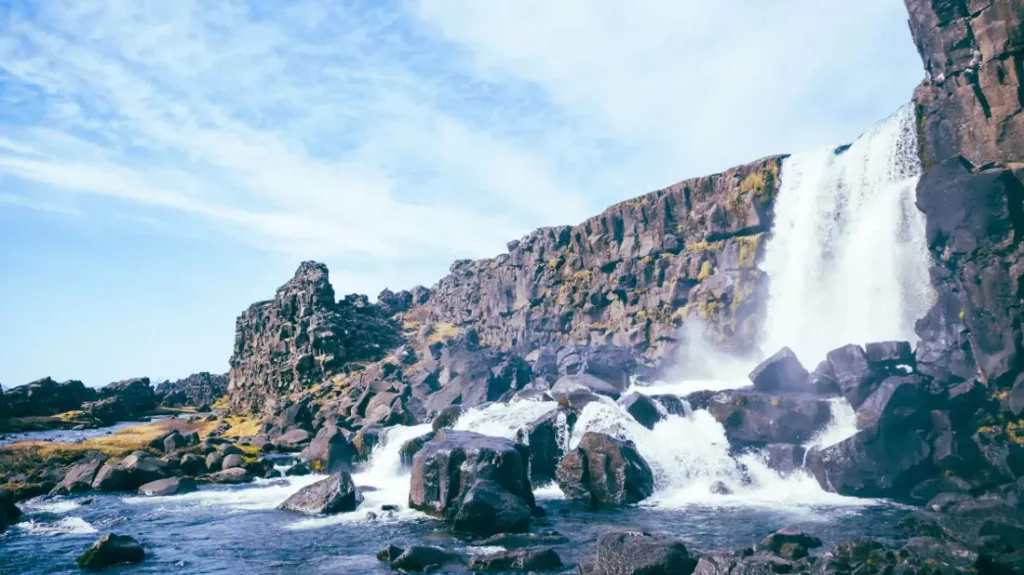
At Þingvellir, pick one short, accessible area rather than attempting a longer exploration of the park. Our pick when time is tight: park by the Hakið visitor center and walk down through the Almannagjá gorge, the rift between the tectonic plates. It gives you the park’s most dramatic scenery in about 30 minutes. At the Geysir geothermal area, 20 minutes is usually enough to catch Strokkur erupting two or three times, but you should still allow time to park and walk. Gullfoss deserves a proper look, even if your visit is brief. The upper viewing platform beside the visitor center gives you the full sweep of the falls without the longer walk down. Treat food and comfort stops as part of the plan rather than spare minutes you hope to find. This is where a camper van earns its keep: make lunch in the van at the Gullfoss parking lot instead of lining up at the café.
A half-day is a poor fit when you have a late arrival, difficult driving conditions, or anyone in the group who needs a slower pace. In those cases, choose fewer stops, take more time, or save the route for another day. Driving safely matters more than completing every attraction.
Full-Day Golden Circle Itinerary: Take Your Time
With a full day, you can spend longer at Þingvellir, witness the power of Strokkur without watching the clock, and enjoy Gullfoss without rushing straight back to the camper van. There’s also room for meals, breaks, and a carefully chosen extra stop when conditions allow.
Keep the three main attractions as your starting point. Check the route before setting off and decide which optional detour actually interests you. A few of our favorites: lunch at Friðheimar, the tomato greenhouse restaurant in Reykholt (book ahead in summer); homemade ice cream at the Efstidalur farm between Laugarvatn and Geysir; or a soak at the Secret Lagoon in Flúðir. A longer walk or extended lunch may be more rewarding than adding several brief stops. If you’re traveling with young children, allow time for changing plans, snacks, and facilities.
One insider tip: most tour buses leave Reykjavík in the morning and follow the same loop. In summer, when it stays light late into the evening, starting after lunch can mean seeing Gullfoss and Geysir with a fraction of the crowds.
A full-day Golden Circle plan normally brings you back toward your starting point that evening. If you’d rather avoid that return journey, the overnight option below uses the route as the first part of a longer camper van trip, so you finish the day closer to the South Coast instead of back in the city.
Overnight Option: Golden Circle and South Coast in Two Days
An overnight Golden Circle itinerary isn’t simply a slower day trip. It changes where you finish. Instead of driving back toward Reykjavík after Gullfoss, you position your camper van near the southbound route, stay at a booked campsite, and continue east in the morning. That can be a better match for travelers who also want to see Seljalandsfoss, Skógafoss, and possibly Vík.
Here’s the insider move. On this trip, run the loop clockwise (Þingvellir, then Geysir, then Gullfoss), so you finish at the point farthest from Reykjavík. From Gullfoss, skip the drive back the way you came and take Route 30 south through Flúðir. It joins the Ring Road just east of Selfoss and puts you on the South Coast route in about an hour.
Day one is the classic Golden Circle; day two is about moving east along the coast rather than completing another loop. On day two, drive toward Seljalandsfoss and Skógafoss, then decide whether continuing to Vík fits your onward plans and return time. The two waterfalls make natural anchors, because they let you make a clear call on how far to go.
| Day | Route and stops | Planning decision |
| Day 1 | Þingvellir → Geysir/Strokkur → Gullfoss → Route 30 to your overnight base | Choose a campsite near the eastbound route; trim stops after a late pickup. |
| Day 2 | Seljalandsfoss → Skógafoss → Vík only if time permits | Choose your return or onward journey before adding Vík; check current roads and daylight. |
For a sense of scale: from Selfoss, Seljalandsfoss is about an hour’s drive, Skógafoss is around 30 minutes beyond that, and Vík is roughly another 30 minutes farther. From Vík, it’s around two and a half hours back to Reykjavík without stops. The farther east you drive, the more carefully you’ll need to plan your return. If your rental return is early on day three, or you only have two days including the return to Reykjavík, make the waterfalls your priority and treat Vík as optional.
Make the overnight decision before adding detours to the first day. Check campsite opening dates, the forecast, and the driving time you’ll have after visiting the Golden Circle. Treat the plan as a framework, not a timetable. If your pickup is late or conditions worsen, shorten the route instead of arriving at an unconfirmed site after dark.
Overnight Itinerary, Day 1: Golden Circle and Campsite
See the Main Sights Without Repeating the Whole Loop
Start at Þingvellir, continue to Geysir, and finish at Gullfoss. Running the loop in this order means your last stop is the one closest to the southbound route, so you’re not doubling back at the end of the day. A day spent stopping repeatedly for views can be brilliant, but save some energy for the drive to your campsite.
Walk around Þingvellir if conditions allow, see Strokkur erupt in the Geysir area, and allow time to appreciate Gullfoss. Decide in advance which smaller detours you’re willing to miss. Our Golden Circle self-drive guide covers the route and each attraction in more detail, so use it to plan your sightseeing time at each stop.
Then take Route 30 south from Gullfoss. It passes through Flúðir, home of the Secret Lagoon, one of Iceland’s oldest geothermal pools. A late-afternoon soak there is the perfect way to end a day on the road before heading to your campsite.
Where you stop for the night shapes day two. Our advice on where to camp follows the day two route below.
Overnight Itinerary, Day 2: South Coast Waterfalls and Vík
Start With the Waterfalls
From your overnight base, follow the South Coast route toward Seljalandsfoss and Skógafoss if road and weather conditions allow. Both make natural stops on the eastbound journey. For more ideas along this stretch, see our South Iceland travel guide.
At Seljalandsfoss, the path behind the falls is the experience everyone comes for, so bring a waterproof jacket, as you will get wet. Then walk five minutes along the cliffs to Gljúfrabúi, a waterfall hidden inside a narrow canyon that many visitors miss entirely. Around 30 mins farther east, Skógafoss is one of Iceland’s most powerful waterfalls. Climb the staircase beside it for a view over the top, and if you have energy left, follow the riverside trail for a few more falls upstream.
Walkways and surfaces around waterfalls can become wet, slippery, or icy, so use current local guidance and don’t treat every viewing route as open in all weather. The path behind Seljalandsfoss, in particular, is often closed in winter.
Give yourself time at the stops. You don’t need to add every nearby attraction for the day to feel complete. If you’re traveling with children, have limited daylight, or face deteriorating weather, visit fewer places and keep the return drive manageable.
Vík: Worthwhile Extension or Too Much Driving?
About 30 minutes past Skógafoss, the Vík area is home to Reynisfjara, the famous black sand beach with basalt columns and the Reynisdrangar sea stacks just offshore. It’s genuinely spectacular, but take its waves seriously. Reynisfjara is known for sudden “sneaker waves” that can sweep far up the beach without warning, so stay well back from the water and never turn your back on the sea.
Vík can work as a second-day destination if you’re continuing east after this two-day section, have adequate daylight, and aren’t under pressure to return a camper van the same day. If you need to reach Reykjavík that evening, check the complete return journey before deciding whether to go that far. From Vík, it’s around two and a half hours back to the city without stops.
Don’t let the distance on a map dictate the plan. Stops, weather, and fatigue all affect how far you can drive comfortably. If conditions change, make Skógafoss your turnaround point or shorten the day earlier.
If this is the start of a longer Iceland trip, our seven-day Ring Road itinerary can help you plan the next stages.
Planning Tips for a Smooth Overnight Golden Circle Trip
A camper van lets you take the Golden Circle at your own pace, but the night in between is where plans can come unstuck. Iceland has clear rules about where you can sleep, and the campsite you choose shapes how much of the South Coast you’ll see the next day. These tips cover where to stop, how to choose, and what to sort out before you set off.
Where to Camp Overnight Between the Golden Circle and South Coast
The best overnight stop is one you can reach comfortably and use legally. The good news is that South Iceland has plenty of well-placed campsites along this route. Just don’t expect to pull over anywhere scenic for the night: Iceland doesn’t allow camper vans to camp wherever there’s space to park. Outside organized campsites or urban areas, you need the landowner’s permission to stay overnight in a camper van. It’s worth reading Iceland’s official camping rules before you go.
Choose Your Overnight Stop by Your Second-Day Plans
Selfoss and Hella both sit on the approach to the eastbound route, which makes them natural bases. The right choice comes down to available daylight, your energy, and which campsites are open on your dates.
Selfoss area: worth considering if you’re returning toward Reykjavík, getting a late start, or want a shorter first day. It’s also South Iceland’s largest town, with supermarkets and fuel stations, so it’s a good place to restock. Expect more of the South Coast drive to fall on day two.
Hella area: worth checking if you finish the Golden Circle with enough daylight and want to position yourself farther east. Around half an hour past Selfoss, it trims a useful chunk off the next morning’s drive.
Farther east: only makes sense if you still have time to drive safely and have booked somewhere to spend the night. If you do, the campsite at Seljalandsfoss is our insider pick. You’ll wake up next to the waterfall and can have it almost to yourself before the tour buses arrive. Don’t keep driving in the hope that an unplanned parking spot will be suitable.
For a wider explanation of campsite rules and what to check, read our campsites in Iceland guide. On busy dates, ask the operator about reservations and arrival procedures instead of assuming a late arrival is fine.
Make One Backup Plan on Day One
Save the contact details and location of your preferred campsite, plus another official option within reach. Check whether it’s open in your month, whether it accepts arrivals at your expected time, and whether the facilities you need are available. Families or travelers who rely on electricity or showers should confirm those services directly.
If neither option works, change your route while you still have daylight. A camper van gives you flexibility in where you travel; it doesn’t make roadside overnight parking automatically legal.
How to Adjust the Trip for Summer, Winter, or a Delayed Start
Summer: Long summer daylight gives you more options for visiting attractions, but it doesn’t remove the need for breaks and a legal campsite. Use it to your advantage: with light late into the evening, you can see Gullfoss after the day-trippers have gone and still reach your campsite in daylight. Book or confirm overnight arrangements early in the planning process, especially in July and August, or when you need particular facilities. Planning a summer trip? Our Iceland in summer guide has more on making the most of the long days.
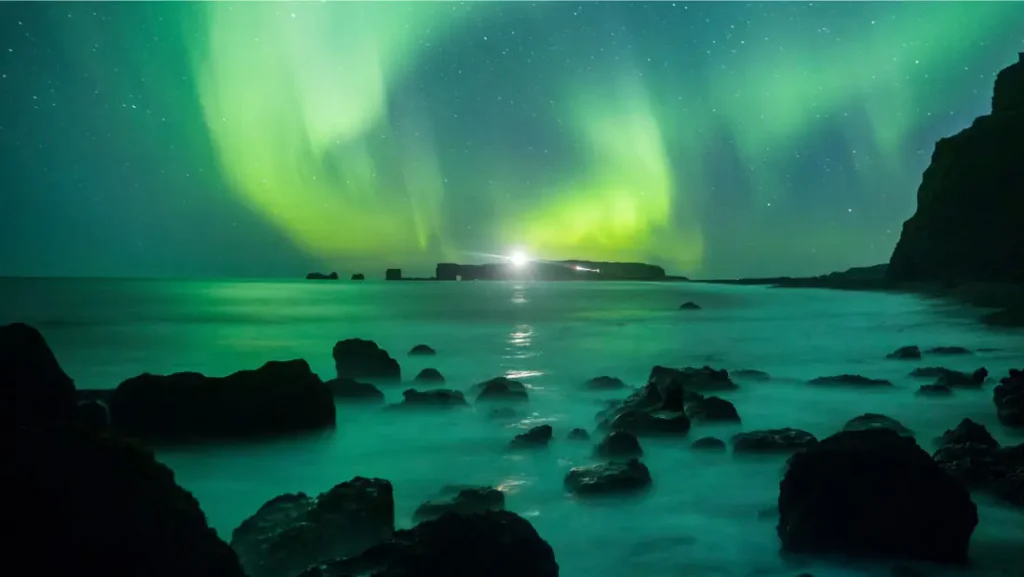
Winter: Winter can mean limited daylight, icy surfaces, and weather-related road disruption. Many campsites close for the season, so check which ones stay open year-round before you plan your overnight base. Keep the number of attractions flexible and make your route decision around live conditions. In poor conditions, skip the eastward extension and spend the time you have on the Golden Circle or a safer, shorter route. The upside is real, though. A campsite in South Iceland, away from Reykjavík’s city lights, can be a great place to watch for the Northern Lights on a clear night.
Running late: If your flight or camper van collection is delayed, the simplest adjustment is to reduce day-one sightseeing and choose an overnight site you can reach safely. Don’t try to recreate a full-day itinerary after a late pickup. If you land in the afternoon, it can make more sense to stay near Reykjavík on night one and start the Golden Circle fresh the next morning. Read our driving in Iceland guide before driving, and check official updates each day.
Camper Van Practicalities for Any Golden Circle itinerary
Plan around the time you actually drive away, not your flight’s arrival. Collecting your camper van, shopping for supplies, and getting familiar with its equipment all take time.
Check current road conditions at umferdin.is, forecasts from the Icelandic Meteorological Office, and travel advice from SafeTravel. If you’re doing the overnight route, repeat those checks on the morning of day two. A route that looks reasonable when you book may need changing when you arrive.
A standard camper van can suit the usual paved Golden Circle and South Coast roads in suitable conditions; a 4×4 isn’t a blanket requirement for this route. Road openings, rental permissions, weather, and driver experience still decide what’s safe on the day. If you’re unsure which vehicle suits your season and group, compare our camper van options and check the vehicle’s actual equipment and rental terms before booking.
Shopping before departure can save a rushed search for food after the Golden Circle. Check where you’ll fuel up and whether your campsite has facilities you need. One tip that catches many visitors out: most fuel stations in Iceland are self-service, and the pumps usually need a chip-and-PIN card. Make sure you know your card’s PIN before you leave, or pick up a prepaid fuel card at a staffed station. If cooking in the camper van, confirm the stove and equipment included with your chosen vehicle; never assume two vehicle categories have the same setup.
Pack clothing for wind and rain, shoes suited to wet surfaces, and enough flexibility for a slower day. Iceland’s wind is no joke, either. Park facing into the wind where you can, and keep a firm grip on the doors when you open them, as a strong gust can bend one back on its hinges. Leave a buffer for fueling, campsite check-in, and the return journey. For families, allow extra stops and choose sleeping space before trying to fit in more attractions.
The real benefit of the overnight route is that you can keep moving east without driving back to Reykjavík at the end of the first day. But the plan only works when your campsite is settled, and you’re willing to trim optional stops.
Frequently Asked Questions
Is one night enough for the Golden Circle and South Coast?
It can be, if you start reasonably early and keep the itinerary focused. Use day one for the Golden Circle, sleep at a booked campsite on the approach to the South Coast, and reserve day two for Seljalandsfoss and Skógafoss. Vík becomes a bonus rather than a compulsory stop.
What’s the best order to drive the Golden Circle if you’re continuing to the South Coast?
Drive it clockwise: Þingvellir first, then Geysir, then Gullfoss. From Gullfoss, take Route 30 south through Flúðir to join the Ring Road just east of Selfoss. You’ll avoid doubling back and be on the South Coast route in around an hour. For the full stop-by-stop route and attraction details, see our Golden Circle self-drive guide.
Do you need a 4×4 for the South Coast leg?
Not usually. The Ring Road along the South Coast is paved, so a 2WD camper van may suit the route in appropriate conditions. You still need to check the actual roads, the weather, and your rental agreement. On this stretch, wind is often a bigger factor than snow, as the area around the mountains near Skógafoss and Vík is known for strong gusts, so check wind warnings at vedur.is before setting off. Four-wheel drive doesn’t guarantee safe access in snow, ice, or strong wind.
Can you wild camp in a camper van in Iceland?
Not without permission. Overnight camping in a camper van belongs at an organized campsite unless you have the landowner’s permission. Check the official camping guidance and book a campsite before setting off.
Should I visit Vík on day two?
Only if there’s time for the onward drive, the places you want to visit, and a safe return or continuation. From Vík, it’s around two and a half hours back to Reykjavík without stops, so if you need to return west the same evening, calculate the whole journey before adding Vík.
Can you do the Golden Circle and South Coast in one day?
Technically, yes, but we wouldn’t recommend it. Combining the two means more than six hours of driving before you’ve spent any time at the stops, which leaves you rushing through some of Iceland’s best scenery. Splitting the trip over two days with an overnight stop is far more enjoyable, and it’s exactly what this itinerary is designed for.
Choose a Golden Circle Itinerary That Fits Your Time
Short on time? A half-day gets you the highlights. Got a full day? Slow down and add a detour or two. But if you can spare a night, the overnight route is where the Golden Circle really comes alive: dinner cooked in your camper van, a quiet campsite in the South Iceland countryside, and Seljalandsfoss before the crowds the next morning.
Choose your first night before adding extra attractions to the plan. Then check your route, daylight, and weather close to departure. If you have the time and conditions for Vík, continue east; if not, two well-paced days around the Golden Circle and the waterfalls still give you a memorable trip.
Compare available camper van options for your group and season, then use your pickup and return times to finalize your route. Your Golden Circle adventure starts the moment you turn the key.