by Mark M.
Some trips are measured in miles. Others are measured in memories. Our nine-day journey around Iceland’s Ring Road, from 19 to 27 June 2026, somehow became both, all under the midnight sun in Iceland.
Our Ring Road Adventure Under the Midnight Sun in Iceland
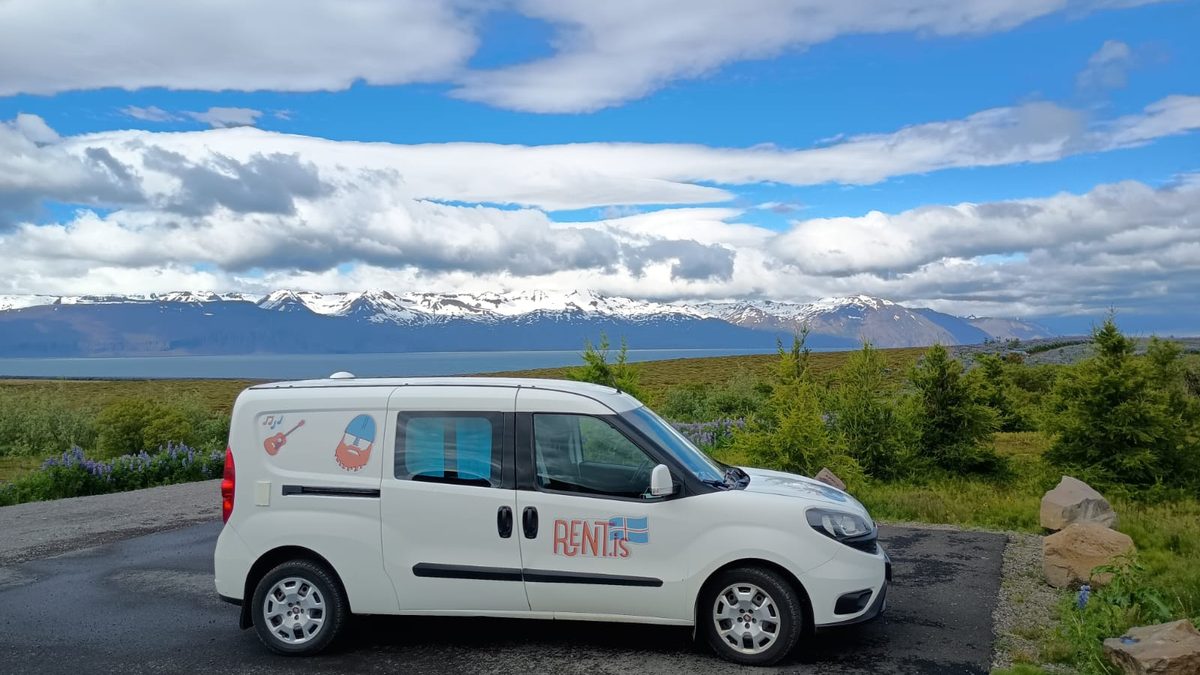
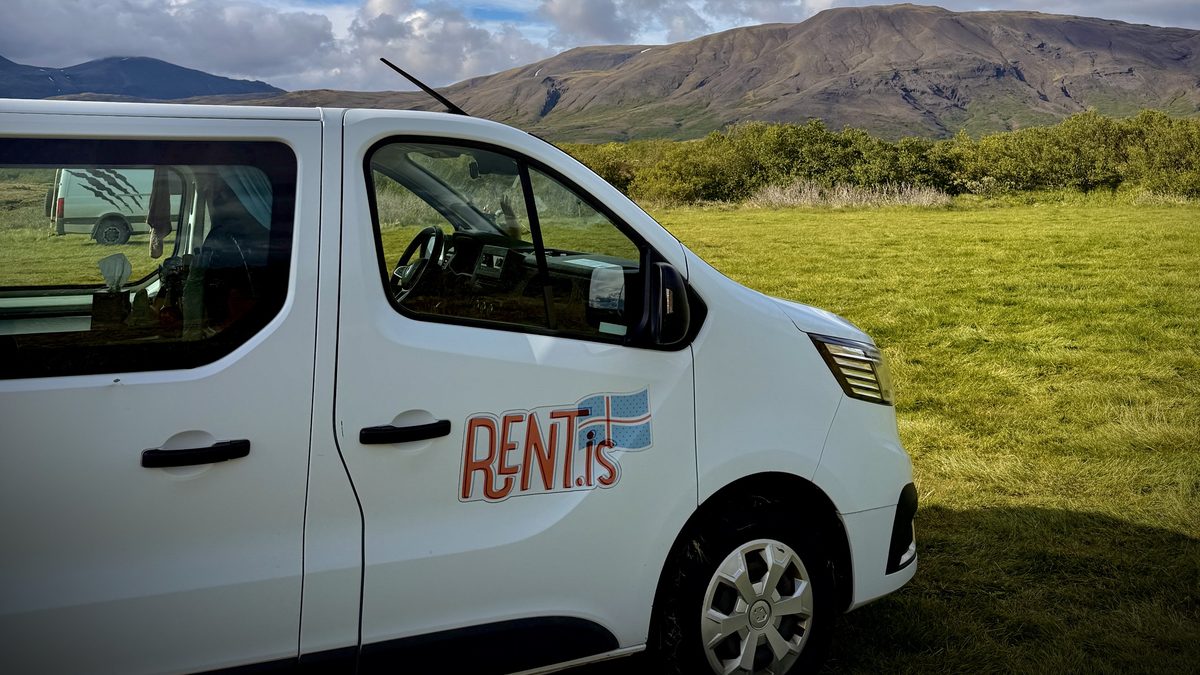
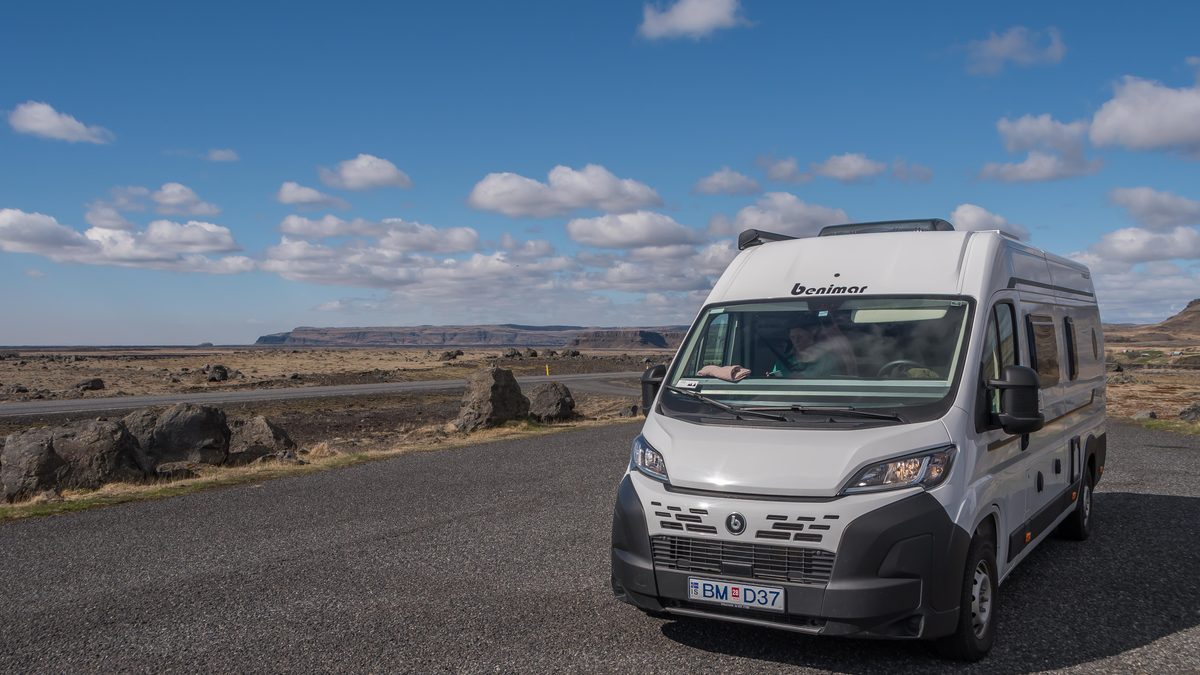
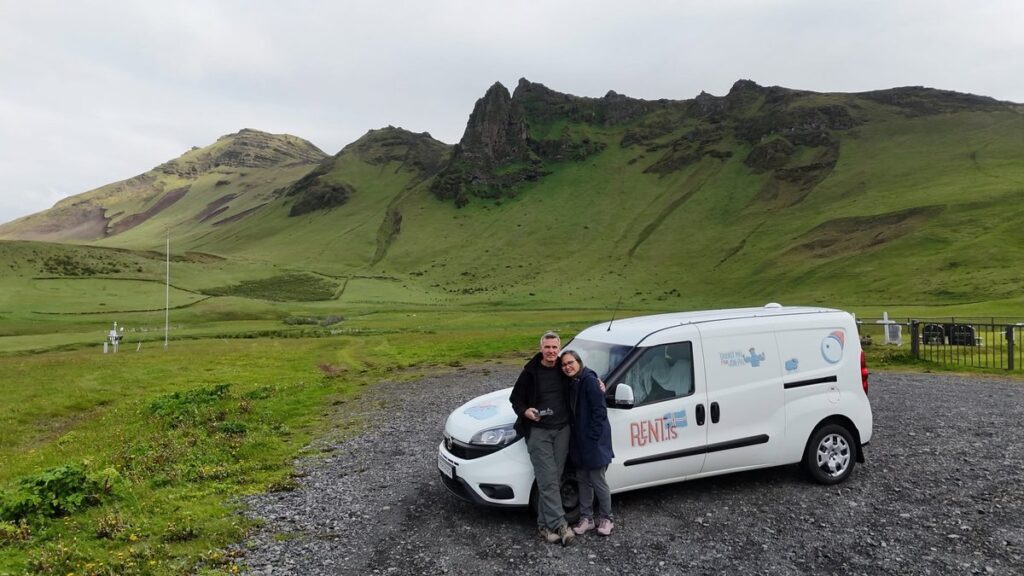
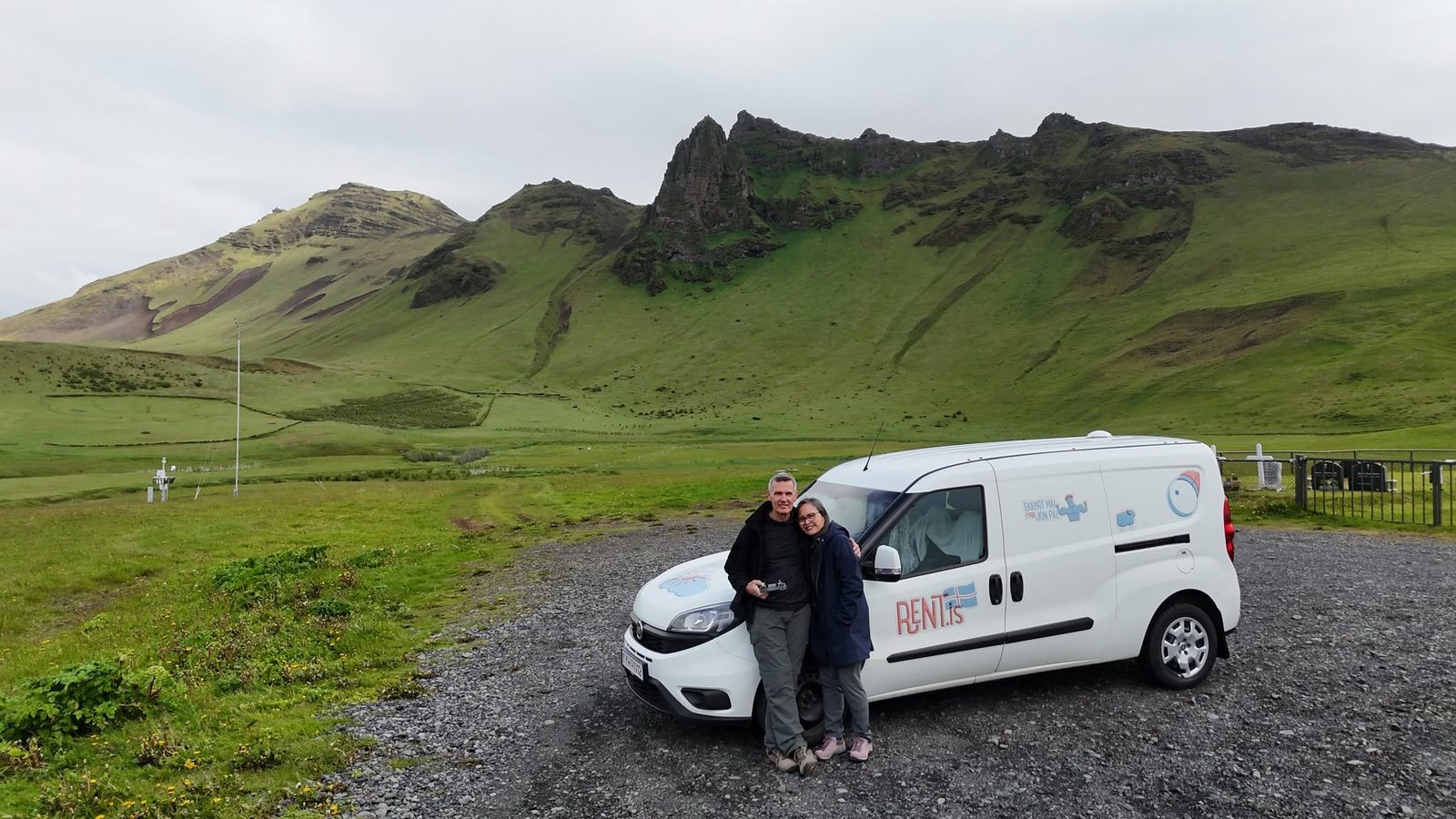
The moment we picked up our Fiat Doblo Maxi campervan in Keflavík, it felt less like renting a vehicle and more like getting the key to an adventure we had long hoped to take. The campervan was not only our transport but also our kitchen, our bedroom and our home away from home as we travelled around an island unlike any place we had ever seen.
Within the first few hours, one thing became abundantly clear about Iceland: nothing stays the same for very long. The weather shifted from brilliant sunshine to misty rain and back again within minutes. Snow-capped mountains gave way to black volcanic plains, which suddenly turned into green valleys covered with wildflowers. Rivers carved through lava fields, and waterfalls seemed to pour from every cliff. It felt as though Iceland delighted in surprising us around every bend.
And everywhere, the purple lupins were in bloom. They lined the roadsides, blanketed hillsides and added a pop of vibrant colour against black lava rock and emerald grass.
Seljalandsfoss, Gljúfrabúi and Skógafoss
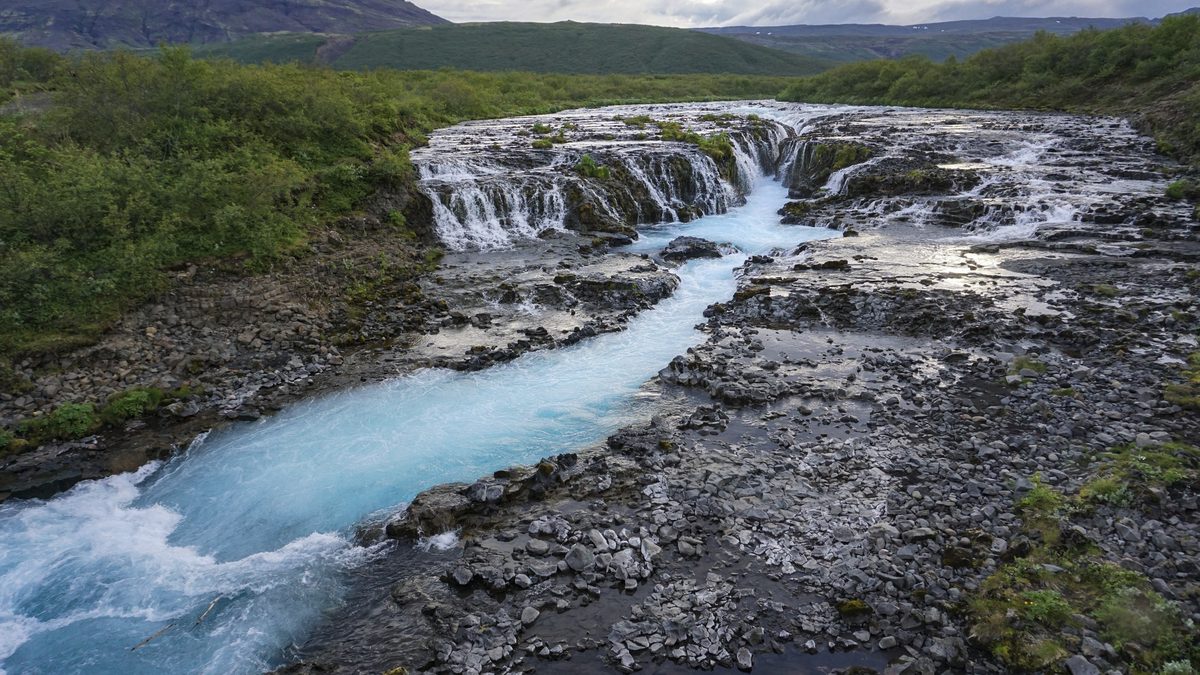
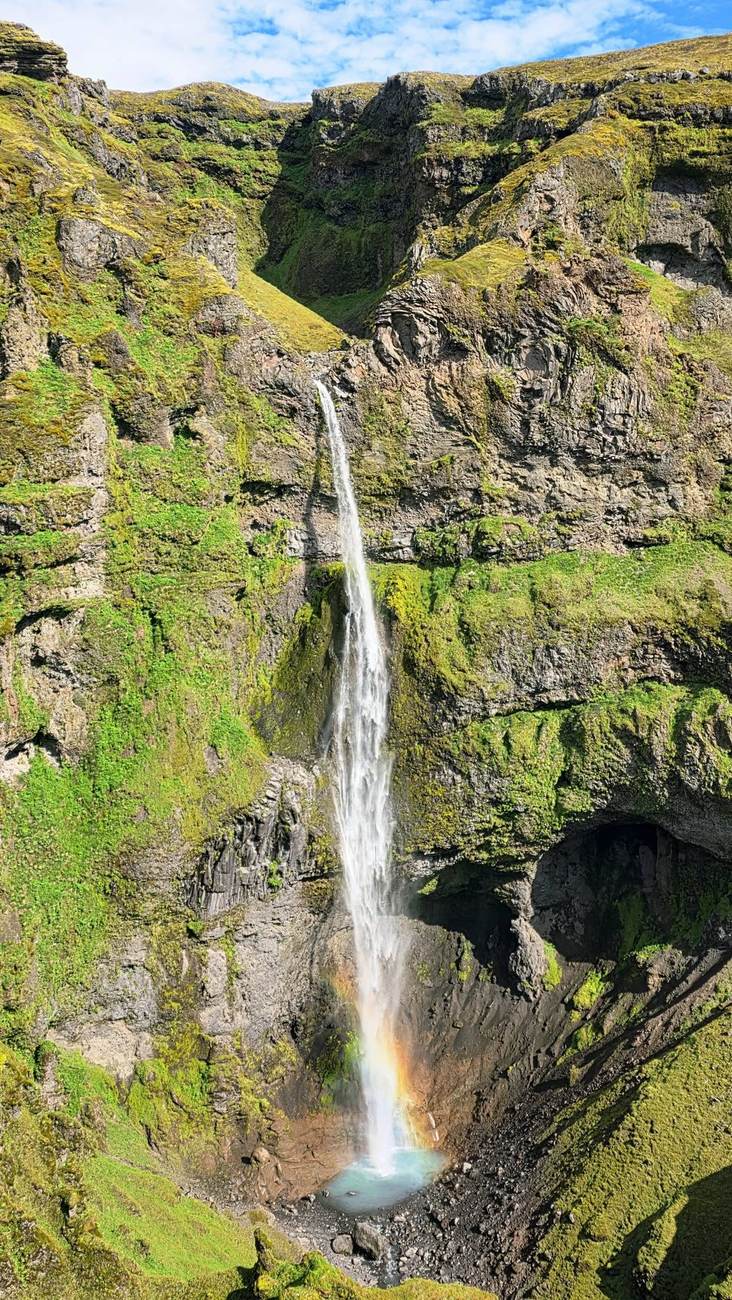
Iceland is known for its incredible, abundant waterfalls, and it didn’t take long for us to reach our first at Seljalandsfoss. The falling cascade pounded the pool beneath and created a heavy mist that sprayed against us as we walked around behind the falls. Just a short walk away hid another waterfall, Gljúfrabúi, tucked inside a narrow canyon. Stepping through the stream and into the hidden chamber felt like discovering a secret place that nature had been keeping for centuries: a small, private waterworld for us to enjoy. It’s one of the South Coast’s best hidden gems.
Soon afterwards came the mighty Skógafoss. Perhaps Iceland’s most iconic waterfall, its roar could be heard long before we reached it. Standing before its immense wall of water made us feel insignificant against such a powerful, unstoppable force of nature. We climbed the metal staircase beside the falls for a commanding panoramic view of Iceland’s South Coast.
Puffins at Dyrhólaey, Reynisfjara and Vík
Driving farther east on the Ring Road, we reached Dyrhólaey. There, on grassy cliffs overlooking the Atlantic Ocean, puffins nested along the rocky edges. Often called the “clowns of the sea”, with their colourful beaks, tuxedo feathers and comical appearance, these seabirds have a friendly charm. Despite the many birdwatchers and photographers, the puffins seemed unbothered and went about their business.
Our next stop, Reynisfjara Beach, has expansive black volcanic sand stretching out from beneath towering basalt columns and mysteriously shaped offshore sea stacks. The ocean relentlessly pounds the shoreline, and its unpredictable sneaker waves make caution essential. Check the beach warning lights and Safetravel.is before you go. Erosion from last February’s storms was clearly visible; nevertheless, the beach has a rugged, untamed beauty that makes it worth visiting.
The nearby town of Vík felt warm and welcoming. High above the village stands its iconic red-roofed church, overlooking colourful homes nestled beneath towering cliffs. It was the perfect postcard view of Iceland’s South Coast.
Fjaðrárgljúfur and Múlagljúfur Canyons
One of the unexpected highlights was Fjaðrárgljúfur Canyon, where the winding cliffs have been shaped over millennia by glacial rivers. While the canyon’s entrance is stunning, the view from its far end is truly breathtaking. It quickly became one of our top spots in Iceland.
Jökulsárlón Glacier Lagoon and Diamond Beach
As we continued east, glaciers began to dominate the horizon. Jökulsárlón Glacier Lagoon was beyond anything we had imagined: huge blue and white icebergs moved quietly across its calm waters, drifting by like floating sculptures. The stillness of the lagoon let us hear the soft crinkling of melting ice. Now and then, the giant icebergs bumped into each other and broke apart on their slow journey toward the channel that leads to the ocean.
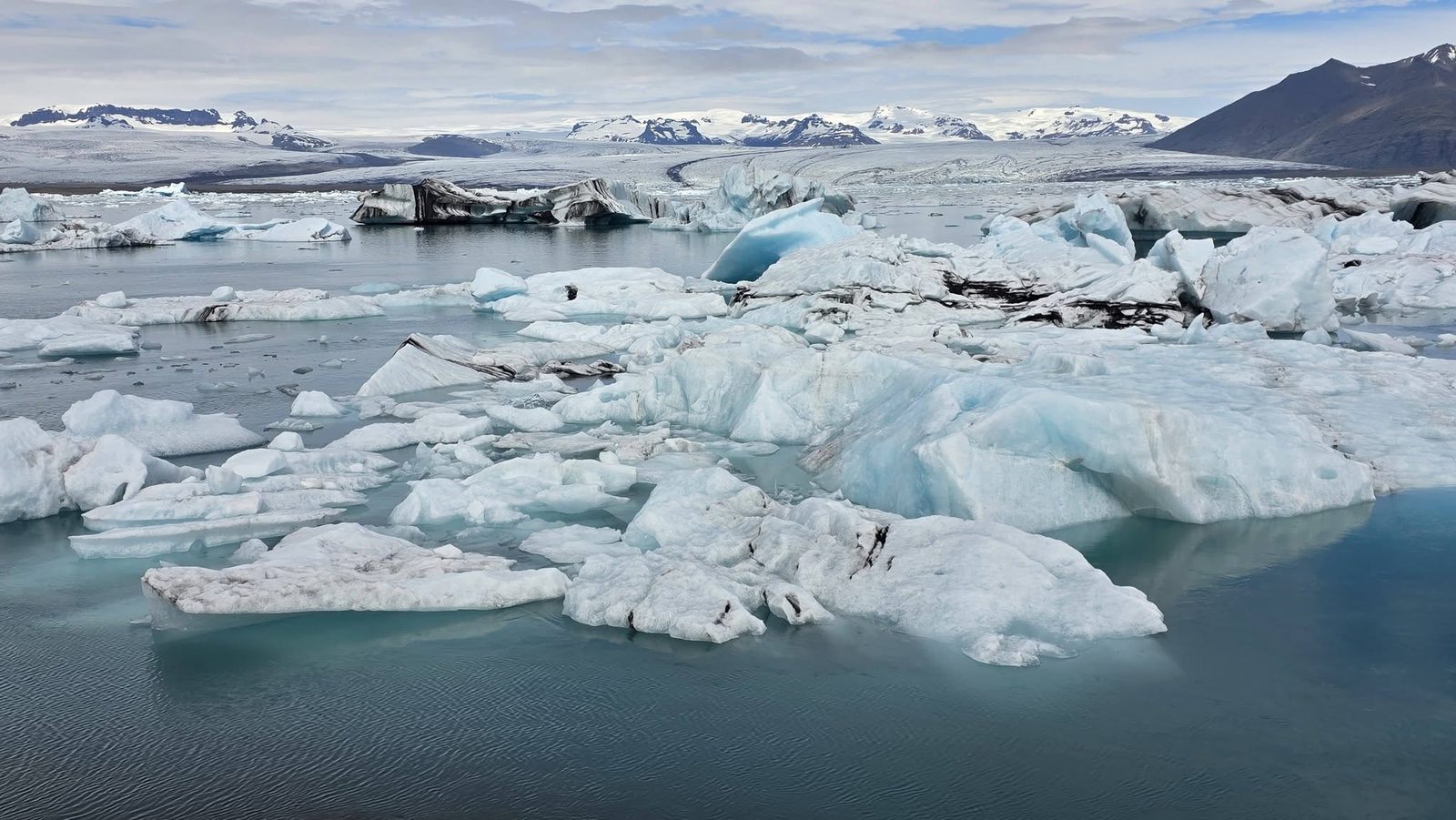
Just across the road, Diamond Beach sparkled. Chunks of crystal-clear glacier ice rested on the black sand, shining like scattered gemstones in the afternoon sun. Each piece was uniquely shaped, polished by the ocean before washing up on shore. Both are part of Vatnajökull National Park.
Stokksnes, Vestrahorn and the Viking Village
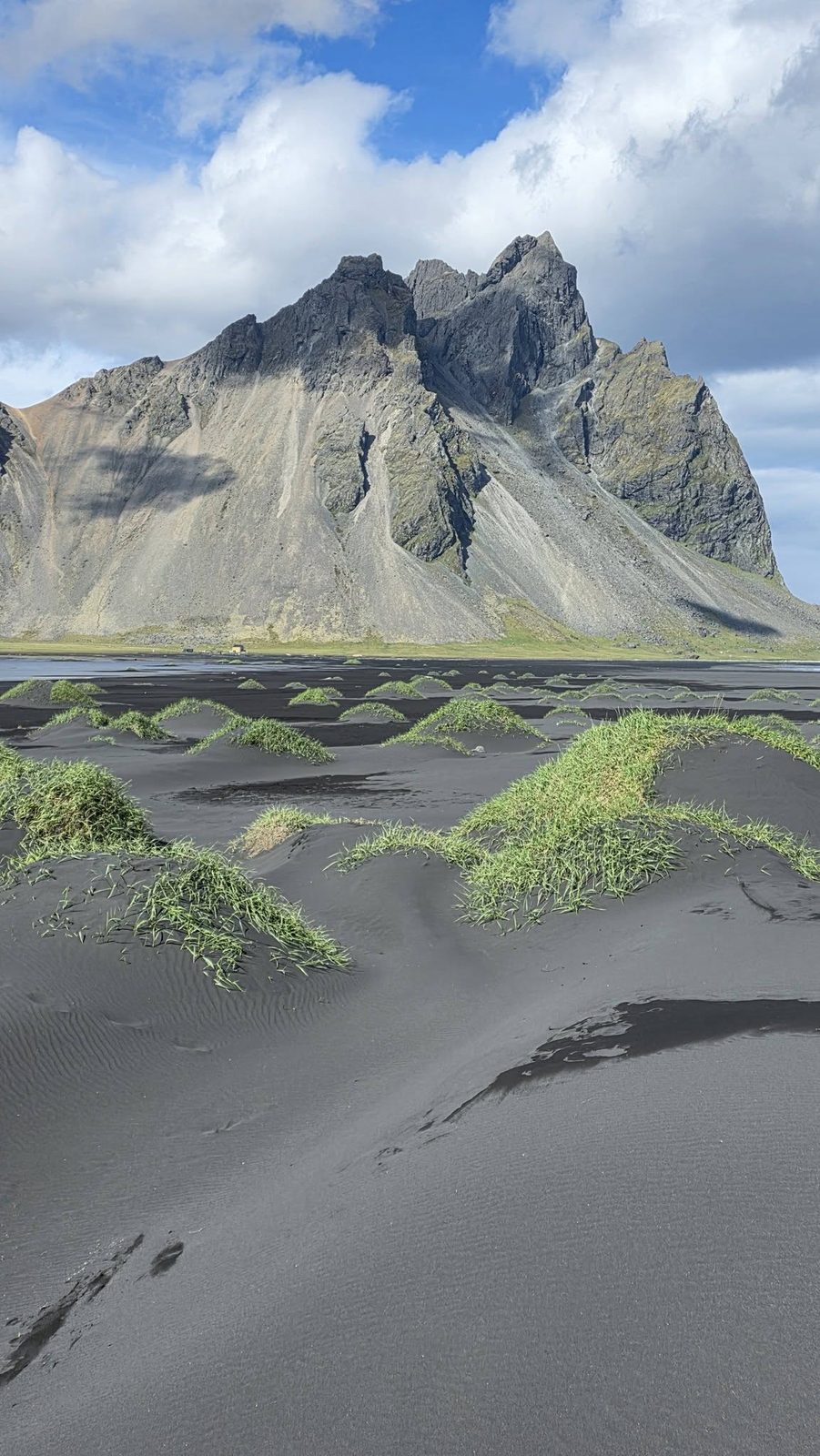
Further along the coast, the Stokksnes peninsula offered some of Iceland’s most striking coastal scenery. Vestrahorn mountain towered above black sand dunes while the ocean pounded the shore in a steady coastal wind. We also explored the nearby Viking movie set. Its weathered structures blended perfectly into the rugged landscape, making it a memorable stop on our journey.
Djúpivogur and the Happy Marriage Cake
We slowed our pace in Djúpivogur, a picturesque fishing village in the East Fjords. Colourful boats bobbed gently in the harbour while seabirds soared overhead. At a café in the historic Langabúð building, we tried a local speciality called “Happy Marriage Cake” (hjónabandssæla). Its buttery oat crust and sweet rhubarb filling seemed like the perfect dessert after another incredible day on the road. We laughed that any cake with a name like that simply had to taste wonderful, and it certainly did.
Campervan Evenings Under the Midnight Sun in Iceland
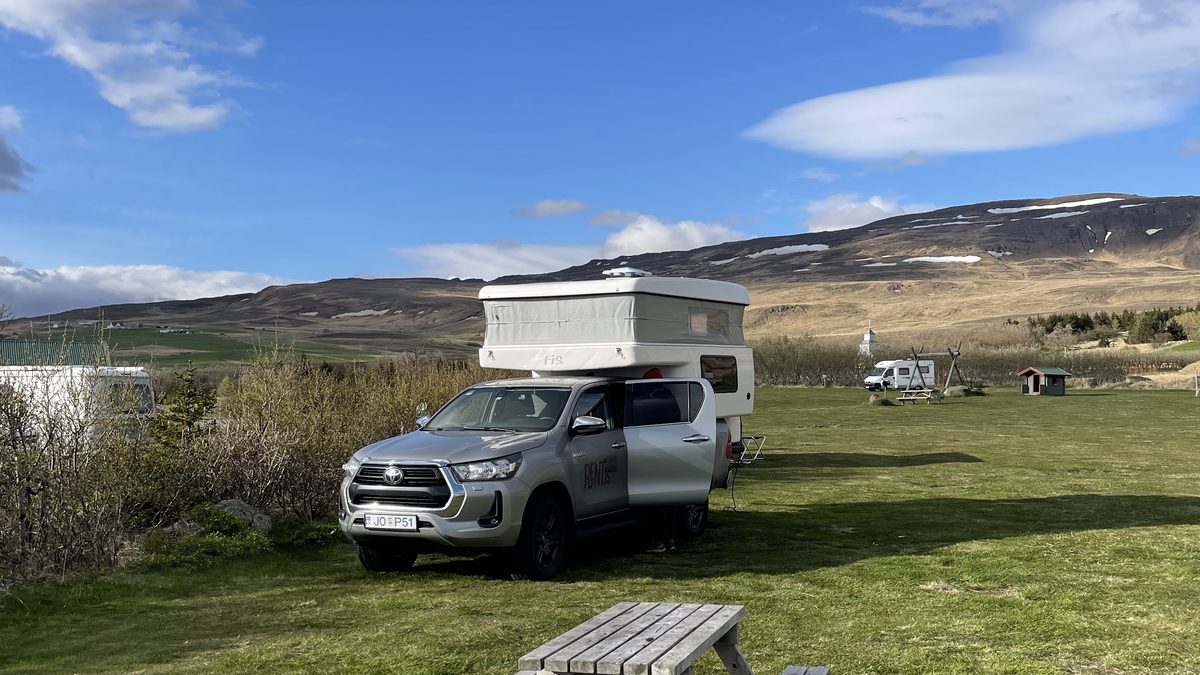
Each evening unfolded in much the same way. We would arrive at a new campsite nestled near mountains, waterfalls, forests or lava fields. After settling the campervan into its spot for the night, we enjoyed hot showers, and sometimes hot tubs, after a day of hiking and road tripping. Dinners cooked on the compact stove somehow beat those from many restaurants. While our phones, power banks and camera batteries recharged, we’d revisit the highlights of the day. Finally, we’d tuck ourselves into our sleeping bags, eagerly anticipating the next day’s breathtaking scenery.
Stuðlagil, Dettifoss and Hverir
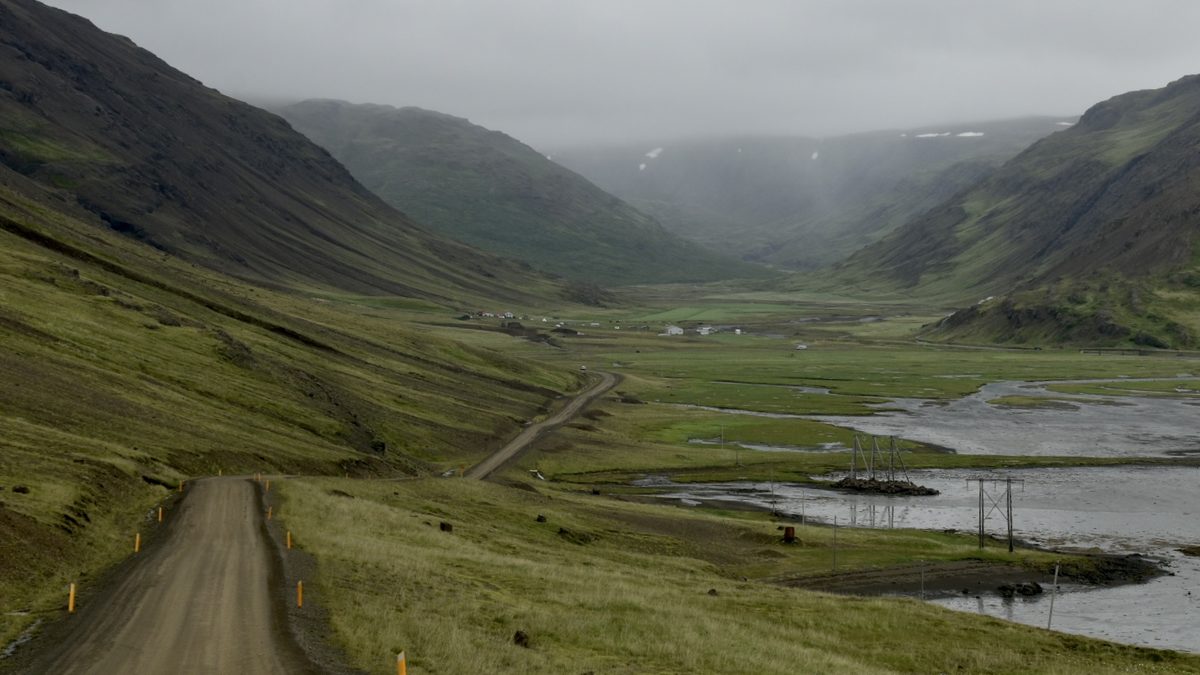
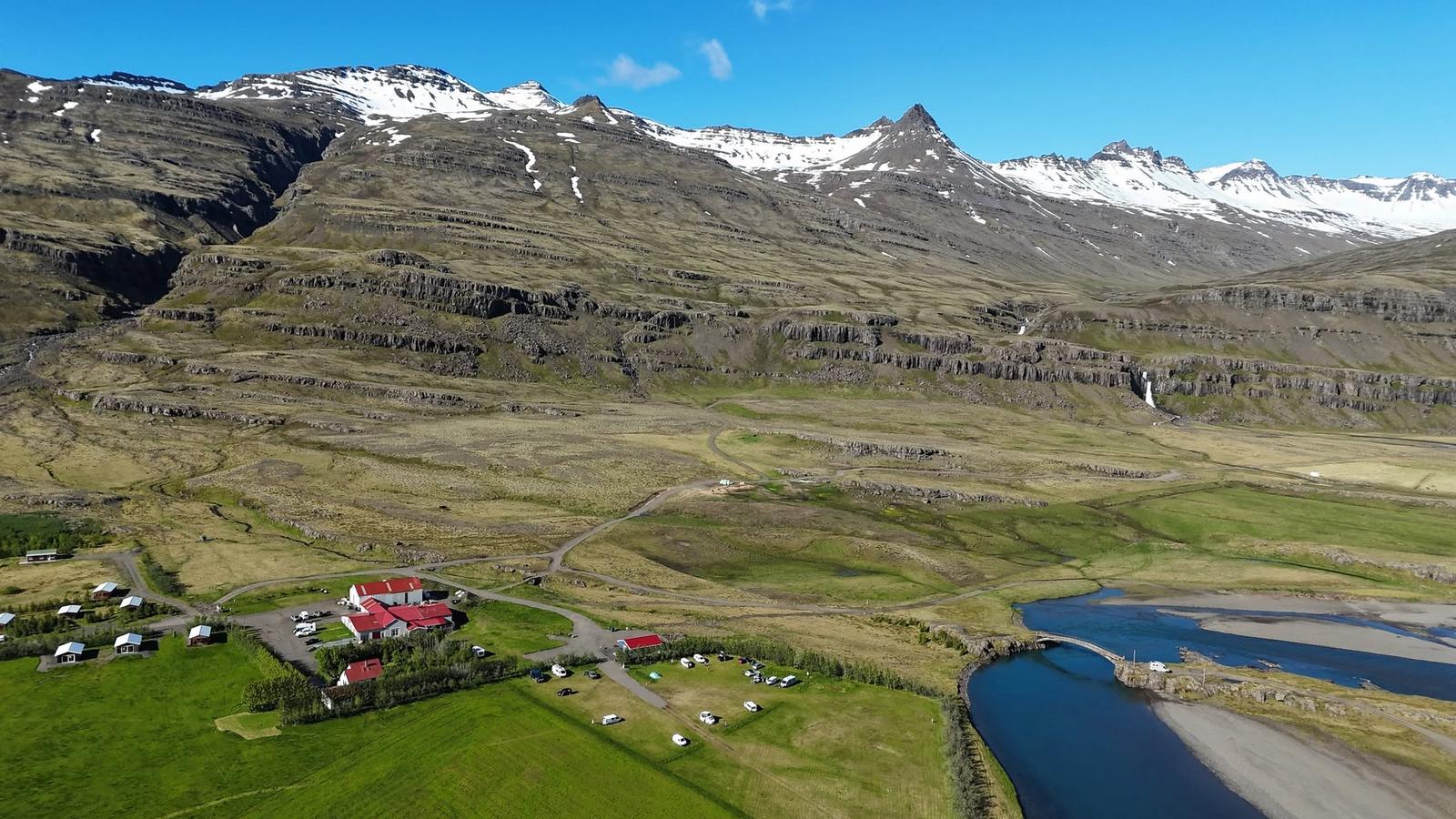
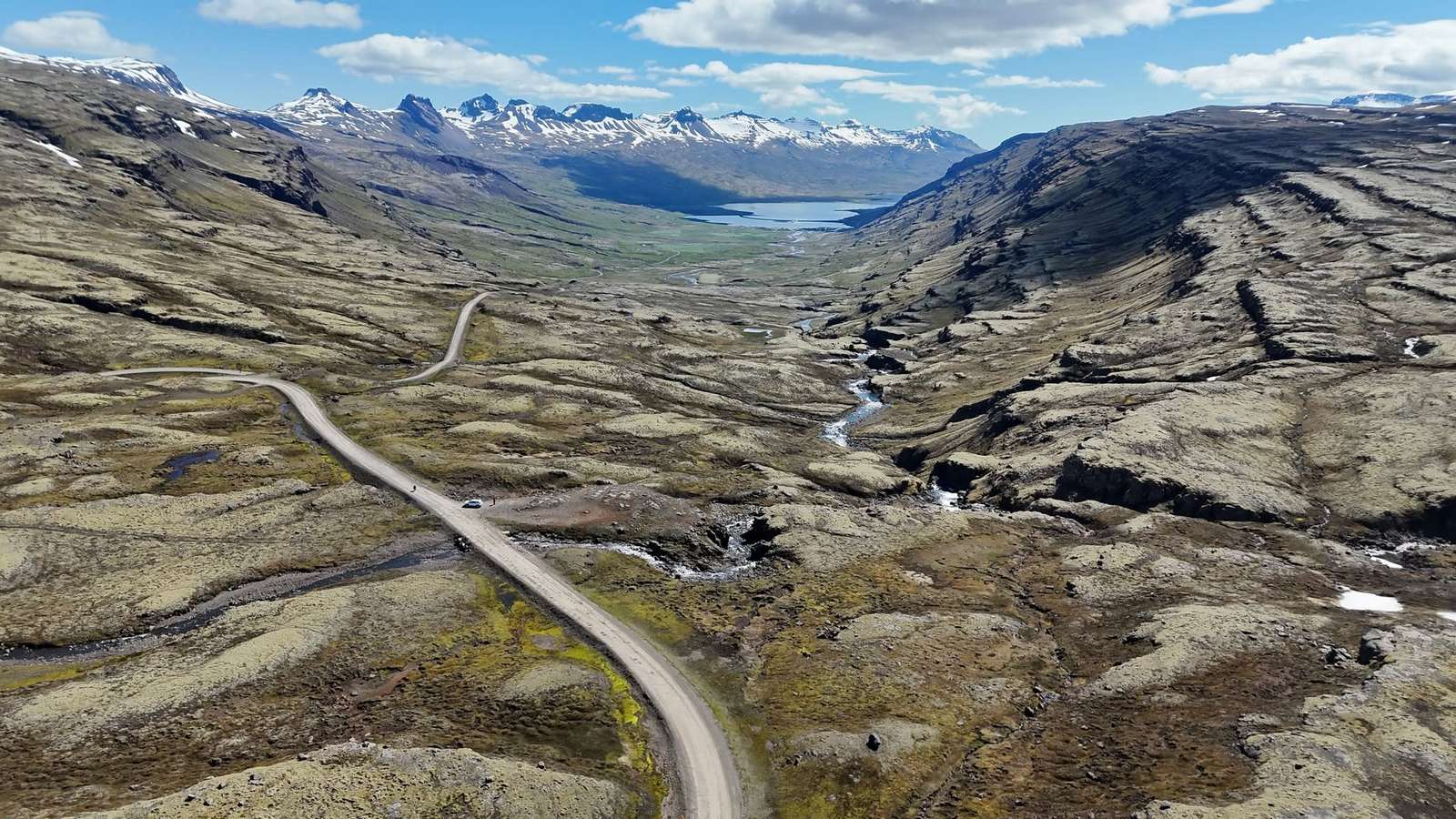
The scenery outside our windows was never the same twice. The following days carried us further into East Iceland and beyond, over mountain passes and down into new valleys.
Stuðlagil Canyon amazed us with its tall basalt columns rising above turquoise water. Every angle looked like a masterpiece waiting to be photographed. At Dettifoss, Iceland’s mightiest waterfall thundered with unimaginable force. It wasn’t simply a waterfall; it was nature’s raw energy unleashed.
Not far away, Hverir introduced us to Iceland’s geothermal wonders. This surreal area has bubbling mud pots, roaring steam vents and mineral deposits in brilliant yellows, oranges and reds. The scent of sulphur lingered in the air. It was truly unlike any other place we have ever explored, and it reminded us once again how dramatically Iceland’s scenery can change within just a few miles.
Goðafoss and Akureyri
On our way to Akureyri, we stopped at Goðafoss, a striking horseshoe-shaped waterfall. Here, blue glacier water rushes over a curved wall of volcanic rock and surges into a narrow canyon. With such force and such a thunderous roar, it is easy to understand why Goðafoss is known as the “Waterfall of the Gods”.
Akureyri, often called the “Capital of the North”, is Iceland’s second-largest urban area after the Reykjavík region. A highlight for visitors is Akureyrarkirkja, the town’s iconic church, completed in 1940 on a hill at the centre of town. Wandering through the picturesque downtown streets, we noticed a particularly endearing detail: heart-shaped red traffic lights. They perfectly captured the warmth and welcome of this northern town.
Throughout the country, it’s common to see Icelandic horses grazing peacefully in green pastures. Their thick manes flutter in the wind, giving them a rugged look perfectly suited to the island’s ever-changing weather. Large and small flocks of sheep were just as common, roaming hills and meadows and sometimes stopping traffic as they crossed the road with their lambs.
The Westfjords and Dynjandi
Our detour into the Westfjords turned out to be one of the highlights of our trip. The roads became quieter, the mountains steeper and the feeling of solitude deeper. Then we reached Dynjandi. Rather than falling in one dramatic plunge, the enormous waterfall spreads like a giant bridal veil across multiple tiers before reaching the valley below. Standing at its base, looking up at the towering falls and listening to the thunderous water, we felt truly fortunate to experience such a remarkable, unique place.
The Snæfellsnes Peninsula
Heading south toward Reykjavík, we took a leisurely drive around the Snæfellsnes Peninsula. On our way to Kirkjufell, the mountain with the famous Kirkjufellsfoss waterfall at its foot and one of Iceland’s most photographed spots, we passed through the fishing town of Grundarfjörður.
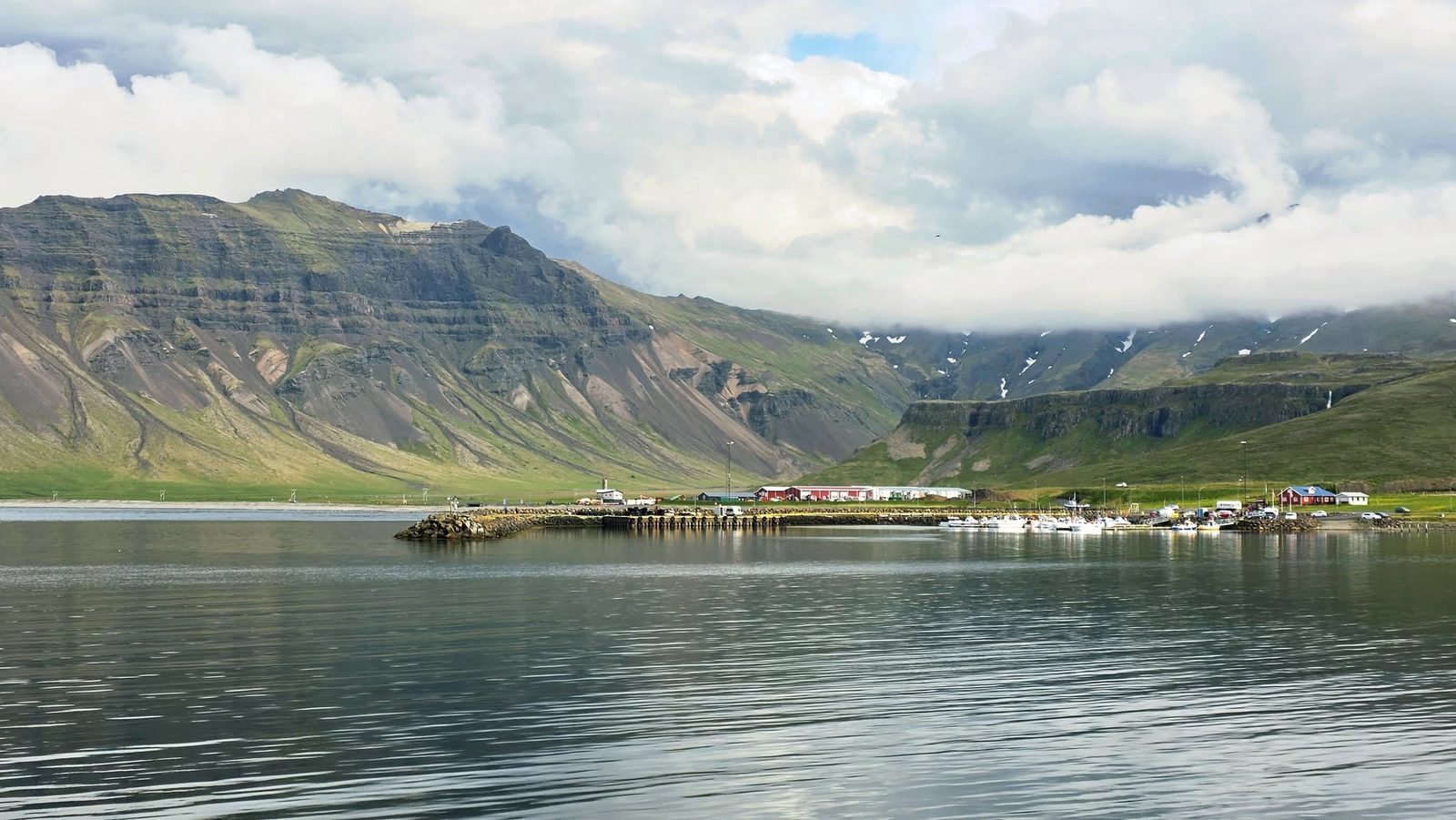
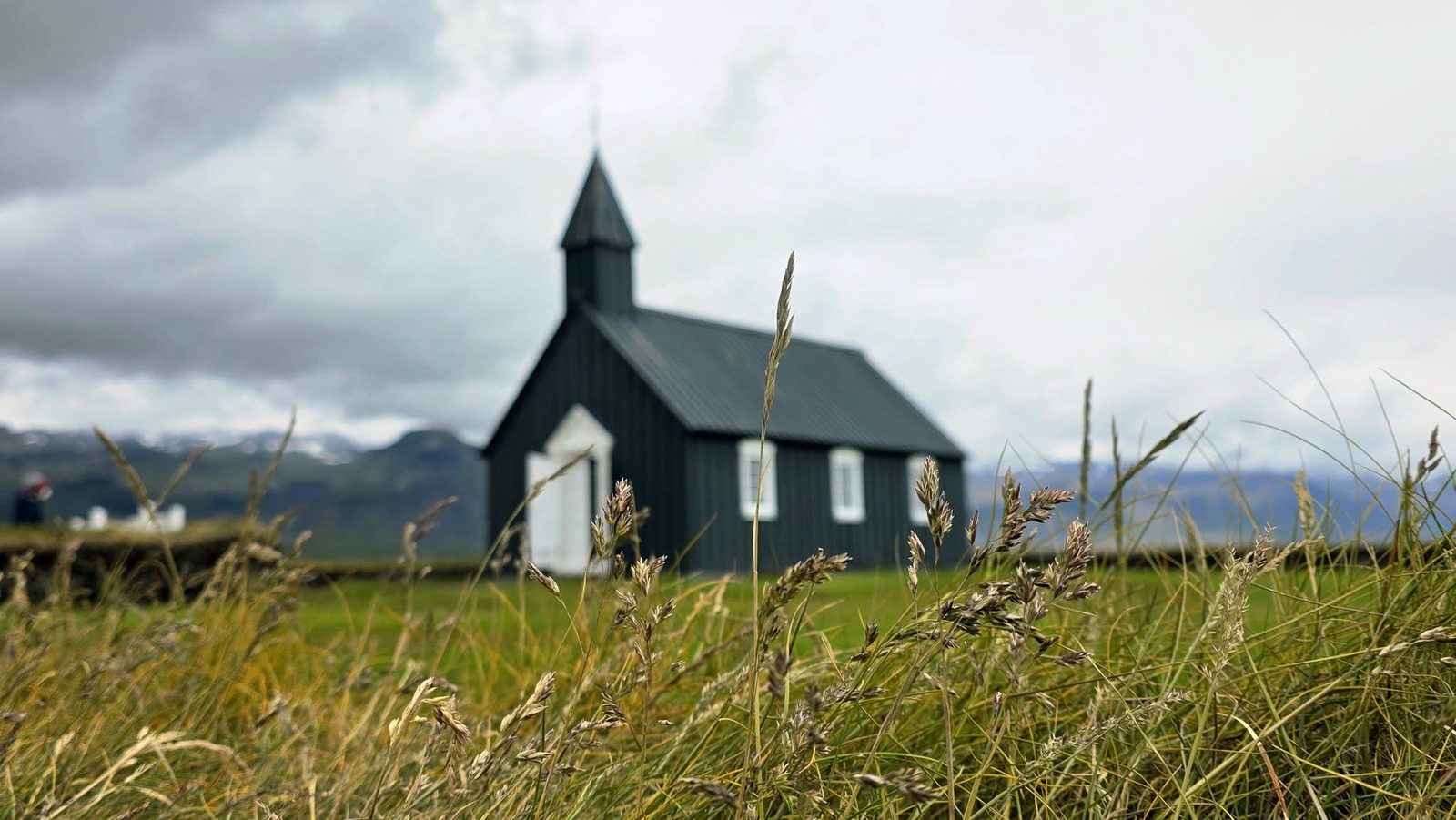
We then followed the winding roads of Snæfellsjökull National Park, taking in striking lava fields, rugged cliffs and expansive coastal views. Before leaving the peninsula, we stopped at Búðakirkja, the lone black church whose understated elegance mirrored the quiet charm and beauty of Iceland itself.
A Golden Circle Grand Finale
Our final full day in the campervan brought us to Iceland’s famous Golden Circle. At Þingvellir National Park, we walked between the North American and Eurasian tectonic plates while learning about one of the world’s oldest parliaments. Standing where continents slowly drift apart gave us a profound appreciation for Earth’s living geology. Nearby, Strokkur geyser erupted every few minutes, launching boiling water and steam high into the air.
Next, we visited Gullfoss, where the water of this enormous two-tiered waterfall thunders down and seemingly disappears into a huge crack in the Earth. It was the perfect grand finale of waterfalls in a country with so many impressive falls.
Our final stop was Kerið crater. Formed by volcanic activity around 6,500 years ago, it is both a natural wonder and a striking reminder of Iceland’s volcanic past. Its deep blue lake contrasted beautifully with its red slopes, a peaceful and memorable end to our journey around the island.
Night Never Arrived: The Midnight Sun in Iceland
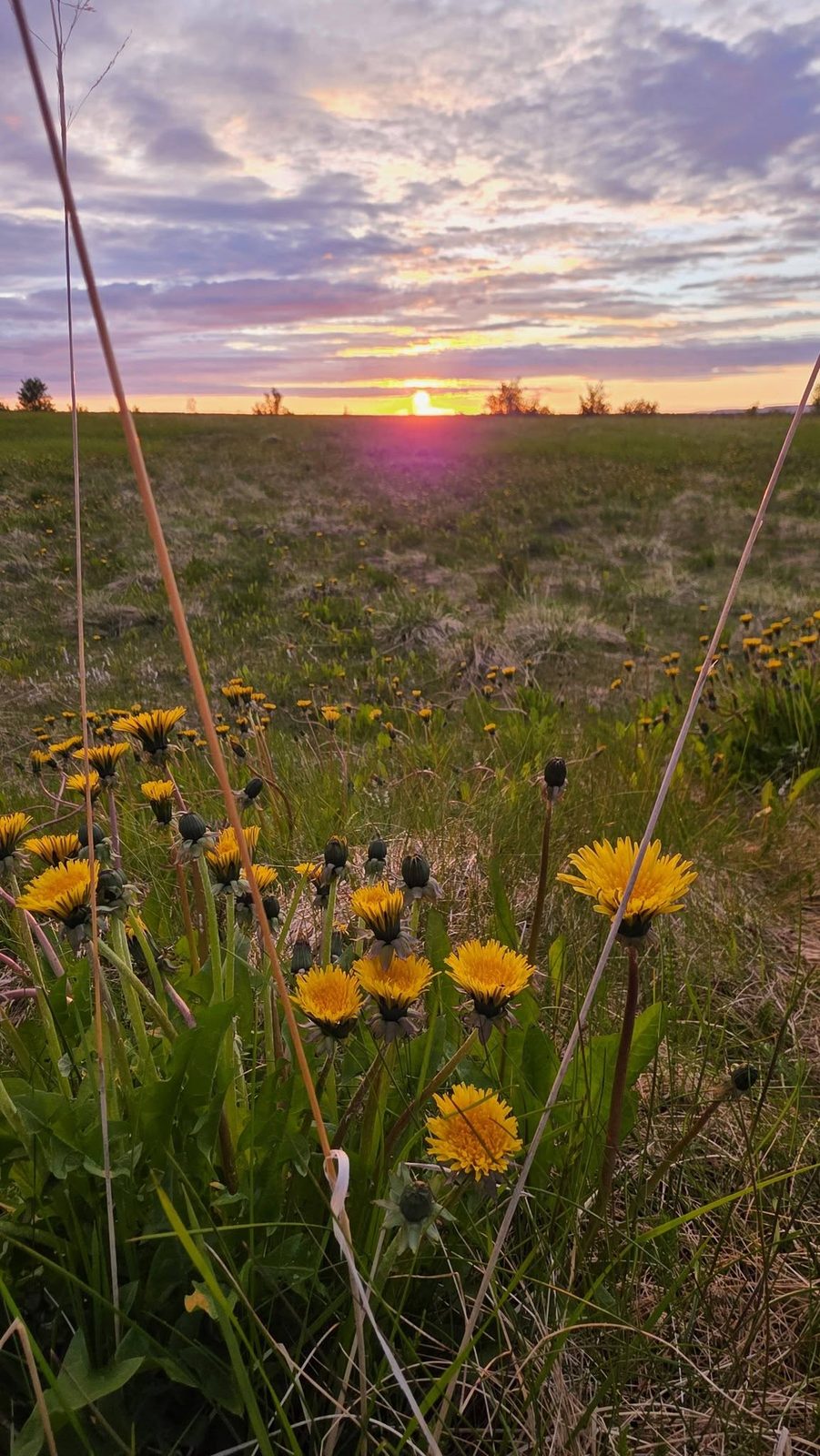
Throughout the entire trip, one magical detail remained constant: night never truly arrived. The midnight sun lit the sky in soft shades of gold, pink and lavender long after midnight. Even in the late hours, there was enough light to find our way, gaze at distant mountain ranges or sit outside the campervan and enjoy the quiet. Time itself seemed to lose its meaning beneath those endless northern skies.
When 27 June finally arrived, we returned the campervan that had carried us to glaciers and ancient lava fields, to fishing villages and over mountain passes, to black sand beaches and to endless waterfalls. It was our shelter, our comfortable bed and our front-row seat to some of the most extraordinary landscapes on Earth.
When people ask about our favourite stop in Iceland, we can’t choose just one. The journey itself, with the shifting weather, waterfalls, lupin fields, Icelandic horses, sheep, friendly campsites, spectacular scenery and the midnight sun, made driving the Ring Road truly unforgettable. We’ll always remember feeling humbled, inspired and grateful for nine remarkable days on Iceland’s open road.
FAQ: Seeing the Midnight Sun in Iceland
When can you see the midnight sun in Iceland?
From late May to late July, nights in Iceland stay bright. Around the summer solstice on 21 June, the sun dips below the horizon only briefly in Reykjavík, and it never gets dark. Only Grímsey island, on the Arctic Circle, sees the sun stay above the horizon all night.
Is 9 days enough for the Ring Road and the Westfjords?
It is, as this trip shows, but expect some long driving days. The Ring Road is about 1,330 km, and the Westfjords add several hundred more. In June, the long daylight makes late drives easier.
What is Happy Marriage Cake?
Hjónabandssæla, or “Happy Marriage Cake”, is a traditional Icelandic oat crumble cake with a rhubarb jam filling. You’ll find it in cafés and bakeries all over the country.
Plan Your Own Road Trip Under the Midnight Sun in Iceland
The Fiat Doblo Maxi is a classic, economical camper for two, with a bed, a kitchen and a heater. Pick it up from Rent.is, just five minutes from Keflavík Airport, with free 24/7 shuttle service.