
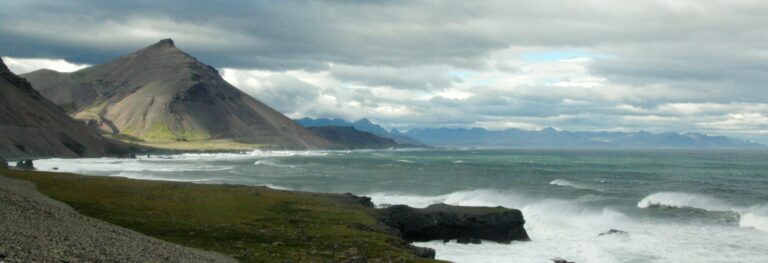
Many travelers turn back to Reykjavík after reaching Jökulsárlón, the famous glacier lagoon, and unfortunately end up missing the wonders of East Iceland. Others continue along the Ring Road and pass by the eastern region, unaware of the fantastic places in Eastern Iceland, just beyond a short detour. To help you discover all the sights in the Eastern region of Iceland, we have created this East Iceland travel guide.
 Crossroads
  Hot Springs
  Villages
  Point of interest
Höfn & the surrounding area
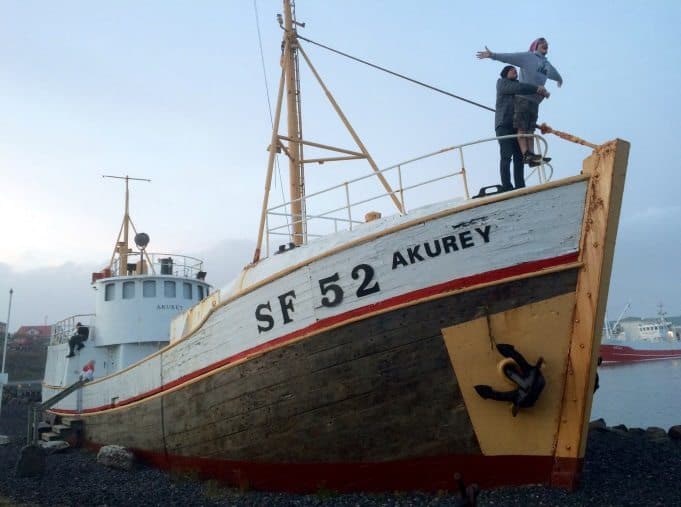 When you reach Höfn, you are entering East Iceland. Höfn itself is a beautiful village that many say has the best lobster dinners in Iceland. A campsite is situated in the middle of town and is a perfect spot to gather your strength for the adventures ahead.
Before leaving the area you should to take a dip in the hot spring Hoffell (see the map). It’s approximately 16km/6.3 miles from Höfn. From there you will have stunning views of the highlands and it is well worth the visit.
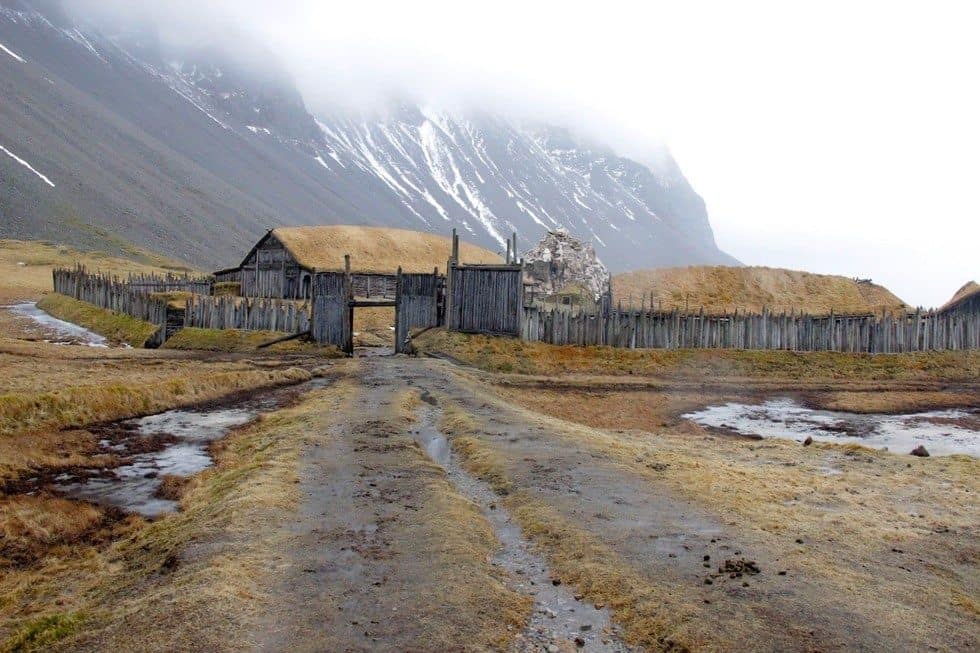 When you continue your trip north from Höfn you will, after 6km/2.4 miles you’ll arrive at a crossroads (1 on the map). If you take a right there and drive along the ocean, then make a left at crossroads 2, you will arrive at a very interesting place. It’s an entire Viking village set in the most beautiful surroundings. The set was built for a movie that was never made but the set is still there. It has a very authentic feeling to it and is an interesting Icelandic attraction.
When continuing north, you have about 90km/56 miles to drive before you’ll reach the town of Djúpivogur. This drive is spectacular and is one of the more scenic routes in Iceland. You’ll have massive mountains on your left and the wide, blue Atlantic Ocean to your right.
Good visibility = Mind blown!
Djúpivogur
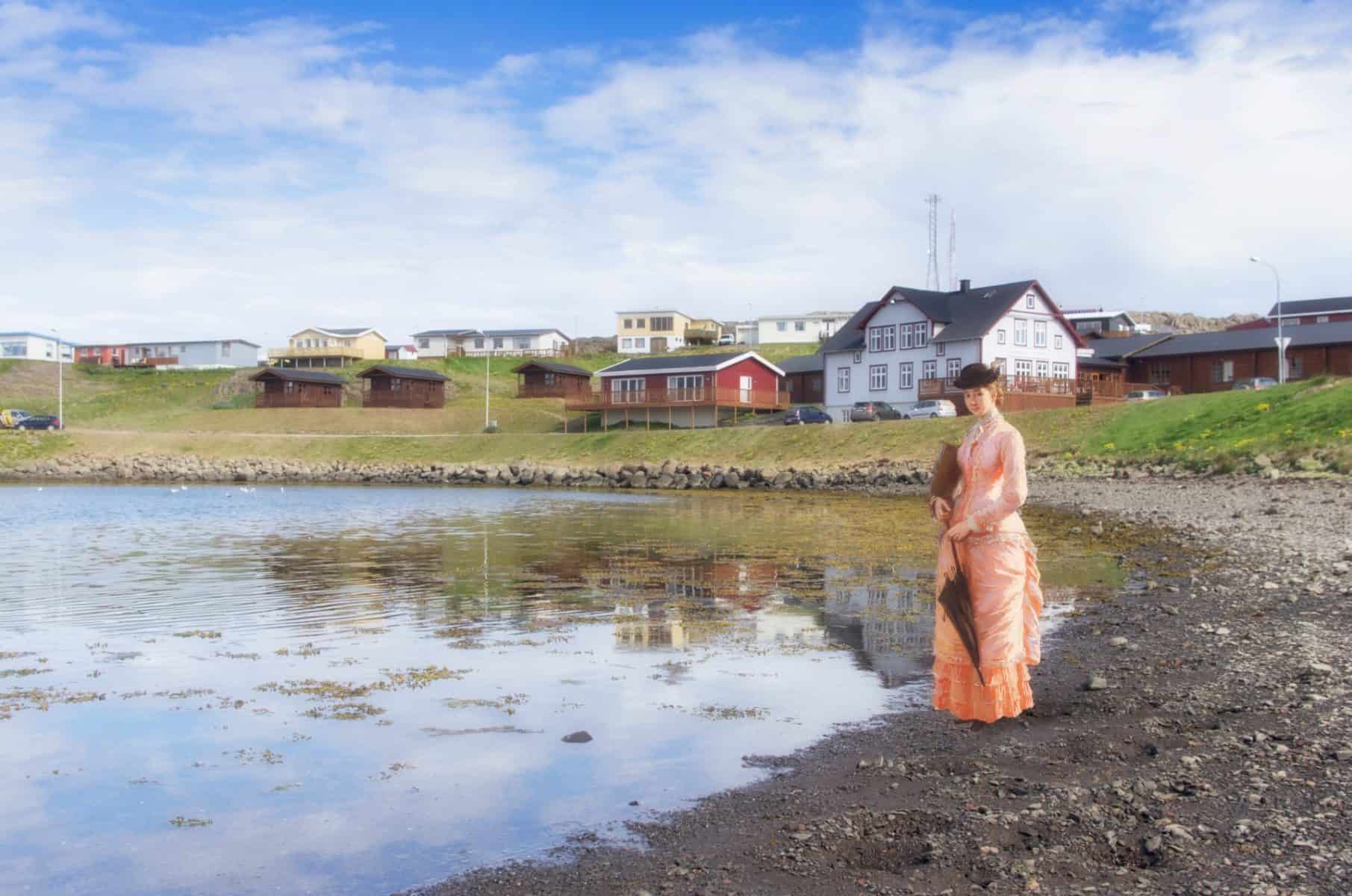 This East Iceland village is very quaint and lovely. The village has gone to great lengths restoring old houses and keeping the village nice and tidy, and it shows. You’ll also get the feeling from the locals that all is well in the village of Djúpivogur. Langabúð is the oldest house in Djúpivogur (it was built in 1790!) and now serves as a cultural center.
They have a campsite for your camper and you can easily walk to all the local attractions from the campsite. From the harbor you can take a ferry to Papey, a very historical island. Papey was settled by Irish monks from the beginning of settlement, and people lived there until 1966. Papey is home to a huge colony of puffins, a church, and a lighthouse.
Djúpivogur also has a pretty new swimming pool you should try out. The installation artwork called Eggin í Gleðivík by Sigurður Guðmundsson is 34 stone eggs placed along the shore and is situated about a kilometer from the center of town.
The village is also a bird watcher’s paradise, and there are tours to study both birds and seals.
Breiðdalsvík
 From Djúpivogur to the next village you’ll have a 62km/38.5 miles drive. The first part takes you all around the fjord of Berufjörður and is a wonderful stretch of road. As all driving here, take your time, enjoy the scenery unfolding before your eyes and keep the speed limit.
Situated in the secluded beauty of Iceland’s East Fjords and is a refreshing escape along the road less traveled. Surrounded by majestic mountains and black sand seascapes, you feel at one with nature. Hike along ancient volcanoes, pick berries in enchanting Jórvíkurskógur Forest, or track herds of wild reindeer, all without seeing another soul. You’ll find genuine small-town hospitality, regional cuisine and an authentic local old-time grocery store.
The road from Höfn to Breiðdalsvík is all part of the Ring Road but now it’s time to turn off the Ring road and travel off the beaten track. Driving out of Breiðdalsvík, you’ll take a right when you reach crossroads 3 (see map) and you are no longer driving on the Ring Road.
Stöðvarfjörður to Fáskrúðsfjörður
 From Breiðdalsvík to Stöðvarfjörður is a 19km/11.9 miles drive. Again, you will be driving along the shore with wonderful scenery. Stöðvarfjörður is another small village along the route. There you’ll find a swimming pool, a campsite and the stores and restaurants. Drive north for 27.3km/17 miles to Fáskrúðsfjörður.
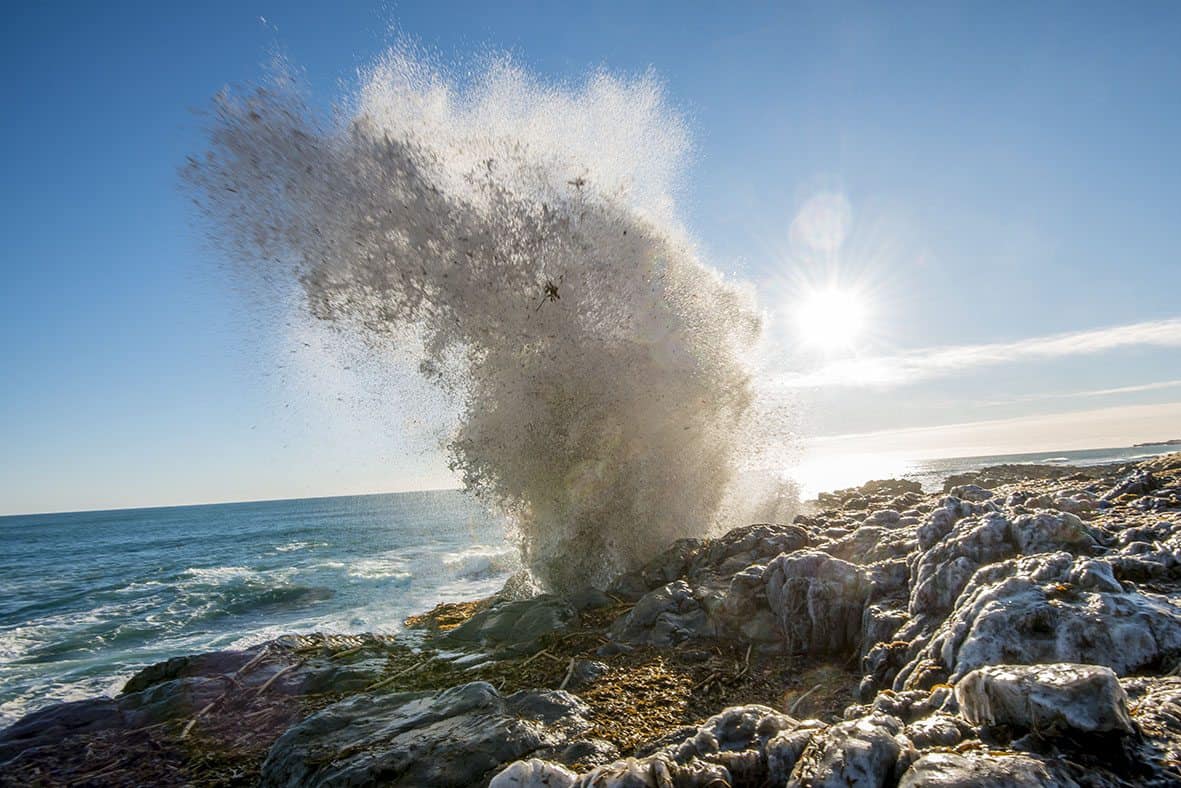
After 2.5km/1.5 miles, you should make a stop at the Saxa Sea Geysir. It’s a rock formation causing the ocean to erupt almost like geysir and it is beautiful and powerful to experience. The drive along the shores of the Atlantic Ocean is one you’ll love.
Until 1935, Fáskrúðsfjörður was the main trading post for French fishermen and the town celebrates this heritage with a festival they call French Days. This event takes place every year at the end of June. The French connection goes further than the festival. Many streets here have French names and the town also flies flags on Bastille Day.
Outside the village you’ll find a Puffin shelter with thousands and thousands of puffins. There is also a big population of Gannets that you can see diving like arrows straight into the ocean as they search for food.
The town has everything you need if you’re planning to spend some time in nature, making it a a great base camp.
Reyðarfjörður
 When leaving Reyðarfjörður, you have to make a decision. Will you track back to Road 96, or will you choose the extremely scenic route (Road 955) around Vattarnes to Reyðarfjörður? Road 96 is much shorter and paved, while Road 955 needs to be driven with care, for there are potholes and rocks but the rewards are plentiful. The long route is 52km/32.3 miles and as mentioned, it takes longer to traverse this area, not just because of the rough roads but because you will stop frequently to take pictures.
The straighter road (nr:96) is only 21km/13 miles and is pretty much a straight shot through a nice tunnel.
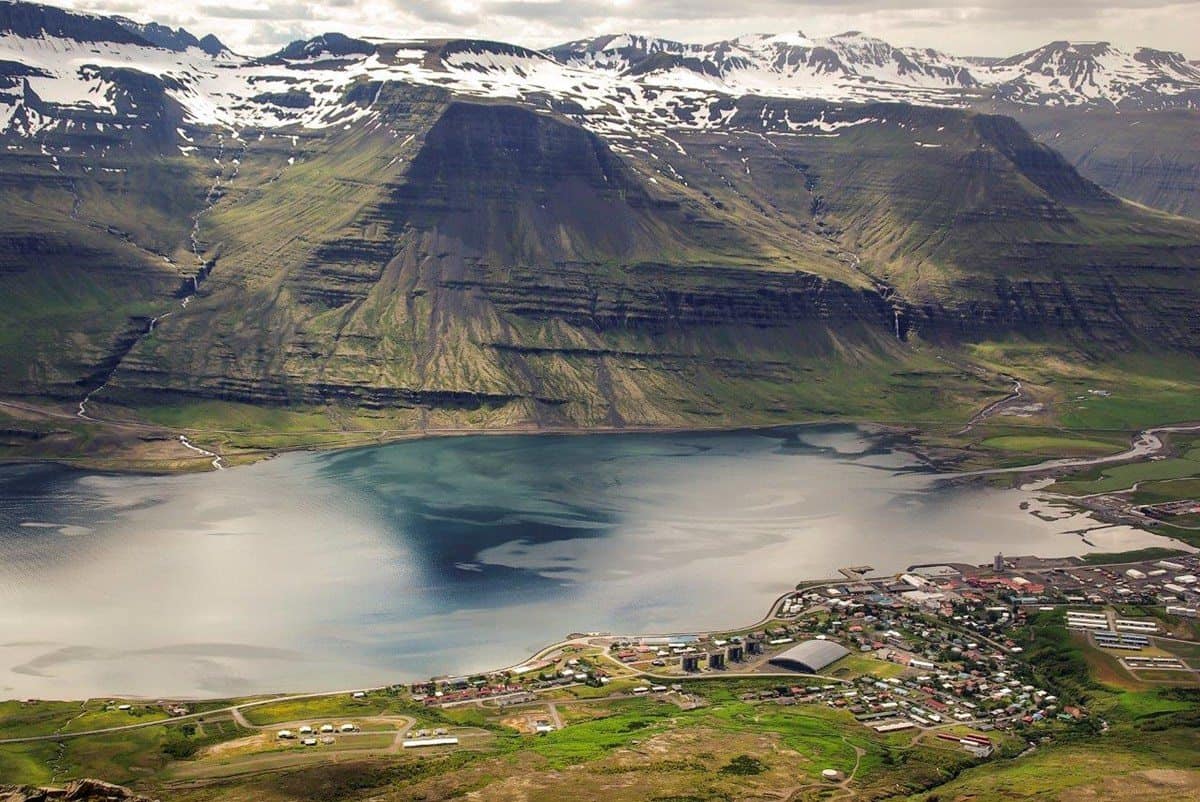
Reyðarfjörður is East Iceland’s longest fjord and at the bottom of it lies the village of Reyðarfjörður. The village has all you need for your camper van travels and for your enjoyment. There is also a wartime museum there and a mall.
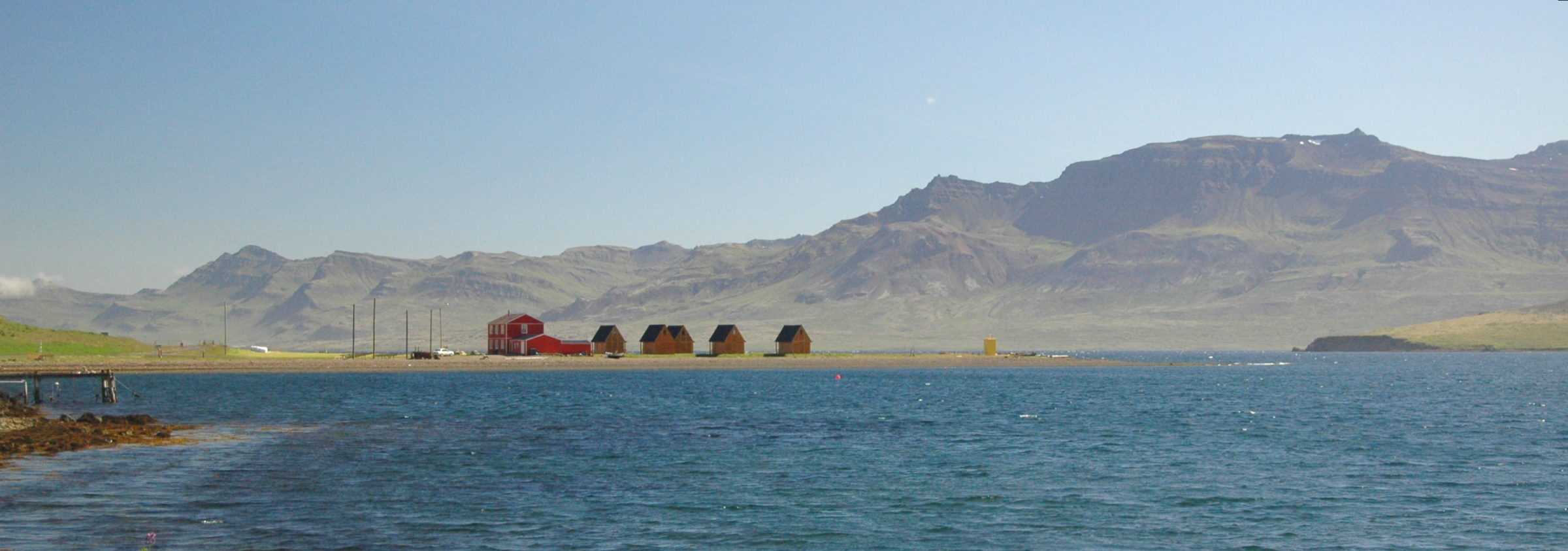
Eskifjörður
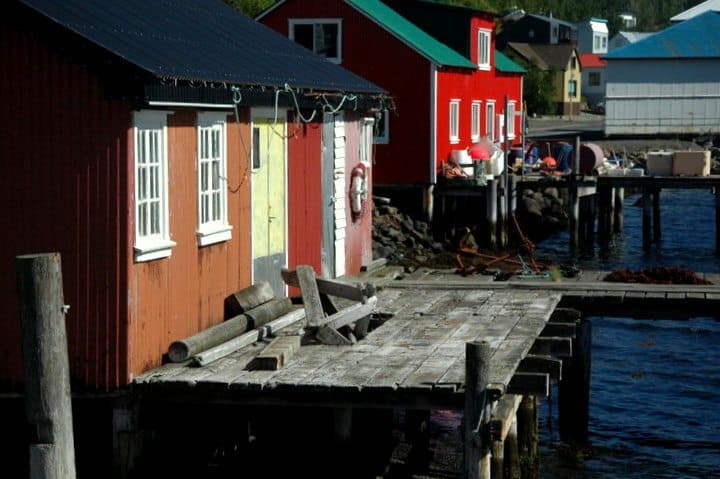 If you choose to continue to travel east from Reyðarfjörður, you will eventually have to backtrack because there is no way around the next fjords. The first village you’ll encounter is Eskifjörður, a picturesque little fishing village filled with charming old fishing huts near the harbor. There is also a campsite with showers, a pool, BBQ facilities, a gas station and a café. You can also rent a boat to enjoy the fjord from the water.
As you drive further east, you’ll have a nice climb to a tunnel called Oddskarð. It’s 0.64km/0.4 miles long, and it is a single lane tunnel which means one direction has the right of way, the oncoming traffic has to yield in pull-off areas on the right side to let the cars with the right of way pass. It is clearly marked by the entrance of each tunnel which rules apply.
Neskaupsstaður
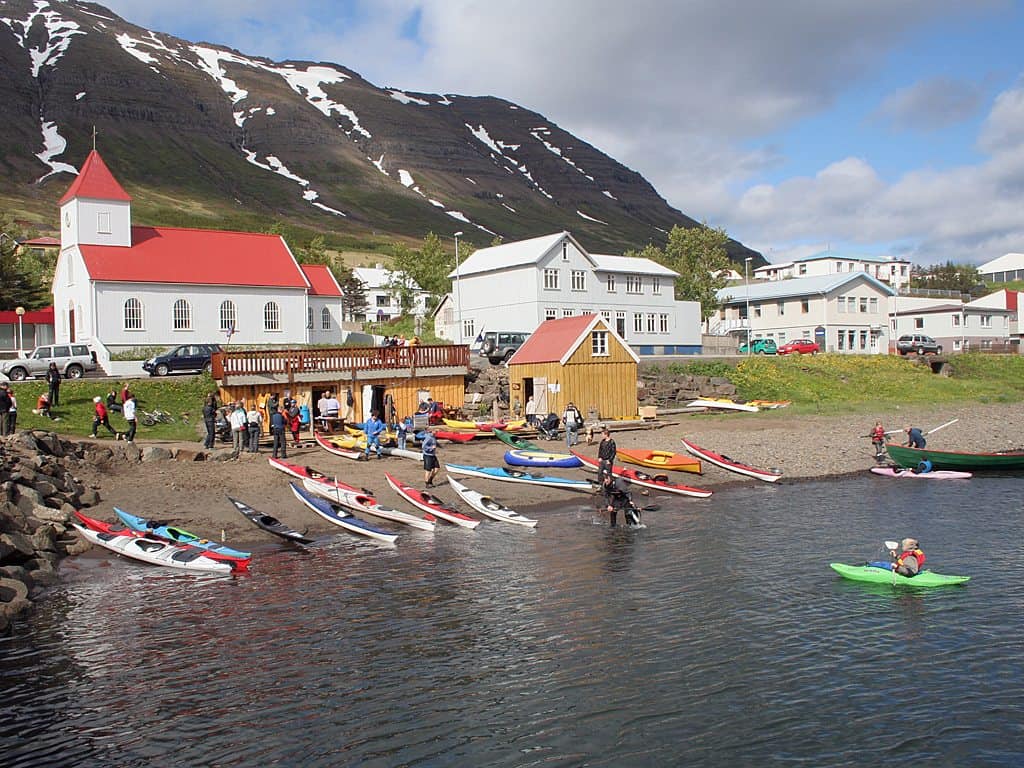 The last village on this road is Neskaupsstaður. From Reyðarfjörður to Neskaupsstaður it’s only 39km/24.2 miles. Until they made the tunnel, Neskaupsstaður was only accessible by sea, and that had a lasting influence on the town.
If you’re looking for interesting things to do in East Iceland, Neskaupsstaður has lots of great options. It’s bustling music town with jazz and blues being played live at a club there. The locals are also very active people who love outdoor activities. They also boast the most active kayak club in Iceland. There are three museums, a pool and it is surrounded by stunning beauty. You can also take a boat tour to the next fjord north called Mjóifjörður. The local café has art exhibitions by local artists and don’t forget to take a look at the clay horse at Gallery Thea.
The campsite is located in the middle of town and has everything you need. When you stay there, you’re within walking distance of everything the town has to offer.
When you are done here and ready to move on, the next town (we’ll skip Egilsstaðir in this guide as it is featured in our Ring Road post) is Seyðisfjörður. You have to pass Eskifjörður and Reyðarfjörður now and it’s a 97km/60.3 miles drive to Seyðisfjörður.
Seyðisfjörður
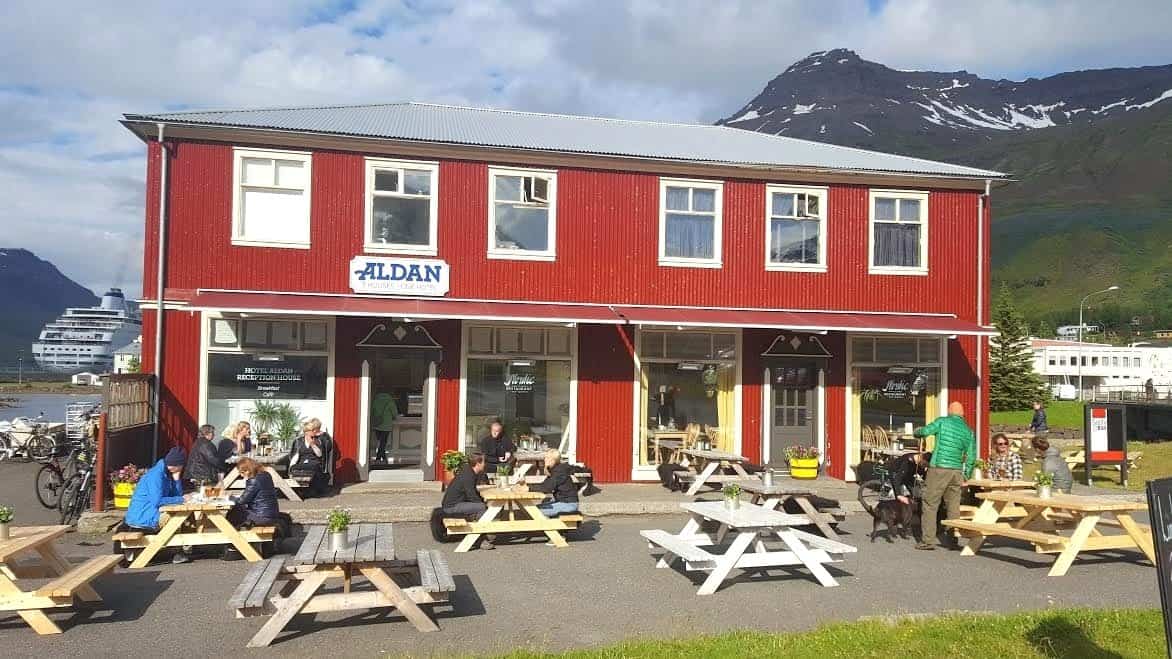 This is the town where the ferry from Europe arrives but despite that, this is a really laid-back town with a lot to offer for visitors. As you crest over the mountain pass and are heading down to Seyðisfjörður, take your time and stop for photo shoots but remember, not to stop anywhere where you might put others in danger.
There is a waterfall that is very nice to check out and it has a great parking spot. It might be tempting to stop in the middle of the road to take pics of the road winding down to the village but don’t do that. It is seriously frowned upon by Icelanders, and most importantly, you may put others in danger.
Like Neskaupsstaður, being a town by the “end of the road,” it flourished and created a rich cultural life, a blooming art and music scene, and a great camping site with everything you need, including showers, washing machines, a dining room and more.
Borgarfjörður Eystri
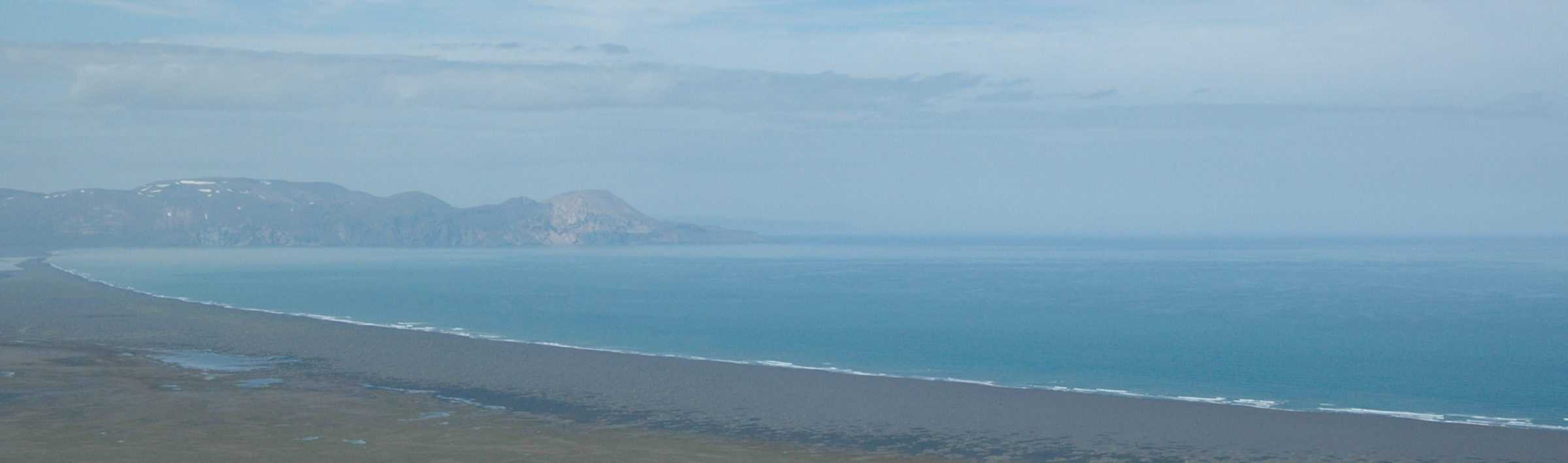
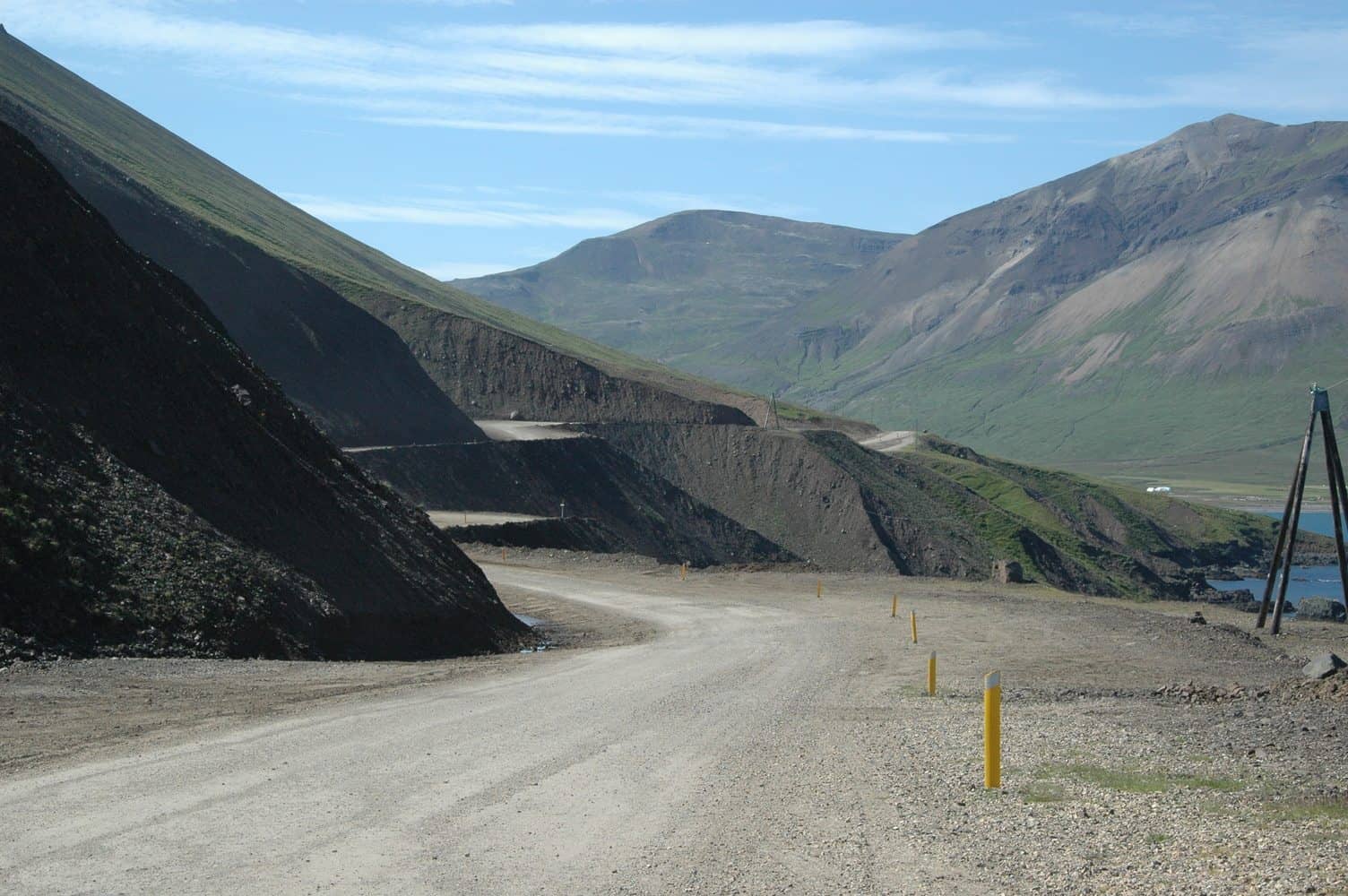 The drive to Borgarfjörður Eystri is also a very special one as you can see in the picture to the right. But before you reach the road, you’ll see the view above, and it is so beautiful that it appears at times surreal. This village might be one of the most laid-back villages in Iceland. It is so calm and beautiful and it features a great campsite, too. The campsite is located south of the village, and you will be sleeping among elves there so show respect to the rocks!
You have everything you need in Borgarfjörður Eystri, including services you might need, hikes, tours and stunning beauty! It’s a perfect spot to wind down and enjoy the tranquility.
Héraðssandar
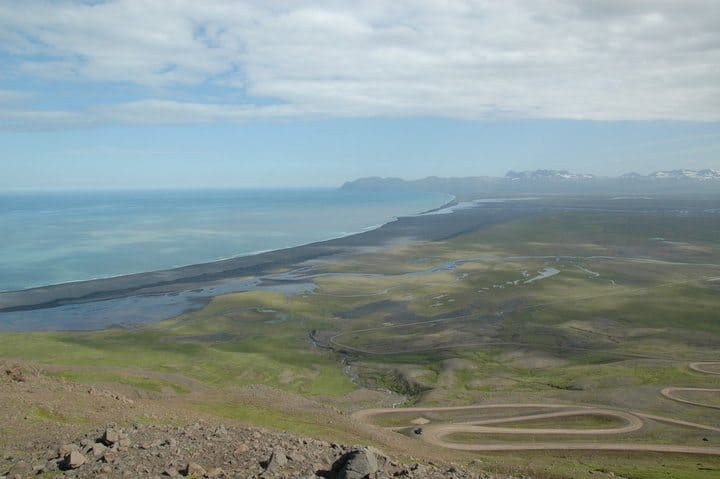 When you leave Borgarfjörður Eystri, you could track back to the Ring Road but we highly recommend you take a right (coming from the village) at crossroads 5 (see map) so you can experience Héraðssandar.
It is home to an immense beach with amazing views from both the north and south sides. One really needs to drive the full length and avoid the Ring Road while driving to Vopnafjörður for it really is a stunning drive, particularly the northern part, which you can see to the right.
Like so many roads, you may want to stop in the middle to take pictures, Don’t! There are places on the top where you can safely park and take pictures to your heart’s content.
Vopnafjörður
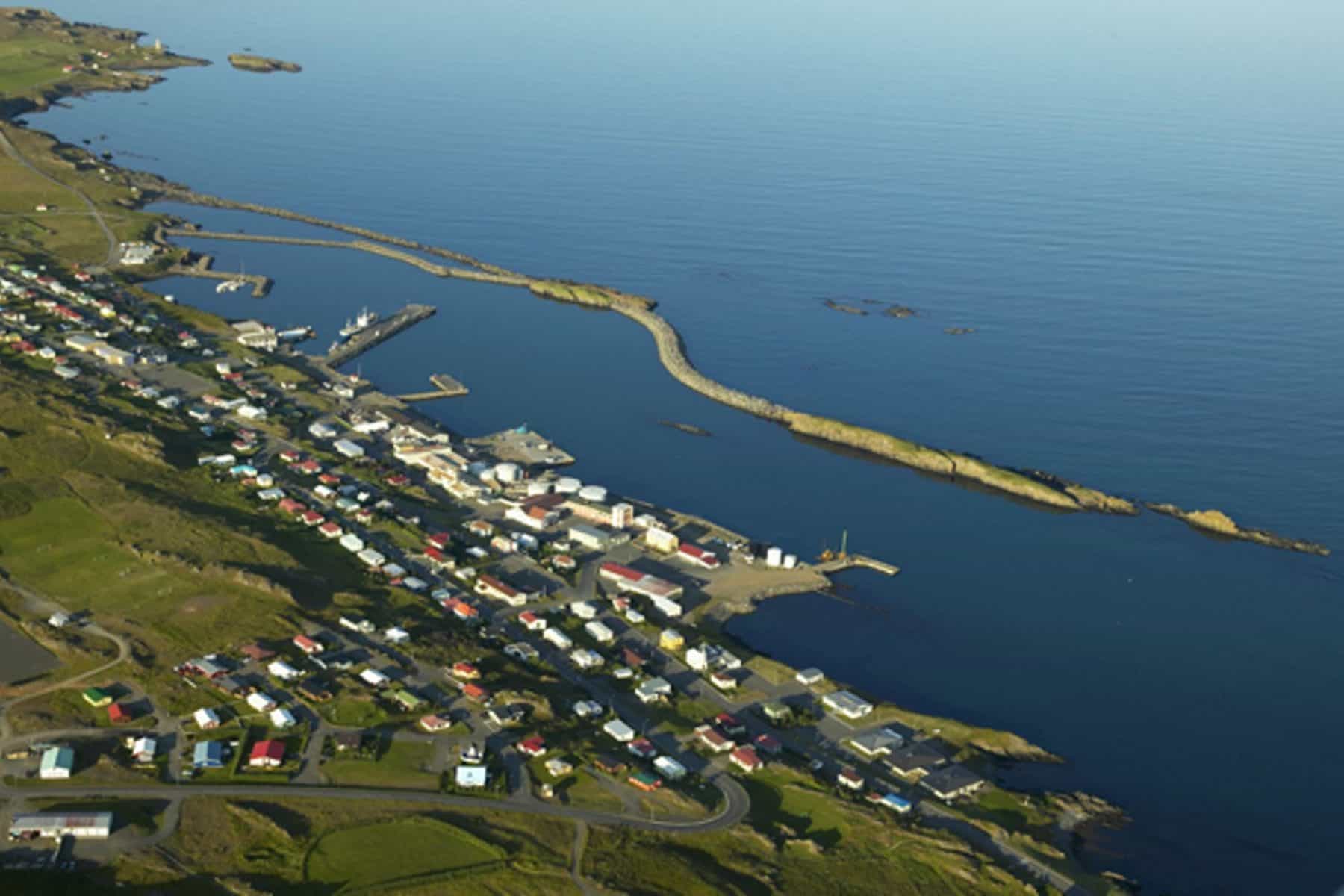 From Borgarfjörður to Vopnafjörður, taking the scenic route, it’s 133km/82.6 miles. The drive usually takes about 2.5 hours, but it’ll probably take an extra hour because you need to drive carefully, make a few stops to take pictures. And those photo shoots might take longer than you anticipate.
Vopnafjörður is another village that has everything you might need for your camper van trip. Stores, gas stations, camping with everything, a swimming pool, (or two, if you count Selárdal swimming pool which lies north of the village and is situated on the banks of the river Selá. See the map). There is also a museum to remember the people who fled to Canada and the US after the huge volcano Askja erupted in 1875.
You’ll find the campsite in the middle of town so you can walk to everything in the village.
Bakkafjörður
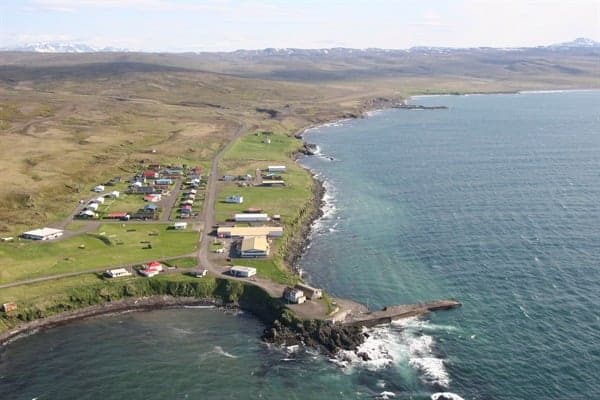 The last village in our East Iceland travel guide is Bakkafjörður, a small fishing village with 72 inhabitants. The main source of income here is the fishing industry. If you want to try out sea angling, rumors has it that it’s easy to get any of the local fishermen to take you out on the wate. If you continue along the coastline to the east, you’ll come to a lighthouse that has excellent views and the hike there is quite lovely! Around the harbor you’ll find information boards about historical events that have taken place in the area.
The campsite has all the basics and is within walking distance to everything you need, including the indoor pool the locals like to use.
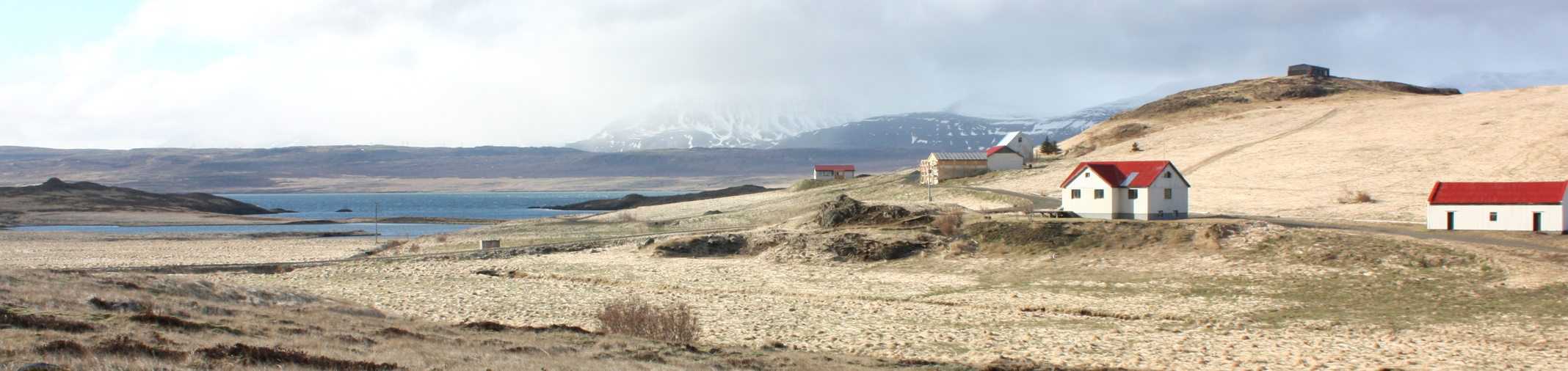
Conclusion
If you choose to visit the East Iceland locations listed here, it’s a 622km/386.5 miles ride from Höfn to Bakkafjörður. The distance to and from Reykjavik is not in these numbers. If you are in Bakkafjörður, it is faster for you to drive the north route, passing Akureyri when going back to Reykjavik. It’s at least an 8-hour trip, according to the Icelandic road administration.
Like all parts of Iceland, the eastern part offers so much more when one ventures off the Ring Road. While there are a few unpaved roads, they are not a problem. Just travel at a safe speed and do not park in the middle of the road to take pictures of the many stunning scenes you will encounter. The places we have listed are not even close to a full list. You will discover your own Iceland.
 UPDATE
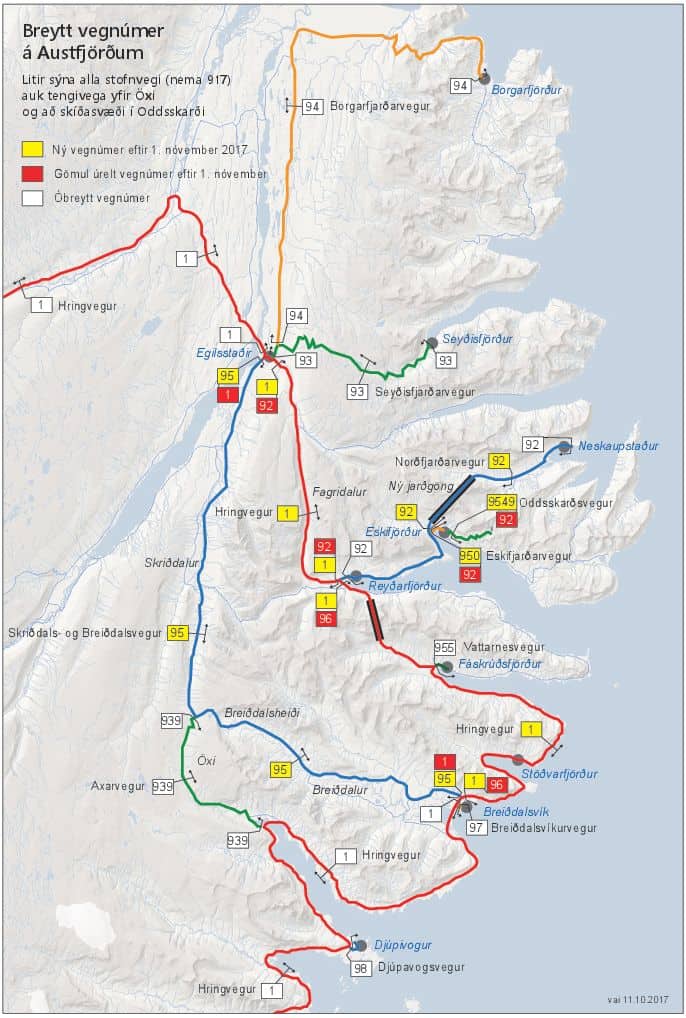
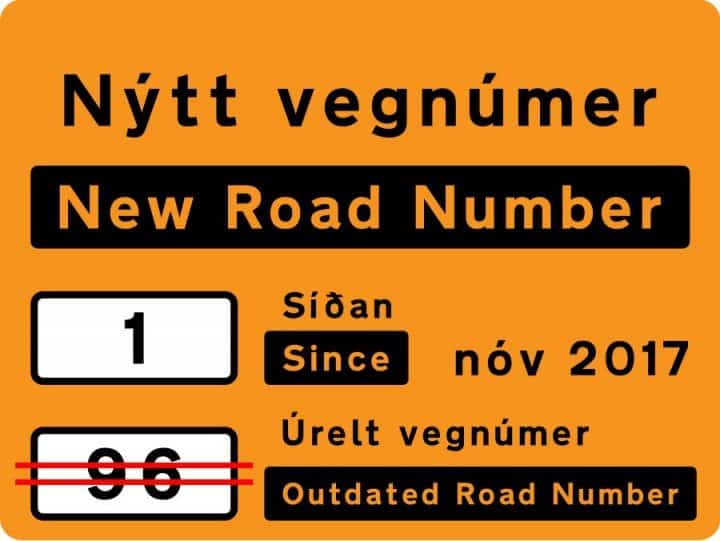 The Ring Road has changed paths and is now the Old Road Number 96. The big change is to lower the elevation as the old Ring Road route took the drivers up on Breiðdalsheiði, where winter weather causes problems. The new Ring Road takes you along the ocean and will make winter travel much more stable.
The Icelandic Road and Coastal Administration is hoping this change will stop tourists from trying to pass Breiðdalsheiði when the mountain passes are closed by a gate and signs.
Happy Camping!


Iceland Travel Guides
If you like what you see, please subscribe to our YouTube channel!
East Iceland FAQ
East Iceland is definitely worth visiting. It is full of beautiful natural features including stunning coastlines, incredible fjords, and friendly villages
East Iceland stretches from Bakkafjordur in the north to Hofn in the south. The largest city in the region is Egilsstaðir. East Iceland is also home to Seyðisfjörður, where the only passenger and vehicle ferry between Europe and Iceland lands.
How many days do you need to explore East Iceland?
Most travelers should plan for 3–5 days to explore East Iceland at a relaxed pace. That gives you enough time to enjoy the fjords, stop in villages like Seyðisfjörður and Djúpivogur and take scenic drives without rushing. If you want to add hikes or detours like Borgarfjörður Eystri or Vopnafjörður, plan closer to a week.