
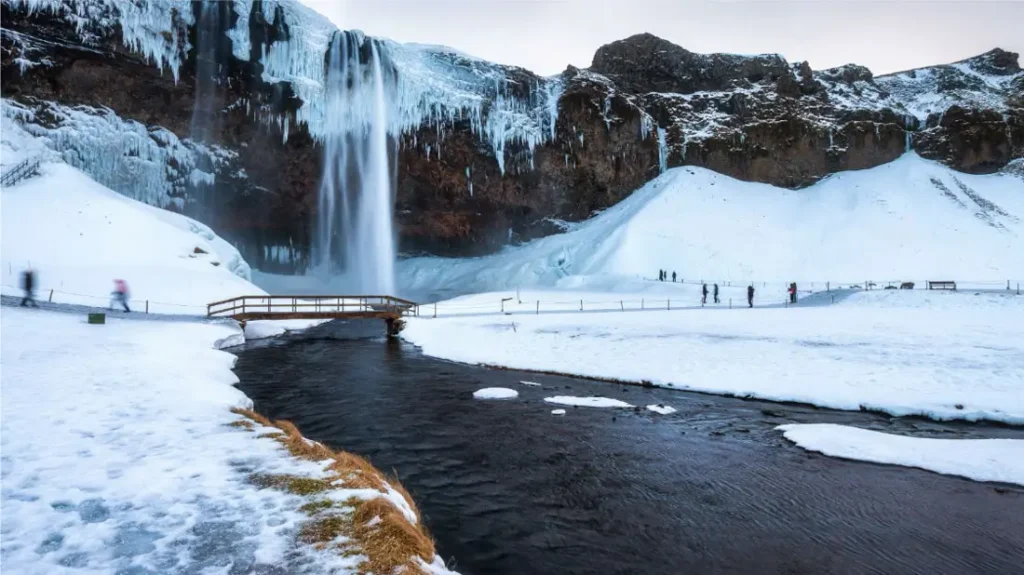
Iceland in January is a good choice if you want winter landscapes, dark evenings for Northern Lights viewing, and a slower trip with room to adapt. The trade-off is limited daylight and changeable weather, so keep driving days short, check official information daily, and treat your route as flexible. On the bright side, with sunrise around 11 am, there’s no need for early alarms, and you can often watch the sun come up over breakfast or on your morning drive.
Iceland in January at a Glance
| January period | Approx. daylight | Planning implication |
| Early January | Around 11:20 am – 3:45 pm (just over 4 hours) | Keep one main daytime activity and allow extra time to return. |
| Mid-January | Around 11:00 am – 4:15 pm(just over 5 hours) | A short self-drive day can work if conditions support it. |
| Late January | Around 10:25 am – 5:10 pm (just under 7 hours) | Head to your furthest stop first and return before dark. |
Is January a good time to visit Iceland?
Yes, provided you plan around winter rather than trying to fit a summer itinerary into shorter days. January works particularly well for travelers who are happy to base themselves around Reykjavík or the South Coast, book winter activities in advance, and choose a quieter day when the weather changes the plan. Once the New Year visitors have gone home, you’ll also find fewer crowds at popular stops like Þingvellir and Seljalandsfoss, and camper van rental rates are typically lower than in the summer months.
January isn’t the month for a fixed, fast Ring Road schedule. If your trip depends on driving a long distance every day, seeing every region, and never changing course, January probably isn’t the best option for you.
Iceland in January: Pros and Cons
As with any month in Iceland, January comes with perks and drawbacks, but which is which depends entirely on what you’re hoping to get out of the trip.
What January does well
• Long, dark evenings can give you time to look for the Northern Lights when skies are clear.
• Winter-only activities, including guided natural ice-cave tours, are in season.
• You can build a memorable short trip around Reykjavík, the Golden Circle, or a weather-appropriate part of the South Coast.
• A slower itinerary can leave time for geothermal pools, museums, cafés, and photography.
• You can catch local traditions, like the bonfires and fireworks of Þrettándinn on January 6, which mark the end of the Christmas season. From late January, Þorri season begins, and some Reykjavík restaurants serve þorramatur, the traditional midwinter feast of cured and fermented foods.
What requires more planning
• Daylight is short, especially at the start of the month.
• Wind, rain, snow, ice, and poor visibility can all affect driving plans.
• Not every route or attraction is practical on every day.
• You need to check weather, warnings, and road conditions before setting out.
• Strong gusts can catch a car door and bend it back on its hinges. Park facing into the wind and hold the door firmly when opening it, as wind damage is often excluded from rental insurance.
What Is the Weather Like in Iceland in January?
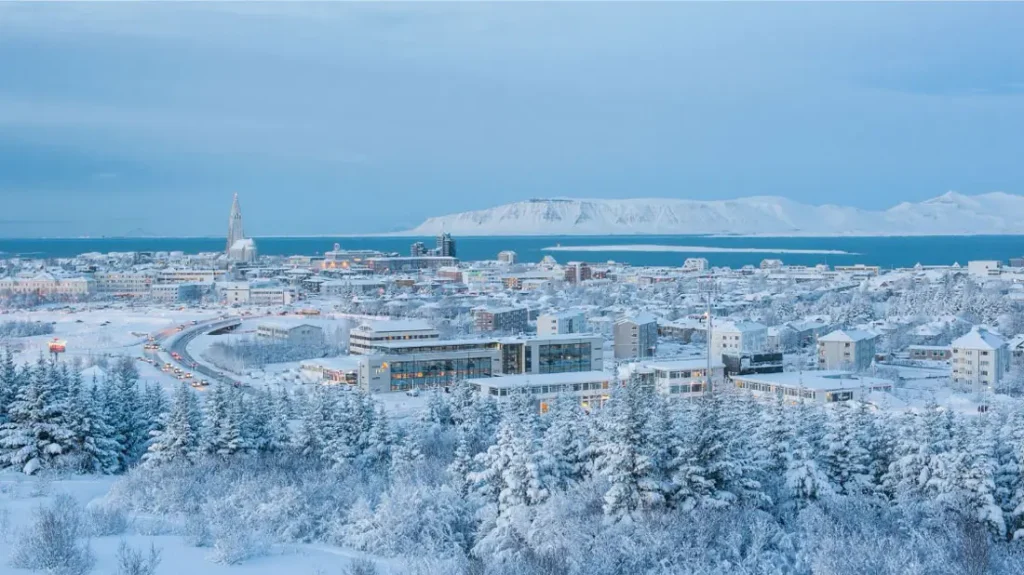
January weather is variable. As Icelanders like to say, if you don’t like the weather, wait five minutes. Coastal areas can sit close to freezing, but the temperature alone does not tell you how the day will feel. Wind, rain, wet snow, and visibility often have a bigger effect on a drive or walk than the number on the forecast.
Pay particular attention to wind speed, which Icelandic forecasts give in meters per second (m/s). In a high-sided vehicle like a camper van, anything above 15 m/s calls for extra care, and gusts over 20 m/s can make driving dangerous.
Conditions also vary across the country. Reykjavík and the southwest may have a very different day from the Eastfjords or the north. Pack and plan for wet, windy conditions even if the forecast looks mild, and don’t use one region’s forecast to make a decision about another.
| Typical January Conditions | South/Southwest (Reykjavík) | North (Akureyri) |
| Average temperature | Around 0°C to 1°C (32°F to 34°F) | Around -3°C to 0°C (27°F to 32°F) |
| Typical daytime high | 2°C to 4°C (36°F to 39°F) | 1°C to 3°C (34°F to 37°F) |
| Typical overnight low | -2°C to 0°C (28°F to 32°F) | -8°C to -2°C (18°F to 28°F) |
| Snowfall | Comes and goes; often mixed with rain and sleet, and settled snow cover rarely lasts | Mostly snow; settled cover through the month, sometimes reaching 50 cm (20 in) |
| Rainfall / total precipitation | Roughly 75 to 85 mm (3 to 3.3 in) over 15 to 20 days; mostly rain and sleet | Roughly 60 to 70 mm (2.4 to 2.8 in) over 14 to 22 days; mostly snow |
| Wind | Often strong and gusty, with frequent gales and stormy spells; wind chill makes it feel colder than the thermometer says | Generally calmer day to day, but strong winds and whiteouts can occur during northerly storms |
For longer-term climate context, use the Icelandic Meteorological Office’s climatological data. For your actual trip, use its current forecasts and warnings instead. To see how January compares with the rest of the year, read our guide to Iceland’s weather by month.
How Many Hours of Daylight Does Iceland Get in January?
Reykjavík gains daylight steadily through January, from around four and a half hours at the start of the month to nearly seven hours by the end, but your sightseeing window remains short. Sunrise and sunset are location-specific, and mountains, cloud, and road conditions can make the useful driving window feel shorter. Days are noticeably shorter in the north, so allow for less daylight if you’re heading toward Akureyri.
There’s a bonus, though. Twilight lasts around an hour before sunrise and after sunset, giving you usable light beyond the official times. And because the sun stays low all day, you get soft, golden light for hours, rather than the brief golden hour you’d get at home.
Use the brighter hours for your furthest stop, then leave the evening open for Reykjavík, a geothermal pool, dinner, or an aurora attempt. Don’t plan an itinerary that relies on arriving at an unfamiliar viewpoint in the dark.
Can You See the Northern Lights in Iceland in January?
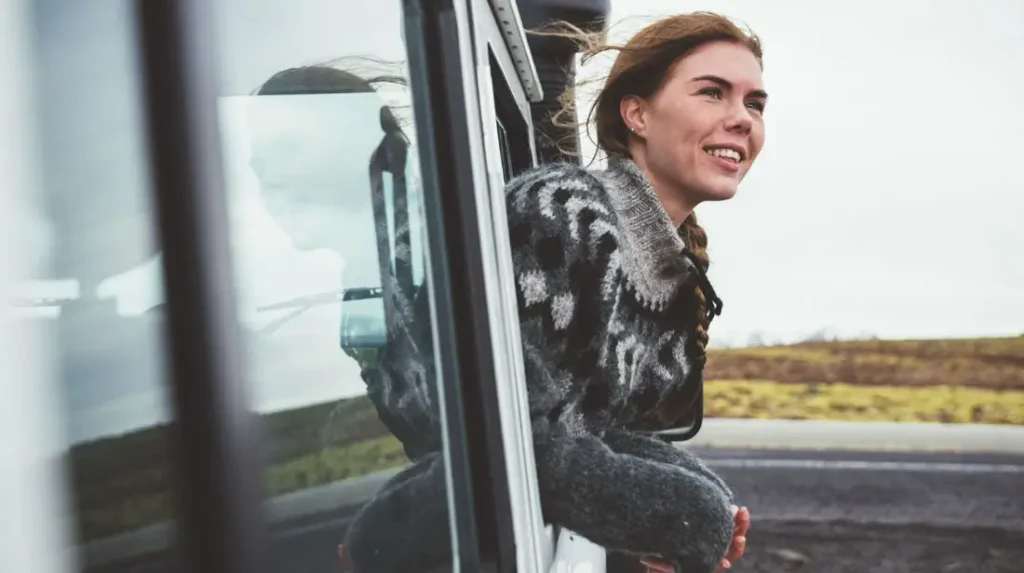
Pack for changeable weather rather than one temperature. You will be warmer and more comfortable if you can adjust layers through the day.
Bring:
• A waterproof outer layer and waterproof pants.
• Thermal base layers, ideally merino wool, which stays warm even when damp.
• Warm mid-layers, including a fleece or insulated jacket.
• Waterproof footwear with good grip.
• Ice cleats or microspikes that slip over your shoes, as paths at waterfalls and viewpoints are often icy.
• Gloves, a warm hat, and warm socks.
• A headlamp for dark mornings, evenings, and aurora nights.
• A swimsuit and towel for geothermal pools.
• Sunglasses. Low winter sun can be bright, especially with snow or wet roads.
A dry bag or spare socks can also make a wet-weather day much easier. If you are visiting an ice cave or taking a guided winter activity, check the operator’s packing advice before you go. For a full checklist, see our Iceland camping packing list.
Best Things to Do in Iceland in January
January suits a flexible, weather-led itinerary. Daylight is short and conditions change quickly, so the best activities are ones you can book in advance with a guide, or swap for an alternative when the forecast turns. The ideas below cover guided winter experiences, evening aurora plans, scenic day trips, and easy indoor or geothermal options, so you always have a good plan B.
Take a guided ice-cave tour
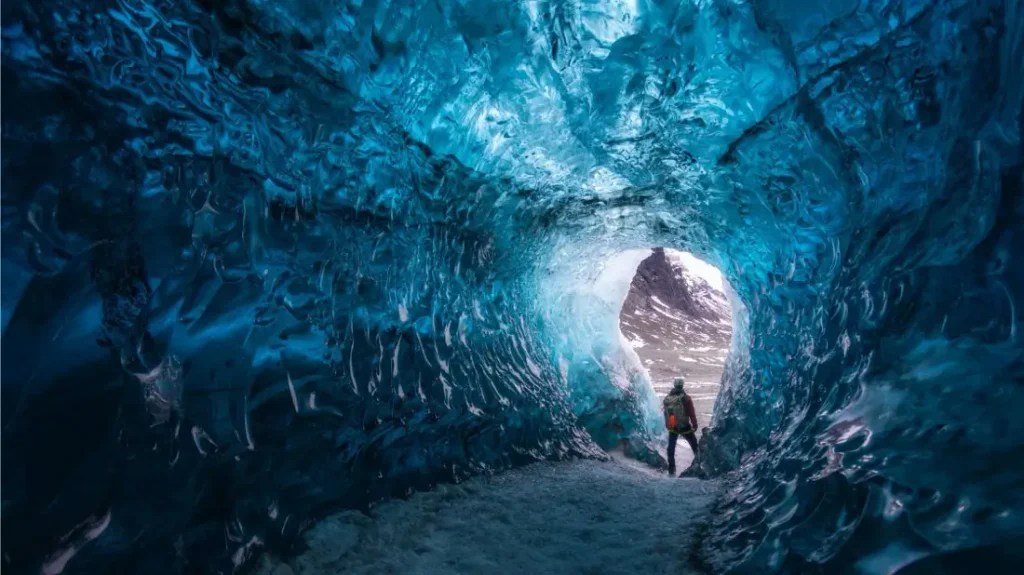
Natural ice caves can only be visited with a qualified guide, and in Vatnajökull National Park, tours run from October to April. Book a guided tour, follow the operator’s equipment and meeting-point advice, and check current access before you travel. For the classic blue ice, most tours meet near Jökulsárlón, about five hours’ drive from Reykjavík, so plan to stay nearby the night before. Skaftafell campsite stays open year-round and makes a practical base. If that’s too far, the Katla ice cave near Vík is about two and a half hours from Reykjavík. Its ice is streaked with dark volcanic ash rather than bright blue, but it fits easily into a shorter South Coast trip. Whichever you choose, avoid booking it on your arrival or departure day, so you have room to rebook if the weather changes the plan. Our ice caves guide explains the season and why conditions decide what is possible.
Plan Northern Lights evenings, not a fixed “chase”
Keep your evenings flexible. Check the aurora and cloud forecasts, build in more than one possible night, and accept that the right decision may be to stay in Reykjavík when cloud or weather does not support a drive.
Explore a weather-appropriate part of the South Coast or Golden Circle
Both can work well in January, but neither is a promise. Choose your route on the day after checking official road and weather information. One or two stops done comfortably are better than an overfull list that leaves no margin for conditions. On the Golden Circle, the Secret Lagoon at Flúðir is a relaxing stop on a cold day, and the tomato soup lunch at Friðheimar greenhouse is a local favorite. Book Friðheimar ahead, as it fills up even in winter.
Visit a geothermal pool or spa
A hot spring, pool, or spa can make a good winter day when a long drive is not appealing. Check the venue’s current opening details and booking rules before you go, particularly if you are visiting during a busy period. For a more local experience than the big-name lagoons, try a public pool like Vesturbæjarlaug or Sundhöllin in Reykjavík. They cost a fraction of the price, and the hot tubs are where locals catch up on the day’s news.
Spend time in Reykjavík
Reykjavík is not merely a backup plan. It gives you museums, food, cafés, pools, and a useful base for guided winter activities. It is also the sensible choice when conditions make a long driving day unsuitable. The Reykjavík City Card covers entry to many museums and public pools, as well as city buses, so it can save money on a wet-weather day. Our guide to Reykjavík breaks down all there is to do and see.
Photograph winter landscapes safely
January light can be soft and low for much of the day. Use established viewpoints, stay behind barriers, and do not walk onto ice, beaches, or exposed areas simply for a photo. Take particular care at Reynisfjara black sand beach near Vík, where powerful sneaker waves can surge far up the shore without warning. Check the warning lights at the entrance and stay well back from the water. Let the weather and daylight decide the shot.
A Realistic 3-5-Day Iceland Itinerary for January
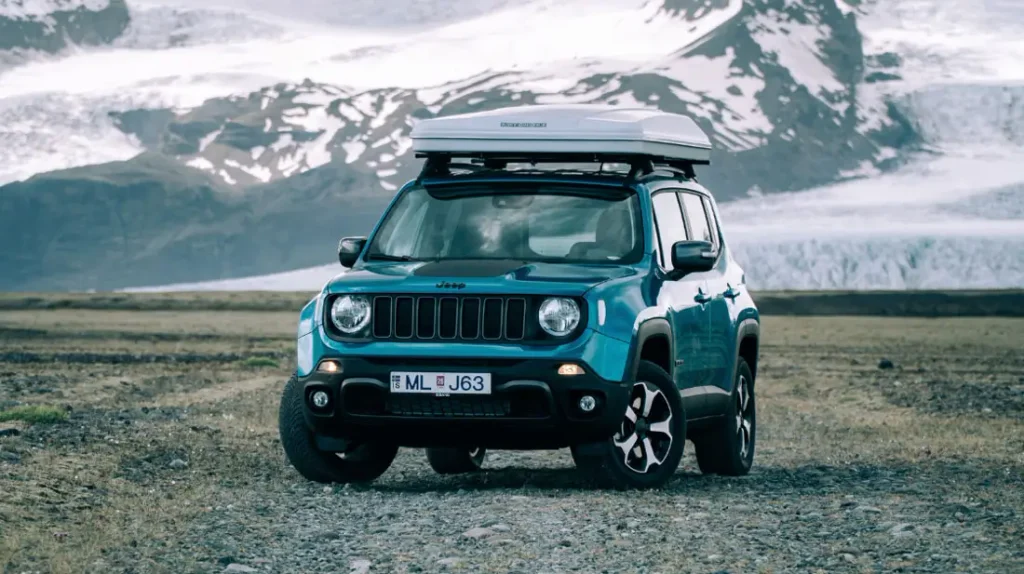
Day 1: Arrive, settle in, and keep the plan local. If conditions are good, take a short walk in Reykjavík or visit a geothermal pool. After a long flight, a soak in one of the city’s public pools is an easy way to shake off jet lag.
Day 2: Choose either a guided Golden Circle day, or, if official road and weather information supports it, a short self-drive route. Þingvellir, Geysir, and Gullfoss are all within around two hours of Reykjavík.
Day 3: Head along the South Coast to Vík, stopping at Seljalandsfoss and Skógafoss on the way. Take a guided tour of the Katla ice cave, then spend the night nearby. The campsite at Skógar stays open in winter.
Day 4: Keep this as a flexible day. If conditions are good and you have the full five days, continue east toward Jökulsárlón for a Vatnajökull blue-ice cave tour the next morning, staying overnight at Skaftafell. Otherwise, return toward Reykjavík, use the day for a weather-appropriate short excursion, or take a second chance at an activity affected by conditions.
Day 5: Use any remaining time for a local stop before departure, rather than attempting a long detour. The Blue Lagoon is around 20 minutes from Keflavík Airport, making it a good final stop, but book a time slot that leaves plenty of margin before your flight.
This is a guide, not an iron-clad plan. A January itinerary should be easy to reduce, reorder, or replace with a guided trip. With only three days, focus on Reykjavík, the Golden Circle, and a South Coast day, and save the ice caves for a longer trip.
Who Is Iceland in January Best For?
January in Iceland rewards a certain kind of traveler: one who values flexibility over a packed schedule and is happy to let the weather shape the plan. Whether you’re visiting for the first time, chasing the aurora, or traveling with family, the groups below show who tends to get the most from a winter trip and how to set it up.
First-time visitors
January can be a good fit for first-time visitors who keep the trip simple, choose a practical base, and are willing to adjust the plan. A short route and a guided activity can give you a fuller experience than a rushed self-drive loop. The Golden Circle and the South Coast as far as Vík pack in many of Iceland’s best-known sights within easy reach of Reykjavík.
Northern Lights and winter photography
January is one of the best months for photography in Iceland. With up to 20 hours of darkness, you get plenty of chances to see the aurora over snow-covered mountains and lava fields, while the low sun bathes frozen waterfalls and glacier landscapes in soft, golden light for hours at a time. Let the forecast lead: build more than one possible aurora evening into your trip, and be ready to head out when the sky clears. Bring spare batteries, too, as the cold drains them quickly.
Families and cautious drivers
A Reykjavík base, guided day tours, and shorter transfers are often the comfortable choice. If winter driving feels like a source of stress rather than part of the trip, you don’t need to force it. Reykjavík’s public pools are a hit with kids, with water slides and warm shallow areas, and Perlan’s man-made ice cave is an easy indoor taste of a glacier.
Frequently Asked Questions About Iceland in January
Is Iceland worth visiting in January?
Yes. It is a strong month for winter scenery, ice-cave tours, geothermal pools, and Northern Lights attempts, provided you accept short days and flexible plans.
Is January the coldest month in Iceland?
January is one of Iceland’s coldest months, but coastal temperatures often remain close to freezing (32°F). Wind and precipitation can matter more to comfort and driving conditions than the temperature alone.
How much daylight does Iceland get in January?
In Reykjavík, daylight grows from roughly four and a half hours at the start of the month to nearly seven hours by the end. Your exact daylight window depends on location and date.
Can you see the Northern Lights in Iceland in January?
You can, but a sighting depends on clear skies and solar activity. Check the aurora forecast and do not treat any one evening as guaranteed.
Are ice caves open in January?
Yes. In Vatnajökull National Park, natural ice cave tours run from October to April, and the Katla ice cave near Vík is open year-round. Access depends on conditions and the operator, so check current information before booking travel around a specific cave.
Is it safe to drive in Iceland in January?
It can be, when the day’s road and weather conditions support it and you drive within your experience. Check official road information and weather warnings before every journey, and change the plan when needed.
Do I need a 4×4 in Iceland in January?
Not for every trip. Choose a vehicle based on the route, current conditions, rental terms, and your winter-driving confidence. A 4×4 does not make an unsuitable road suitable.
Are F-roads open in Iceland in January?
No. Highland roads close for the winter and usually don’t reopen until June or July, so do not include F-roads or the Highlands in a January self-drive itinerary.
What should I wear in Iceland in January?
Wear warm layers under a waterproof outer layer, with waterproof footwear, gloves, a hat, and warm socks. Ice cleats are useful for slippery paths. Bring a swimsuit for pools and sunglasses for low winter sun.
Can I do the Ring Road in January?
A full Ring Road trip is not the best fit for a short January visit. The route is around 1,322 km (821 miles), so in winter, allow at least 10 days. If you have more time, build in substantial flexibility and follow official information every day.
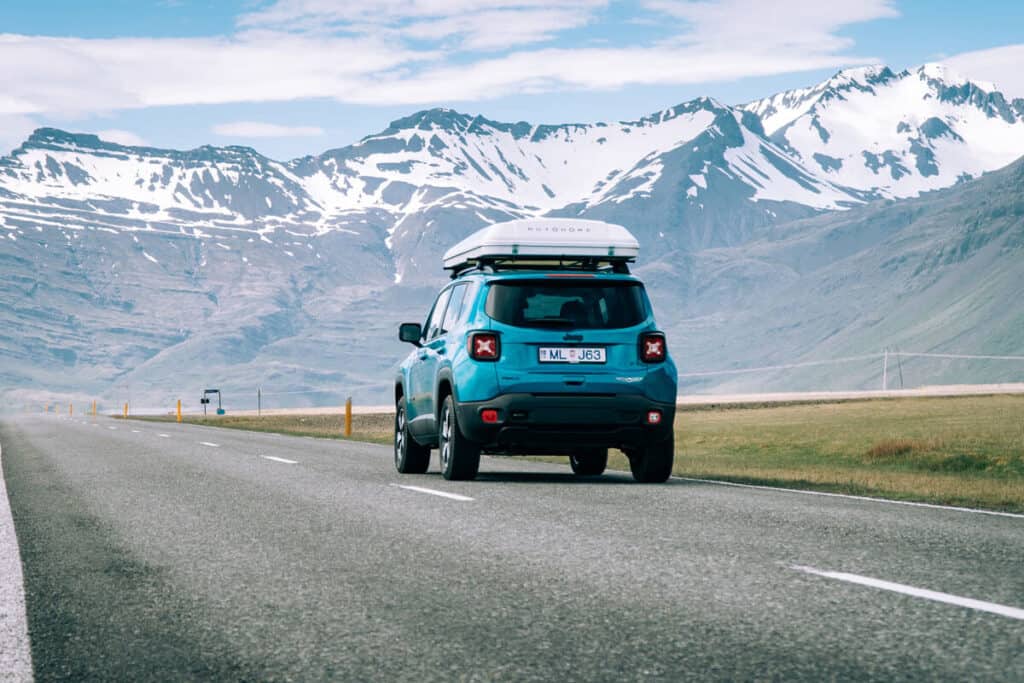
Iceland in January rewards a flexible plan. Keep the route modest, check conditions before every drive, and leave space for the experiences that fit the day. When you are ready to choose a vehicle, compare camper vans for your January route.