
Iceland continues to grow as a tourist destination, with visitors arriving year-round from all over the world. While visiting Iceland is an unforgettable experience filled with natural wonders, Icelandic nature and breathtaking landscapes, it’s also important to understand local rules, customs and common sense travel etiquette.
From driving conditions and geothermal areas to public pools and rural Iceland, there are a few things travelers often get wrong. This guide covers the top things not to do in Iceland so you can travel safely, respect the natural environment and make the most of your trip, whether you’re exploring the Golden Circle, the south coast or heading into more remote areas.
1. Don’t visit the blue lagoon without booking ahead
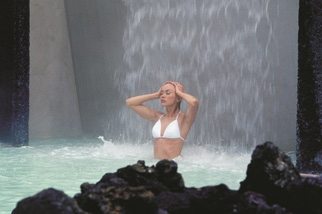 If you’re planning to visit the Blue Lagoon or another popular geothermal spa, don’t assume you can show up without a reservation. Due to high demand, advance booking is required for the vast majority of geothermal pools, including Sky Lagoon.
Book online ahead of time. Most camper vans offer WiFi, making it easy to plan as you go. If your schedule is flexible, consider visiting lesser-known hot springs or geothermal pools to avoid crowds while still enjoying Iceland’s geothermal areas
Read More: www.bluelagoon.com
2. Don’t skip showering before swimming
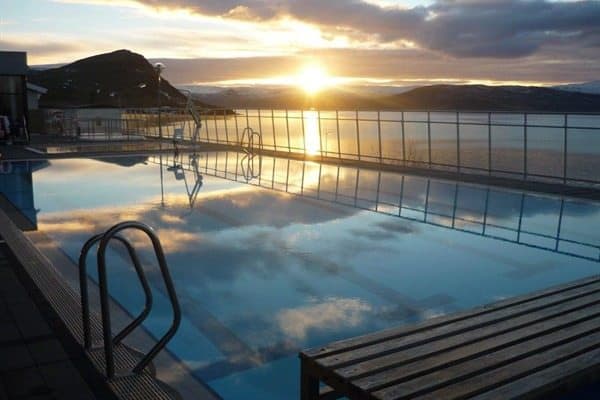
Before entering public pools or geothermal pools, you must shower completely naked using soap and water. Most Icelandic pools have private shower stalls, but washing thoroughly is mandatory.
Pool staff actively enforce this rule, and most Icelanders take hygiene very seriously. Skipping this step is considered disrespectful and unhygienic, especially in steam rooms and shared hot springs
Read More: Swimming in Iceland
3. Don’t waste money on bottled water
Tap water in Iceland is among the cleanest in the entire country. Don’t waste money buying bottled water. Bring a reusable water bottle and refill it anywhere.
Avoid drinking glacial water that appears cloudy or white, as it contains sediment. Also avoid warm tap water, which may smell due to geothermal heating. Cold tap water, however, is safe and delicious.
4. Don’t ignore warning signs and road rules
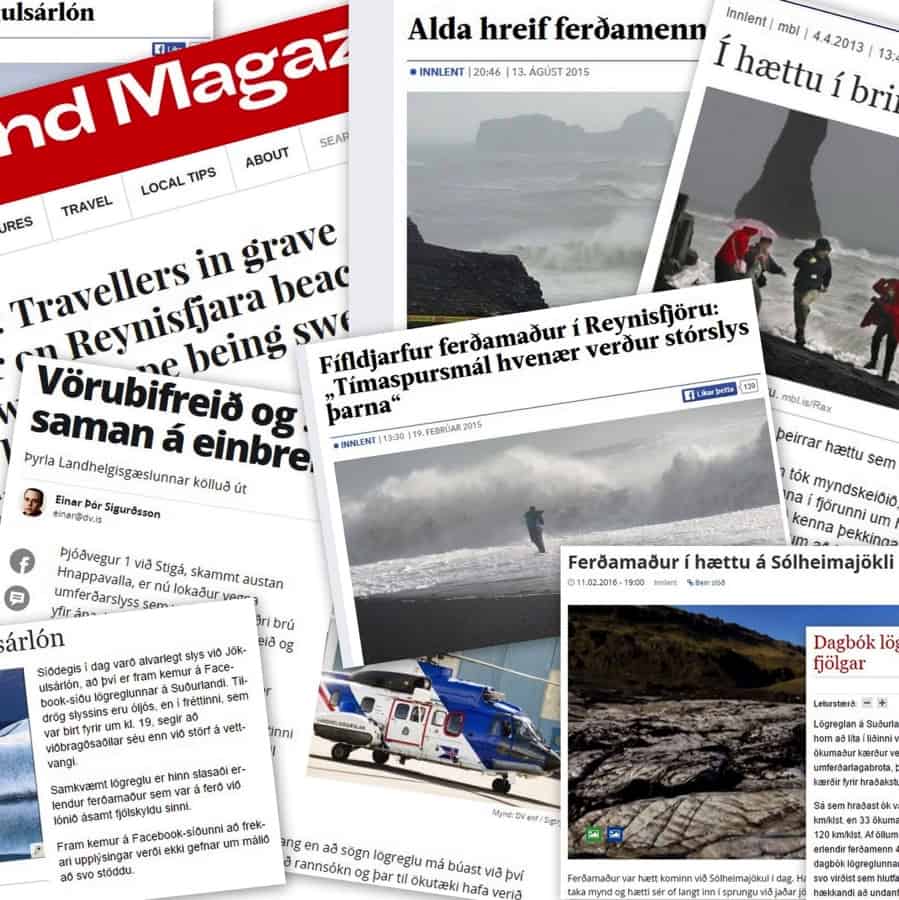
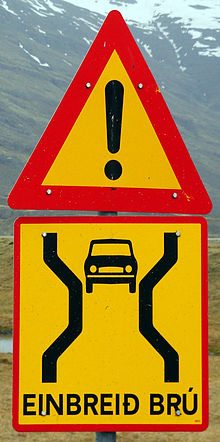
Ignoring warning signs is one of the most dangerous mistakes travelers make. From single-lane bridges to geothermal areas with boiling water beneath a thin layer of ground, signs exist for a reason.
This is especially critical at places like Reynisfjara Beach, where sneaker waves can pull visitors into the ocean. Always stay on marked paths, follow posted signs and check weather and road conditions using Google Maps and official road updates
Read more: Be safe in Iceland
5. Don’t drive off-Road
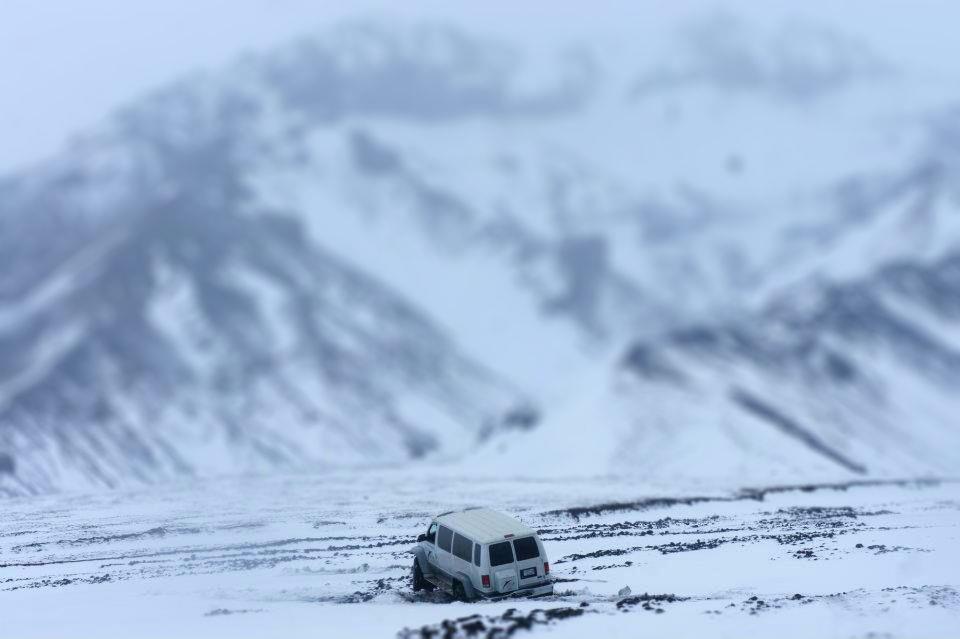 Off-road driving is illegal and causes permanent damage to Icelandic nature, including lava fields and moss-covered terrain that can take decades to recover.
Only a four wheel drive vehicle is allowed on Highland roads (F-roads). A two wheel drive vehicle should never attempt river crossings or rough terrain. If you damage a rental car, insurance from your rental company will not cover water damage.
Choose the proper car based on your route, especially if you plan day trips into rural areas.
6. Don’t assume summer weather means warm weather
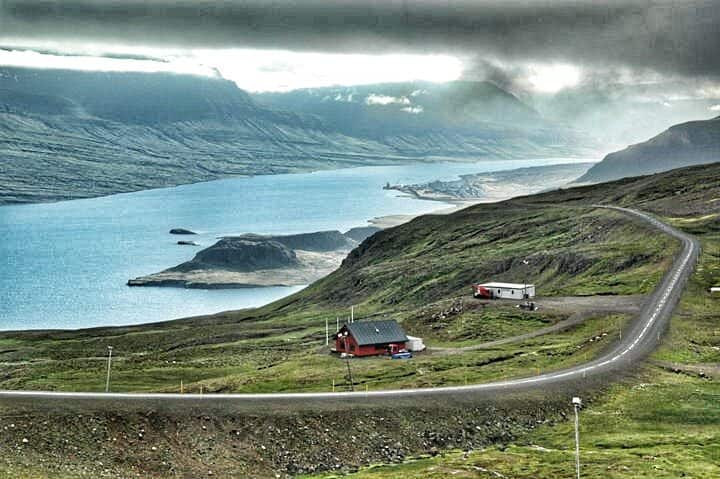 Even during the summer months, Iceland’s weather can change quickly. Sunny skies can turn into wind, rain or fog in minutes. Pack warm clothing, waterproof layers and sturdy footwear even if the forecast looks clear, especially if you’re planning hiking on exposed trails or spending long days outdoors.
Bad weather can roll in fast, particularly in rural Iceland, along the east side and on higher elevation routes. Dressing in layers and keeping rain gear accessible (not buried in your bag) makes it much easier to visit attractions comfortably, stay safe and avoid cutting your day short because you’re cold or soaked.
Read more: Campsites in Iceland
7. Don’t expect to see the northern lights in summer
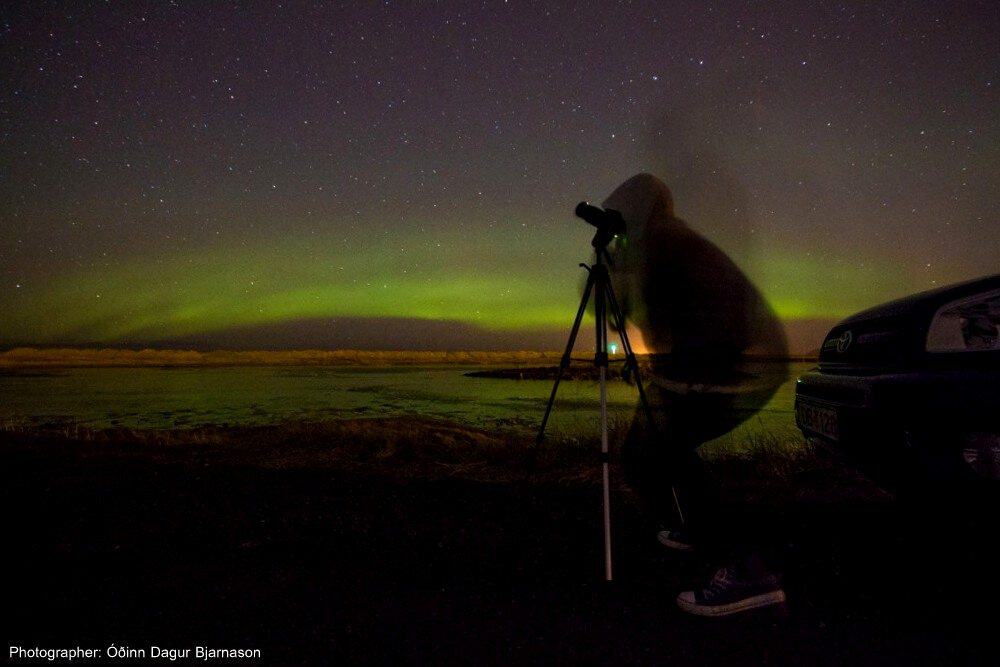
The Aurora Borealis is only visible during the winter months, typically from October through March. If you’re visiting Iceland during summer, don’t plan your trip around northern lights viewing.
Instead, enjoy the midnight sun, scenic drives along the Ring Road and long daylight hours for exploring Iceland’s natural wonders. If you’re traveling during the darker months, check a Northern lights forecast before heading out so you can time your drive for clear skies and stronger activity.
You don’t necessarily need a Northern lights tour if you have a camper van rental, just drive outside towns and villages on clear nights, find a dark spot and look up.
8. Don’t drink and drive

Don’t drink and drive. Period. Iceland has strict drinking and driving laws, with a legal limit of 0.05% blood alcohol content. You can still test over the limit the morning after drinking.
Alcohol is expensive due to high prices and limited availability. Your best bet is to buy drinks duty-free at the airport upon arrival.
Read more: Campsites in Iceland
9. Don’t skip Iceland’s ferries and remote islands
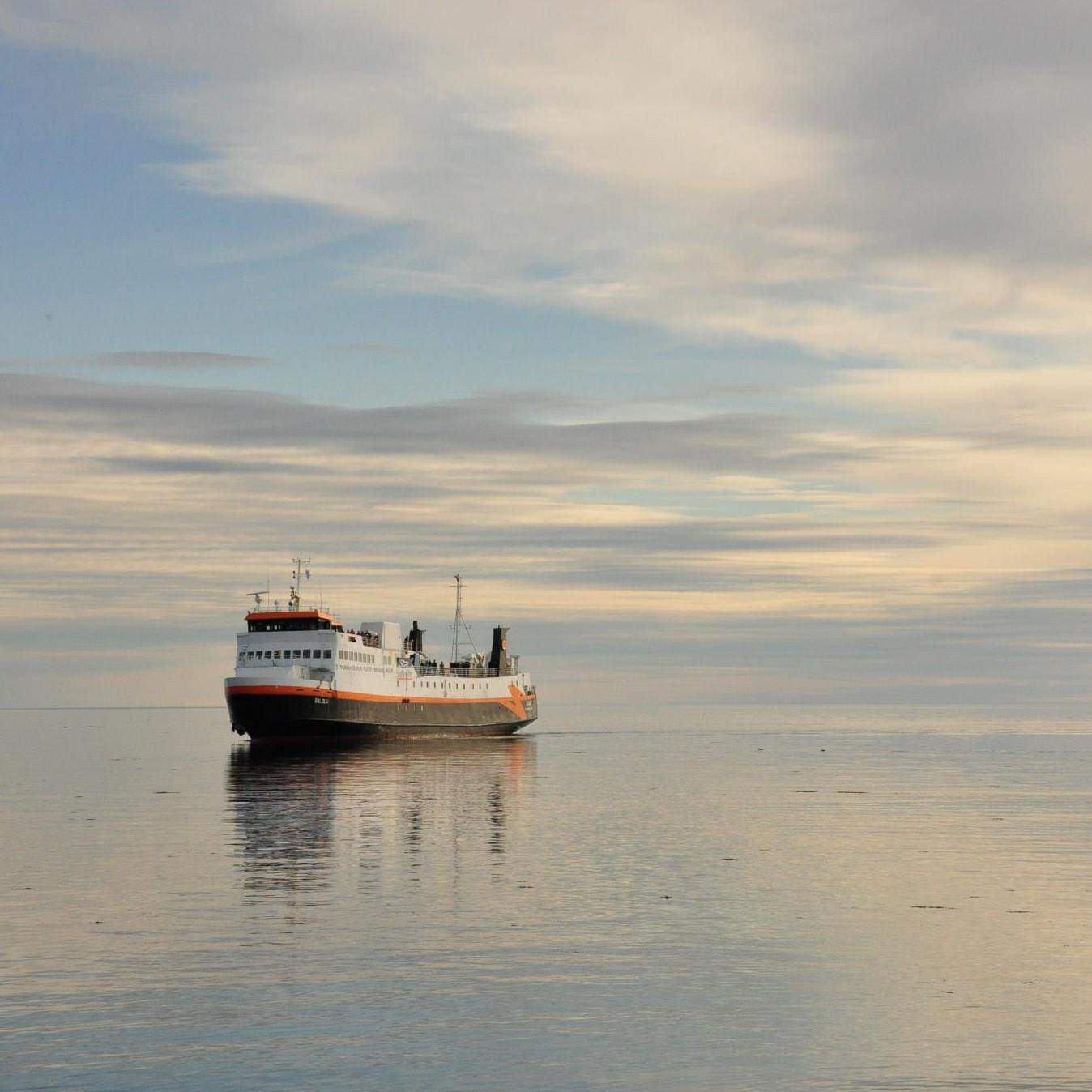
Many travelers focus only on Reykjavik and the Golden Circle, but ferries offer access to incredible remote areas. Consider day trips to islands like Grímsey, where you can cross the Arctic Circle.
Ferries provide a unique way to explore Iceland beyond the mainland and are often overlooked by visitors from other countries.
Read more: Iceland Ferry Travel
10. Don’t drive like the locals
 Driving culture varies, but as a visitor, your priority should be safety. Speed cameras are common, especially outside cities, and traffic laws are strictly enforced. Use turn signals, keep a safe distance and remain patient, especially in a great city like Reykjavik or while navigating rural areas with limited infrastructure.
Keep these tips in mind as you plan your trip. Knowing what not to do in Iceland helps you stay safe, respect the natural environment and make the most of every stop along the way.
Get more tips if you’re planning your first trip to Iceland.
Happy camping!


Iceland Travel Guides
If you like what you see, please subscribe to our YouTube channel!