
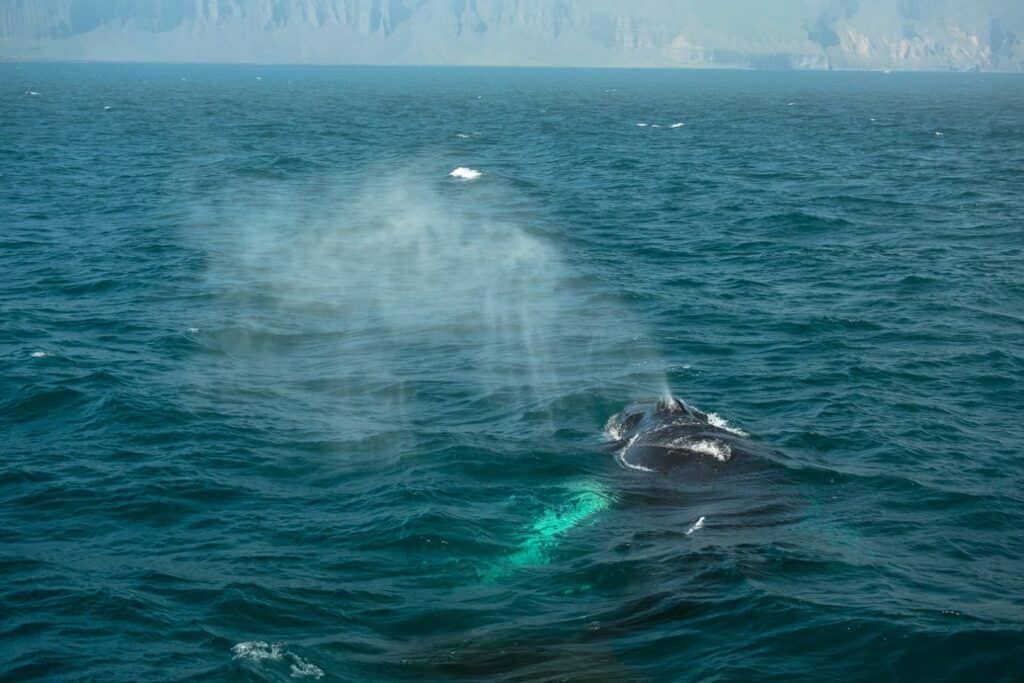
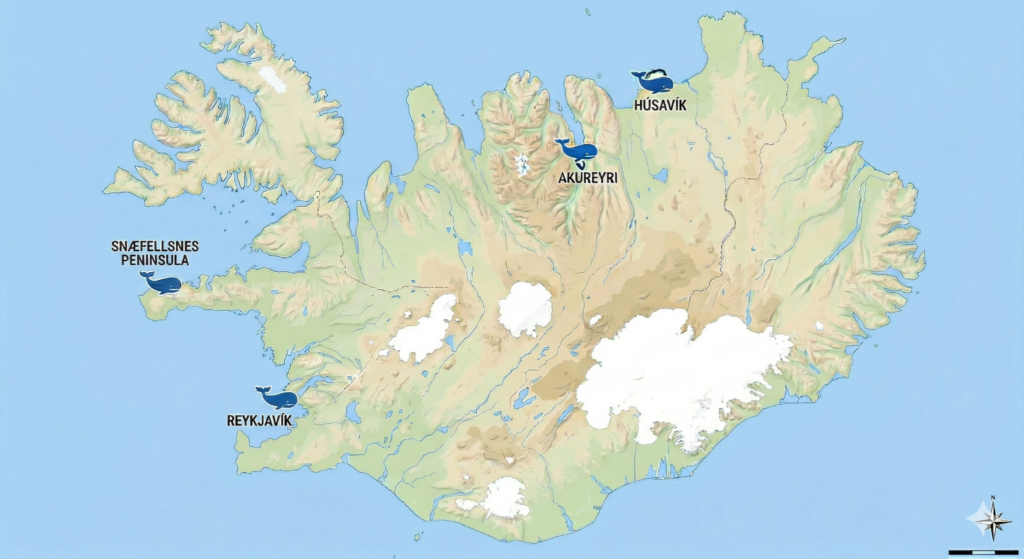
Iceland offers some of the world’s most incredible whale watching experiences, and exploring them by campervan gives you an unmatched advantage. While most travelers visit just one whale watching location, campervan travelers can position themselves strategically along Iceland’s coast, visiting multiple whale watching hubs like Húsavík, Akureyri, and Reykjavík during a single trip. You’ll have the freedom to chase the best sighting conditions, compare tour options across locations, and save significantly on accommodation costs while experiencing Iceland’s magnificent marine wildlife.
This guide covers everything you need to know about whale watching in Iceland, from the best locations and optimal seasons to whale species you’ll encounter and practical campervan travel tips. Whether you’re planning a dedicated whale-focused road trip or adding marine wildlife encounters to your Ring Road adventure, you’ll learn how to make the most of Iceland’s thriving whale watching opportunities.
Whale Watching in Iceland – Quick Guide
- Iceland is home to over 20 whale species with 85-95% success rates in summer. The most commonly seen whales are minke whales, humpback whales, white-beaked dolphins, and harbor porpoises, with occasional orcas and rare blue whale sightings.
- Best locations: Húsavík (Europe’s whale watching capital with highest success rates), Reykjavík (convenient year-round tours from Old Harbour), and Akureyri (family-friendly tours in sheltered fjord). Campervan travel lets you visit all three.
- Optimal season: April-October offers warmest weather, calmest seas, and highest species diversity. Winter (November-March) brings fewer crowds, orcas hunting herring, and Northern Lights viewing from the boat.
- Tour costs vary: 10,000-15,000 ISK ($70-110 USD) for standard 2-3 hour tours, 15,000-20,000 ISK ($120-160 USD) for RIB boat experiences. When traveling by campervan, you save on accommodation costs, making tours more budget-friendly.
Why Iceland is Perfect for Whale Watching
Iceland has earned its reputation as one of the world’s premier whale watching destinations, and the reasons go beyond just the variety of species. The island sits between two major ocean currents in the North Atlantic, creating nutrient-rich waters that attract vast amounts of krill and small fish. These feeding grounds draw whales from around the world, particularly during the warmer months when they migrate to polar regions to feed.
Iceland’s coastal waters are relatively shallow compared to deep ocean areas, which concentrates marine life closer to shore. This geography means whale watching tours don’t need to travel far from the port to reach prime viewing areas. Most tours from Reykjavík, Húsavík, or Akureyri spot whales within 30-45 minutes of departure.
Over 20 different whale species have been documented in Icelandic waters throughout the year. The most frequently seen species include minke whales, humpback whales, white-beaked dolphins, and harbor porpoises. Lucky observers might also spot orcas (especially in winter), fin whales, pilot whales, and occasionally the magnificent blue whale during peak season in June and July.
The long summer days provide another advantage. Iceland’s midnight sun means extended daylight hours for whale watching tours, and the whales themselves are more active when feeding in the bright Nordic summer. In winter, the trade-off for shorter days and colder conditions is the chance to combine whale watching with Northern Lights viewing from the boat – a truly magical dual experience.
Best Whale Watching Locations in Iceland
Iceland offers excellent whale watching opportunities at several coastal locations, each with its own character and advantages. When traveling by campervan, you’re not limited to choosing just one location – you can visit multiple whale watching hubs during your trip, maximizing your chances of diverse encounters and comparing experiences across regions.
Húsavík – Europe’s Whale Watching Capital
Located on the edge of Skjálfandi Bay in northeastern Iceland, Húsavík has earned worldwide recognition as one of the best whale watching destinations on the planet. The town’s reputation is well-deserved: success rates regularly reach 95% or higher during the summer months, and the variety of species is exceptional.
Humpback whales are the most commonly spotted species in Husavík, often feeding close to shore and providing spectacular displays of tail flukes as they dive. Minke whales appear frequently, and blue whales – the largest animals on Earth – are spotted with remarkable regularity between mid-June and mid-July. The bay’s nutrient-rich waters, fed by melting glaciers and mineral-rich rivers, create perfect feeding conditions.
For campervan travelers, Husavík offers excellent positioning on Route 1 (the Ring Road) between Akureyri and Lake Mývatn. The town has multiple campsites within walking distance of tour departure points, and arriving the evening before allows you to secure an early morning tour slot when whales are often most active. Don’t miss the Husavík Whale Museum in town – it’s fascinating and helps you understand what you’re about to see.
Tour operators in Husavík include traditional oak boat companies and faster RIB boat options. The traditional boats offer a more relaxed, comfortable experience with indoor seating and café facilities. RIB boats provide a more exhilarating ride and can reach whale feeding areas faster, though they’re more weather-dependent.
Reykjavík – Convenient Year-Round Whale Watching
Many travelers are surprised to learn that Iceland’s capital city offers some of the best whale watching in the country. Tours depart from Reykjavík’s Old Harbor, just minutes from the city center, making whale watching incredibly convenient for those exploring Reykjavík or starting/ending their Iceland road trip from the capital.
Reykjavík tours venture into Faxaflói Bay, a large body of water between the Snæfellsnes and Reykjanes peninsulas. The bay’s shallow, nutrient-rich waters attract minke whales year-round, along with white-beaked dolphins, harbor porpoises, and humpback whales during summer months. While the diversity may be slightly lower than Husavík, success rates are still excellent at 85-90% in summer.
The major advantage of Reykjavík whale watching is year-round availability. Even in winter, tours operate regularly, giving you the chance to spot whales and potentially see Northern Lights from the boat. Tours typically last 2.5-3 hours, meaning you can easily fit whale watching into a busy day without sacrificing other activities.
For campervan travelers, several campsites are located within easy reach of Reykjavík’s Old Harbor. You can park at designated campsites in the greater Reykjavík area and either drive to the Old Harbor or take public transport. This convenience makes Reykjavík an excellent choice for the first or last day of your Iceland campervan adventure.
Akureyri – Family-Friendly Fjord Tours
Akureyri, Iceland’s largest town outside the capital, offers whale watching tours in the sheltered waters of Eyjafjordur, Iceland’s longest fjord. The protected nature of the fjord means calmer seas and less wave motion compared to open ocean tours, making Akureyri particularly suitable for families with young children, elderly travelers, and those prone to seasickness.
Humpback whales are the stars of Akureyri’s whale watching scene, with regular sightings throughout summer. Minke whales, dolphins, and harbor porpoises also frequent the fjord. While you might see slightly fewer species than in Husavík’s open bay, the trade-off is a more comfortable ride and excellent viewing opportunities in the calm fjord waters.
Akureyri’s location makes it an ideal stop for Ring Road travelers. The town offers more amenities and activities than smaller whale watching ports, so you can easily fill a day or two exploring North Iceland’s largest urban center. Campsites are plentiful, and the town is well-equipped for campervan travelers with service stations, grocery stores (including the budget-friendly Bónus chain), and easy parking near the tour departure points.
Other Whale Watching Locations
While Husavík, Reykjavík, and Akureyri are the main hubs, other locations offer whale watching opportunities for adventurous travelers:
- Snæfellsnes Peninsula (Ólafsvík, Grundarfjörður): Excellent for winter orca sightings when orcas hunt herring in Breiðafjörður Bay. The dramatic mountain backdrop of Kirkjufell adds to the scenery.
- Hauganes (near Akureyri): Small fishing village with family-run whale watching tours. More intimate experience with smaller groups.
- Dalvik (between Akureyri and Husavík): Combines whale watching with visits to puffin islands in summer.
- Westfjords (Ísafjörður): Remote and less touristy, though tours are less frequent and weather-dependent.
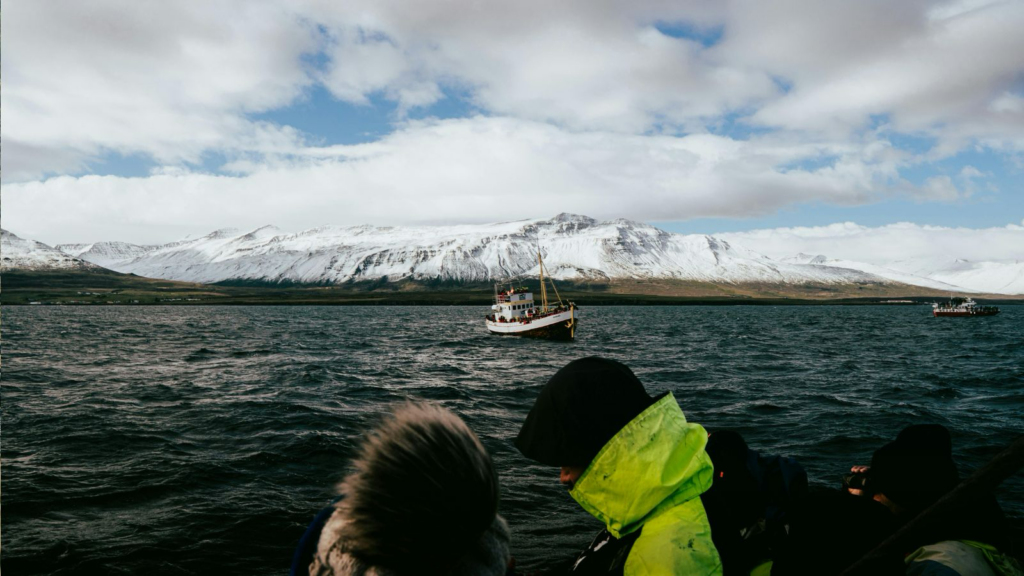
Whale Species You’ll See in Iceland
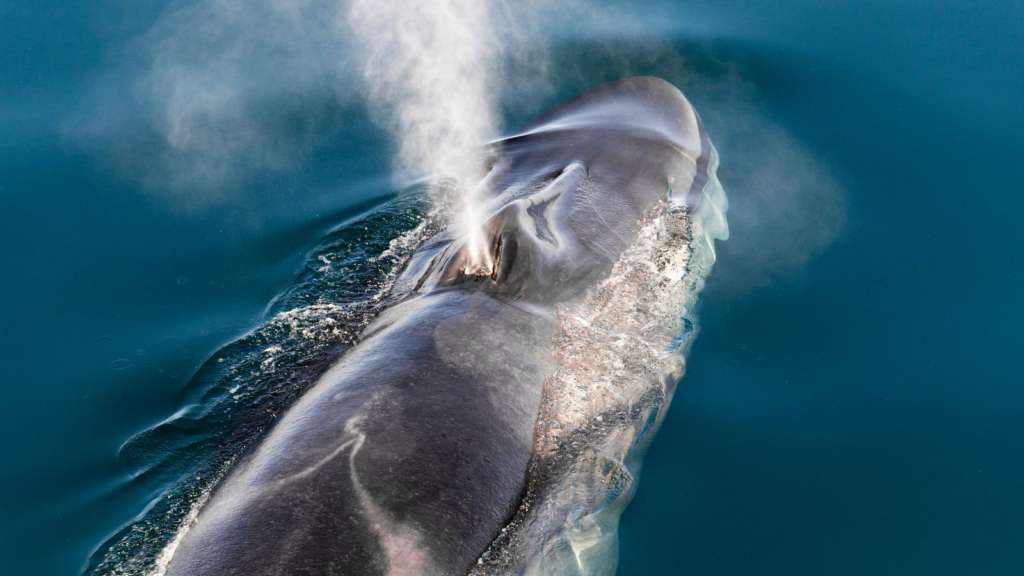
Understanding the whales you might encounter makes the experience even more rewarding. Each species has distinct behaviors, physical characteristics, and seasonal patterns. Here are the whales and marine mammals you’re most likely to spot during your Iceland whale watching adventures.
Minke Whales – Year-Round Residents
Minke whales are the most frequently spotted whale species in Iceland, present in coastal waters year-round. These smaller baleen whales (reaching 7-10 meters in length) are somewhat solitary and can be shy around boats, though curious individuals occasionally approach vessels.
Minkes are streamlined, fast swimmers with a distinctive curved dorsal fin positioned far back on their bodies. They rarely breach or show their tail flukes, making them less dramatic to observe than humpbacks, but their sleek surfacing and occasional close approaches provide memorable encounters. Watch for their characteristic blow (exhale) – a single, vertical spout about 2 meters high.
Humpback Whales – The Acrobats of the Ocean
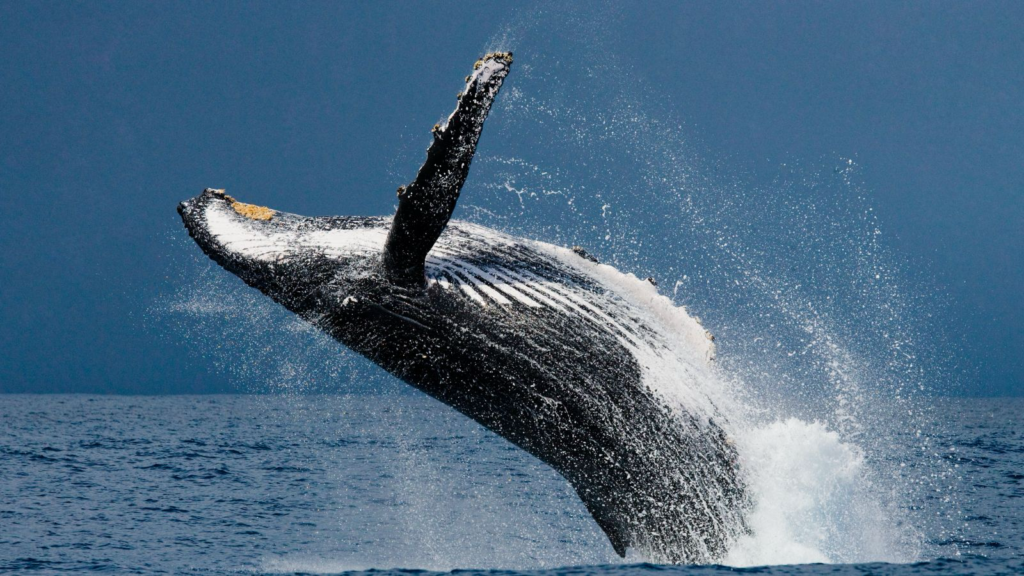
Humpback whales are the stars of Iceland’s whale watching season. These magnificent baleen whales (12-16 meters long, weighing up to 40 tons) are present from April through October, feeding intensively in Iceland’s nutrient-rich waters before their long migration to Caribbean or Cape Verde breeding grounds.
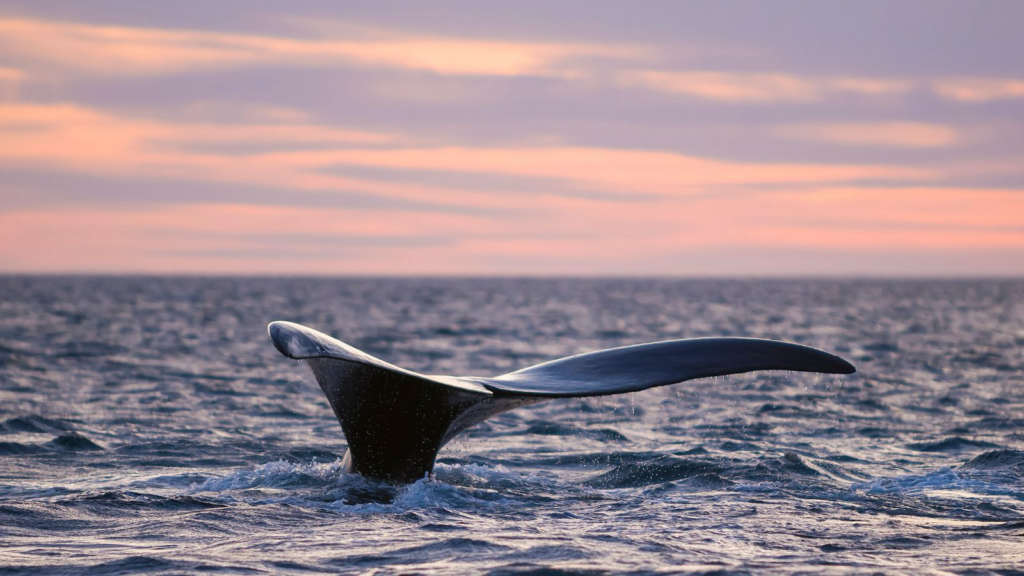
Humpbacks are known for their acrobatic displays. They frequently breach (launch their entire body out of the water), slap the surface with their long pectoral fins, and raise their distinctive tail flukes high in the air before deep dives. Each whale’s tail pattern is unique, like a fingerprint, and marine biologists use these patterns to identify and track individuals.
Watch for bubble-net feeding, a spectacular hunting technique where humpbacks work together to corral fish using columns of bubbles before lunging through their prey with mouths wide open. This behavior is occasionally seen in Icelandic waters and represents one of nature’s most impressive displays of cooperative hunting.
Orcas (Killer Whales) – Winter Visitors
Despite their common name, orcas are actually the largest members of the dolphin family, not true whales. These distinctive black-and-white marine mammals (males up to 9 meters long) are most commonly seen in Iceland during winter months, particularly around the Snæfellsnes Peninsula and in Breiðafjörður Bay.
Orcas follow herring schools that winter in Iceland’s western fjords, and witnessing a pod of orcas hunt cooperatively is an unforgettable experience. They’re highly social animals, traveling in family groups called pods, and their striking appearance – jet black bodies with white eye patches and undersides – makes them instantly recognizable.
While orcas can be seen in summer, winter offers the best chances of encounters. Some tour operators in West Iceland specifically offer winter orca-watching tours, taking advantage of the herring migration that brings these apex predators to coastal waters.
Blue Whales – The Ocean’s Giants
Blue whales are the largest animals ever to exist on Earth, reaching lengths of up to 30 meters and weighing as much as 200 tons. These magnificent creatures are rare visitors to Iceland, but sightings have increased in recent years, particularly in North Iceland waters during June and July.
Blue whales have been spotted most frequently in Husavik and occasionally in Akureyri. They tend to feed in deeper offshore waters but sometimes venture closer to the coast. Their massive size is hard to comprehend until you see one surface – the blow alone can reach 9 meters high, visible from great distances.
Seeing a blue whale is never guaranteed, even during peak season, so consider yourself extremely fortunate if you spot one. Tour guides in Husavík often become visibly excited when blue whales are in the area – it’s a privilege to witness the planet’s largest animal in the wild.
Dolphins and Porpoises – Playful Companions
White-beaked dolphins are frequently spotted in Icelandic waters, often traveling in pods of 5-30 individuals. These energetic marine mammals love to bow-ride (swim in the pressure wave created by boats), providing close-up viewing opportunities and delighting photographers with their acrobatic leaps.
Harbor porpoises are smaller (1.5-2 meters long) and more shy than dolphins, but they’re common in coastal waters around Reykjavík and other sheltered bays. They surface quickly and roll forward when breathing, showing their small triangular dorsal fin. While less dramatic than whale encounters, watching porpoises go about their daily lives offers a different kind of marine wildlife appreciation.
Best Time for Whale Watching in Iceland
Whale watching in Iceland operates year-round, but the experience differs dramatically between summer and winter. Understanding seasonal patterns helps you plan the best whale watching road trip for your interests and tolerance for Arctic conditions.
Summer Whale Watching (April-October) – Peak Season
Summer is the undisputed prime time for whale watching in Iceland. Migratory baleen whales – humpbacks, minkes, fin whales, and occasionally blue whales – spend winters in warmer equatorial waters breeding, then migrate to polar regions for intensive feeding during summer months. Iceland sits in the perfect position to intercept these migrations.
The combination of long daylight hours (midnight sun in June and July), warmer temperatures, calmer seas, and maximum species diversity makes summer ideal for first-time whale watchers and families. Success rates peak at 90-95% across all major whale watching locations. You’ll have the best chances of seeing humpback whales, minke whales, and white-beaked dolphins, with rare opportunities for blue whale encounters in June-July.
From a campervan travel perspective, summer offers maximum flexibility. All roads are accessible (including F-roads with appropriate 4×4 campervans), campgrounds are fully operational, and you can easily combine whale watching with other summer activities like glacier hiking, puffin watching, and waterfall visits. The extended daylight means you can book afternoon whale watching tours and still have hours of light remaining for driving to your next destination.
Peak months are June, July, and August when tourist infrastructure is fully operational, and weather conditions are most favorable. May and September offer shoulder-season advantages – fewer crowds, lower prices, and still-excellent whale sighting rates – making them attractive for campervan travelers seeking quieter experiences.
Winter Whale Watching (November-March) – The Adventurous Option
Winter whale watching in Iceland requires embracing Arctic conditions, but it offers unique rewards that summer tours cannot match. The dramatic reduction in tourist numbers means you’ll often have the boat deck to yourself, with ample space to watch for whales without crowding. Tours that sell out weeks in advance in summer often have immediate availability in winter.
The marine life you’ll encounter shifts in winter. While most migratory baleen whales head south, resident minke whales remain year-round, and orcas arrive to hunt herring in western Iceland’s fjords. White-beaked dolphins and harbor porpoises are still active. Some humpback whales linger through early winter, and occasionally minke whales stay in Icelandic waters throughout the season.
The most magical aspect of winter whale watching is the possibility of seeing Northern Lights from the boat. Several tour operators in Reykjavík offer combined whale watching and Aurora tours, giving you dark skies far from city light pollution. Picture watching the green aurora dance above you while scanning for whale spouts in the moonlit water – it’s an experience that summer simply cannot provide.
Winter campervan travel requires more preparation – shorter days, snow and ice on roads, limited campground availability – but experienced winter travelers find rewards in Iceland’s winter landscapes. If you’re planning winter whale watching, Reykjavík is the most practical base due to year-round tour availability and well-maintained winter road access.
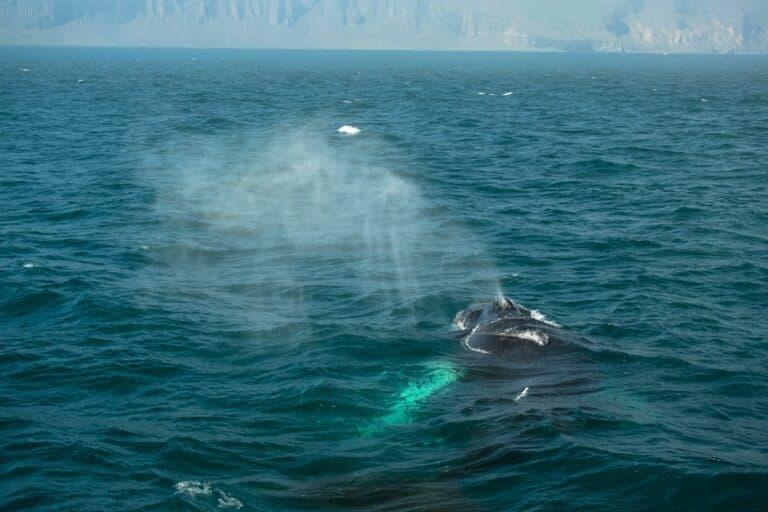
Month-by-Month Whale Watching Guide
- April-May: Transition season with increasing species diversity as migratory whales arrive. Good weather, lower prices, fewer tourists. Excellent time for budget-conscious campervan travelers.
- June-July: Peak season for diversity. Best chances for blue whales in North Iceland. Midnight sun provides extended daylight for combining activities. Expect highest tourist numbers and prices.
- August: Still excellent whale watching with slightly fewer tourists than peak summer. Good weather continues, and autumn colors begin appearing in the Highlands.
- September-October: Shoulder season with good whale sighting rates and decreasing crowds. Some campgrounds begin closing, but major sites remain open. Excellent value period.
- November-March: Winter season. Focus on resident species and orcas in West Iceland. Northern Lights opportunities. Significantly quieter but requires winter campervan preparation.
Whale Watching Tours vs. Self-Guided Spotting
Most travelers book boat tours for whale watching, but campervan travelers have additional options worth considering. Understanding the trade-offs helps you make informed decisions about how to allocate your budget and time.
Boat Tours – The Classic Experience
Guided boat tours remain the best way to see whales up close. Professional captains know where whales typically feed, can track whale movements via radio communication with other boats, and position vessels for optimal viewing while maintaining responsible wildlife watching distances. Marine biologist guides provide fascinating context about whale behavior, identification tips, and conservation efforts.
Standard tours cost 10,000-15,000 ISK ($80-120 USD) and last 2-3 hours. Traditional oak boats offer the most stable, comfortable platform with indoor seating, café facilities, and sometimes even onboard whale exhibits. These larger vessels handle rough seas better and provide good viewing opportunities for all ages.
RIB (rigid inflatable boat) tours provide a more exhilarating experience. These smaller, faster boats can reach whale feeding areas quickly and offer closer encounters due to their maneuverability. RIB tours cost 15,000-20,000 ISK ($120-160 USD) but are worth considering for adventurous travelers. They’re more weather-dependent and physical (expect spray and bumpy rides), but the intimacy and speed make them special.
Most reputable tour operators typically provide warm flotation suits (essential even in summer), hot drinks, and a guarantee: if you don’t see whales, you can return for another tour free. This peace of mind makes tours particularly attractive for first-time whale watchers.
Shore-Based Whale Spotting – The Budget Option
While boat tours offer superior viewing, you can sometimes spot whales from shore, particularly along Iceland’s dramatic coastline. This free alternative works well for campervan travelers with flexible schedules who can wait for optimal conditions and don’t mind the possibility of no sightings.
Good shore-based whale spotting locations include:
- Snaefellsnes Peninsula coastal viewpoints (particularly near Arnarstapi and Hellnar) – orcas sometimes hunt close to shore in winter
- Husavík waterfront and coastal walking paths – humpback whales occasionally feed in the bay visible from shore
- Reykjavík Old Harbor breakwater – minke whales and dolphins sometimes enter the harbor
- Tjornes Peninsula (north of Husavík) – elevated viewpoints overlook rich feeding grounds
- Any headland or coastal viewpoint with clear ocean views and calm conditions
Bring quality binoculars and watch for telltale signs: spouts (the mist when whales breathe), dorsal fins breaking the surface, or the distinctive shape of tail flukes. Early morning and late afternoon often provide the best lighting for spotting. Be patient – shore-based whale watching requires time and luck, but it’s free and can be surprisingly rewarding.
The campervan advantage is clear: you can park at coastal viewpoints, make coffee in your campervan, and watch the ocean for as long as you like without pressure. If you spot whales from shore, you’ll have earned a special memory. If not, you’ve enjoyed Iceland’s coastal scenery at no extra cost.
Planning Your Whale-Watching Campervan Road Trip
Campervan travel transforms whale watching from a single tour into an opportunity to visit multiple locations, compare experiences, and build a trip around marine wildlife encounters. Here’s how to structure a whale-focused Iceland road trip.
Sample 3-Day Whale Watching Loop (North Iceland)
This itinerary focuses intensively on North Iceland’s whale watching highlights, perfect for travelers with limited time who want maximum marine wildlife encounters.
- Day 1: Arrive in Akureyri (morning flight or previous night’s drive). Morning whale watching tour in Eyjafjörður. Afternoon: drive to Husavík (90 minutes), explore town, and visit Whale Museum. Camp overnight in Husavík.
- Day 2: Early morning whale watching tour from Husavík (highest success rates for humpbacks and blue whales). Afternoon: explore Tjörnes Peninsula coastal viewpoints for shore-based whale spotting. Camp overnight in Husavík or continue to Lake Mývatn area.
- Day 3: Morning: Mývatn area activities (Dimmuborgir lava formations, Mývatn Nature Baths). Afternoon: return to Akureyri via scenic Route 1, optional second Akureyri whale tour if time permits.
Sample 7-Day Ring Road + Whale Watching
This itinerary integrates whale watching into a complete Ring Road journey, visiting three major whale watching locations:
- Day 1-2: Reykjavík start. Day 1 whale watching tour from Old Harbor. Camp near Reykjavík. Day 2: South Coast to Vík (waterfalls, black sand beaches).
- Day 3-4: Continue east to Jökulsárlón Glacier Lagoon, then north to Egilsstaðir and around to Akureyri. Camp near Akureyri.
- Day 5: Morning whale watching tour in Akureyri. Afternoon drive to Husavik (90 minutes). Camp in Husavík.
- Day 6: Morning whale watching tour in Husavík. Afternoon: explore Mývatn area, camp near Mývatn or continue west.
- Day 7: Complete Ring Road back to Reykjavík via North Iceland and Borgarfjörður.
Strategic Positioning Tips for Campervan Travelers
- Book morning tours (8-9 AM departures) when whales are often most active. Camp overnight near tour departure points to easily make early slots.
- Compare tour prices across locations – Husavík and Akureyri tours often cost less than Reykjavik despite similar or better success rates.
- Allow flexibility in your itinerary. If weather forces tour cancellation in one location, you can drive to another.
- Visit Husavík mid-June through mid-July if blue whales are your priority. This narrow window offers the best chances.
- Consider winter orca watching if you’re brave enough for winter campervan travel. Snæfellsnes Peninsula in January-March offers spectacular encounters.
- Build rest days into whale-heavy itineraries. Multiple boat tours in quick succession can be tiring, especially in rougher seas.
Camping Near Whale Watching Hubs
Each major whale watching location offers campsites within easy reach of tour departure points:
- Husavík: Husavík Campsite (walking distance to harbor, full facilities, open May-September)
- Akureyri: Hamrar Campground (close to town center and harbor, year-round facilities)
- Reykjavík: Several options, including Reykjavík Campsite and campsites in nearby suburbs with easy access to Old Harbour
- Olafsvík (Snæfellsnes): Olafsvík Campsite near winter orca tour departure points
Check campsite opening dates if traveling in shoulder seasons (April-May or September-October). Most campsites in smaller towns close by late September, though Reykjavík and Akureyri maintain year-round facilities.
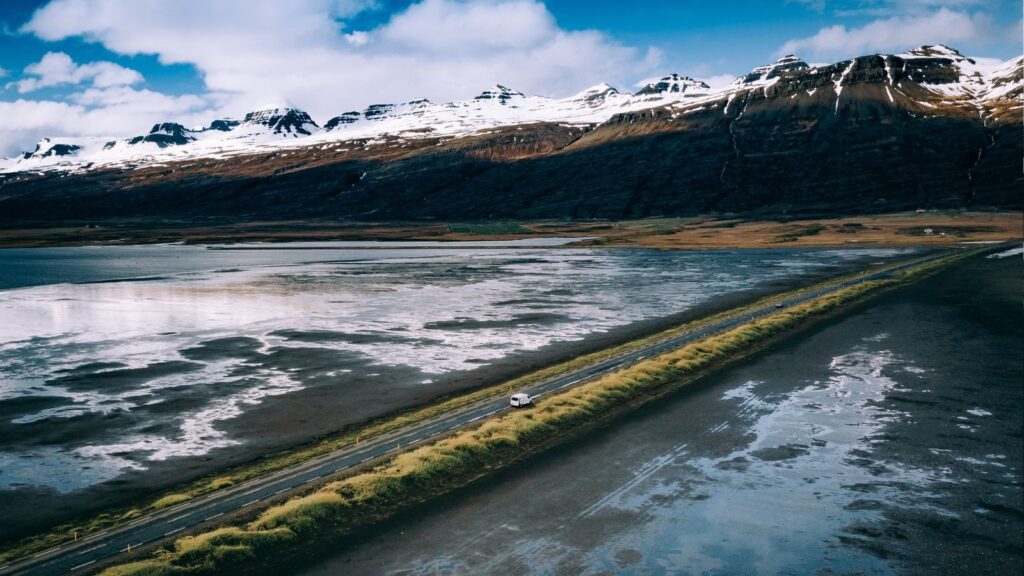
What to Expect on a Whale Watching Tour
Knowing what to expect helps you prepare properly and maximize enjoyment. Here’s what a typical whale watching tour looks like from start to finish.
Before Departure
Arrive at the tour meeting point 30 minutes before departure. Tour operators provide a safety briefing covering emergency procedures, wildlife watching etiquette, and what to expect during the tour. You’ll be issued warm flotation suits (like insulated overalls) that go over your regular clothing – these are essential even in summer when temperatures at sea drop significantly.
Most operators provide blankets for additional warmth, and larger boats have indoor heated cabins where you can warm up between whale sightings. RIB boats require more layers underneath the flotation suit since you’ll be more exposed to wind and spray.
The Tour Experience
The journey to whale feeding areas typically takes 20-45 minutes, depending on where whales were recently spotted. Captains communicate via radio with other boats to share whale locations and sightings. During transit, guides provide educational commentary about marine ecosystems, whale biology, and what to watch for.
When whales are spotted, the captain positions the boat for optimal viewing while maintaining legal distance requirements (50 meters minimum, though whales often approach boats on their own). Engines are cut or reduced to idle to avoid disturbing the animals. This is when patience pays off – whales surface to breathe every 5-15 minutes, depending on species, and the anticipation between surfacings builds excitement.
Watch for signs of whale activity: seabirds diving (indicating fish near the surface), disturbances in the water, or the distinctive blow when whales exhale. Humpback whales often show their tail flukes when diving deep – this is the photo opportunity everyone waits for, so keep your camera ready.
Tours typically encounter whales multiple times during the 2-3 hour excursion. Between sightings, guides share fascinating facts: humpback whale songs can be heard for miles underwater, blue whales’ hearts are the size of small cars, and minke whales can hold their breath for 20 minutes.
Photography Tips
- Bring a camera with good zoom lens (300mm+ if possible). Whales maintain safe distances, and phone cameras often can’t capture detail.
- Shoot in burst mode/continuous shooting. Whale behavior is unpredictable – taking multiple shots increases chances of capturing the perfect moment.
- Pack extra batteries. Cold temperatures drain battery life faster, and you’ll be shooting frequently.
- Consider a waterproof camera or protective case, especially on RIB boats where spray is inevitable.
- Don’t obsess over photos at the expense of actually watching. Put the camera down sometimes and just experience the moment.
- Many tour operators have professional photographers onboard who share their images for free after the tour – check your operator’s policy.
Practical Tips for Campervan Travelers
These specific tips help campervan travelers make the most of Iceland’s whale watching opportunities while managing the unique logistics of mobile travel.
What to Bring
- Warm base layers: Even with provided flotation suits, you need thermal underwear or fleece underneath. The ocean is cold year-round.
- Waterproof jacket: Flotation suits aren’t always fully waterproof around the neck and face. A good waterproof jacket provides extra protection.
- Warm hat and gloves: Absolutely essential. Wind chill at sea is significant, and unprotected extremities get cold fast.
- Sunglasses: Even on cloudy days, glare from the water can be intense.
- Sunscreen: Reflection from the water intensifies sun exposure, and you’ll likely be outdoors for 2-3 hours.
- Seasickness medication: If you’re prone to motion sickness, take medication 30 minutes before departure. Natural options like ginger candy can also help.
- Snacks and water: Tours usually have café facilities, but bringing your own ensures you have exactly what you want.
- Binoculars: Not essential (most boats provide shared binoculars), but your own pair gives you constant access.
Managing Campervan Logistics
- Store extra warm clothing in your campervan for after the tour. Even with flotation suits, you might get cold, and returning to your campervan for a warm-up is convenient.
- Pack dry changes of clothes. Though rare, spray and rough seas can sometimes soak outer layers.
- Arrive at campsites the evening before tours. This gives you time to settle in, research operators, and potentially book tours in person (sometimes cheaper than online).
- Check tour departure times when planning driving distances. Missing a booked tour because you underestimated driving time is frustrating.
- Use your campervan as a staging area. Park near the harbor, store items you don’t need on the tour, and return afterward before heading to your next destination.
- Consider campsite shower facilities after tours. Sea air leaves you feeling salty and windblown – a warm shower feels amazing.
Budget Considerations
Whale watching tours aren’t cheap, but campervan travelers have built-in budget advantages that hotel-based travelers don’t enjoy. A typical whale watching tour costs 10,000-15,000 ISK ($80-120 USD). For hotel travelers, this is on top of accommodation costs of 15,000-25,000 ISK ($120-160 USD) per night for basic hotels.
When you’re traveling by campervan, accommodation costs are already minimal – campsite fees run 1,500-2,500 ISK ($12-20 USD) per person. This means the tour price represents your only major daily expense, making whale watching tours much more affordable as part of your overall trip budget.
Additionally, campervan flexibility lets you shop around. If tours from Reykjavík are fully booked or expensive, you can drive to Akureyri or Husavík, where tours may have availability and lower prices. This shopping flexibility simply doesn’t exist when you’ve pre-booked hotels in specific locations.
Why Choose Rent.is for Your Whale Watching Adventure
Experiencing Iceland’s incredible whale watching from the freedom of a campervan transforms a simple tour into an adventure. Rent.is provides the campervans and support that make whale-focused road trips seamless and enjoyable.
Our fleet includes vehicles perfectly suited for coastal road trips: compact campervans for couples seeking budget-friendly whale watching tours, family-sized motorhomes with space for everyone to warm up after tours, and 4×4 campervans that let you access remote coastal viewpoints and winter orca watching locations on the Snæfellsnes Peninsula.
Every Rent.is campervan includes:
- Efficient heating systems to warm up quickly after cold ocean tours
- Kitchen facilities for preparing hot meals and drinks between whale watching locations
- Comfortable sleeping arrangements so you can camp near tour departure points
- 24/7 assistance if you need help anywhere in Iceland
- Comprehensive insurance options for peace of mind during your adventure
- Unlimited mileage so you can visit Husavík, Akureyri, and Reykjavík without worrying about distance limits
Our team knows Iceland inside and out. We can recommend the best whale watching itineraries for your travel dates, suggest optimal campsites near tour departure points, and provide honest advice about seasonal conditions. When you rent from a local company, you get local expertise – not just a vehicle.
We understand that plans change, especially when wildlife and weather are involved. Our flexible booking policies and responsive support team help you adapt your itinerary if weather forces tour cancellations or if you decide to add extra whale watching stops mid-trip.
Frequently Asked Questions About Whale Watching in Iceland
What is the best time to go whale watching in Iceland?
The best time for whale watching in Iceland is from April to October, when migratory whales like humpbacks and minke whales feed in Iceland’s nutrient-rich waters. Summer offers warmer weather, calmer seas, and the highest diversity of species, with success rates reaching 90-95%. June and July are peak months for blue whale sightings in North Iceland.
However, winter whale watching (November-March) has its own advantages: fewer crowds on tours, opportunities to see orcas hunting herring in western Iceland, and the chance to combine whale watching with Northern Lights viewing from the boat. While fewer species are present in winter, resident minke whales, dolphins, and porpoises remain active year-round.
Where is the best place to see whales in Iceland?
Husavík in North Iceland is widely recognized as Europe’s whale watching capital, with the highest success rates for seeing humpback whales (90-95% in summer) and the best chances of spotting blue whales between mid-June and mid-July. The town’s location on Skjálfandi Bay, combined with nutrient-rich waters from glacial melt, creates ideal feeding conditions that attract numerous whale species.
Reykjavík offers the most convenient whale watching, with tours departing from the Old Harbor just minutes from downtown. Success rates are excellent (85-90% in summer) for minke whales, dolphins, and porpoises, and tours operate year-round. Akureyri provides family-friendly tours in the sheltered Eyjafjörður fjord with regular humpback whale sightings and calmer seas suitable for children and those prone to seasickness.
For campervan travelers, visiting multiple locations gives you the best overall whale watching experience. You can compare different marine environments, maximize your chances of diverse encounters, and experience each location’s unique character.
What types of whales can you see in Iceland?
Iceland’s waters are home to over 20 whale species, though you’re most likely to encounter certain species depending on season and location. The most commonly seen whales are minke whales (year-round residents, 7-10 meters long), humpback whales (April-October, known for acrobatic displays and tail flukes), and white-beaked dolphins (playful and often approach boats).
Other species you might spot include harbor porpoises (small and shy but common in coastal waters), orcas or killer whales (especially in winter around Snæfellsnes Peninsula when they hunt herring), blue whales (the largest animals on Earth, occasionally seen June-July in North Iceland), fin whales, pilot whales, and sperm whales.
Success rates vary by location and season, but most summer tours from major whale watching hubs achieve 85-95% whale sighting rates. Your tour guides will help you identify different species by their size, behavior, and distinctive features like dorsal fin shape and tail fluke patterns.
How much does whale watching cost in Iceland?
Whale watching tour prices in Iceland typically range from 10,000-15,000 ISK ($80-120 USD) for standard 2-3 hour tours on traditional boats. These tours include warm flotation suits, marine biologist guides, and usually a guarantee that you can return for free if no whales are spotted.
RIB (rigid inflatable boat) tours cost more – typically 15,000-20,000 ISK ($120-160 USD) – but offer a more exhilarating, intimate experience with faster travel to whale feeding areas and closer encounters due to the boats’ maneuverability. Some operators offer combination tours (whale watching + puffin watching, or whale watching + Northern Lights) at premium prices.
When traveling by campervan, you save significantly on accommodation costs compared to hotel-based travelers. While hotels cost 15,000-25,000 ISK ($120-160 USD) per night, campsite fees are just 1,500-2,500 ISK ($12-20 USD) per person. This means tour costs become much more budget-friendly as part of your overall trip expenses, and you can afford to take multiple tours at different locations.
Is whale watching worth it in Iceland?
Absolutely. Iceland offers some of the world’s best whale watching experiences, combining high success rates (85-95% in summer), incredible species diversity, and stunning coastal scenery. The experience of seeing a humpback whale breach the surface, watching a blue whale’s massive body glide past your boat, or hearing the explosive sound of a whale’s breath is genuinely unforgettable.
Tours are led by expert marine biologists who share fascinating insights about whale behavior, migration patterns, and conservation efforts. You’ll learn to identify different species, understand feeding behaviors, and appreciate the complex marine ecosystems that support these magnificent animals. The educational component adds depth to the visual spectacle.
For campervan travelers specifically, whale watching becomes even more worthwhile. The flexibility to visit multiple locations (Husavík, Reykjavík, Akureyri) during one trip means you can compare experiences, maximize your chances of diverse encounters, and adapt to weather conditions. Combined with the cost savings from campervan travel, whale watching tours represent excellent value for an experience you’ll remember for years.
Can you see whales from shore in Iceland?
Yes, while boat tours offer the closest encounters and highest success rates, you can sometimes spot whales from coastal viewpoints in Iceland. Good shore-based whale spotting locations include the Snæfellsnes Peninsula coastline (particularly near Arnarstapi and Hellnar, where orcas hunt close to shore in winter), Husavík waterfront and coastal walking paths, Tjornes Peninsula north of Husavík, and various headlands around Reykjavík’s Old Harbor.
Bring quality binoculars and watch for telltale signs: spouts of water vapor when whales breathe, dorsal fins breaking the surface, or the distinctive shape of tail flukes. Early morning and late afternoon often provide the best lighting conditions for spotting whales against the water. Spring and summer offer the best chances for shore sightings when whales feed closer to the coast.
The advantage of campervan travel is clear for shore-based whale watching: you can park at coastal viewpoints, make coffee in your campervan, and watch the ocean for as long as you like without pressure. While success rates are much lower than boat tours, shore spotting is free and can be surprisingly rewarding when you do spot whales. Consider it a supplementary activity rather than a replacement for boat tours.
What should I bring on a whale watching tour in Iceland?
Essential items for whale watching in Iceland include warm base layers (thermal underwear or fleece) to wear under the provided flotation suit, a waterproof jacket for extra protection around the neck and face, warm hat and gloves (absolutely critical as wind chill at sea is significant), sunglasses for glare protection, and sunscreen (reflection from water intensifies sun exposure).
If you’re prone to motion sickness, take seasickness medication 30 minutes before departure – natural options like ginger candy can also help. Bring a camera with good zoom lens if possible (300mm+ ideal), and pack extra batteries as cold temperatures drain them faster. Water and snacks are useful, though most tours have onboard café facilities.
When traveling by campervan, store extra warm clothing in your vehicle for after the tour. Even with flotation suits provided by operators, you might get cold, and returning to your campervan for warm-up between activities is convenient. Pack dry changes of clothes in case spray or rough seas soak outer layers (though this is rare).
How long is a typical whale watching tour in Iceland?
Most whale watching tours in Iceland last 2-3 hours, providing ample time to travel to whale feeding areas, observe the animals, and return to harbor. This includes approximately 20-45 minutes of travel time each direction (depending on where whales were recently spotted) and 60-120 minutes of actual whale watching time.
Some premium tours or combined experiences (whale watching + puffin watching, whale watching + Northern Lights) can last 3-4 hours. RIB boat tours are often slightly shorter (1.5-2 hours) because the faster vessels reach whale feeding areas more quickly, though you typically spend similar amounts of time actually observing whales.
This time commitment makes whale watching easy to fit into a campervan road trip itinerary without dominating your entire day. You can book a morning tour (8-9 AM departure), be back at the harbor by 11 AM-12 PM, and still have the afternoon for driving to your next destination or exploring local attractions. The flexibility of campervan travel means you’re not locked into rigid schedules – if you love whale watching, you can always book another tour at a different location.
Ready to Experience Iceland’s Incredible Whales?
Your whale watching adventure awaits. With a Rent.is campervan, you’ll have the freedom to visit Husavík, Akureyri, Reykjavík, and other whale watching locations on your own schedule. No fixed accommodation, no rigid itineraries – just you, Iceland’s dramatic coastline, and the magnificent whales that call these waters home.
Check availability for your travel dates and choose the perfect campervan for your whale watching road trip. Our team is ready to help you plan an unforgettable Iceland adventure focused on marine wildlife encounters.Browse our campervan fleet and book your Iceland whale watching adventure at www.rent.is. Our local team is available 24/7 to support your journey.