
by Pascal
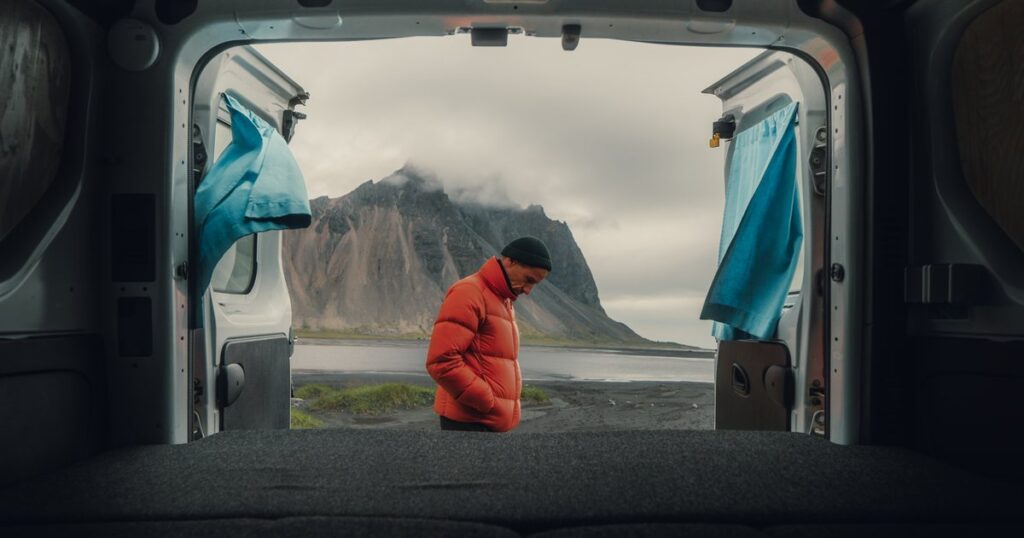
We thought we knew what to expect: a campervan, stocked groceries and a carefully researched itinerary. Yet as we left Keflavík in our spacious Renault Trafic 3, the land reminded us that every journey begins by upending its own premise. For 12 days in Iceland, that van would be both our transport and our home.
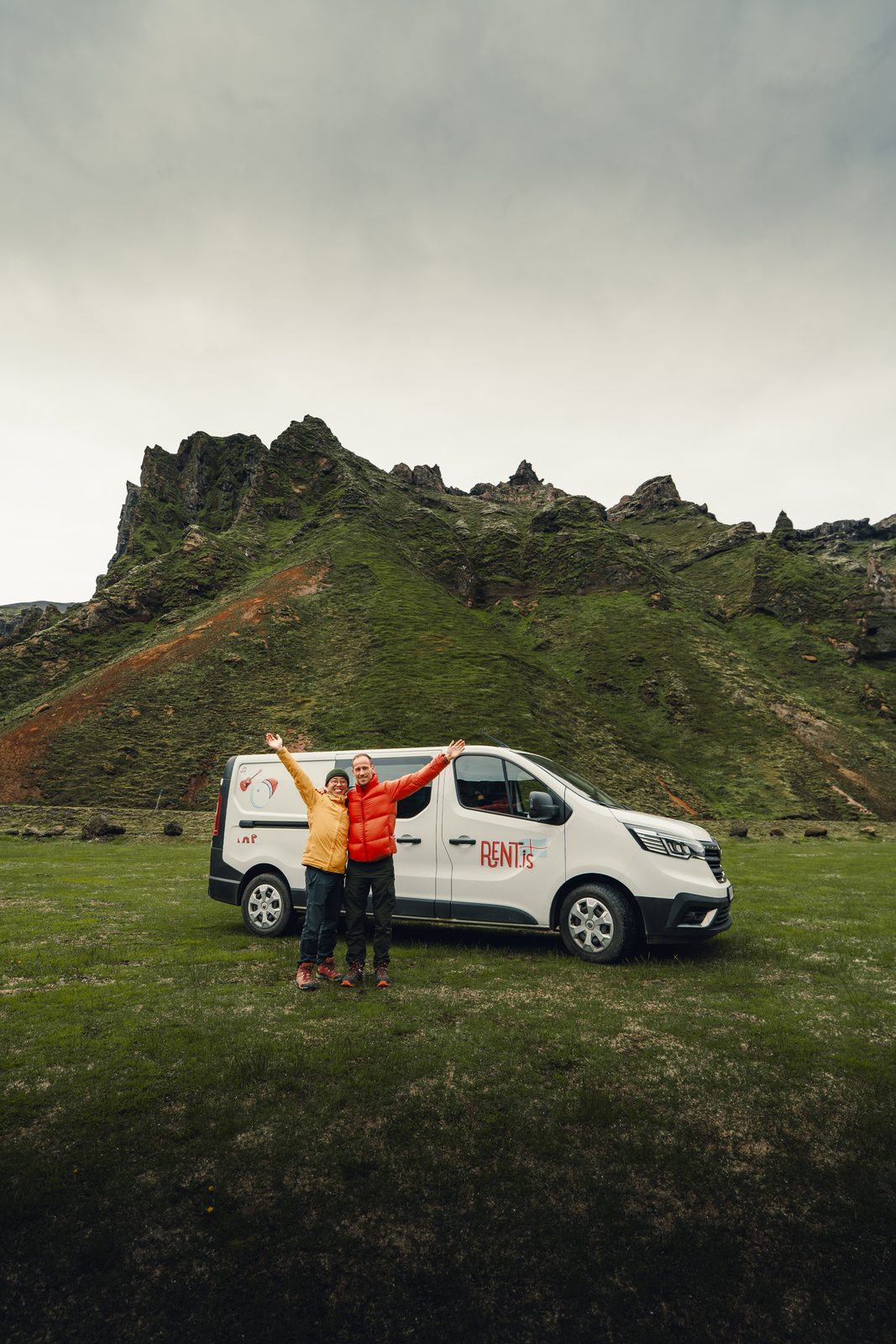
How Our 12 Days in Iceland Began: Lava and Þingvellir
Our road unfurled over fresh lava flows. These black, glistening sheets had buried the old route like an impatient editor erasing yesterday’s mistakes. Half‑submerged lay the asphalt we had imagined to be reliable, now swallowed by volcanic ambition. It felt as if the Earth were whispering: “Never assume stability.”
Some places don’t feel like they belong entirely to this world. You’ll quickly notice that Iceland commands attention with a quiet, ancient intensity that pulses beneath every step.
At our first stop, Þingvellir, the Earth is quite literally splitting open. North America and Eurasia pull apart by around 2 cm every year, leaving a visible scar in the landscape. What struck us most, however, was how understated this historic site is. There is no grandeur and no nationalistic fanfare. Instead, there are just rocks, grass and stories.
It doesn’t feel like a place where power was claimed. Rather, it feels like a place where people placed themselves within something larger: a landscape that wasn’t owned, only respectfully inhabited.
Nature Like We’ve Never Seen Before
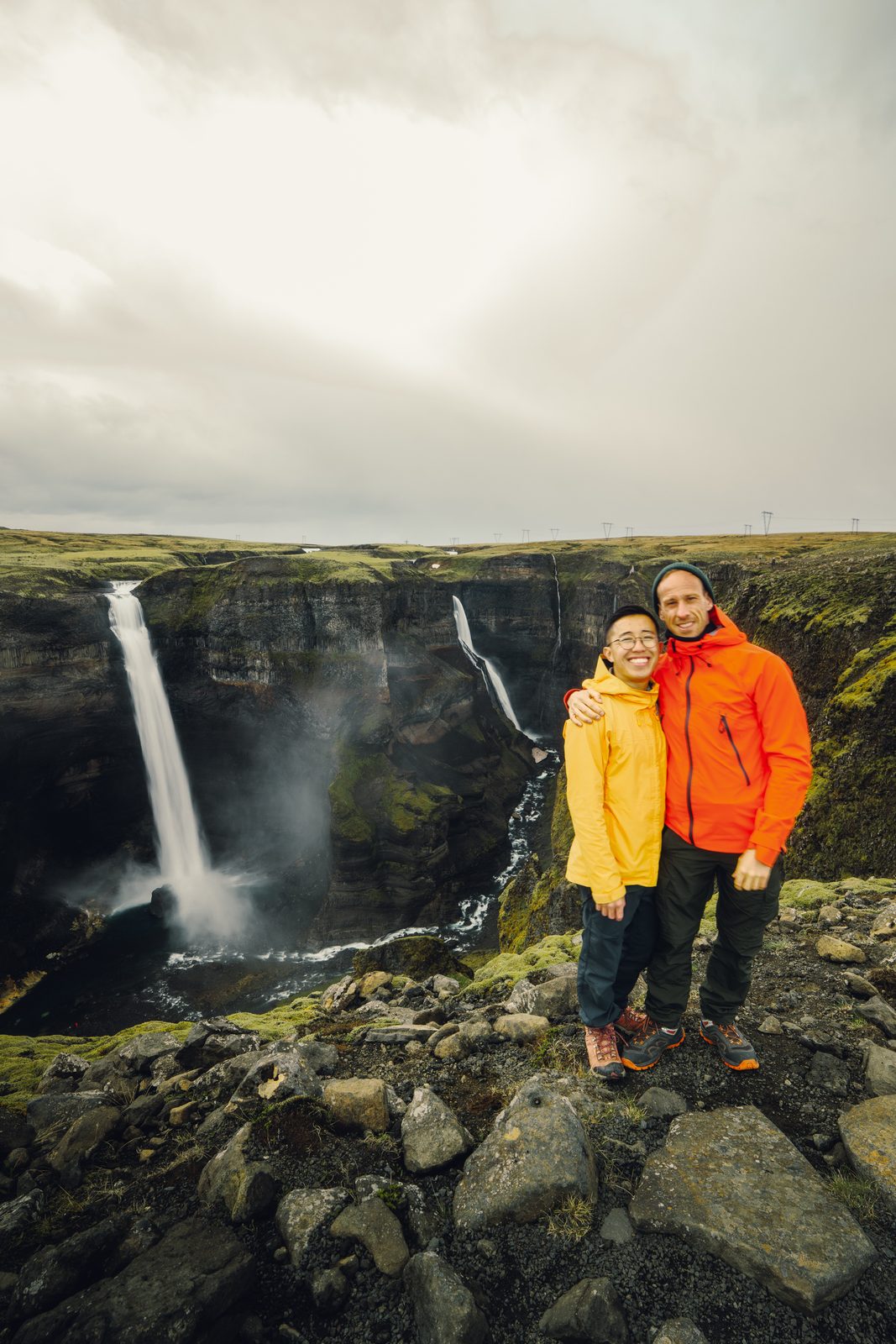
Believe me, nothing can prepare you for the waterfalls of Iceland. We visited Skógafoss, Seljalandsfoss, Gljúfrabúi and Kvernufoss, and each has its own voice. Some roar. Others plummet. Each one, however, invites awe in its own language.
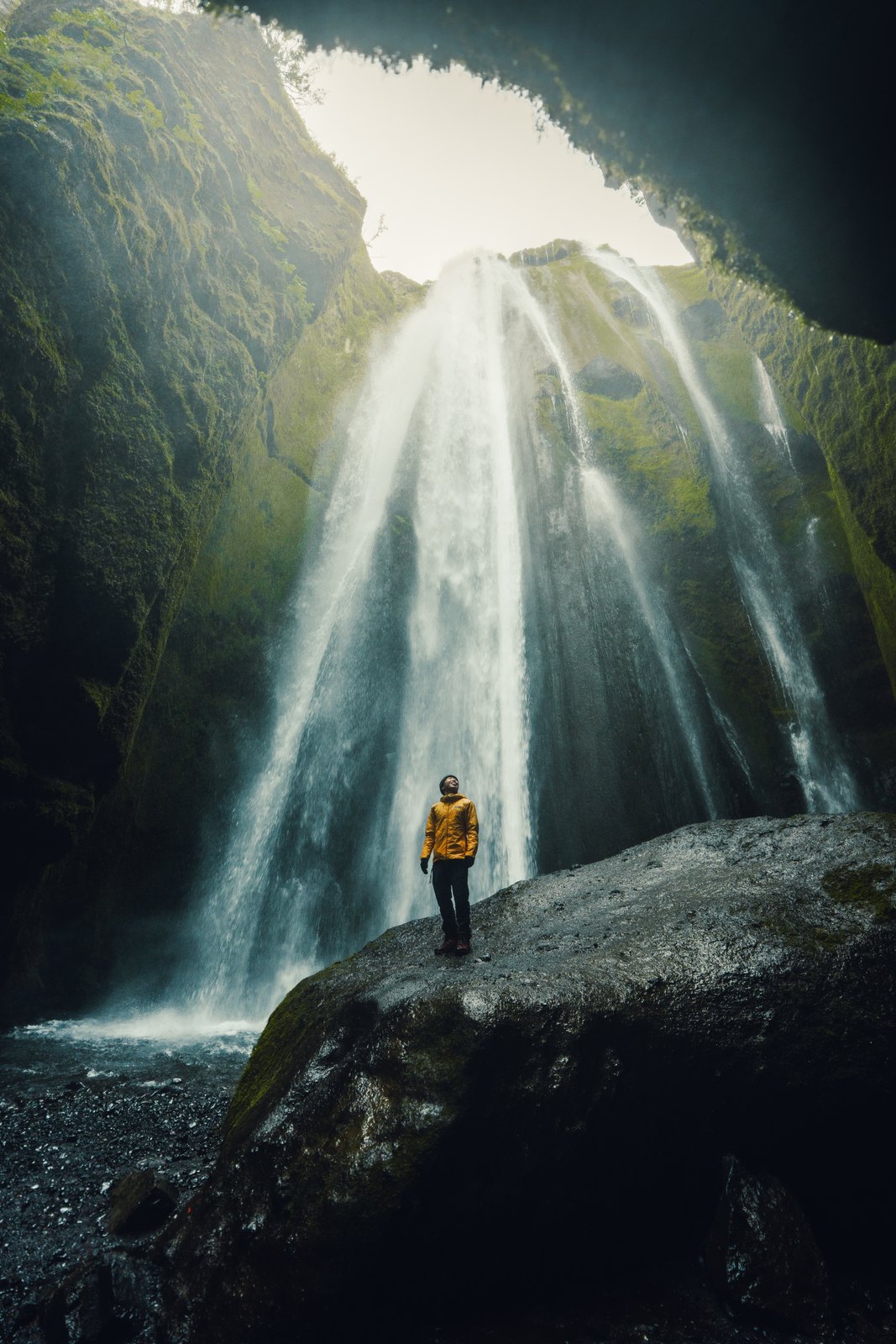
Standing before these waterfalls, with the spray soaking through our waterproofs, we felt incredibly small. It’s a humbling experience. After all, nature doesn’t care about your holiday plans or your camera equipment. These forces were here long before humans, and they will continue long after we’re gone. Yet somehow, experiencing this raw power feels strangely comforting.
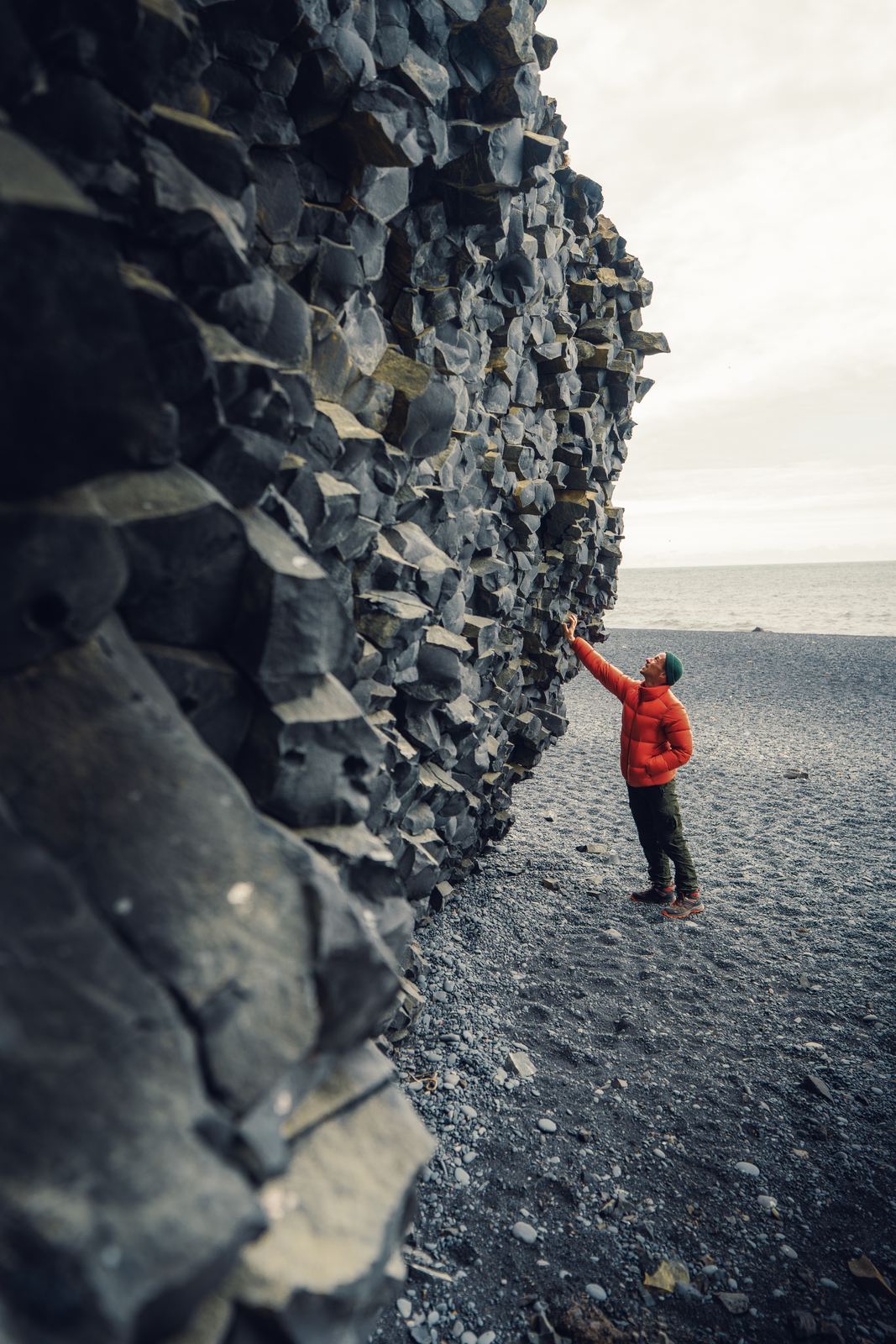
At the black sand beach of Reynisfjara, hexagonal basalt columns stood like an architectural marvel no human could design. When wet, the obsidian pebbles glistened like droplets of oil. Everything looked intentional, yet nothing had been designed. It was a literal art gallery, curated by nature itself.
Fire and Ice: Katla and Vatnajökull
Nowhere is Iceland’s elemental drama clearer than where volcanoes meet glaciers. Katla is a sleeping giant buried beneath the Mýrdalsjökull glacier. In other words, it is hot rage encased in stillness, hidden under hundreds of metres of ice.
Iceland is all about the fragile agreements that allow opposing forces to exist in tension. It doesn’t pick sides. Instead, it holds paradox. And you can really feel it here!
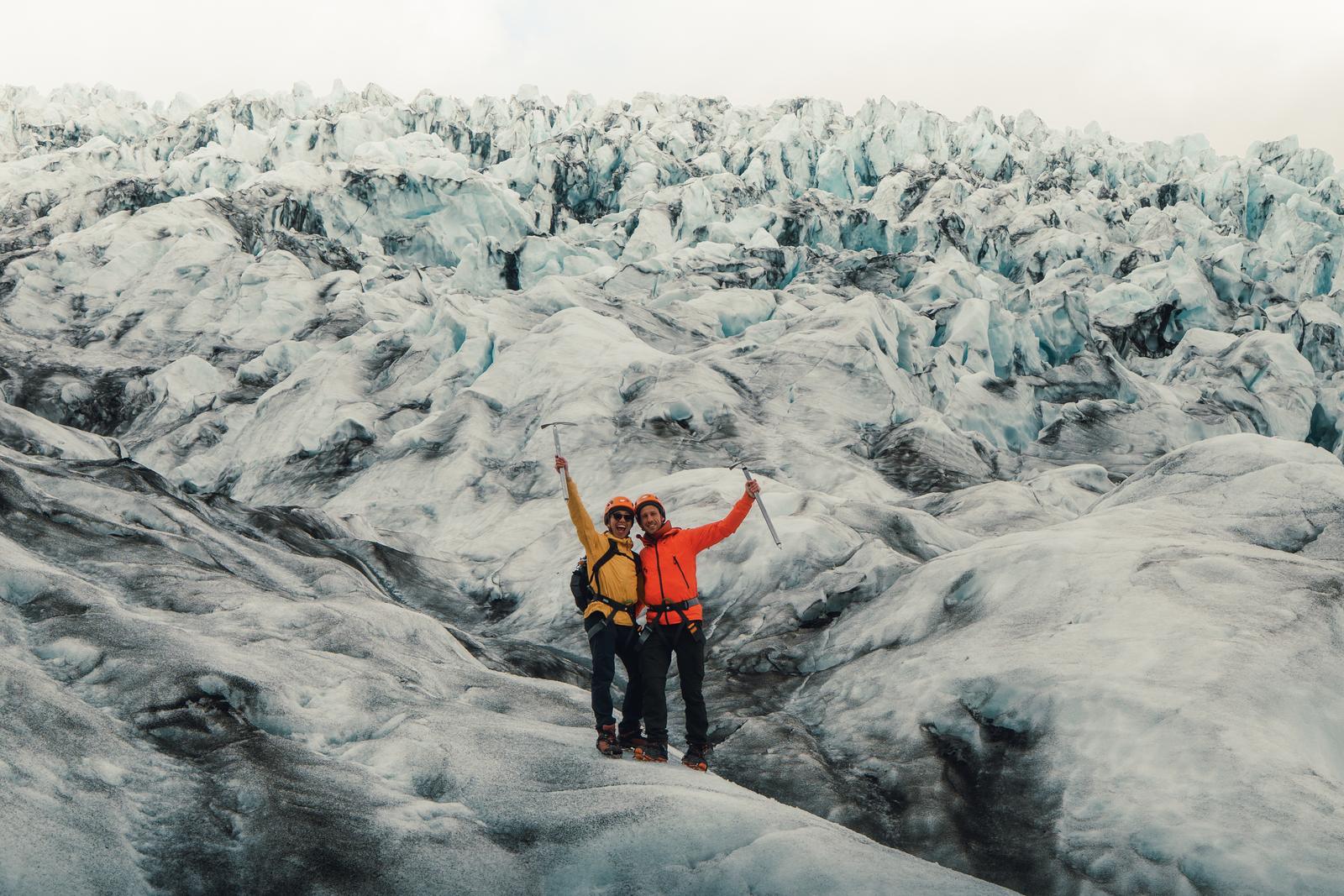
This became most tangible during our trek on the Vatnajökull glacier. It felt like an initiation of sorts. Under the guidance of our glacier guide, we hiked deep into the ice, carved steps with our ice axes and abseiled from the glacier’s ridges. We also felt the crystal surface beneath our fingers. Something so ancient felt both solid and alive at the same time.
Diamond Beach and Baileys on Ancient Ice
That evening at Diamond Beach, ancient icebergs drifted silently out of the glacier lagoon. Their surreal shapes looked like sleeping creatures or sculptures mid‑transformation. Together, they were a marina of silent ships made of ancient ice.
The waves washed them onto the black sand: clear, glistening and dissolving. Each icy jewel was impossibly perfect in its temporary existence. Moreover, they caught the light in ways that made them look almost otherworldly.
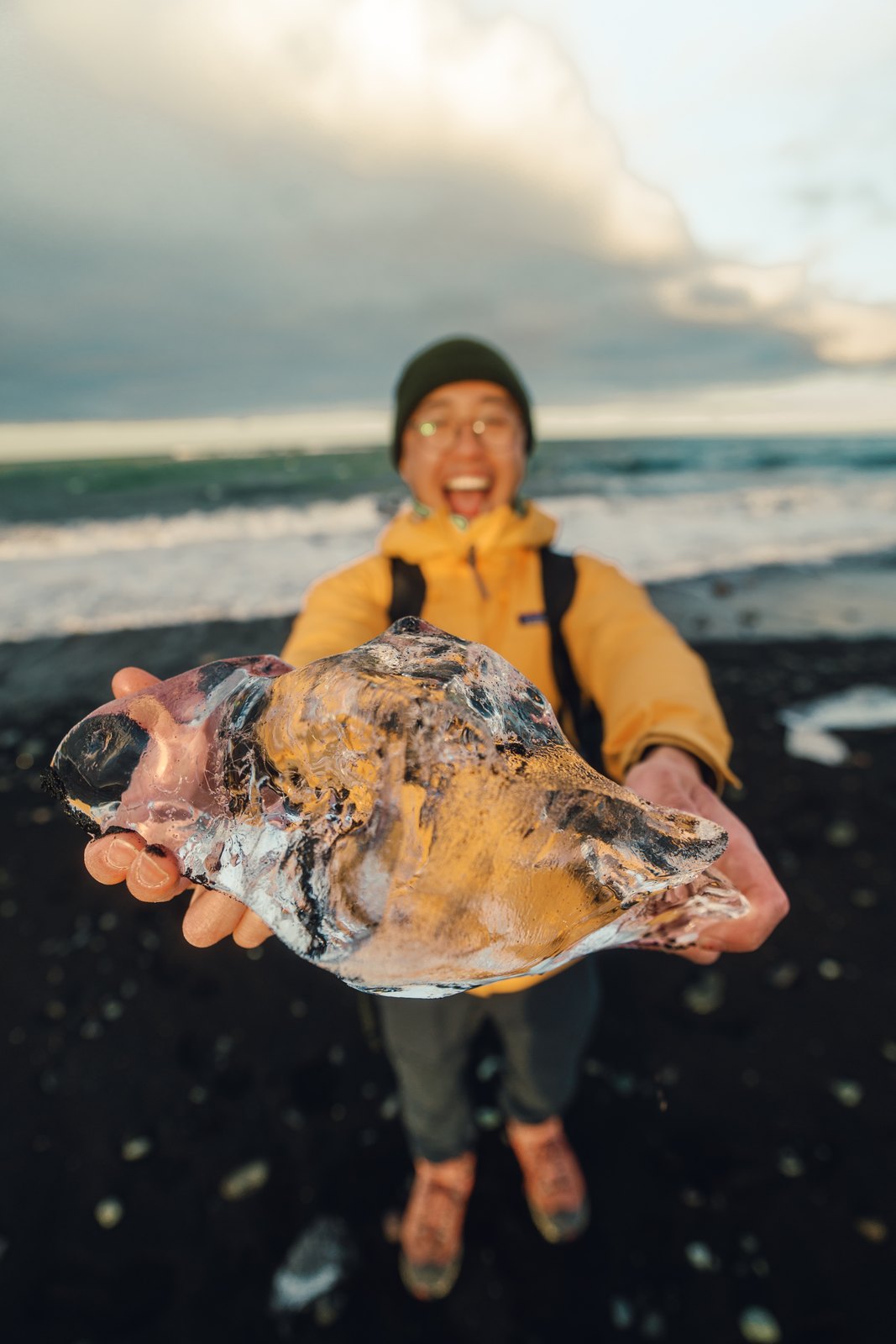
We couldn’t resist taking a little back in our thermos before it melted into the black sand. That night in our campervan, we sipped Baileys over ice that predated electricity. Slowly, the meaning of impermanence settled into us, not as a loss but as a blessing. Only in Iceland!
Iceland’s Quietest Inhabitants
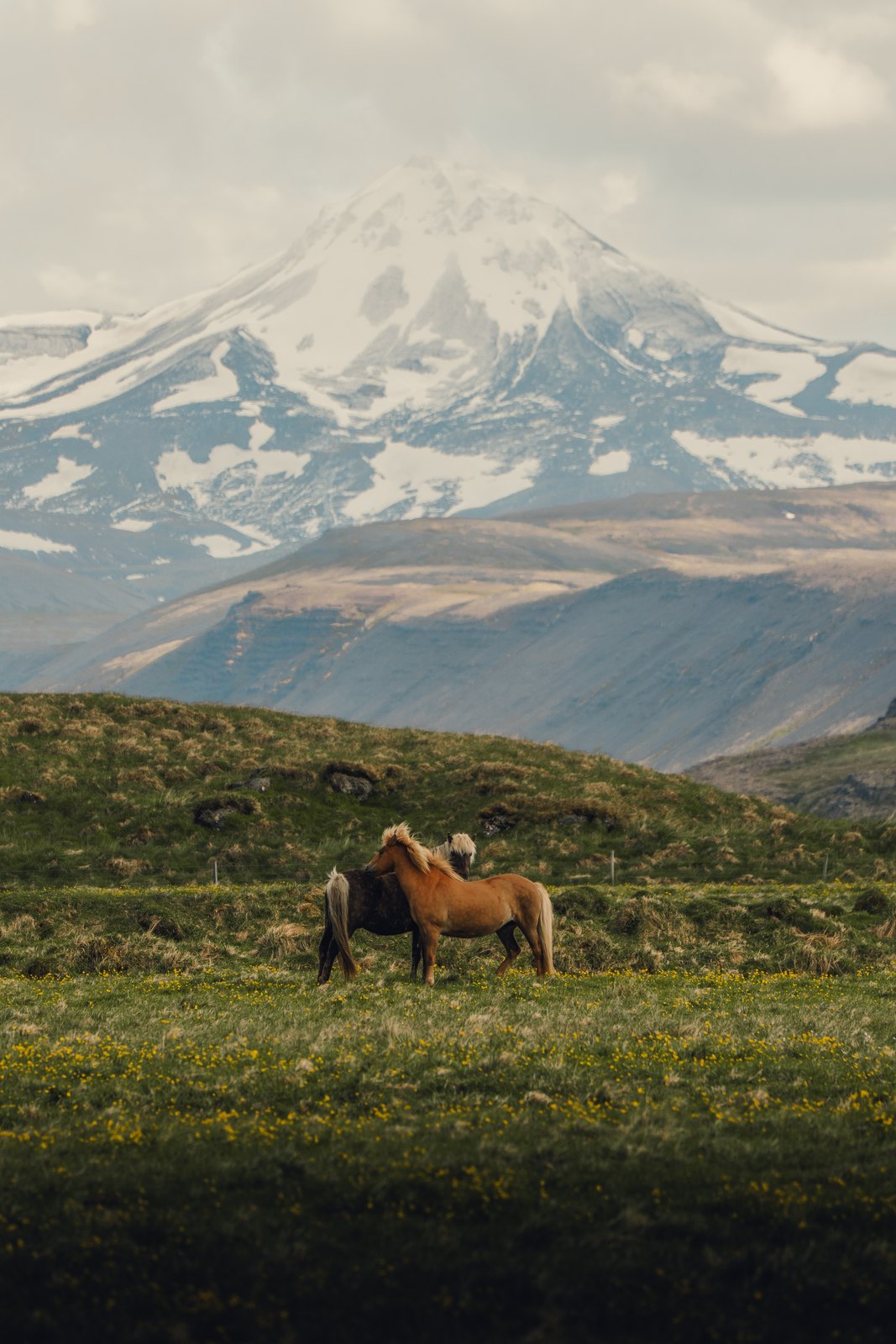
One morning, we woke up surrounded by lambs. Outside our window, these small, gentle beings moved about with a calm, unbothered rhythm, perfectly at home in the rain. The contrast struck us: the softness of lambs in a landscape forged by volcanic violence.
Iceland doesn’t hide the process. Instead, you can see the rawness and the healing in the same glance. Iceland in spring is truly a sight to behold.
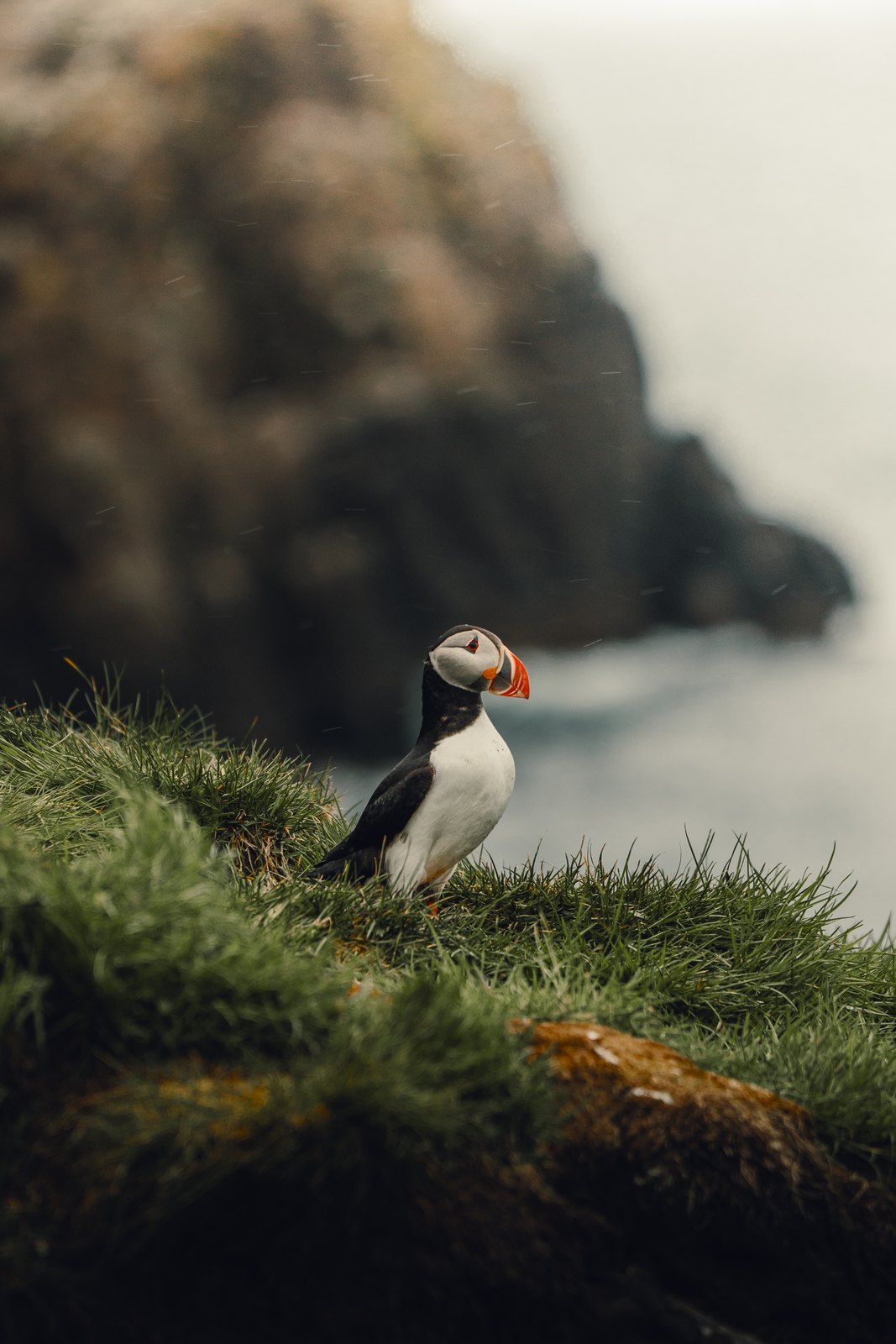
At Hafnarhólmi, we stood among puffins. These absurd, beautiful, miniature beings nested in the rocks like old poets in tiny robes. We were so close, yet they were completely undisturbed. Just being in their presence filled us with pure, heart‑melting wonder. Honestly, they were utterly, ridiculously adorable.
Weather as a Companion on Our 12 Days in Iceland
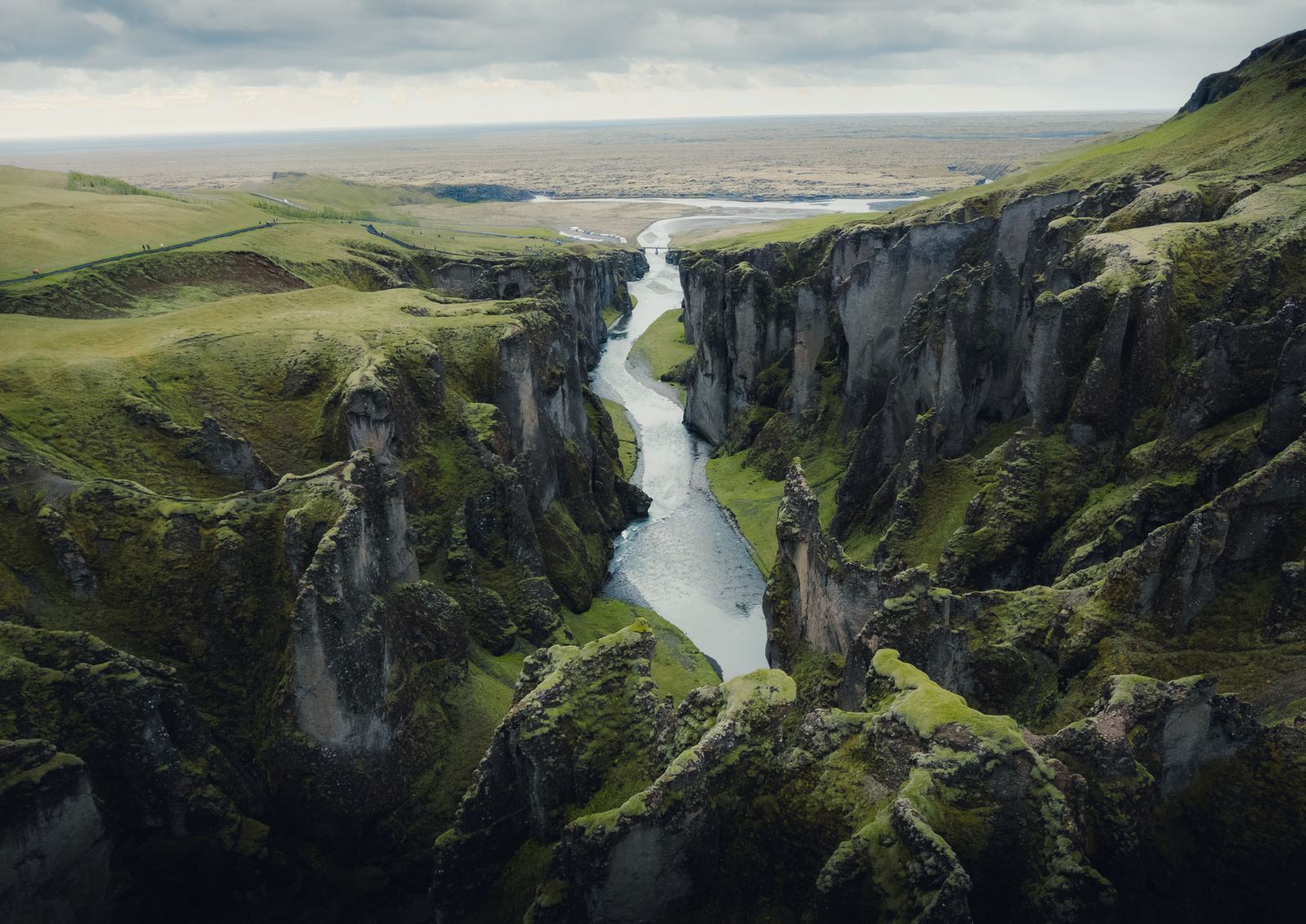
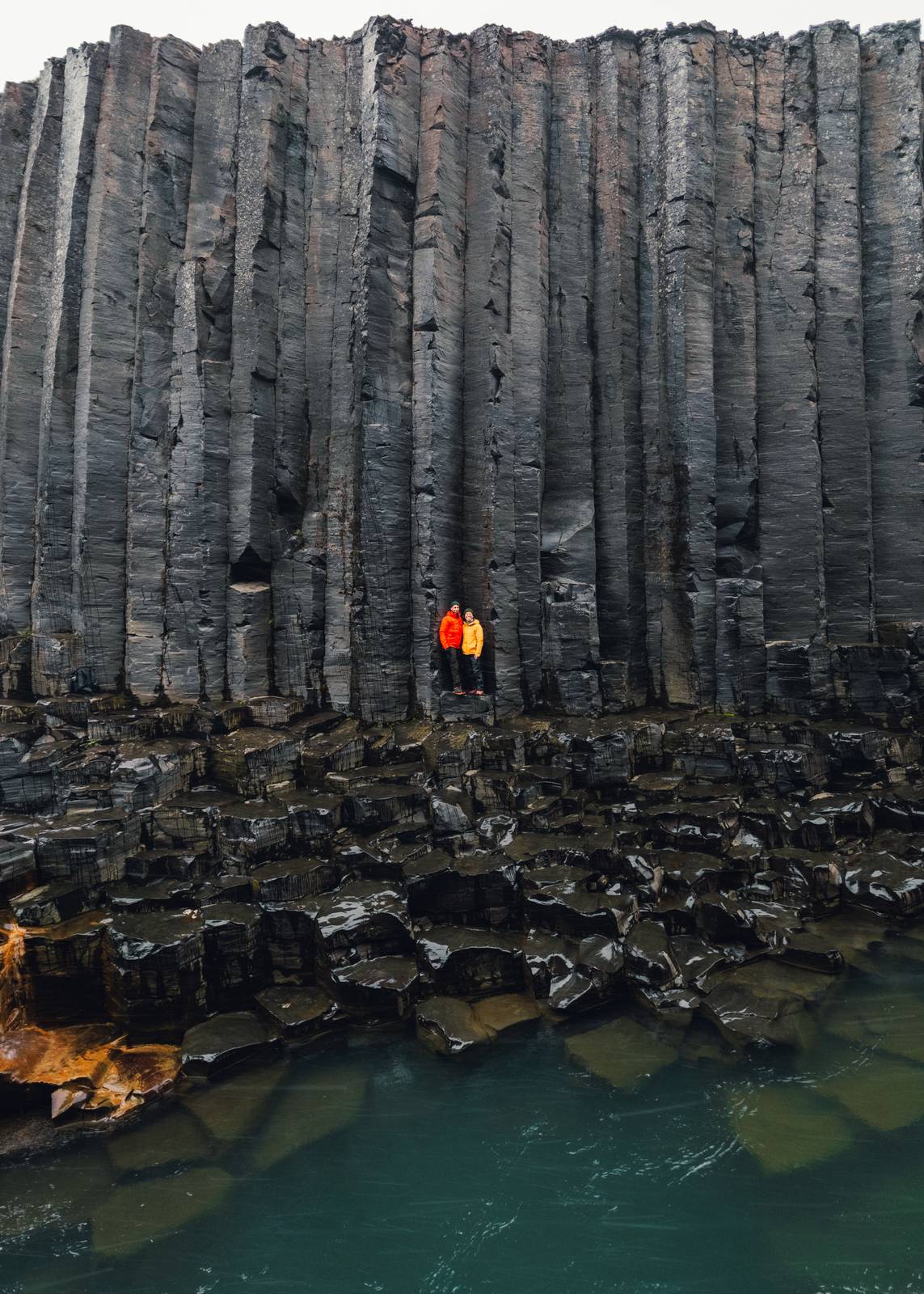
In Iceland, the weather is not just a condition but a character in your journey. As we pressed on to Stuðlagil Canyon, the wind howled like a creature without a face. Meanwhile, icy rain pierced through our jackets and into our bones.
And yet, going down into the canyon rather than simply looking from above deepened our experience. Instead of being spectators, we chose to be participants.
Sturdy as it was, our campervan sometimes struggled in the wind. Gusts rattled it as if they were testing our resolve, just like ours. We kept moving forward, not because the weather allowed it, but because the experience demanded it. That’s travel in Iceland. It strips you down to your relationship with discomfort, with surrender and with wonder.
Then we parked at a windswept campsite at Grettislaug. There, rocked to sleep by gusts that seemed to speak a language older than speech, we found an unexpected comfort. The van swayed gently, like a cradle. It’s a strange comfort to be held by something so wild.
That’s the beauty of travelling in a campervan. Not all shelter is stillness. Sometimes, the wind that tests you is also the wind that rocks you to rest. For more places to spend the night, see our guide to campsites in Iceland.
Human Traces: Shipwrecks and Rusted Hulls
Throughout our journey, we came across the remains of human ambition, softened by time and nature. Near Fagradalsfjall, we stood before the skeletal frame of the Hrafn Sveinbjarnarson III. It is one of many ships wrecked near Hópsnes Lighthouse. Fossilised in salt and spray, their rusted hulls spoke of dreams tested against storms.
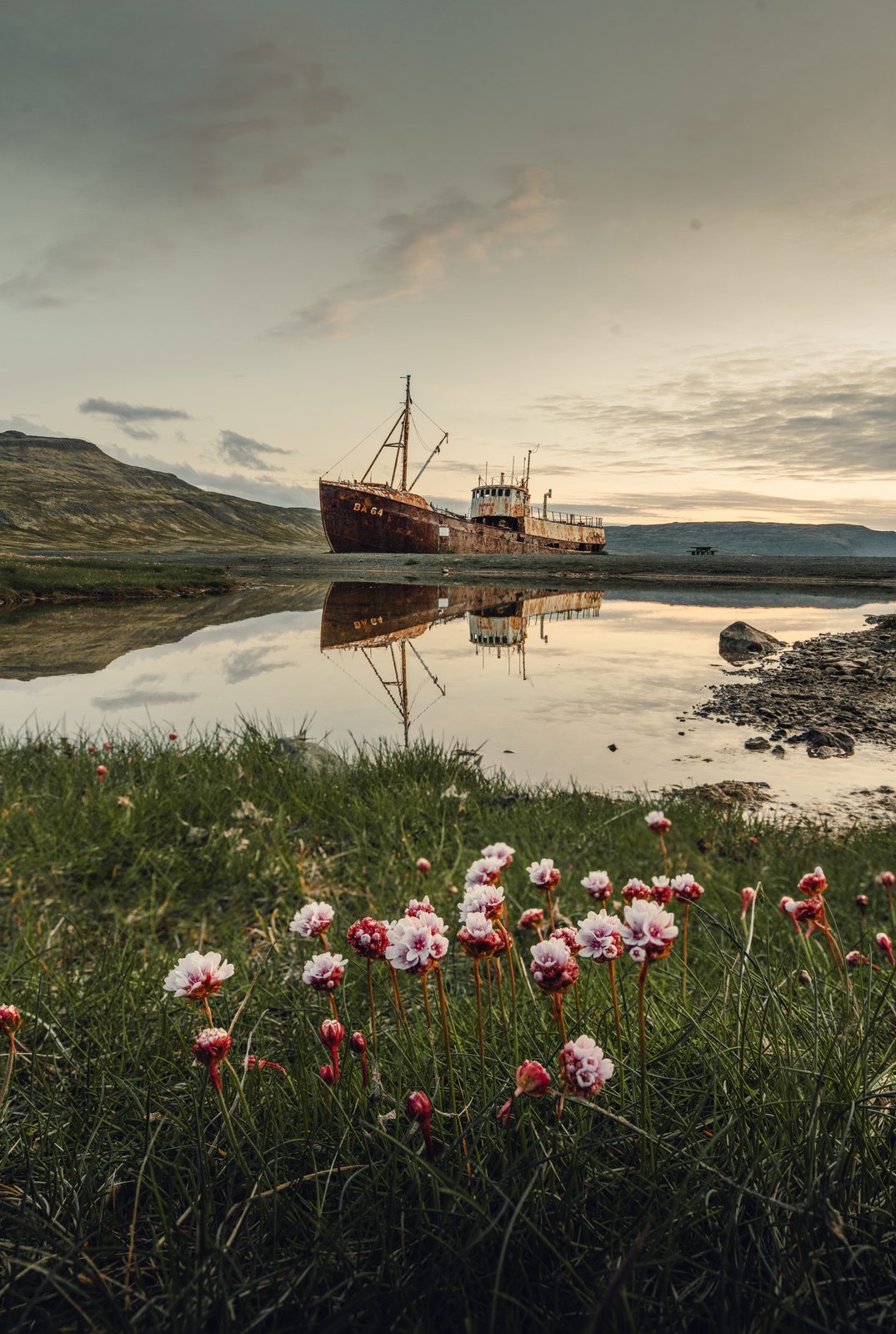
Later, in the West, we discovered the BA 64. Once active in the whaling trade, she now rests on land as a rusted refuge for seabirds. It’s as if the land absorbed her, like so many other abandoned vessels scattered across the Westfjords. What begins as industry becomes memory. In turn, what is remembered becomes reimagined.
Our world is obsessed with progress and tidiness. That’s why there’s something grounding in this quiet admission that not everything needs to be dismantled or scrubbed away. Some things are meant to be left, slowly becoming part of something older and wilder.
Freedom on Four Wheels
The campervan became more than our transport. In fact, it was our moving window onto this extraordinary world. In it, we crossed terrain that felt like a dream painted by the subconscious: raw, jagged and impossibly serene. The thrill of the road pressed against the awe of the view. That contrast, the tension between uncertainty and wonder, felt essential.
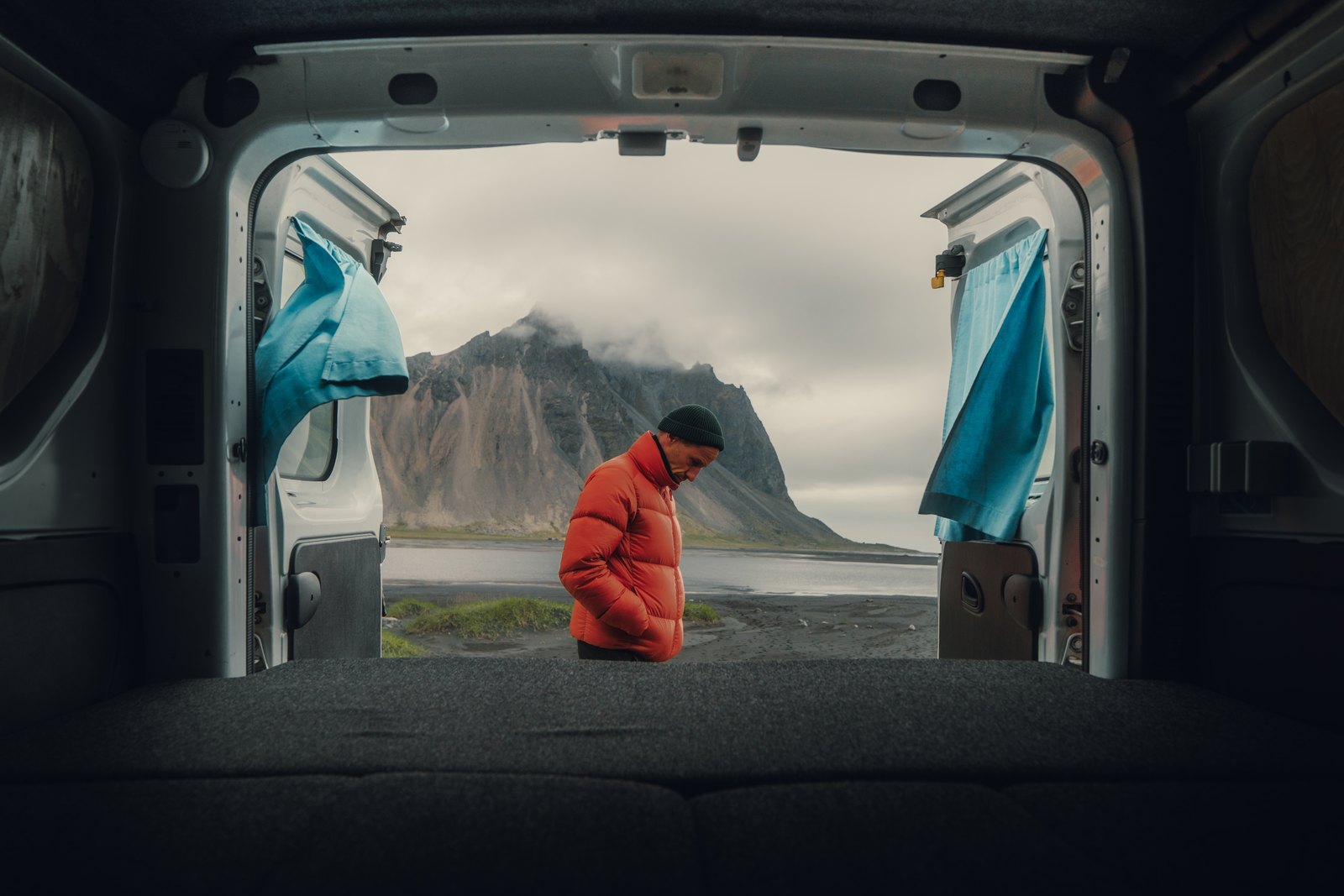
At night, the clock might read midnight, yet daylight lingered like a promise unfulfilled. Sleep evaded us as we watched the pale sun hover, like a sunset that never quite disappeared. In that soft, boundless light, we understood that our trip would not follow familiar rhythms.
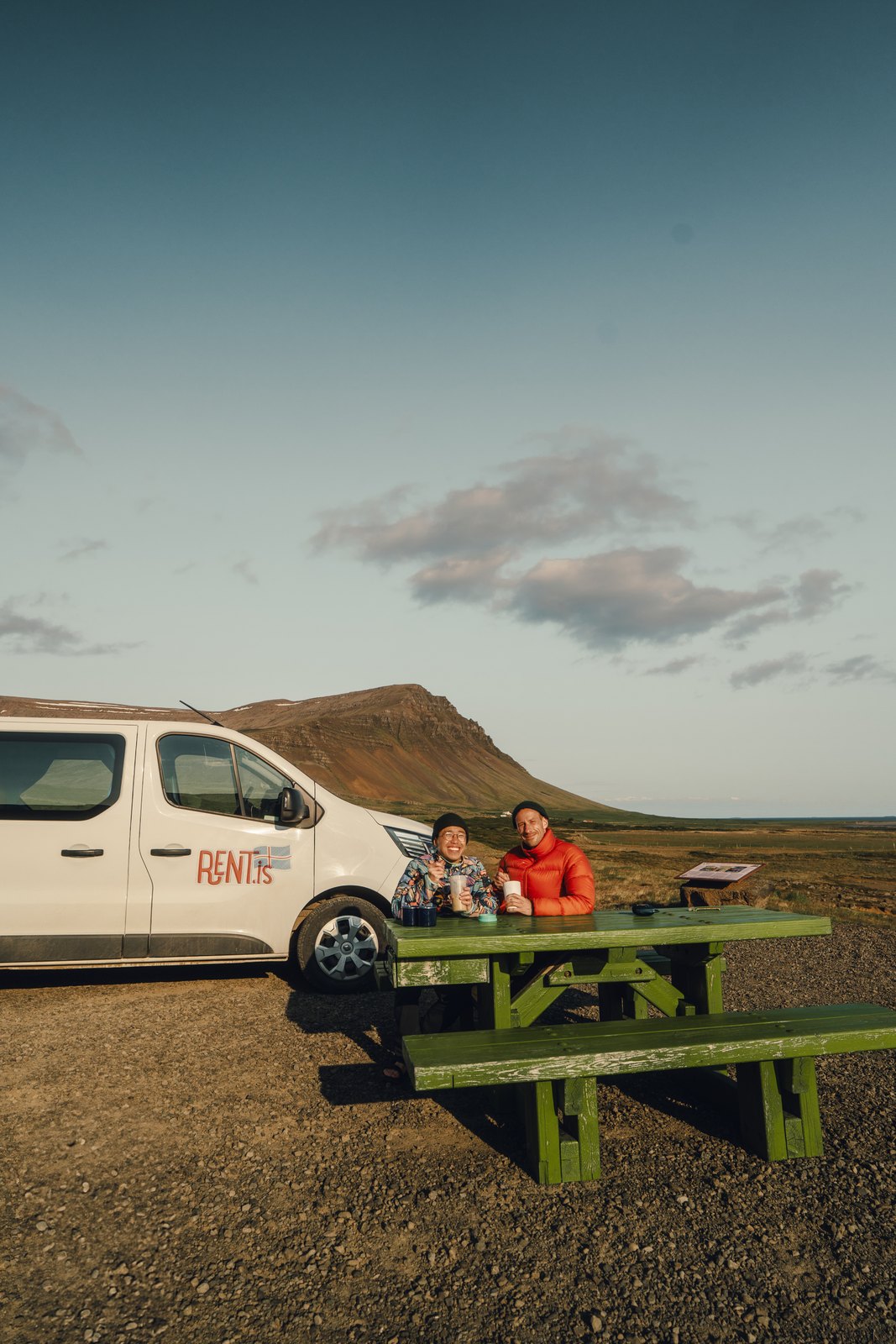
Above all, the campervan gave us the freedom to respond to the unexpected. We could follow our curiosity down unknown roads. We could make coffee beside still lakes or at windswept viewpoints. And we could change plans whenever the weather demanded it. It became our shell, our sanctuary and our lookout point.
What 12 Days in Iceland Taught Us
As our journey neared its end, we realised that Iceland hadn’t just been a place we visited. It had become a lens through which we now saw everything else. The midnight sun had altered our sense of time. Meanwhile, the volcanic landscape had shifted our idea of what lasts. And the constant movement had taught us the difference between touring a place and letting it transform you.
Iceland lets you find its lessons in the silences. You find them on the long, slow drive through lava fields where moss has taken centuries to grow. They hide in the silence between geyser eruptions. And they show in the way people treat the land less like property and more like a force to coexist with.
This country invites you to consider a different relationship with time, place and meaning. It’s one where deep forces move beneath the surface, and transformation happens quietly, until it doesn’t. Here, the old Norse language finds new ways to speak.
Resistance isn’t always loud here, either. Take the story of Sigríður Tómasdóttir, who is said to have walked barefoot to Reykjavík to protect Gullfoss waterfall from development in the early 20th century. As a result, she became one of Iceland’s first environmental heroes. Ultimately, it’s a place where people belong to the land, not the other way around.
The True Gift of Travel
Finally, we drove to drop off our trusty campervan, which had become our beloved companion. Something in us had shifted quietly, the way a coastline shifts after centuries of tide.
Maybe that’s all the journey ever promised: a recalibration of sight. We came home with a deeper understanding that the extraordinary and the ordinary blend together. Sacred experiences can be found in weathered, imperfect moments. Likewise, the magic of Iceland isn’t just in its sagas. It’s in how we choose to stay present and attentive through rainstorms, road closures and unexpected challenges.
In the end, what remained wasn’t just memories of spectacular views or challenging drives. It was a deeper appreciation for how landscape shapes consciousness. Moving through space can alter perception. Similarly, simply living in a van for twelve days can open you to a different way of being in the world. With its raw beauty and constant reminders of the Earth’s power, Iceland hadn’t just been our destination. It had been our teacher.
FAQ: Planning 12 Days in Iceland
Is 12 days in Iceland enough for the Ring Road?
Yes. The Ring Road is about 1,330 km, so 12 days gives you time for the full loop plus a detour or two. For example, you could add the Westfjords, the Snæfellsnes peninsula or a guided glacier hike. Check Umferdin.is for road conditions before each drive, and see our South Iceland travel guide for the first leg.
Can you see the midnight sun in late May and June?
From late May to late July, the nights in Iceland stay bright. Around the summer solstice on 21 June, the sun barely dips below the horizon in the south, and in the far north it can stay up all night. So bring an eye mask if you want to sleep.
Do you need a guide to hike on Vatnajökull?
Yes. Glaciers have hidden crevasses, so never walk onto one without a certified glacier guide. Guided tours provide crampons, ice axes and helmets. You can find more about the glacier and its trails on the Vatnajökull National Park website, and check Safetravel.is before you go.
Plan Your Own 12 Days in Iceland
The Renault Trafic 3 is a spacious campervan with room to cook, sit out the wind and wake up to a new view every morning. Pick yours up just five minutes from Keflavík Airport, with free 24/7 shuttle service.